
Claims platform rebuild for a general insurer
Replaced a 15-year-old claims system, tripling throughput per handler.
3x
Problem, approach, and the outcome
The client is a UK general insurer whose claims operation ran on a 15-year-old platform that had accreted years of workarounds. Claims handling is where the insurer's promise to customers is kept or broken, so the stakes of getting a rebuild wrong were high.
The business could not afford a disruptive cutover on a live, regulated claims process, yet the ageing system was throttling productivity and boxing in every attempt to improve.
The 15-year-old claims system dictated the process rather than serving it, so handlers fought the tooling on every file. Years of accumulated workarounds had turned it into something nobody fully understood.
No one dared change it for fear of breaking regulated flows, which meant improvement had effectively stalled. The system's fragility had become a cap on the whole operation's productivity.
The insurer needed a modern platform without a risky big-bang cutover that could disrupt live claims and customers mid-flight. Continuity of a regulated, customer-facing process was as important as the modernisation itself.
We rebuilt the platform around the handler's actual workflow, so the software followed how good handlers already worked rather than forcing them to adapt to it. That reframing turned the tool from an obstacle into an accelerant.
Migration ran in waves behind a facade, moving one slice at a time while the rest of the estate stayed untouched. We ran the old and new systems in parallel until the throughput and accuracy numbers held, then retired the legacy path with confidence rather than hope.
Regulated flows were preserved and evidenced at each step, so compliance never lagged the build. The wave-by-wave approach meant risk was always contained to a small, reversible slice.
- 3x claims throughput per handler
- Migrated wave by wave with zero data loss
- Regulated flows preserved and evidenced
- Old and new run in parallel until the numbers proved out
More Software Development case studies
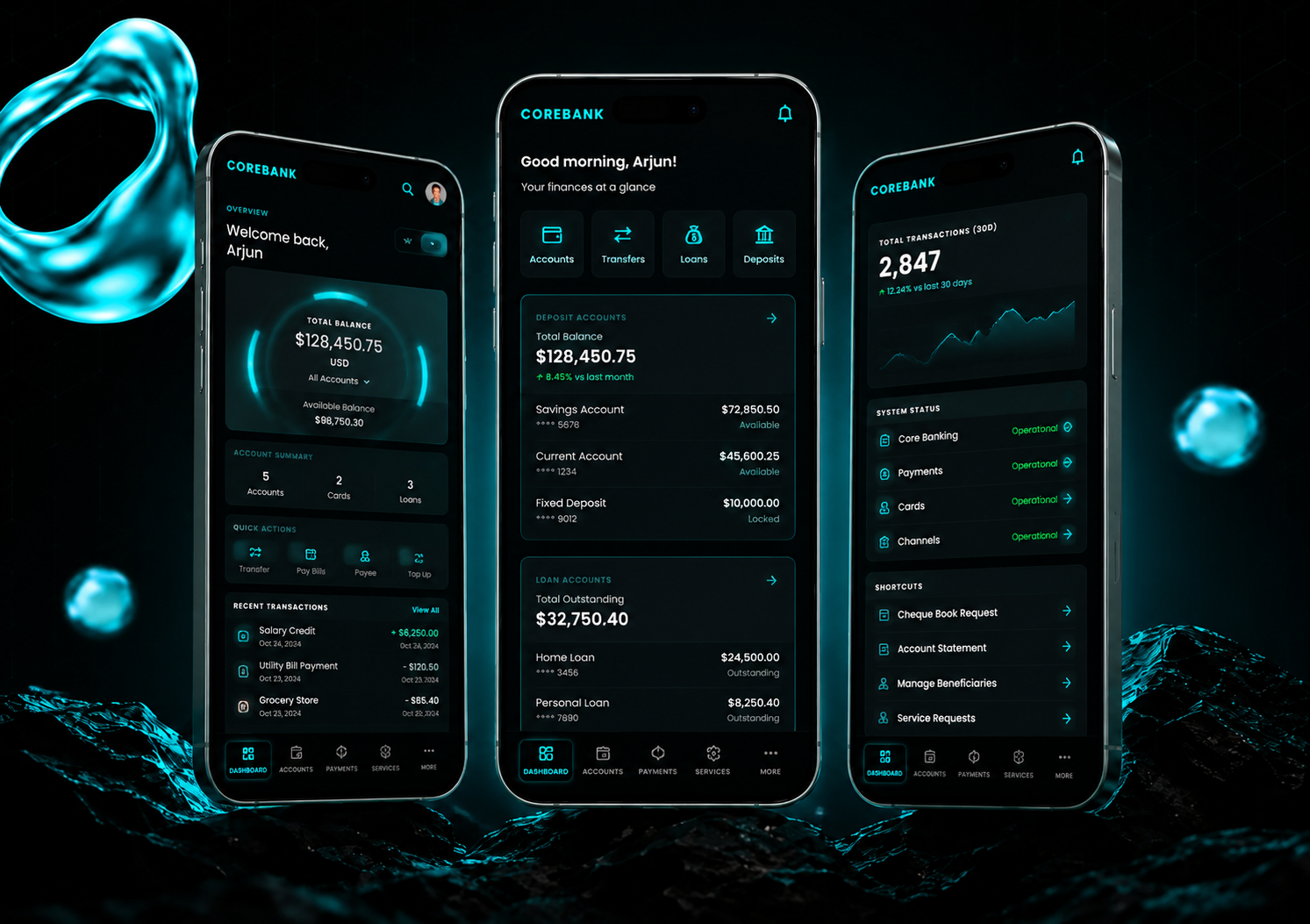
Core-banking platform build for a challenger bank
Ledger, accounts, and payment rails delivered to an FCA launch milestone in 9 months.
Read the full case study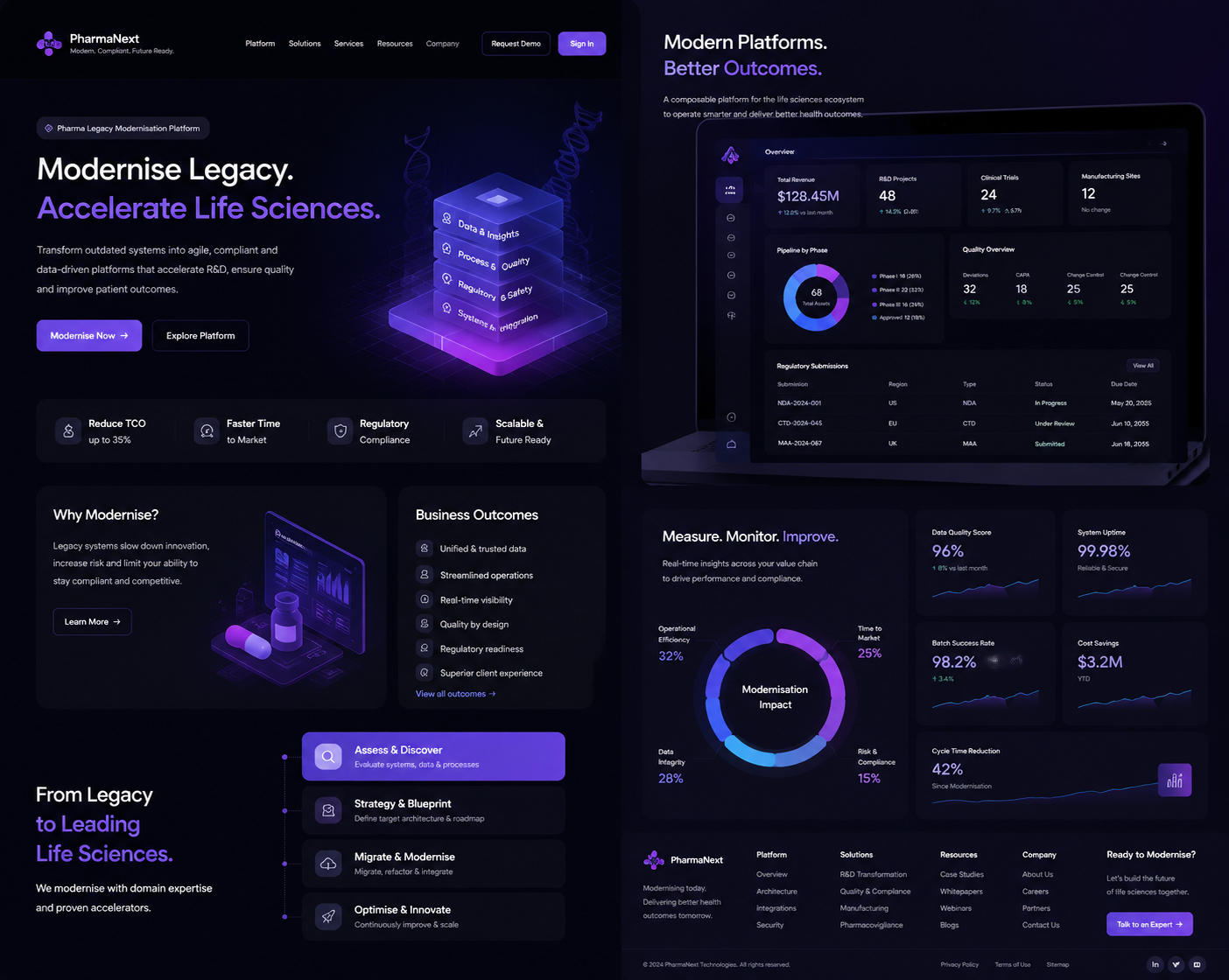
Legacy modernisation for a pharma manufacturer
Strangled a validated legacy system into microservices, cutting change lead time 40% for a pharma manufacturer.
Read the full case study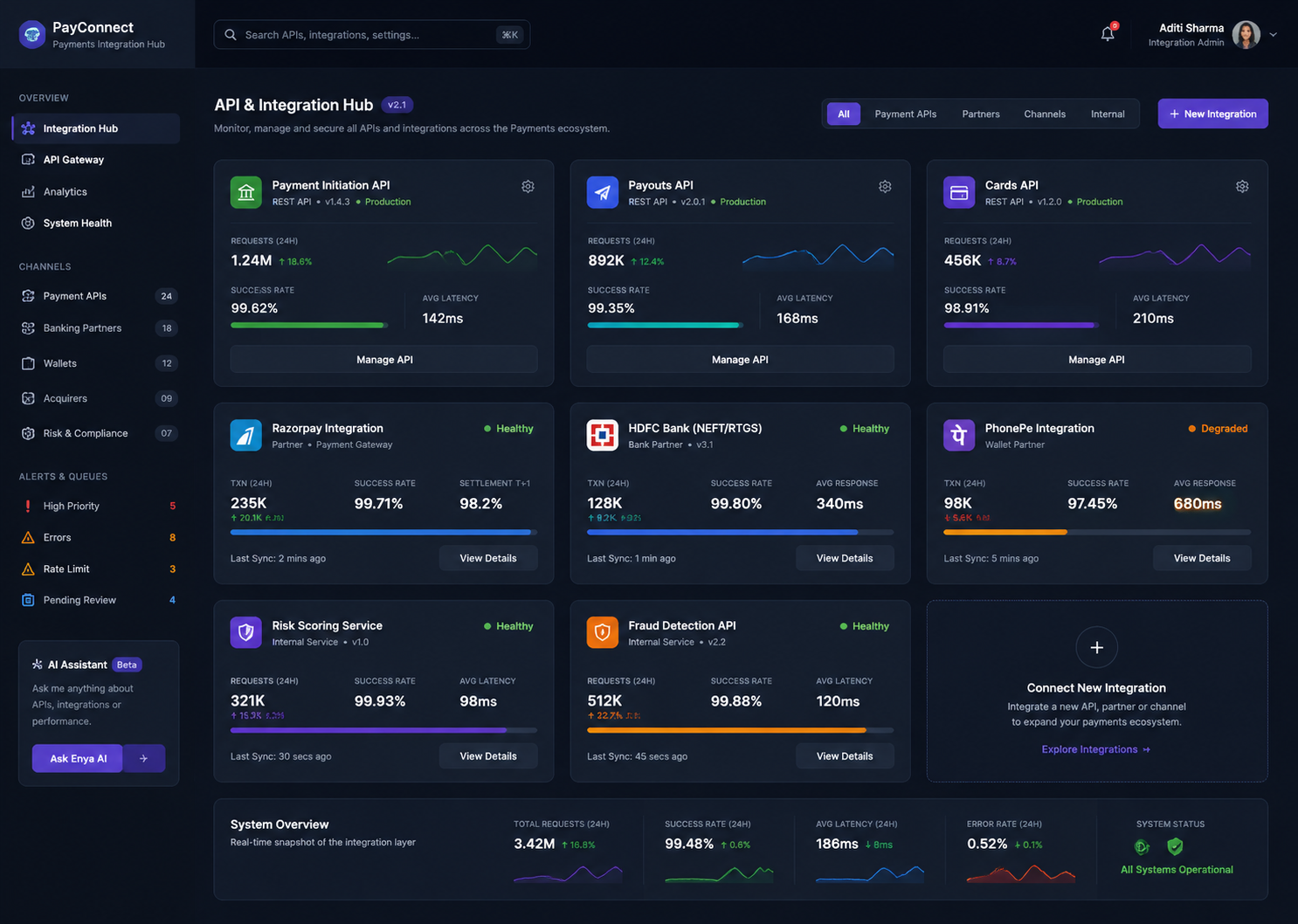
API and integration layer for a payments group
Unified 120+ partner integrations behind one governed API gateway.
Read the full case studyGet a senior architect on the call, first time, every time.
No SDR gauntlet. 30 minutes with an engineer who can scope the problem, name the risks, and give you an honest feasibility call.