
OWASP ASVS Level 2
Level 3 testing
Business-logic abuse
Auth
CREST CRT and OSCP-credentialled offensive security engagements for regulated estates. Web, mobile, network, cloud, and full red-team, written by the engineers who found the issue, for the engineers who will fix it.

From a single web application to a full adversary-emulation red team. Each discipline is staffed by senior testers credentialled against the relevant standard, and assigned by name before the engagement begins.
Six phases from kickoff to remediation review. Standard application or infrastructure engagements complete in two weeks; red-team programmes run four to eight depending on goals.
Passive and active intelligence gathering against the in-scope estate: public OSINT, DNS / subdomain enumeration, technology fingerprinting, exposed credential review, and dark-web exposure checks.
Asset confirmation, in-scope / out-of-scope definition, escalation criteria, and named-tester assignment. Rules of engagement are signed before any traffic is generated against client systems.
Authenticated and unauthenticated discovery: automated scanning paired with manual verification. Every finding is triaged for false positives and chained against business-logic context before it ever lands in a report.
Human-led exploitation of confirmed vulnerabilities. Daily check-ins; critical findings escalated within four working hours. Lateral-movement chains are pursued to demonstrate true business impact, not theoretical risk.
Demonstrate data-exfiltration, persistence, and privilege-escalation outcomes. Detection and response timings logged when blue-team coordination is in scope, so SOC effectiveness becomes a measurable artefact.
Written report within five working days of test end: every finding with reproduction steps, business-impact framing, and a code-level or config-level fix. Live debrief plus a thirty-day remediation-review window.
Partner with offensive engineers who think like attackers and report like architects.
We team senior pen-testers with CREST CRT, OSCP, OSCE, and OSEP credentials against your full attack surface: apps, networks, cloud, identity, and people. The output is not scanner exhaust dressed as findings; it is a remediation runbook your engineers can execute against, mapped to the regulatory frame you are answering to.
Every engagement walks the same path, sized to your problem, but with the same verification gates baked in.

Two-week paid sprint. Architect-led. Output: regulator map, costed roadmap, signed scope.

Pod composition, sequenced milestones, change-control governance, and risk register.

Reference architecture, threat model, design system, and acceptance criteria locked.

Weekly demos, trunk-based, CI/CD from day one. Code reviewed against spec at every gate.

Unit, integration, e2e, security, performance, and accessibility, automated and gated.

Blue-green or canary, observability live before launch, rollback rehearsed.

Managed services or hypercare hand-off. Defined SLOs, named on-call, monthly reviews.
Success stories
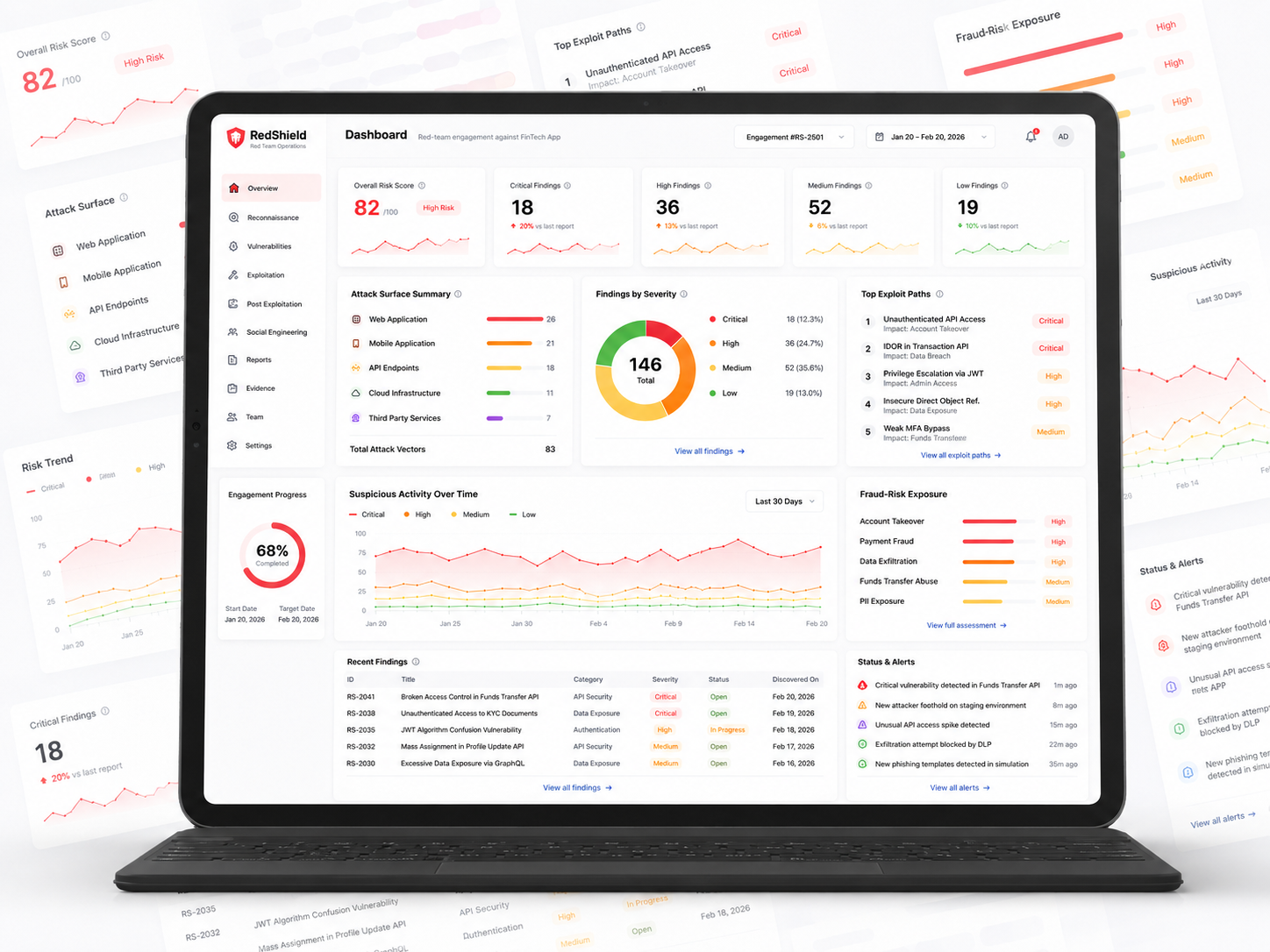
Found and helped close three account-takeover paths before a fintech's launch.
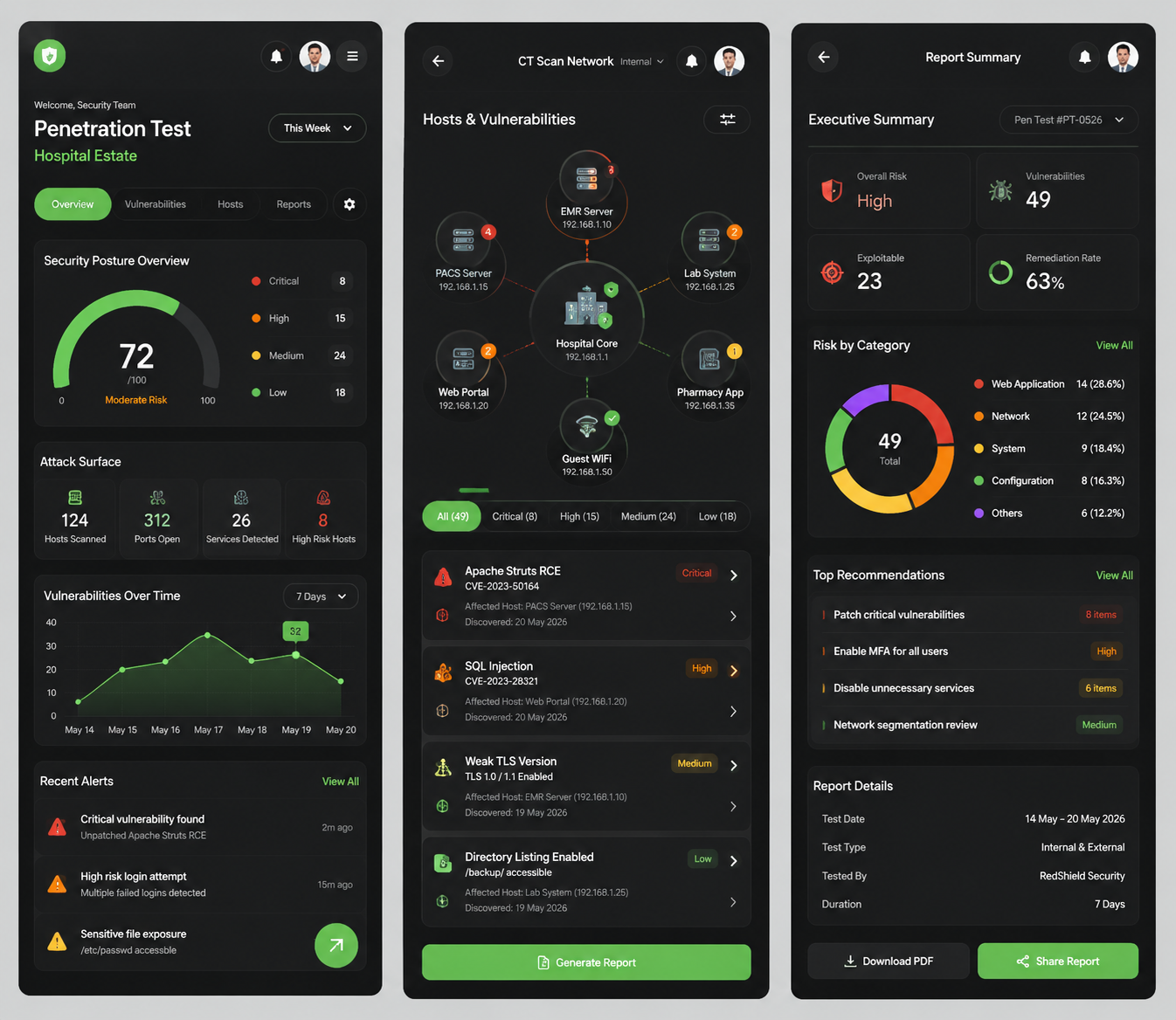
Surfaced 61 exploitable paths across a hospital estate, prioritised by patient-safety impact.
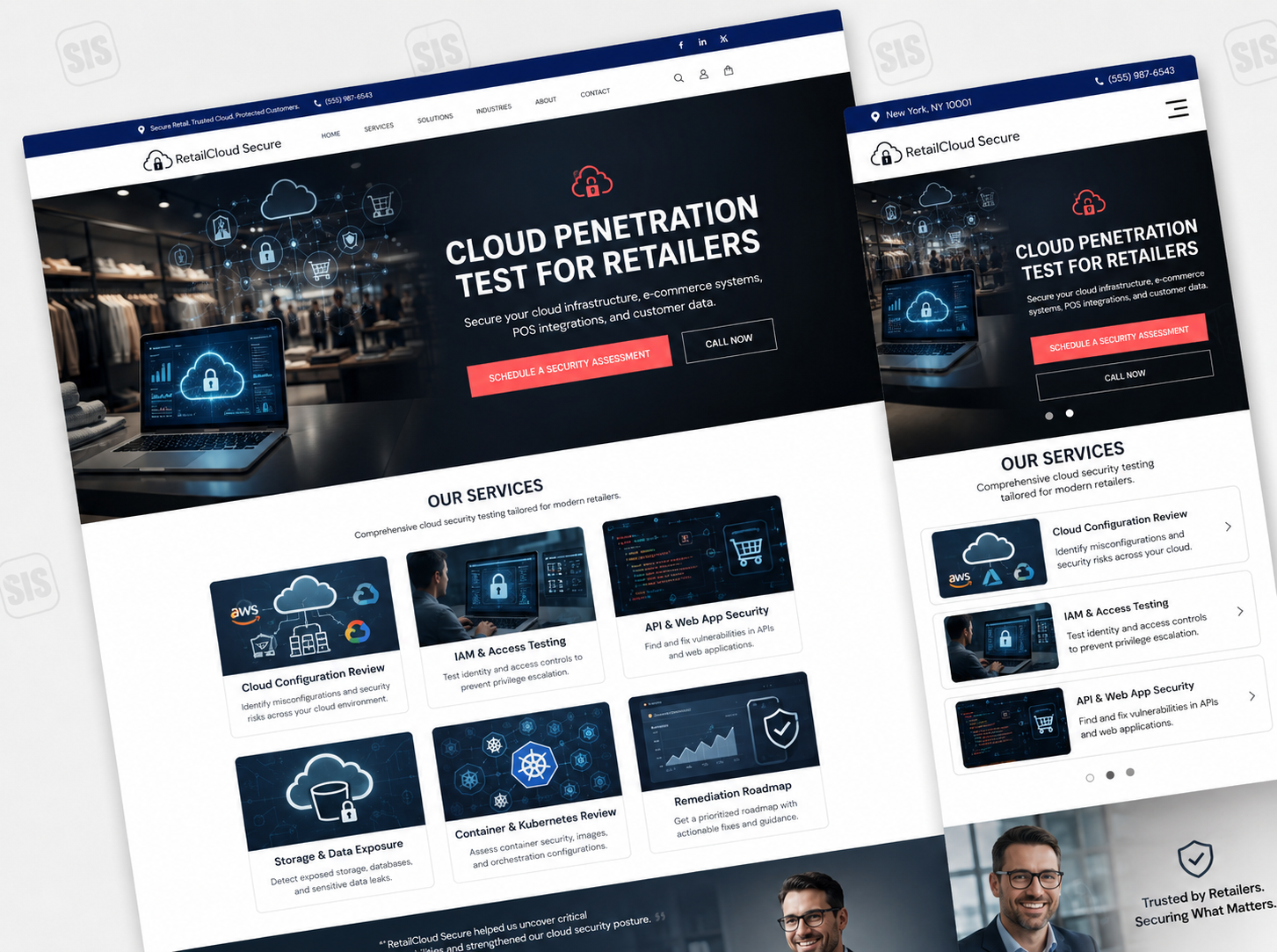
Surfaced 74 exploitable misconfigurations across a retailer's multi-account cloud estate.
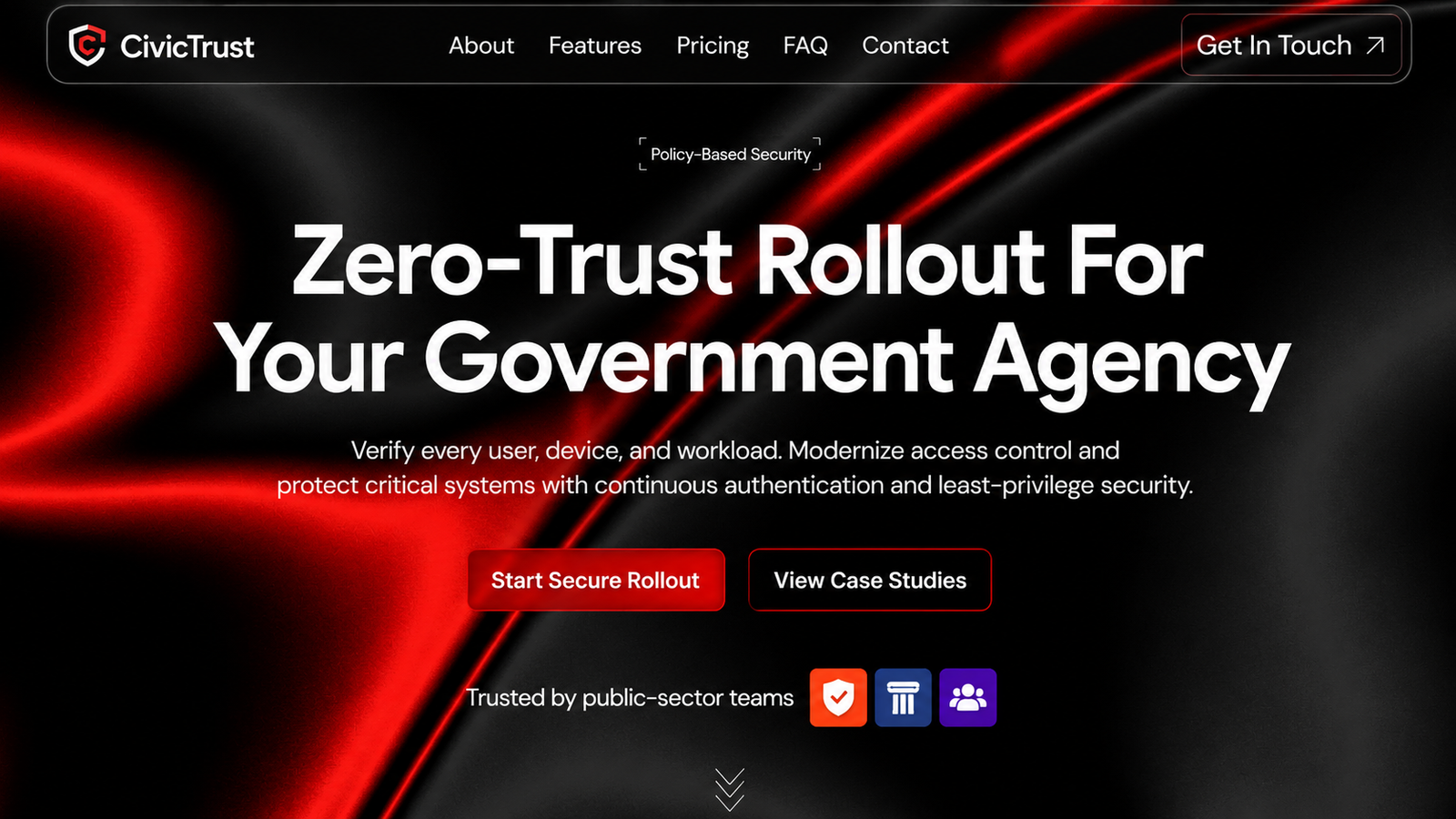
Rolled zero-trust access to 25,000 civil servants without a productivity dip.
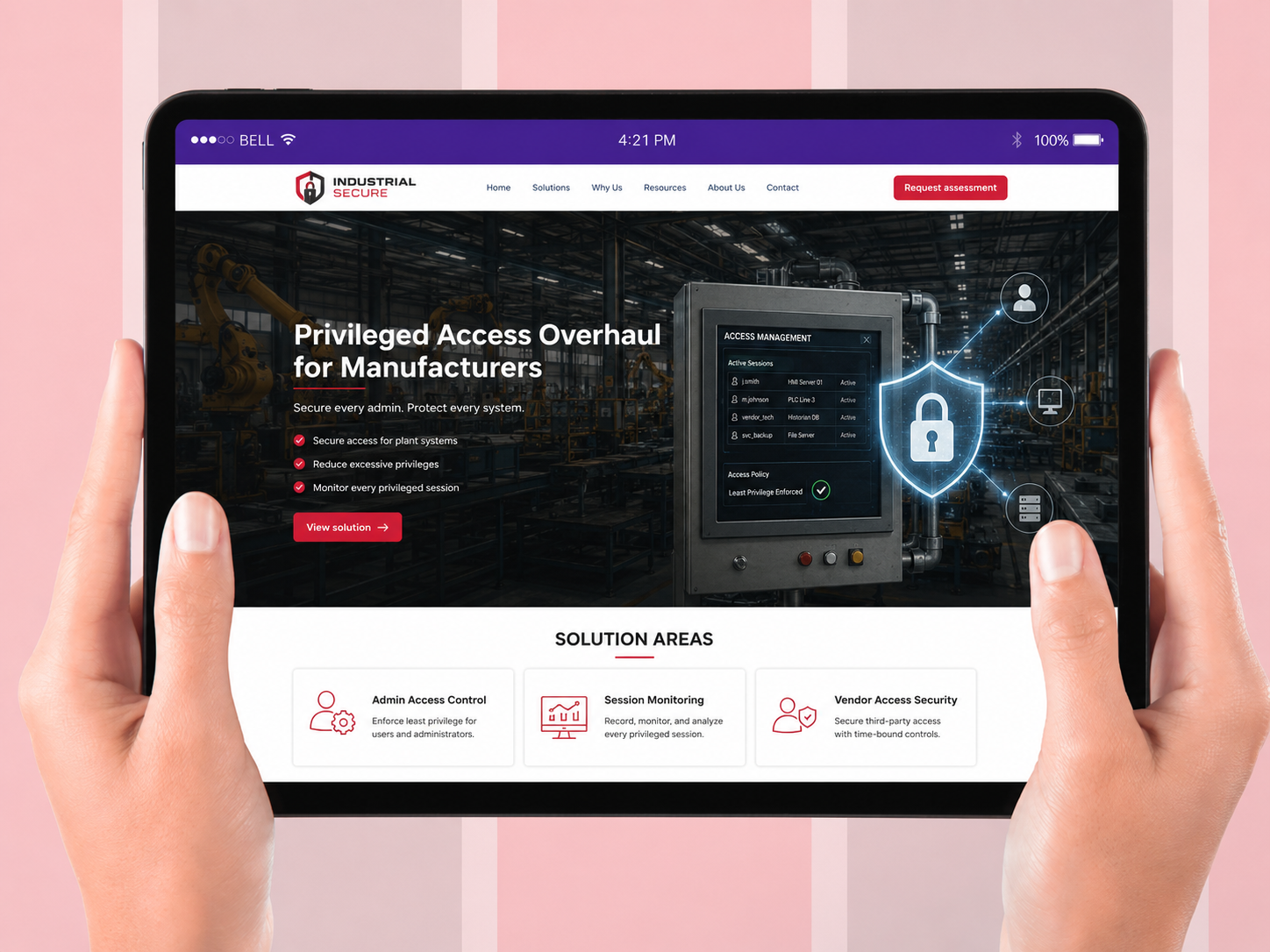
Cut standing privileged access 90% across a manufacturer's IT and OT estate.

Passwordless identity cut account-takeover 22% and sign-in friction at a wealth platform.

Reached validated Annex 11 compliance for a pharma manufacturer in 12 weeks.
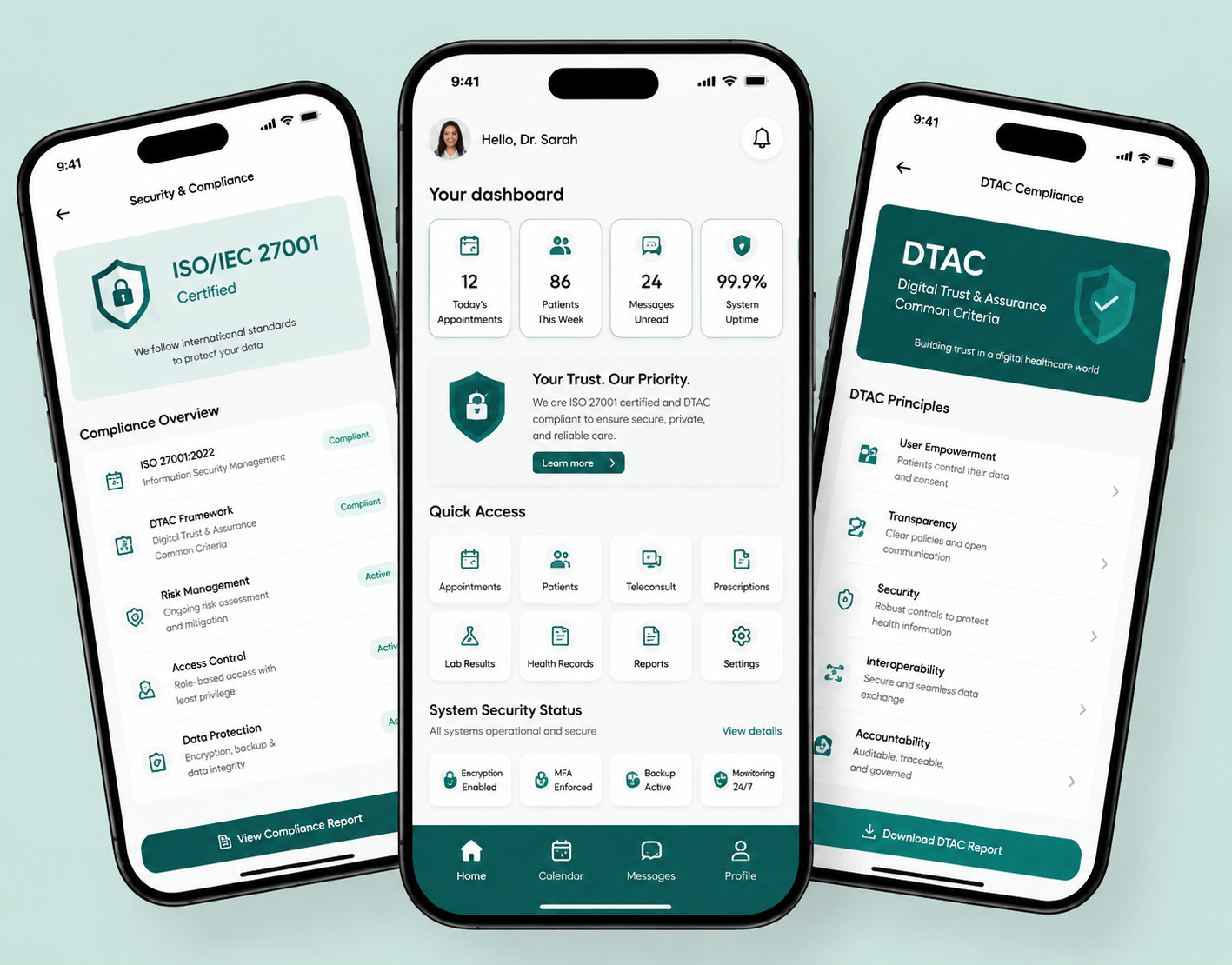
Achieved ISO 27001 and NHS DTAC assurance at first assessment for a telemedicine platform.
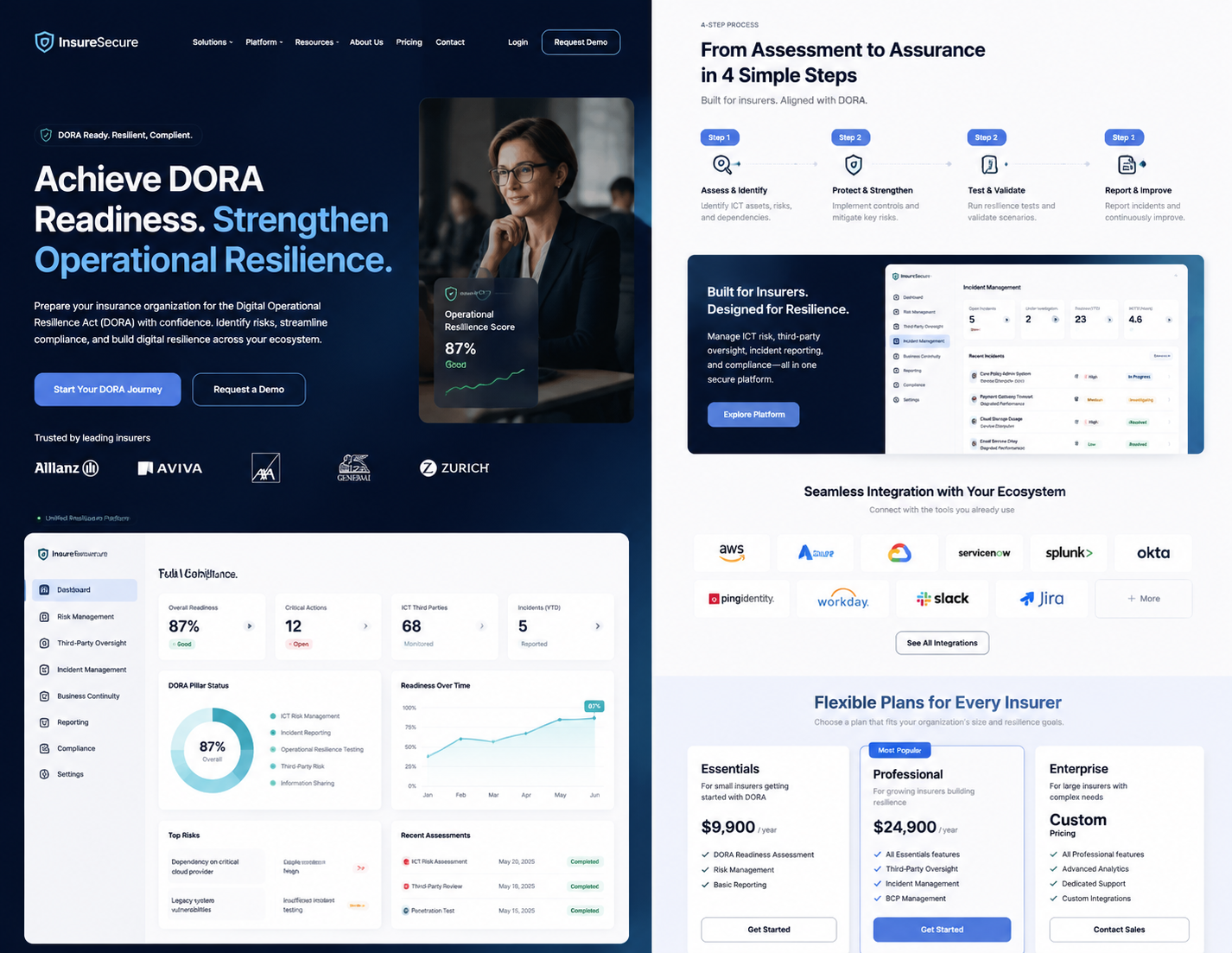
Reached DORA operational-resilience readiness in 11 weeks for an insurer.
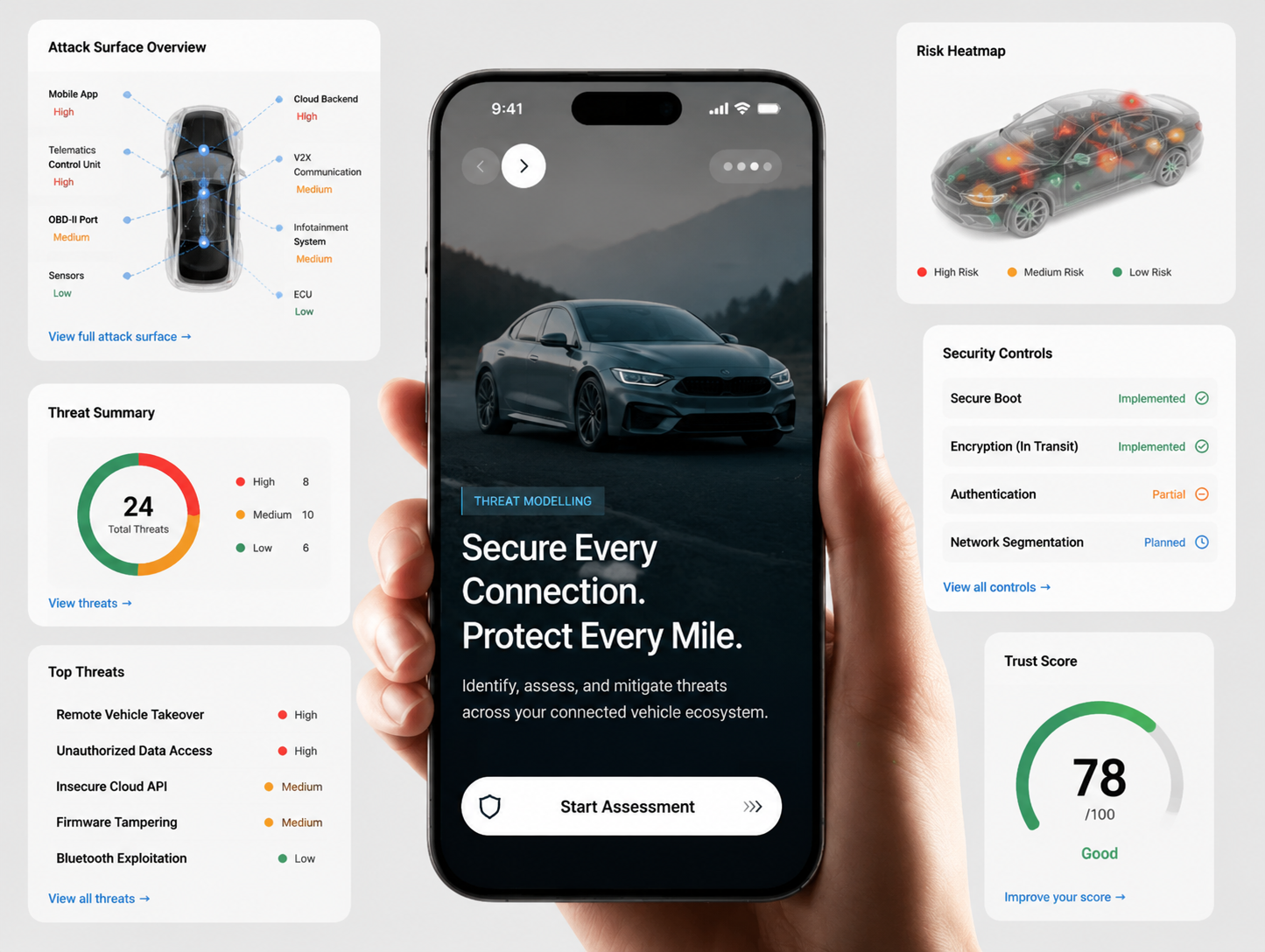
Mapped and mitigated attack paths for a UNECE R155-regulated connected vehicle.
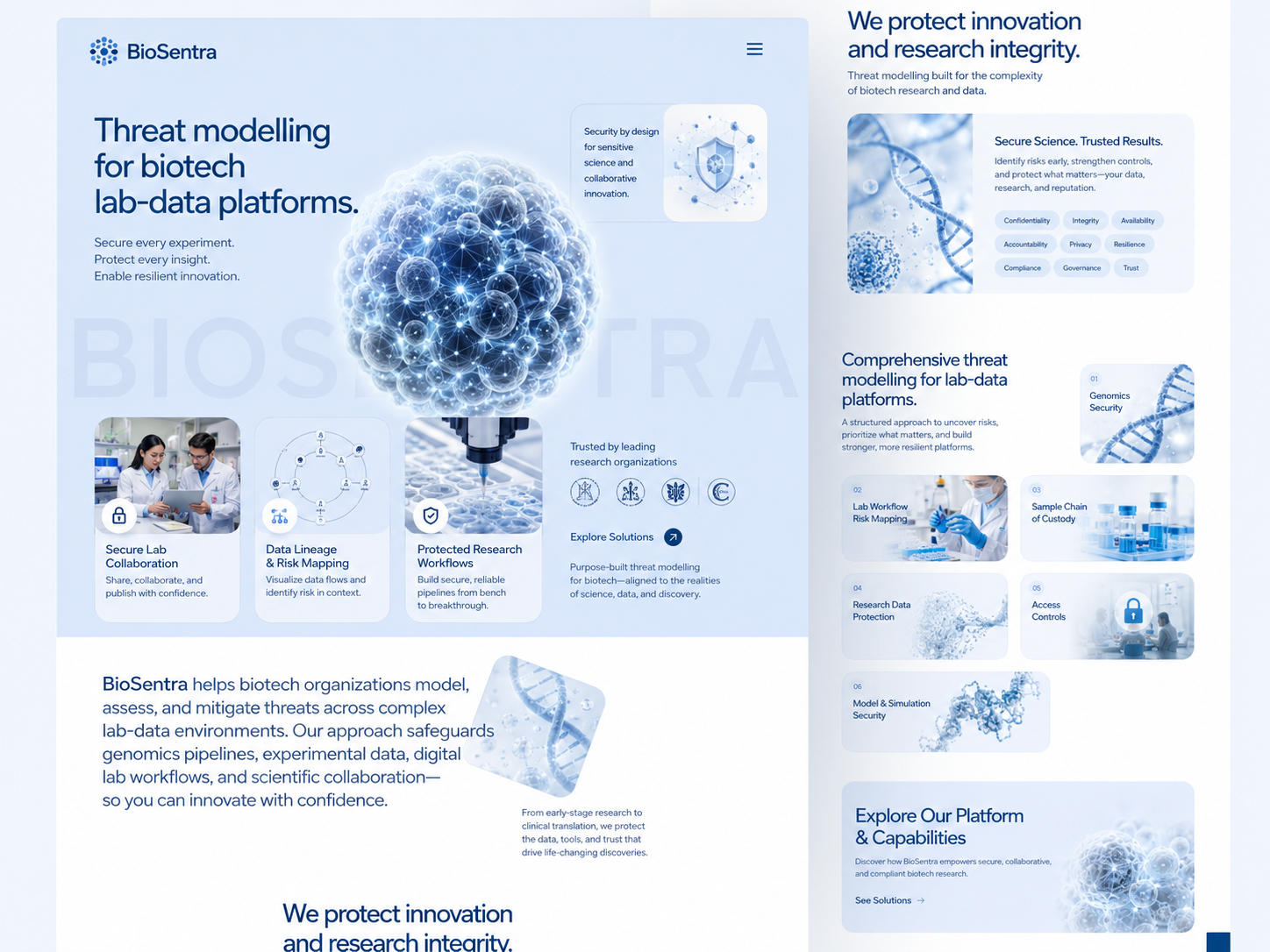
Identified nine design-level risks in a biotech's lab-data platform before build.
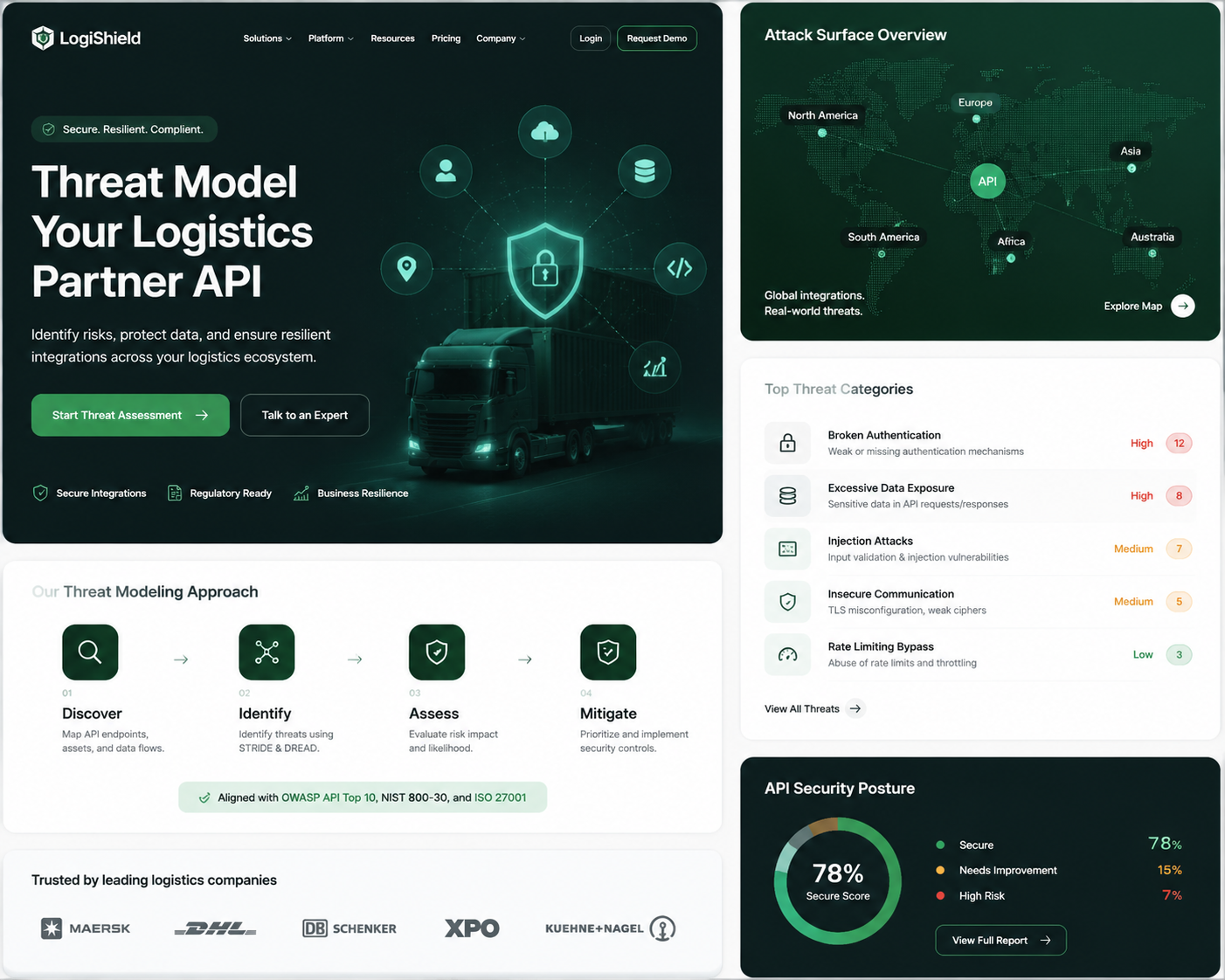
Hardened a logistics partner API against abuse before third-party onboarding.
BritonOne Technology is a full-cycle engineering company that builds and operates production software for regulated estates. Since 2017, we have shipped programmes that clear audit on the first pass across banking, insurance, wealth, healthcare, and biotech. Our teams pair deep domain knowledge with disciplined engineering, treating compliance, security, and resilience as first-class deliverables. From architecture through to live operations, we stay accountable for the systems we build, measuring success by uptime, audit outcomes, and defensible business results.
We don't compete on lowest day-rate. We compete on shipped outcomes inside environments that have to clear audit.

Every engineer on every engagement is at least senior, typically eight to fifteen years deep in their craft. No bench rotations, no junior pyramid hidden behind a glossy proposal, no bait-and-switch after contract signature. The architect who scoped your engagement is the same person committing code by week three.

FCA, PRA, EBA, BaFin, FINMA, HIPAA, SOC 2 Type II: every framework we work under is treated as a design constraint from day one, not a final-stage gate. Evidence trails, model-risk packs, change-control artefacts, and pen-test reports ship alongside the code, ready for second-line review without a remediation sprint.

Small pods of three to seven engineers, each with a named delivery lead who owns scope, schedule, and outcomes from kickoff to hand-off, never a faceless team you have to chase for an answer. Weekly demos run against the signed scope, frequent verification gates catch regressions early, and quarterly outcome reviews measure real progress against the original business case rather than a moving target. Together those rituals catch scope drift before it has any chance to compound, so programmes that should take six months don't quietly stretch into eighteen, budgets stay anchored to what was agreed, and every milestone ships with a written, testable definition of done that both sides sign off before we move on.

We don't disappear the moment the engagement closes. Managed services, hypercare windows, named on-call rotations, or quarterly health checks: pick the depth that matches your operational risk profile. About seventy percent of clients return for a second programme, usually because the team that shipped the first one is still on the other end of the page.
Anonymous under MNDA. Each quote is from a senior buyer who owned the engagement end to end across the services catalogue.
“BritonOne Technology replaced two of our incumbent vendors with one team. Faster sprints, fewer status meetings, more code shipped per week.”