
Single-Purpose Agents
Focused agents that plan, call tools, and complete a defined task, with observability and replay baked in from day one.
Multi-step autonomous agents with tool use, planning, and policy guardrails, engineered for regulated estates and shipped with a human-in-the-loop pattern that clears audit.

Pick a single capability or compose them into a full programme. Every engagement is architect-led and runs through the same eval / governance gates.
Focused agents that plan, call tools, and complete a defined task, with observability and replay baked in from day one.
Coordinated agent teams (planner, executor, critic) orchestrated under a single governance plane.
Typed tool schemas, deterministic routing, and per-call policy checks against your existing systems.
Evaluation, observability, policy, and audit across every agent, tool, and workflow.
ReAct, ToT, and bespoke planners, picked to match the task shape and budget, not the trend cycle.
Long-running agentic workflows with checkpointing, retries, and a human-in-the-loop escape hatch.
Allow-lists, scope policies, and structured-output validation, the safety net under every agent action.
Agents are deceptively easy to prototype and famously hard to operate. These are the surrounding capabilities that make an agent production-grade.
ReAct, ToT, and graph-based planners with budgeted lookahead, not chain-of-thought slop in a loop.
JSON-schema tool contracts, deterministic dispatch, retry / fallback policy on every call.
Scope policies, allow-lists, prompt-injection defence, and structured-output validation by default.
Durable execution, checkpointing, and scoped memory: agents survive restarts, deploys, and audit replay.
Selected programmes from the last 24 months, anonymised where required, specific where it matters.

An agent that pulls policy, runs suitability checks, and drafts compliant client comms, with every tool call logged for audit.

Multi-agent triage that pulls policy, validates loss documents, and routes to the right adjuster automatically.

An agent that drafts and submits prior-auth requests, attaching the right clinical evidence per payer rule.

Generates portfolio-level research summaries with full lineage. Cleared MiFID II review on first pass.

Drafts amendments, validates against a clause library, and routes to the right partner for sign-off.

An agent that monitors stock signals, drafts replenishment orders, and pings ops only when policy demands a human.
Every engagement walks the same path, sized to your problem, but with the same verification gates baked in.

Two-week paid sprint. Architect-led. Output: regulator map, costed roadmap, signed scope.

Pod composition, sequenced milestones, change-control governance, and risk register.

Reference architecture, threat model, design system, and acceptance criteria locked.

Weekly demos, trunk-based, CI/CD from day one. Code reviewed against spec at every gate.

Unit, integration, e2e, security, performance, and accessibility, automated and gated.

Blue-green or canary, observability live before launch, rollback rehearsed.

Managed services or hypercare hand-off. Defined SLOs, named on-call, monthly reviews.
Success stories
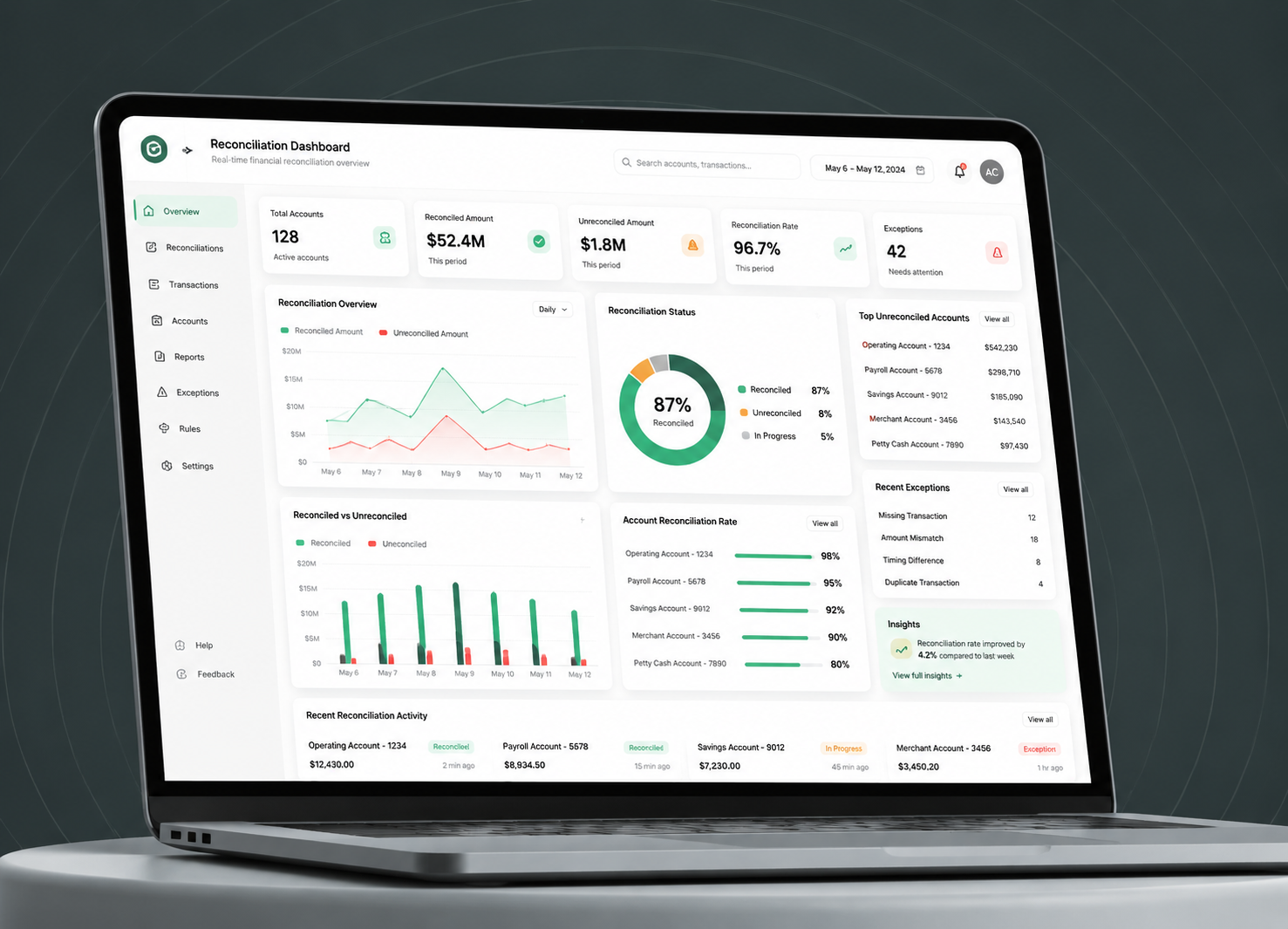
Resolved 89% of reconciliation breaks without a human, every action logged for audit.

Cut median incident remediation from 41 to 7 minutes across a manufacturer's OT platform, with a human approval gate on every action.
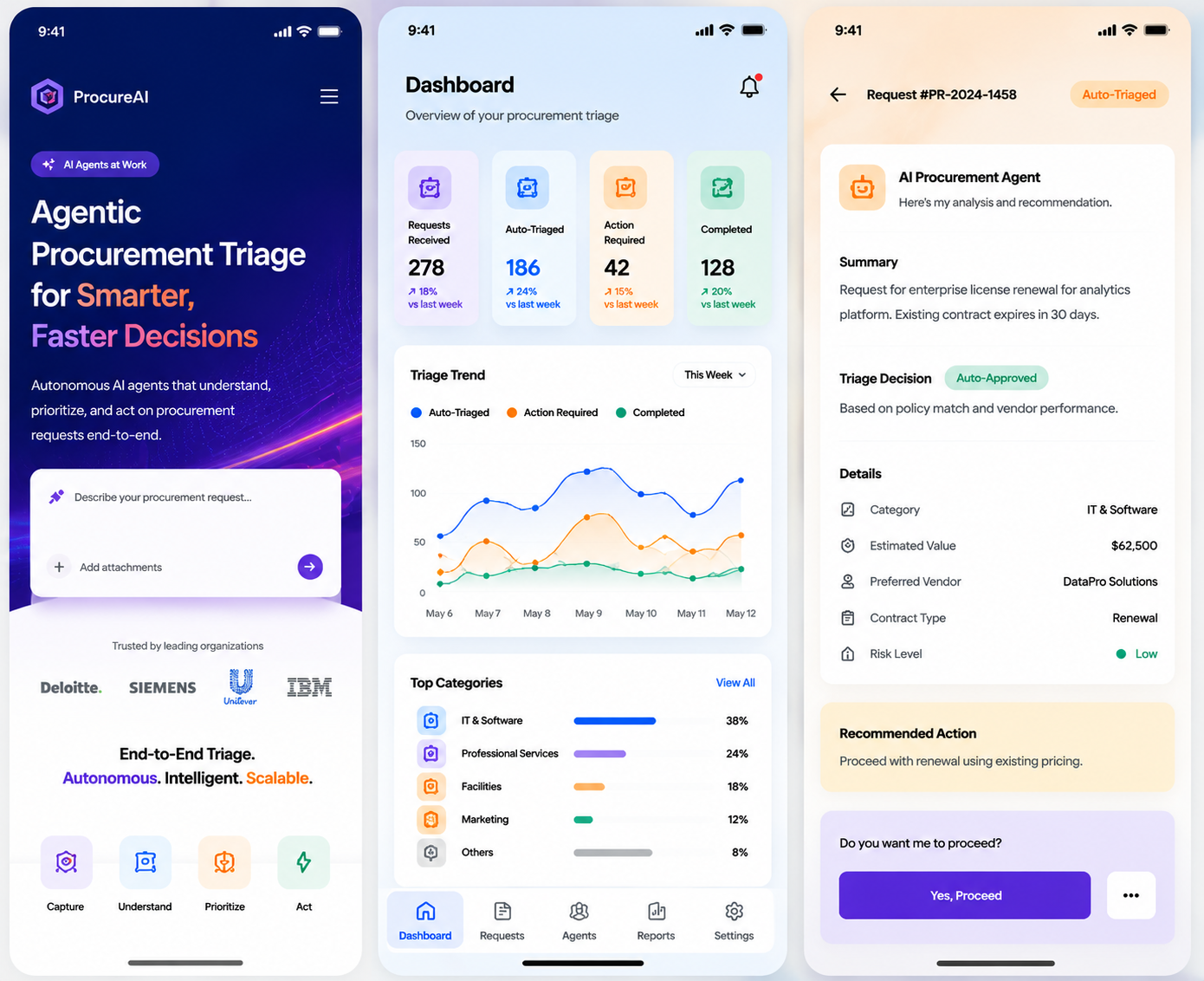
Routed and matched 73% of purchase requests end to end, escalating only genuine exceptions.
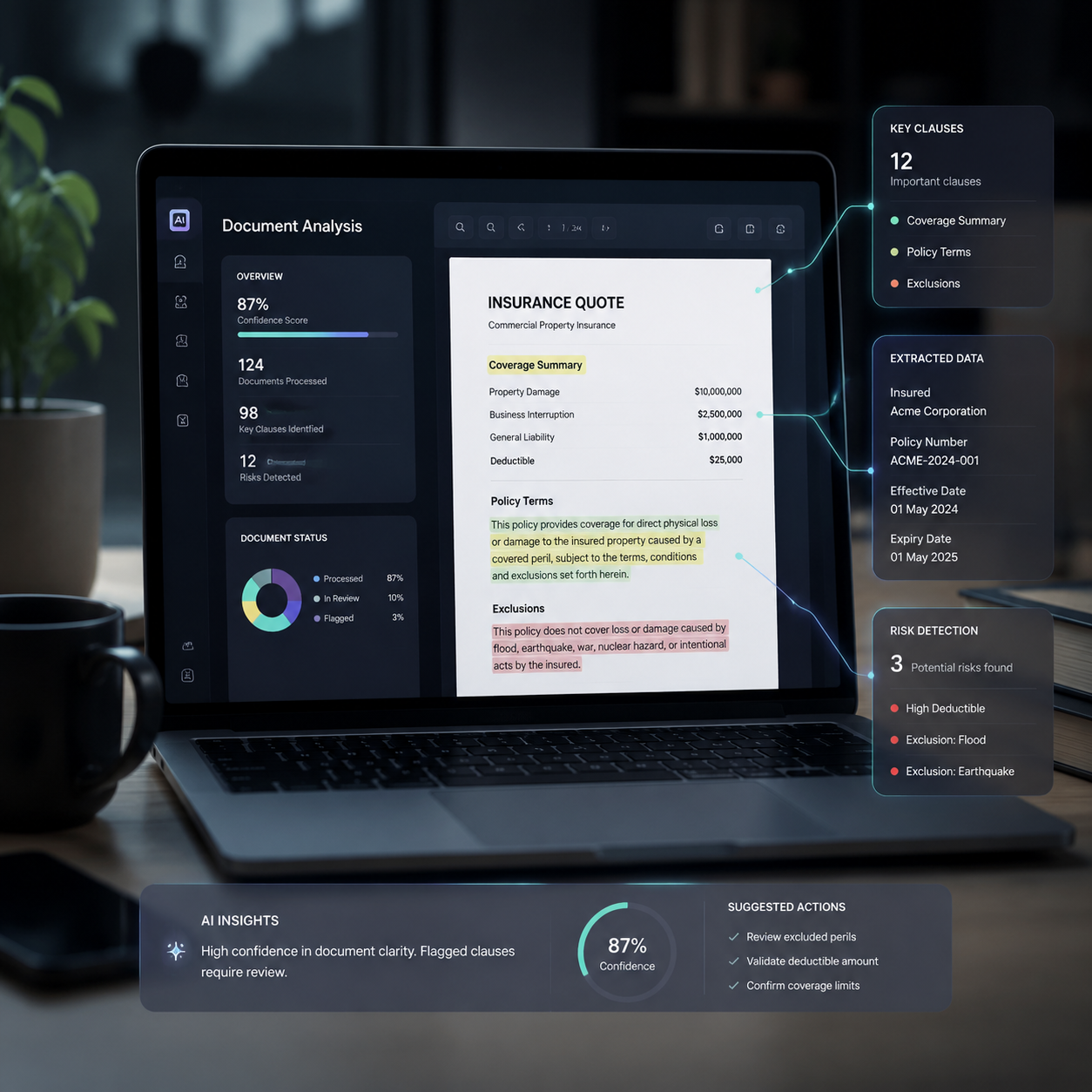
Drafted first-pass quotes from submission packs 3.1x faster, every clause cited back to the wording it came from.
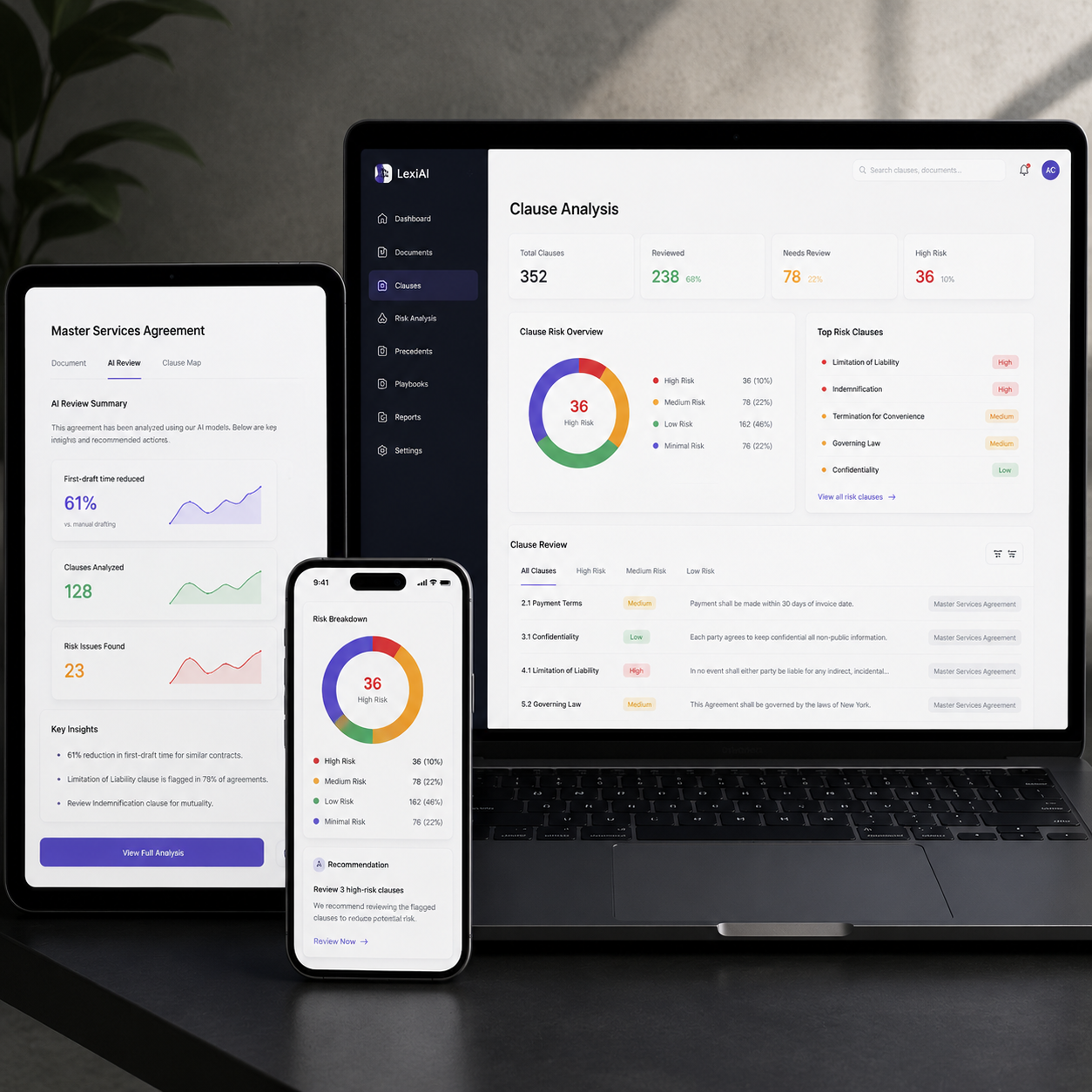
Cut first-draft time on regulated commercial contracts by 61%, each clause traceable to firm precedent.
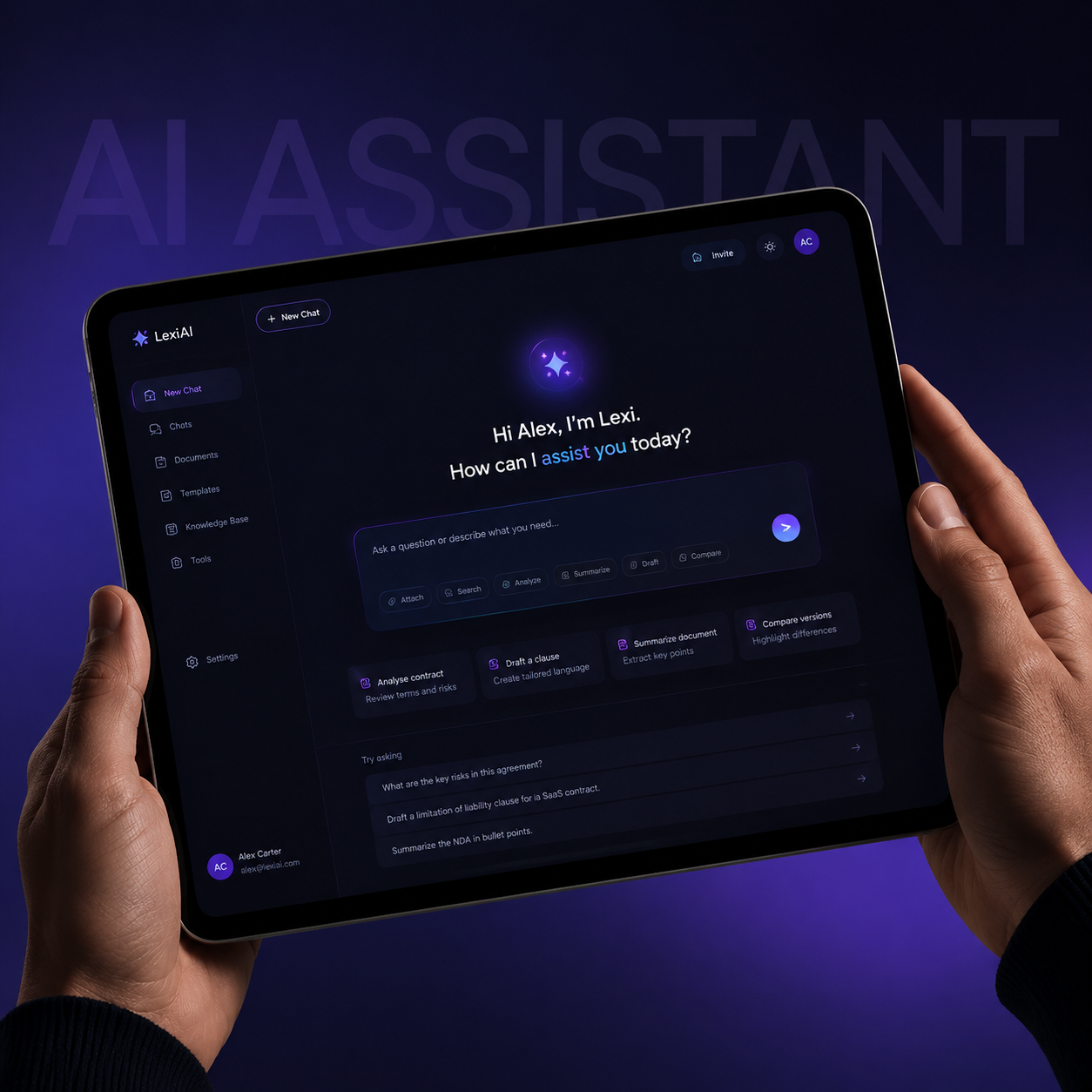
Cut average handle time 44% across 2,600 agents, with answers grounded in approved policy only.
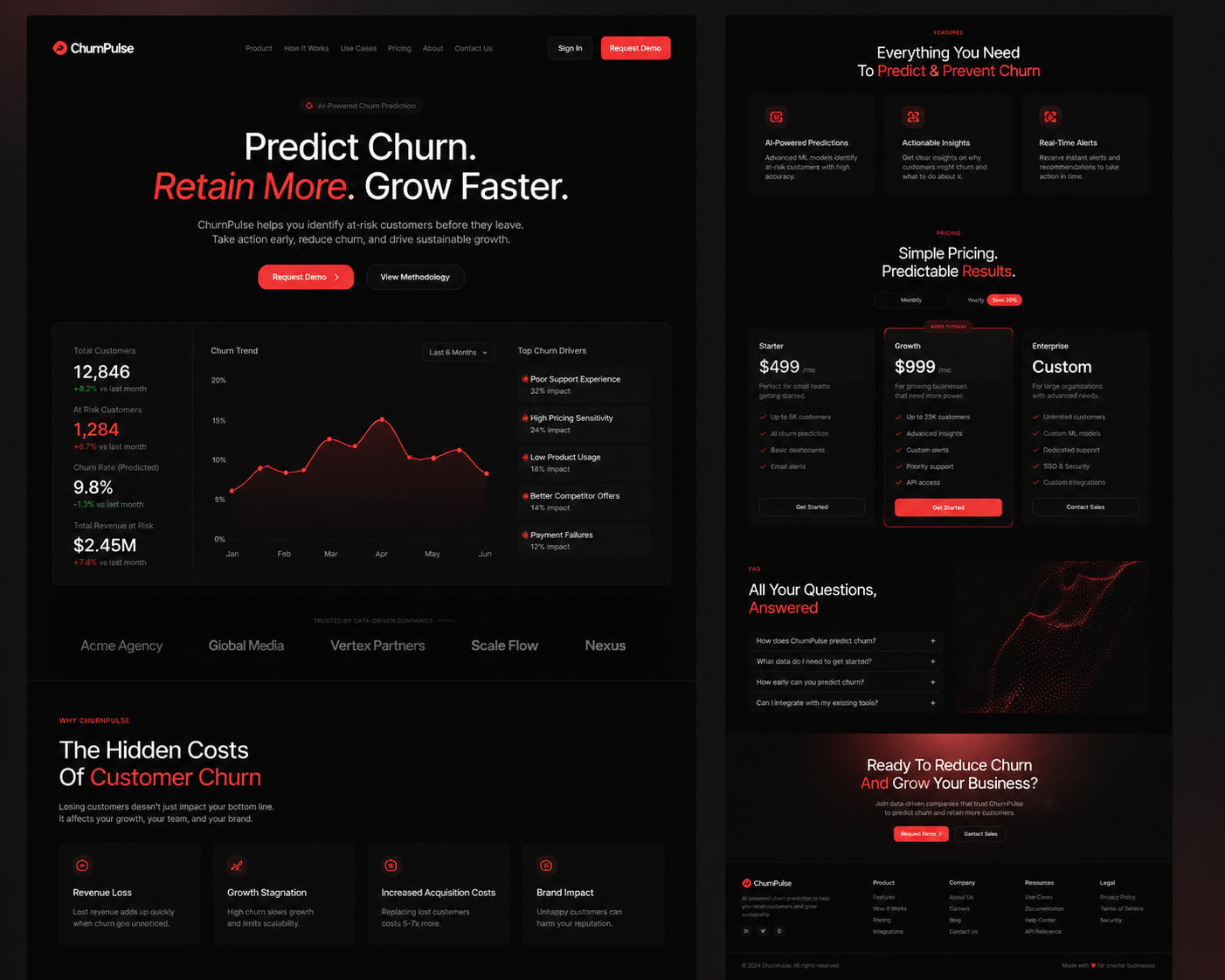
Cut voluntary churn 18% in two quarters with next-best-action scoring for a meal-subscription platform.
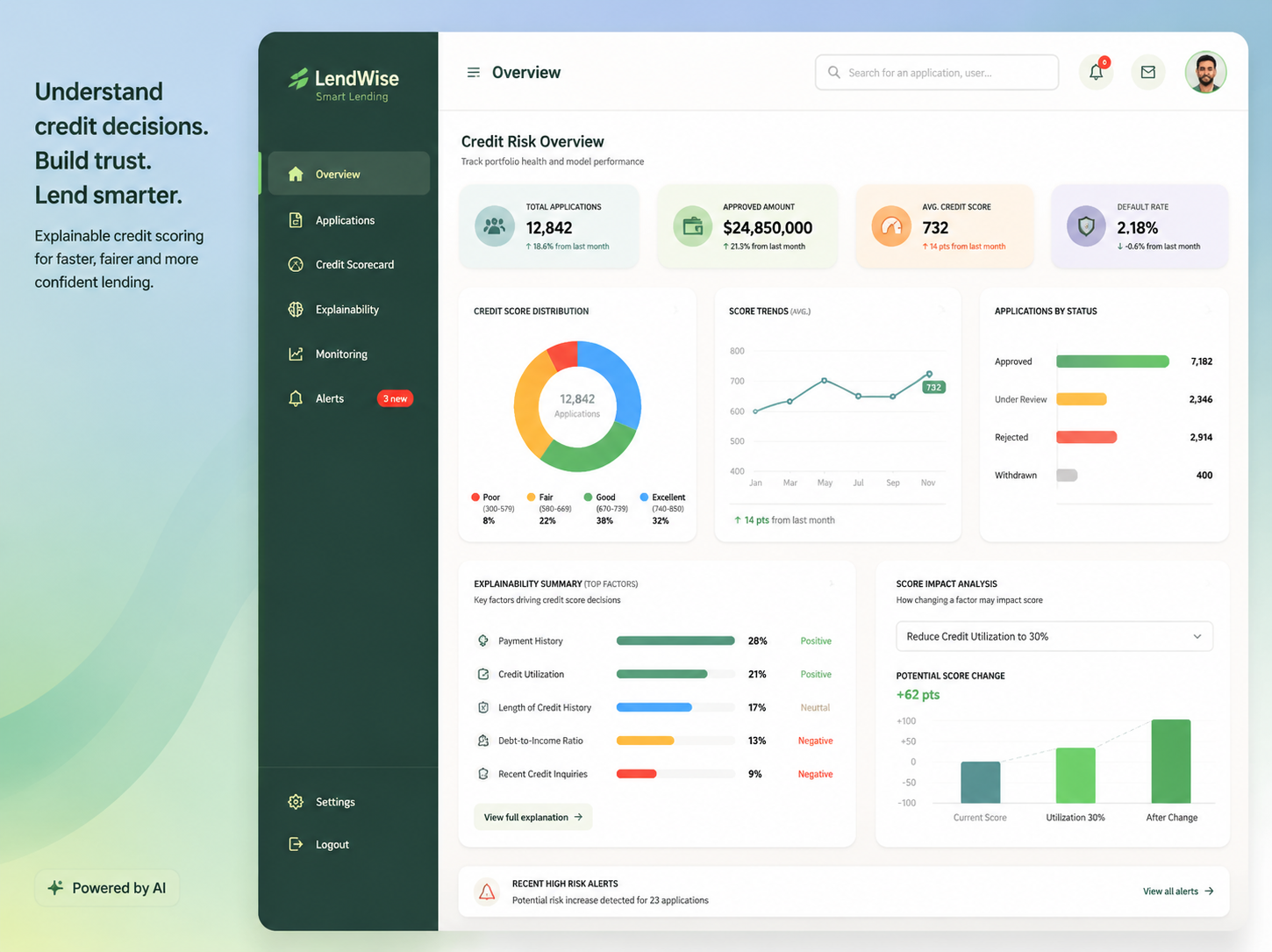
Lifted approval rates 31% at constant loss, every decision reason-coded for the FCA.

Cut waste 22% across 900 stores with SKU-level probabilistic forecasts.
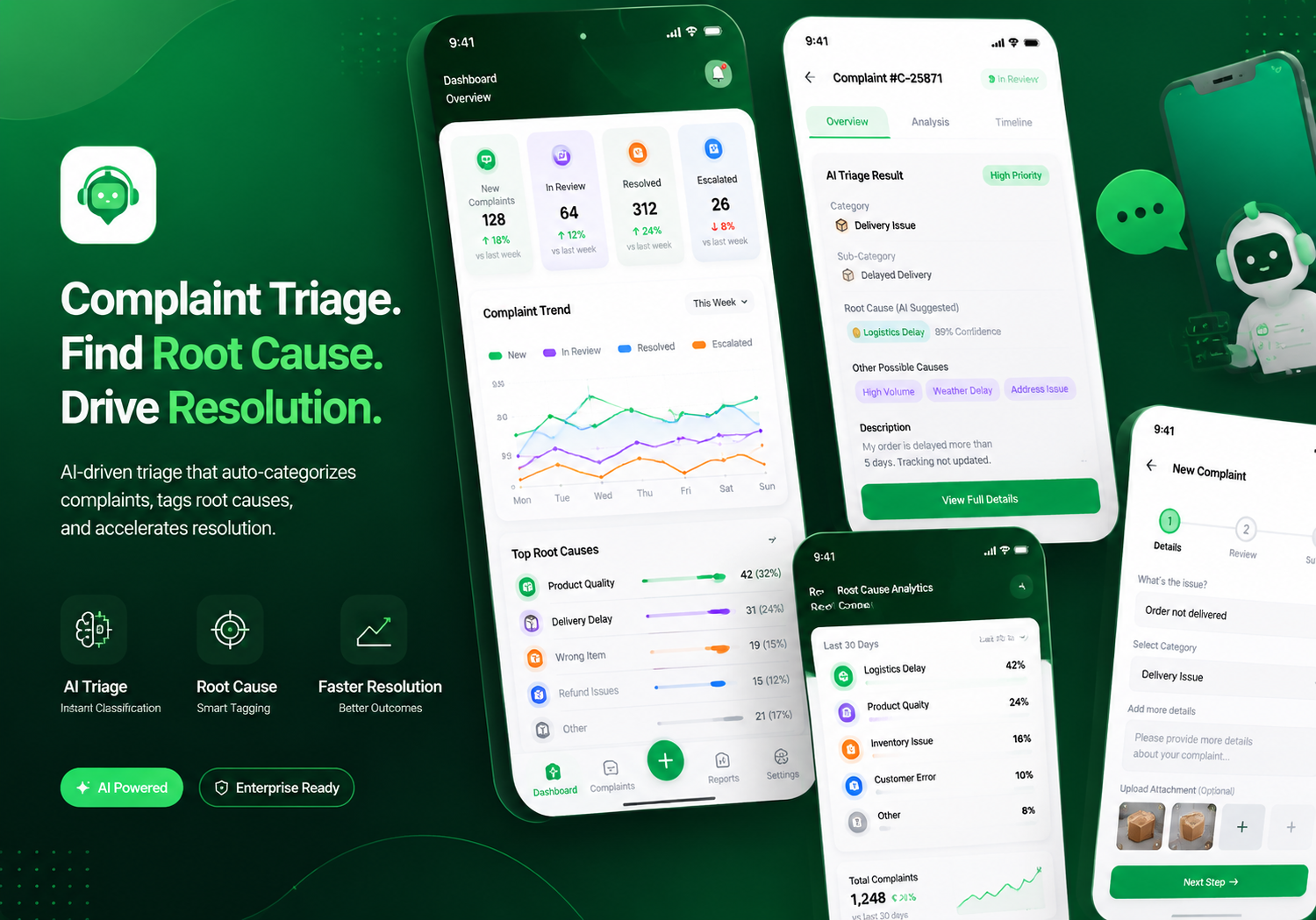
Auto-classified 58% of citizen complaints to root cause, feeding the department's reporting directly.
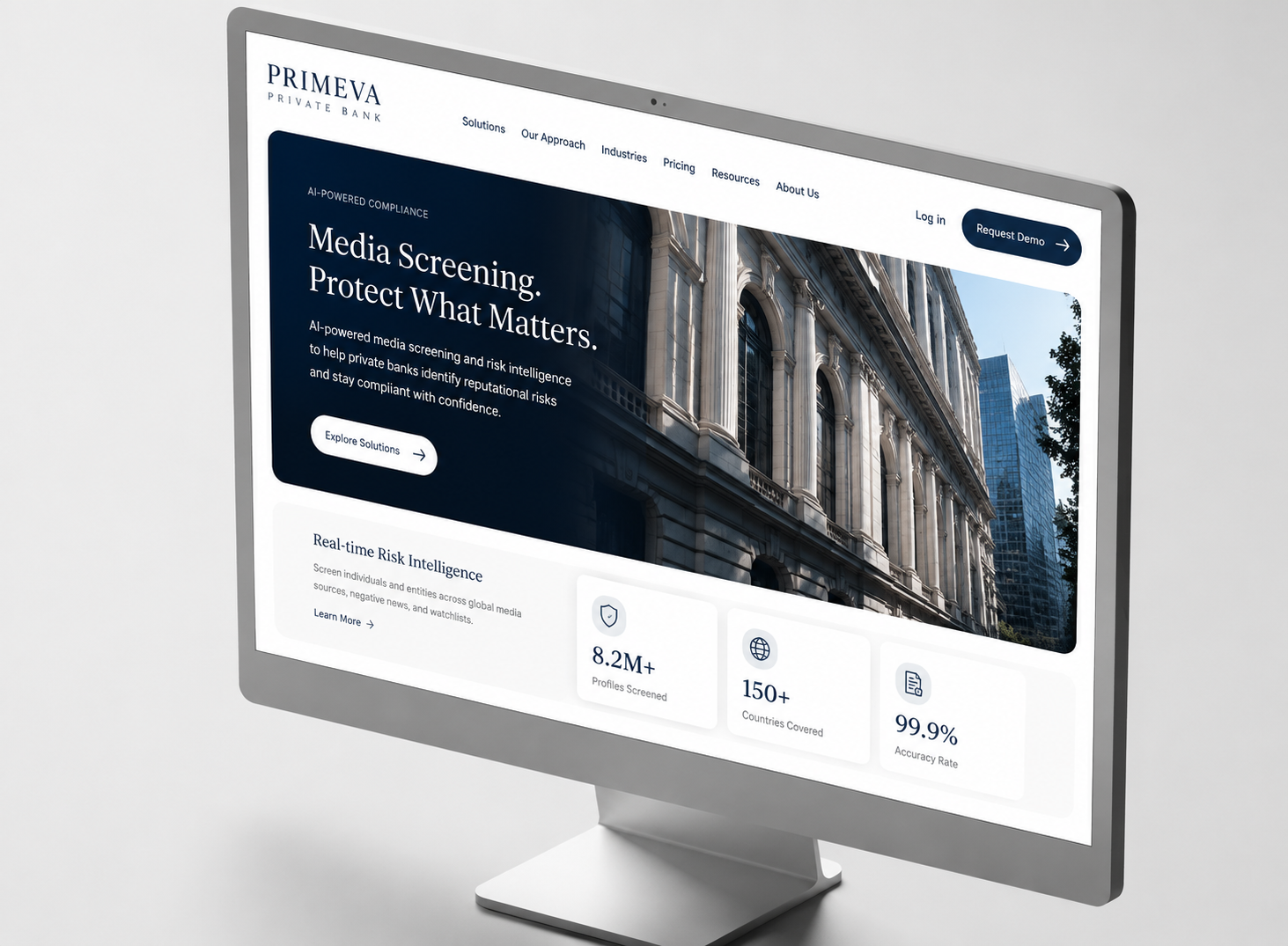
Screened 12x more names at a lower false-positive rate, each hit evidenced.
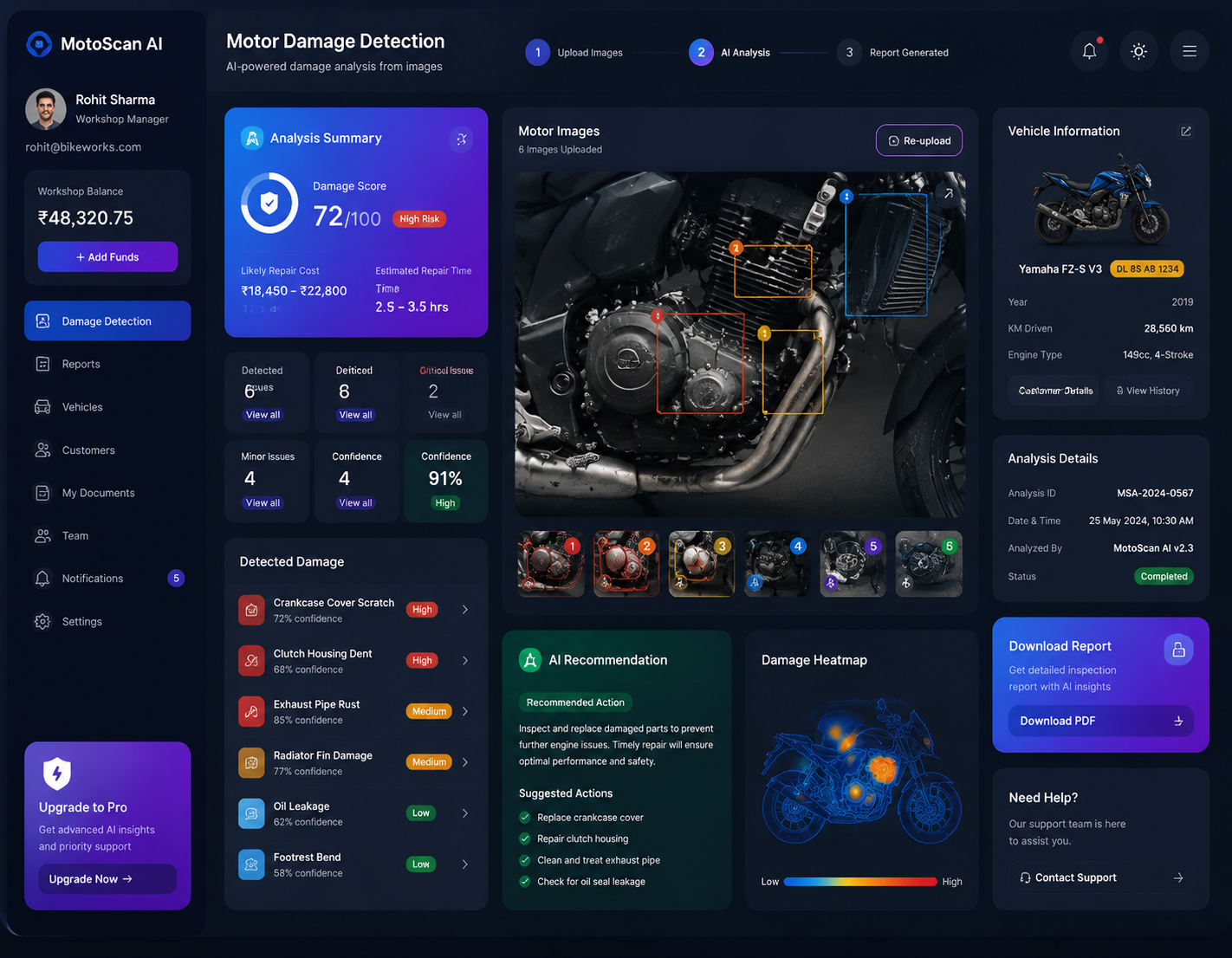
Settled 47% of motor claims from images alone, with fraud flags surfaced inline.
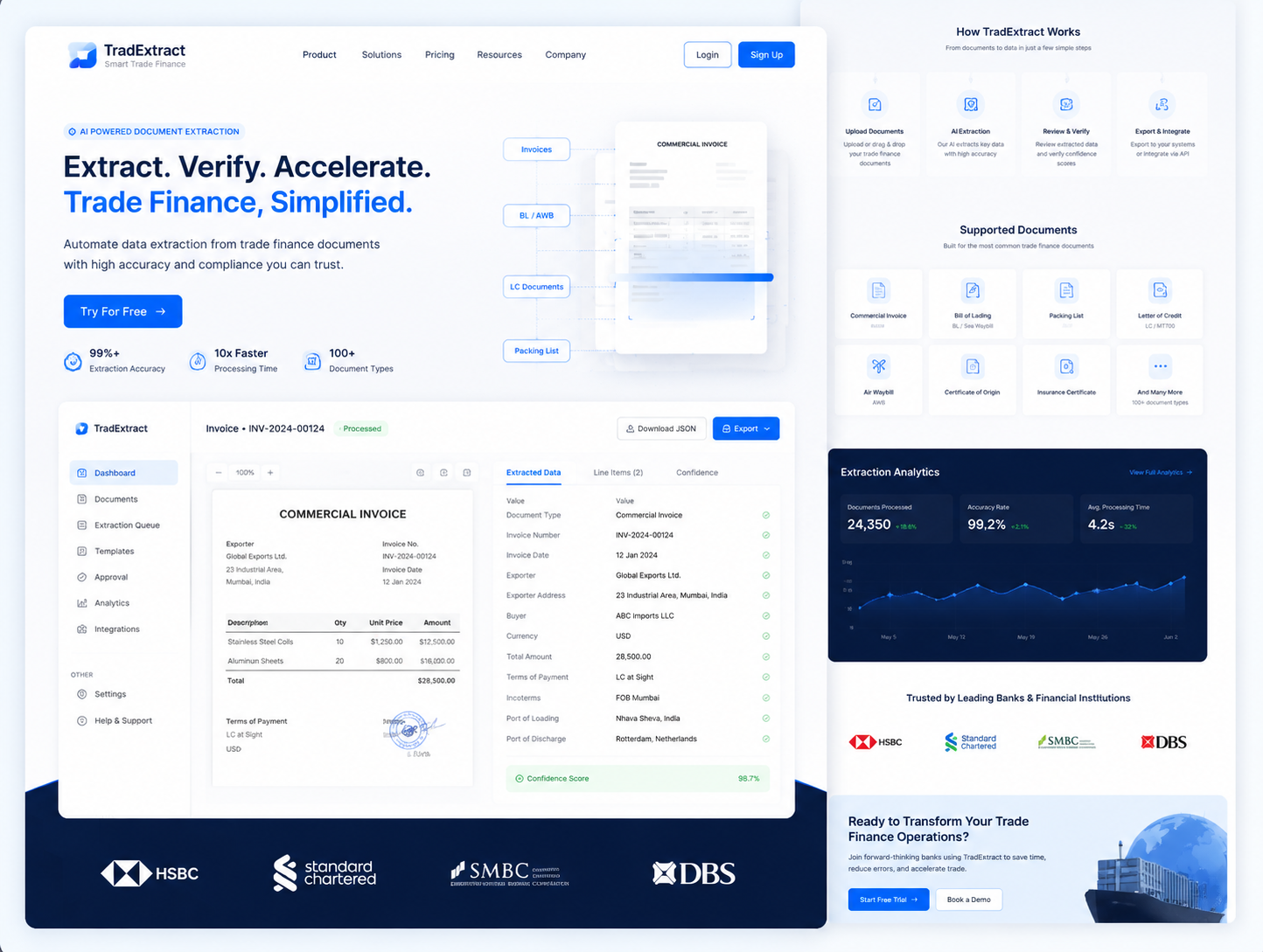
Achieved 94% straight-through extraction on bills of lading and customs paperwork for a logistics operator.
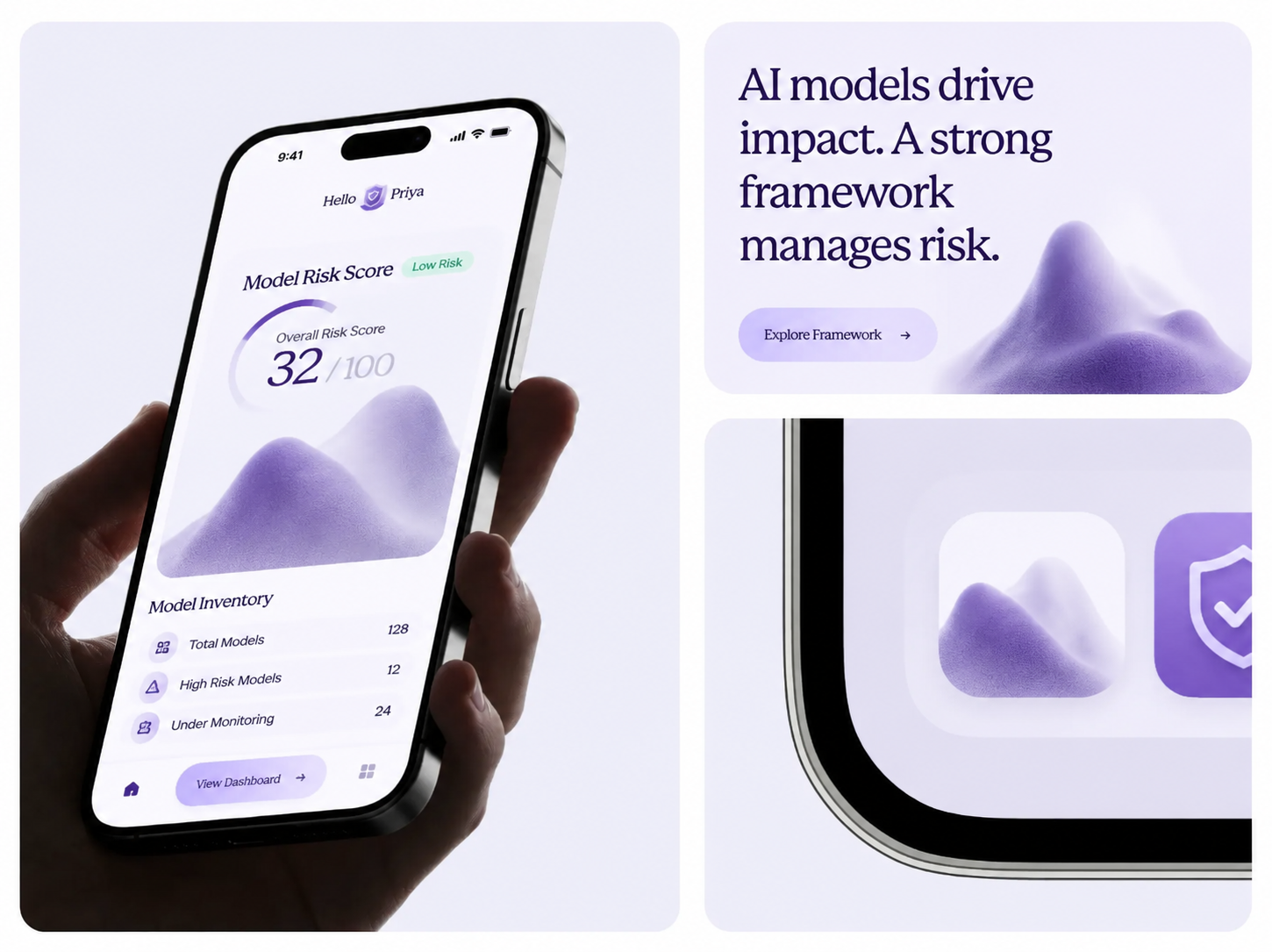
Stood up a board-ready AI governance and model-risk framework for a pharma company in 9 weeks, cleared at first internal audit.
Mapped a £14M annual benefit pipeline across 40 use cases, sequenced by risk.
BritonOne Technology is a full-cycle engineering company that builds and operates production software for regulated estates. Since 2017, we have shipped programmes that clear audit on the first pass across banking, insurance, wealth, healthcare, and biotech. Our teams pair deep domain knowledge with disciplined engineering, treating compliance, security, and resilience as first-class deliverables. From architecture through to live operations, we stay accountable for the systems we build, measuring success by uptime, audit outcomes, and defensible business results.
We don't compete on lowest day-rate. We compete on shipped outcomes inside environments that have to clear audit.

Every engineer on every engagement is at least senior, typically eight to fifteen years deep in their craft. No bench rotations, no junior pyramid hidden behind a glossy proposal, no bait-and-switch after contract signature. The architect who scoped your engagement is the same person committing code by week three.

FCA, PRA, EBA, BaFin, FINMA, HIPAA, SOC 2 Type II: every framework we work under is treated as a design constraint from day one, not a final-stage gate. Evidence trails, model-risk packs, change-control artefacts, and pen-test reports ship alongside the code, ready for second-line review without a remediation sprint.

Small pods of three to seven engineers, each with a named delivery lead who owns scope, schedule, and outcomes from kickoff to hand-off, never a faceless team you have to chase for an answer. Weekly demos run against the signed scope, frequent verification gates catch regressions early, and quarterly outcome reviews measure real progress against the original business case rather than a moving target. Together those rituals catch scope drift before it has any chance to compound, so programmes that should take six months don't quietly stretch into eighteen, budgets stay anchored to what was agreed, and every milestone ships with a written, testable definition of done that both sides sign off before we move on.

We don't disappear the moment the engagement closes. Managed services, hypercare windows, named on-call rotations, or quarterly health checks: pick the depth that matches your operational risk profile. About seventy percent of clients return for a second programme, usually because the team that shipped the first one is still on the other end of the page.
Anonymous under MNDA. Each quote is from a senior buyer who owned the engagement end to end across the services catalogue.
“BritonOne Technology replaced two of our incumbent vendors with one team. Faster sprints, fewer status meetings, more code shipped per week.”