
GenAI opportunity assessment for an insurance group
Mapped a £14M annual benefit pipeline across 40 use cases, sequenced by risk.
£14M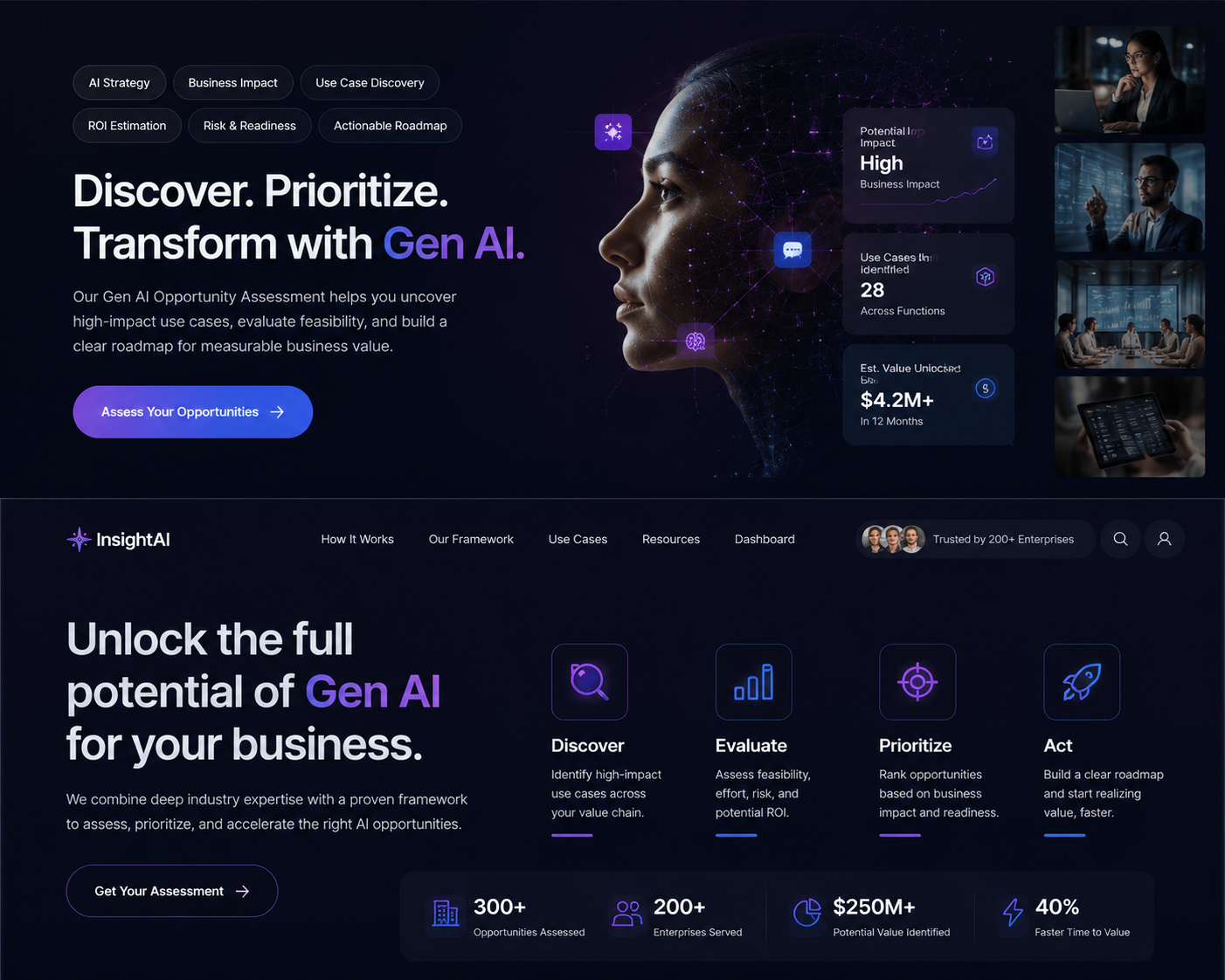
Problem, approach, and the outcome
The client is a German insurance group spanning multiple business functions, each keen to adopt GenAI but with no shared way to prioritise. Enthusiasm was high and direction was low.
The board wanted to invest, but needed a defensible, value- and risk-based basis for deciding what to fund first, not another round of disconnected pilots competing for attention.
Every function wanted GenAI, and the resulting enthusiasm produced a long list of ideas with no shared way to compare them. Ambition without a common yardstick tends to produce motion rather than progress.
Nobody could say where the value or the regulatory risk actually sat, so investment stalled and pilots multiplied without direction. Effort was being spread thin across experiments that were never scored against each other.
The board needed a defensible basis for deciding what to fund first, not another round of proofs-of-concept, but a clear-eyed view of which opportunities were genuinely worth pursuing and in what order.
We ran a structured assessment across the group, sizing each use case on value and delivery feasibility and scoring it explicitly for regulatory and conduct risk. A common scoring lens is what lets genuinely different ideas be compared fairly.
That let genuinely valuable, low-risk opportunities rise above the noise of the merely fashionable, so the board could see where the real returns were concentrated. We turned the analysis into a sequenced roadmap with dependencies and quick wins the board could actually fund.
Throughout, we worked with function leads so the priorities carried ownership rather than arriving as an outside verdict. A roadmap the business helped build is one the business will actually execute.
- £14M annual benefit pipeline identified
- 40 use cases scored on value, feasibility, and risk
- A sequenced, fundable roadmap, not a wish list
- Function leads bought into the priorities from the start
More AI & Machine Learning case studies
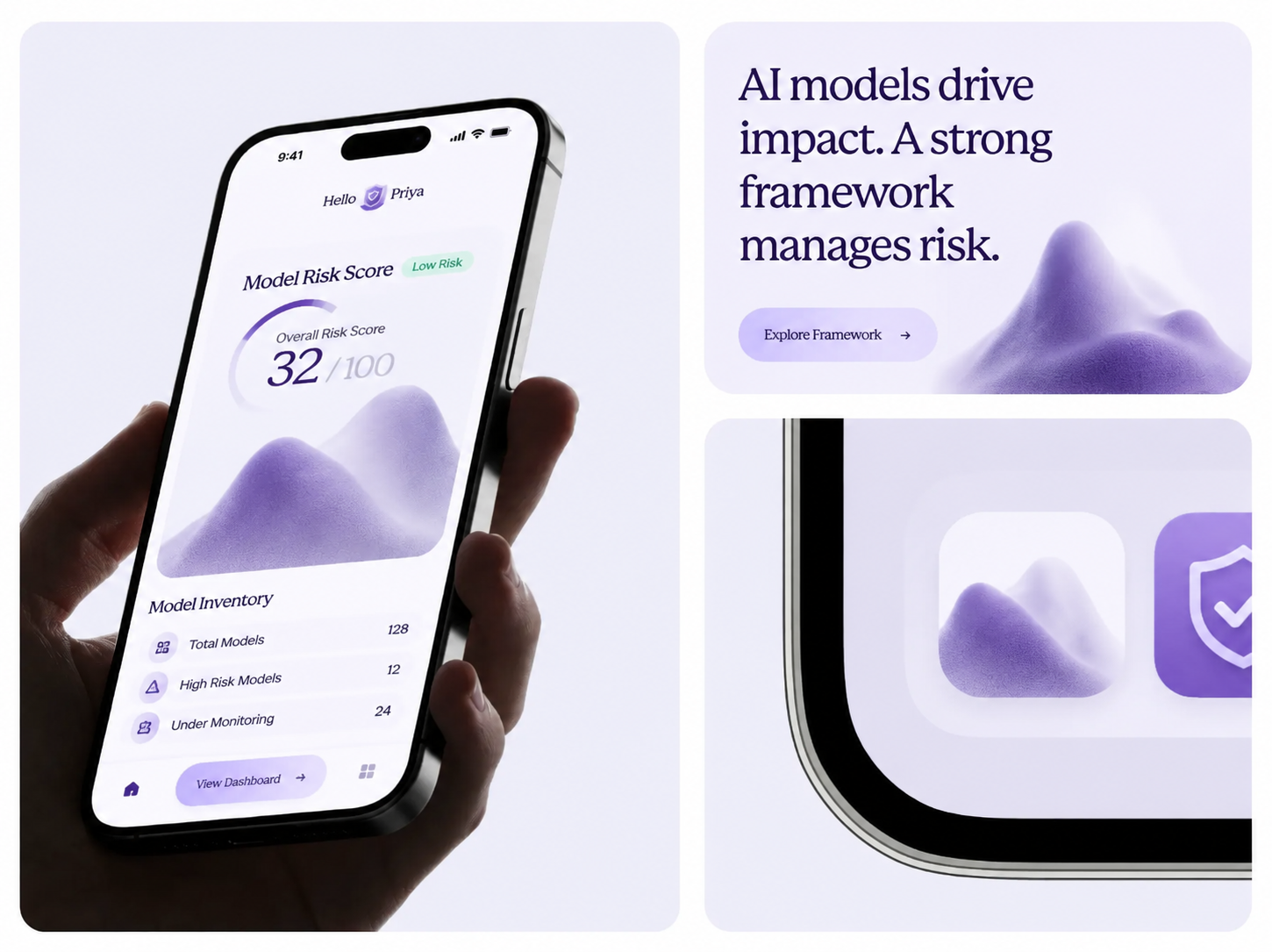
AI governance and model-risk framework for a pharma company
Stood up a board-ready AI governance and model-risk framework for a pharma company in 9 weeks, cleared at first internal audit.
Read the full case study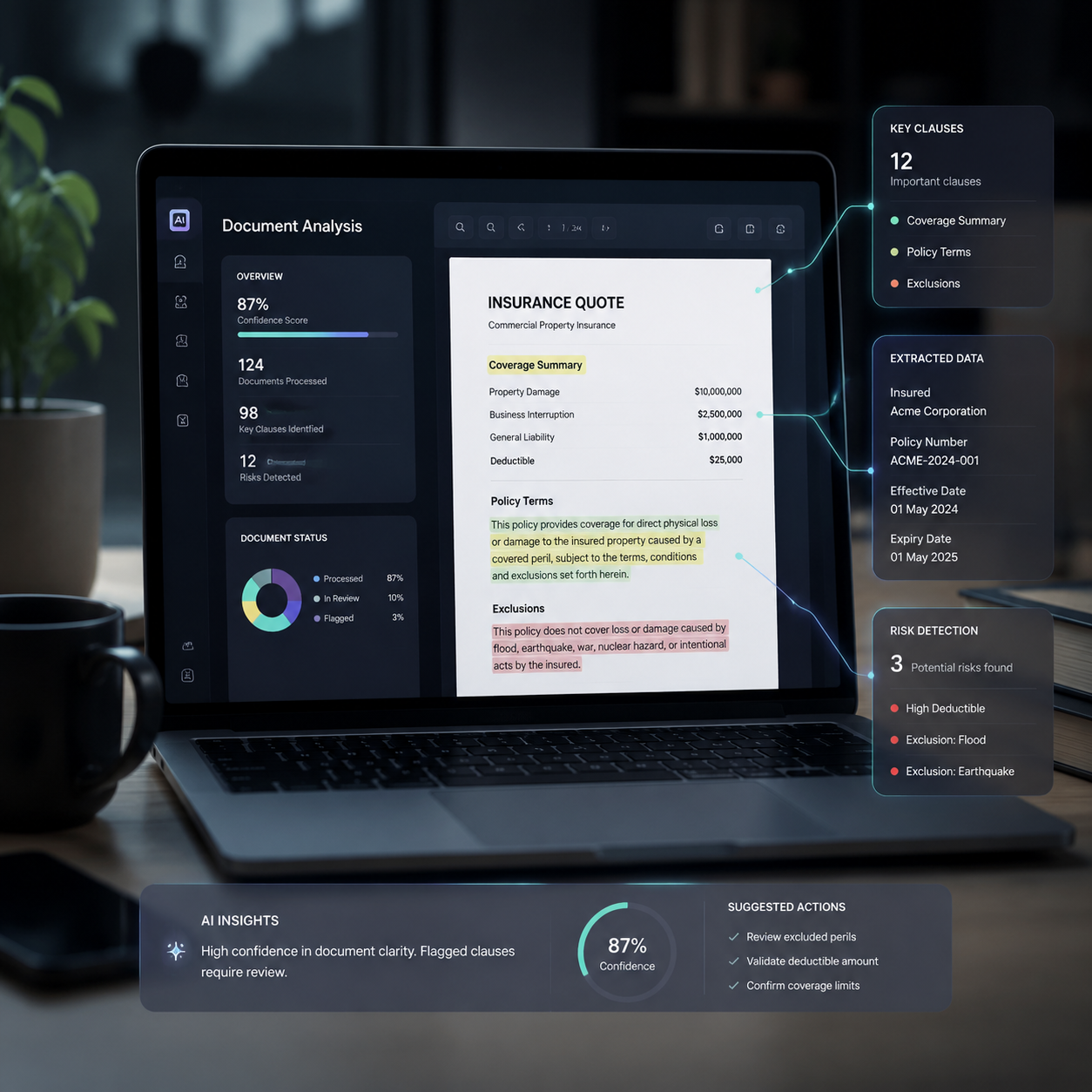
Underwriting copilot for a speciality insurer
Drafted first-pass quotes from submission packs 3.1x faster, every clause cited back to the wording it came from.
Read the full case study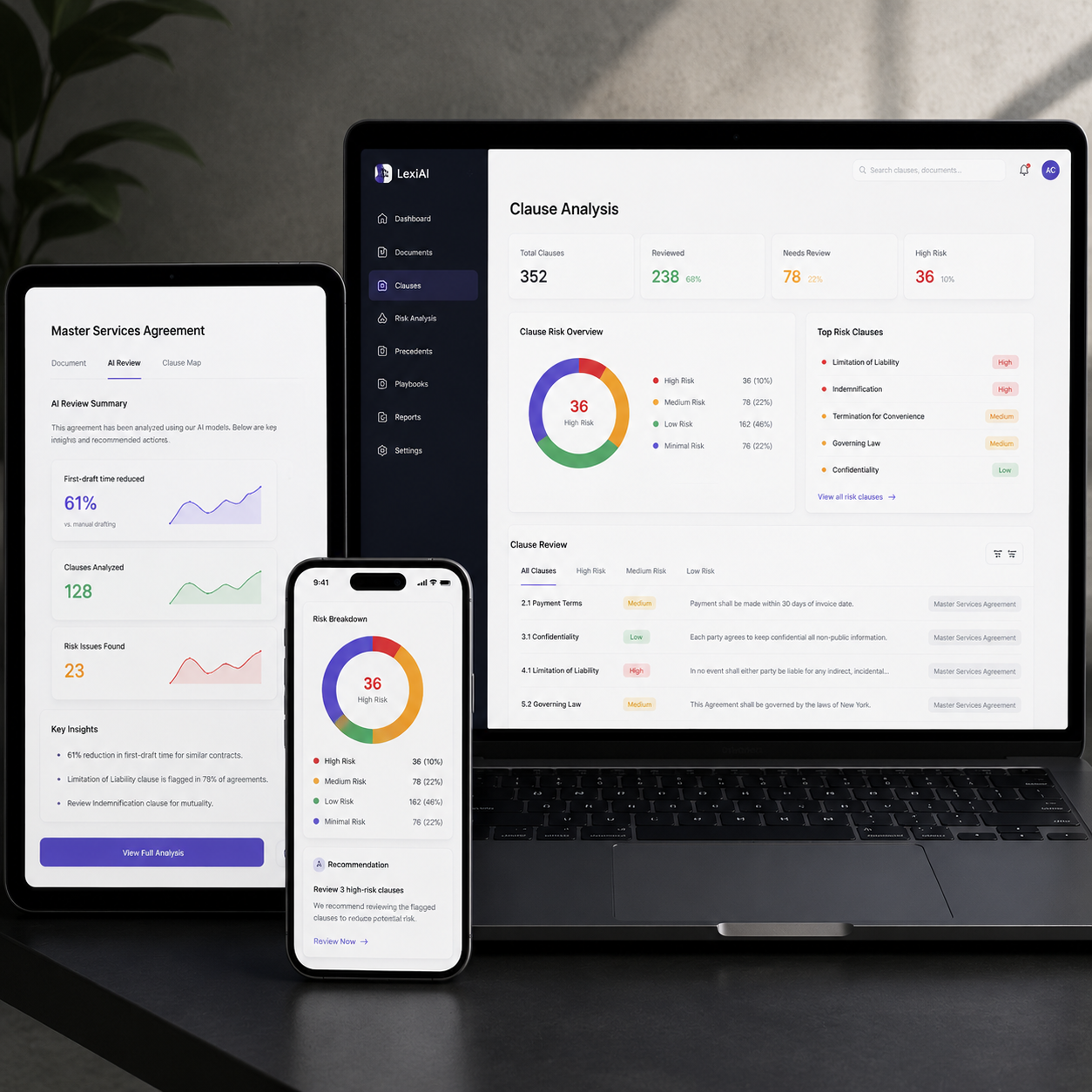
Clause-level contract drafting for a commercial law firm
Cut first-draft time on regulated commercial contracts by 61%, each clause traceable to firm precedent.
Read the full case studyGet a senior architect on the call, first time, every time.
No SDR gauntlet. 30 minutes with an engineer who can scope the problem, name the risks, and give you an honest feasibility call.