
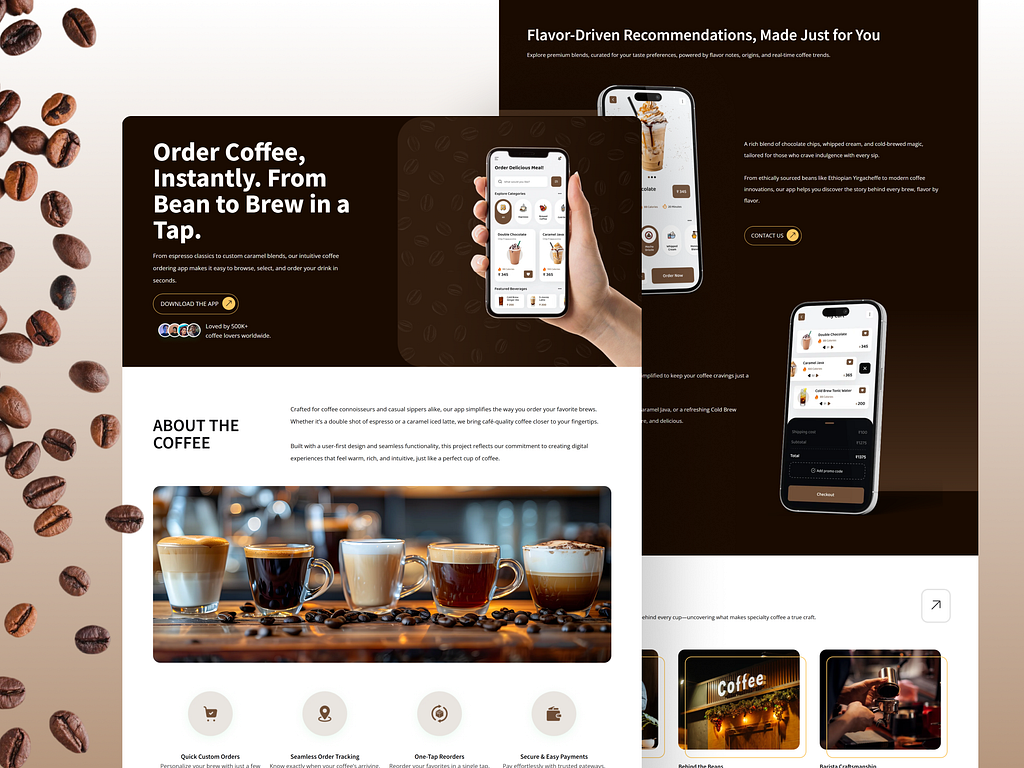
Ordering apps & storefronts
Sub-1s, locale-aware ordering apps and web storefronts, from bean-to-brew coffee flows to full menus, built to convert hungry users.
Ordering apps, kitchen ops, q-commerce, and dispatch, built by senior teams behind high-volume delivery and marketplace platforms.
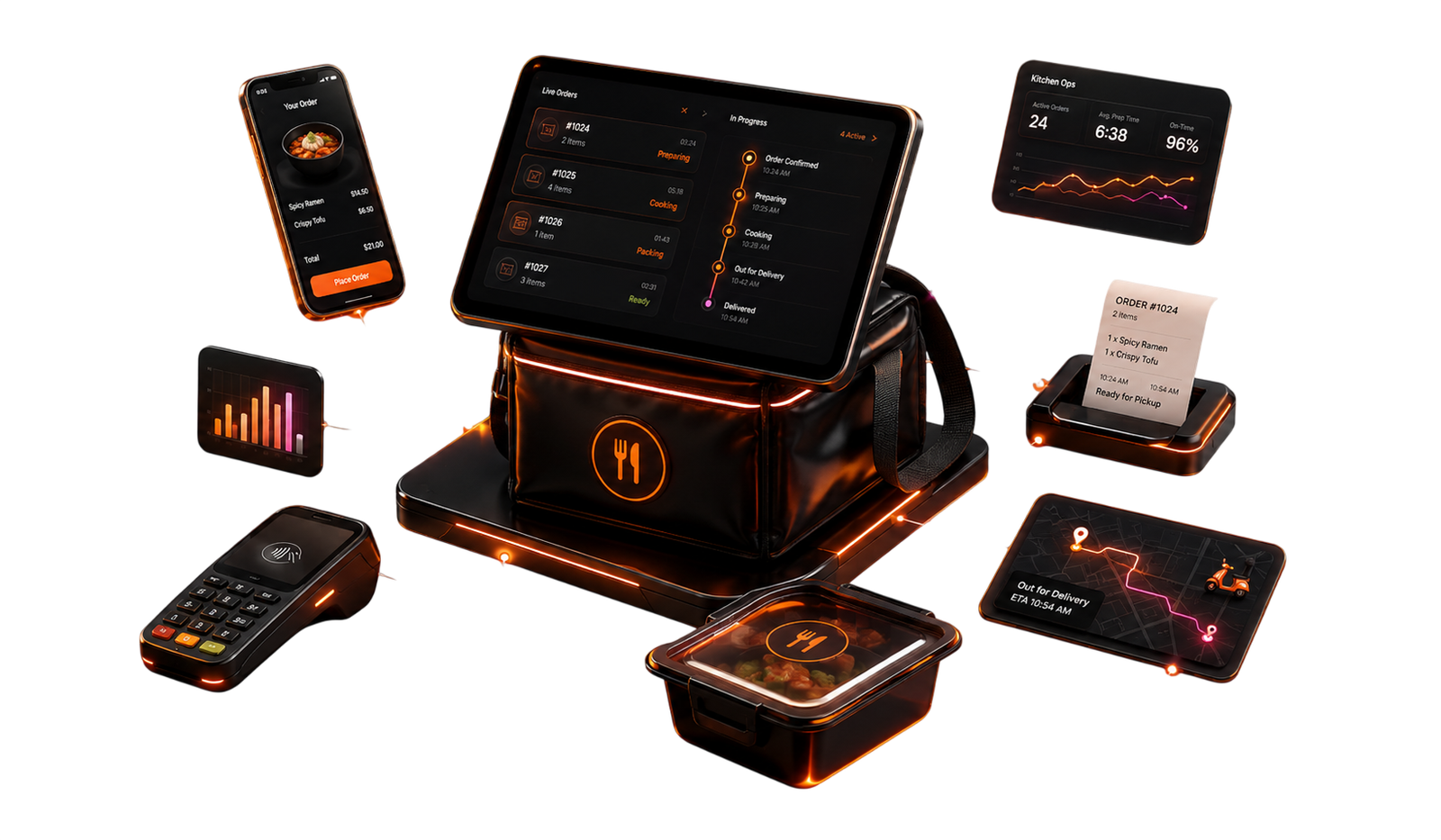
Ordering to kitchen to doorstep: everything that lifts order rate and on-time delivery, shipped by one senior pod.
01 / 06Sub-1s, locale-aware ordering apps and web storefronts, from bean-to-brew coffee flows to full menus, built to convert hungry users.
Sub-1s, locale-aware ordering apps and web storefronts, from bean-to-brew coffee flows to full menus, built to convert hungry users.
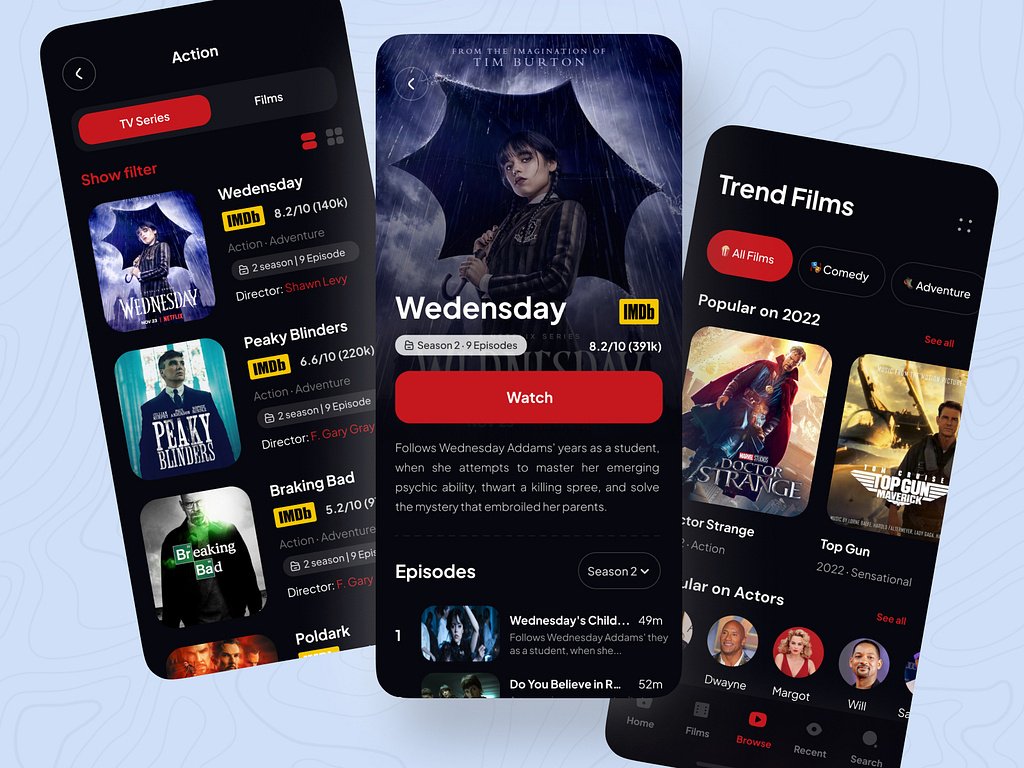
Content-rich, streaming-style discovery: trending dishes, curated collections, and filter-driven browse that turns scrolling into orders.
Kitchen and dark-kitchen build-out to live ops: layout, order routing, prep displays, and aggregator unification across every brand and site.
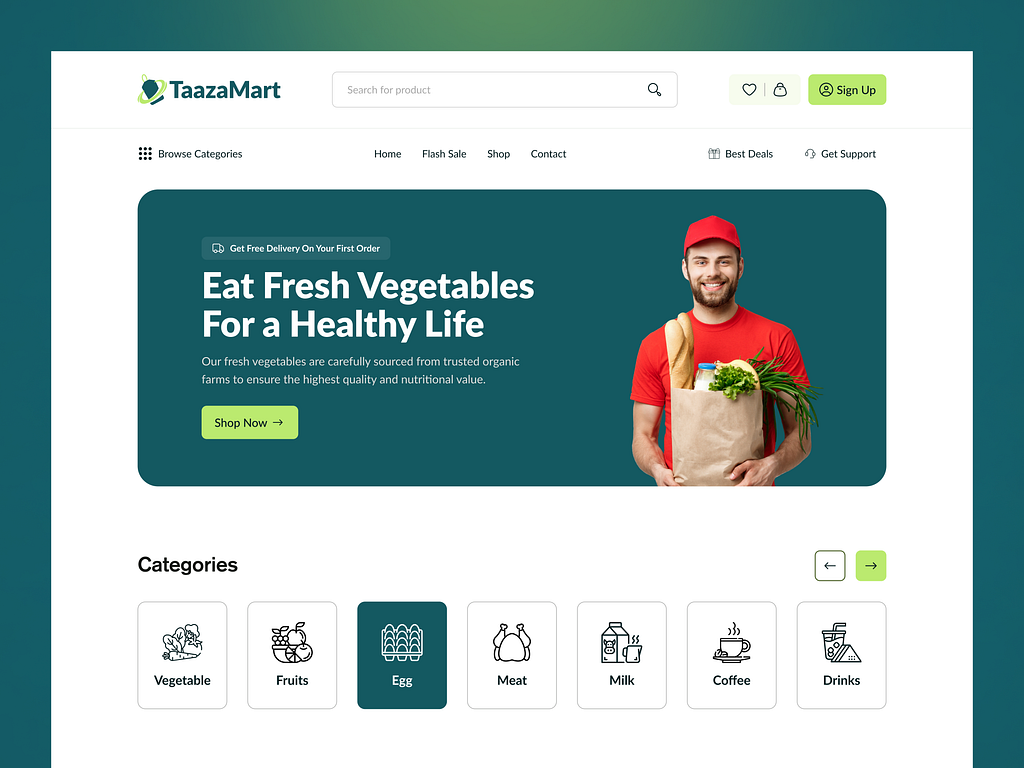
Fresh-grocery storefronts with category browse, picker and packer flows, and sub-200ms availability across dark stores.
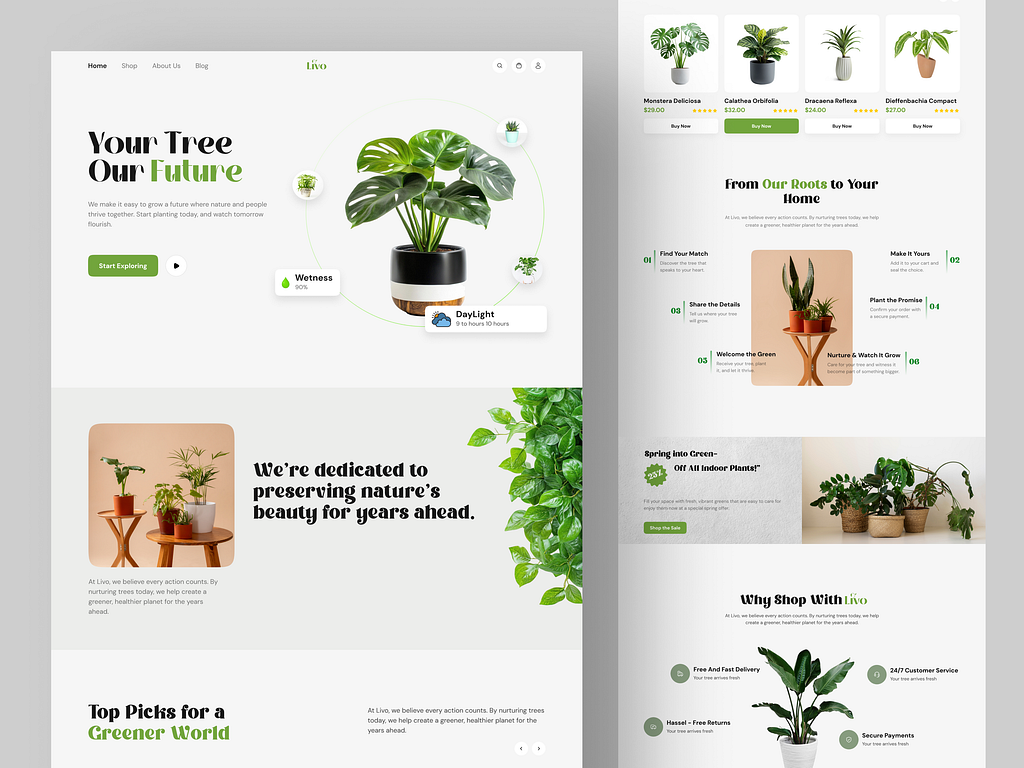
Curated, catalogue-led storefronts for speciality and fresh-produce ranges: rich product pages, guided browse, and a checkout built for repeat baskets.
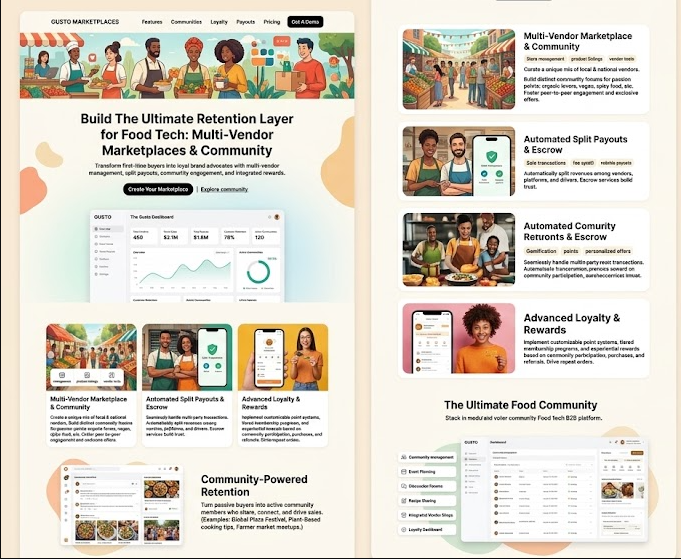
Multi-vendor marketplaces with split payouts, loyalty, and community: the retention layer that turns first orders into lifetime value.
Foodtech is judged on delivered orders and unit economics. We build with the rigour to defend the numbers, and the discipline payments demand.
Holdout cohort, A/B harness, and significance gates before any model ships. Every order-rate uplift is defended.
Core Web Vitals budgeted in CI: sub-1s LCP on menu pages, because every 100ms is measurable order conversion.
Card data tokenised at the PSP, never on your servers. Segmented environments only where in-store handling needs them.
Availability wired across kitchens and dark stores, cached at the edge: sub-200ms lookups at peak, per-SKU alerts.
Selected programmes across delivery platforms, restaurant groups, dark kitchens, q-commerce, and marketplaces, anonymised where required, specific on the outcome.
Menu ranking and personalisation across browse, search, and reorder, measured against a permanent holdout with validated A/B uplift.
Edge-rendered ordering app with single-page checkout and persistent basket: abandonment down 6 points at cutover.
Unified kitchen-management and ordering across aggregators with demand forecasting per site: food waste down 19%.
Vendor onboarding, split payouts, fraud monitoring, and trust-and-safety on a composable platform: 4,200 vendors live in year one.
Courier dispatch and route optimisation with picker apps and slot management: average delivery time cut 8 minutes.
Multi-region ordering with multi-currency, regional tax, and local payment methods (iDEAL, BLIK, Mada): one platform, fourteen markets.
We ship on the platforms food operators actually run: composed as a stack, each layer integrated against the next, vendor choice driven by your operating model rather than ours.
The transactional core: menu, basket, promotions, orders. Toast and Olo for restaurants, Commercetools for composability, Shopify for speed.
Edge-rendered, locale-aware ordering apps and storefronts with Core Web Vitals budgeted in CI.
PCI-minimised checkout with routing, tokenisation, tips, and fraud scoring. Card data never touches your servers.
Aggregator unification, menu sync, and order routing tuned against on-time delivery.
CDP, warehouse, and lifecycle: cohort analytics and automation wired to one event stream.
One availability truth across kitchen and dark store: courier dispatch, route optimisation, and live tracking.
Every engagement walks the same path, sized to your problem, but with the same verification gates baked in.

Two-week paid sprint. Architect-led. Output: regulator map, costed roadmap, signed scope.
Pod composition, sequenced milestones, change-control governance, and risk register.

Reference architecture, threat model, design system, and acceptance criteria locked.

Weekly demos, trunk-based, CI/CD from day one. Code reviewed against spec at every gate.

Unit, integration, e2e, security, performance, and accessibility, automated and gated.

Blue-green or canary, observability live before launch, rollback rehearsed.

Managed services or hypercare hand-off. Defined SLOs, named on-call, monthly reviews.
Success stories
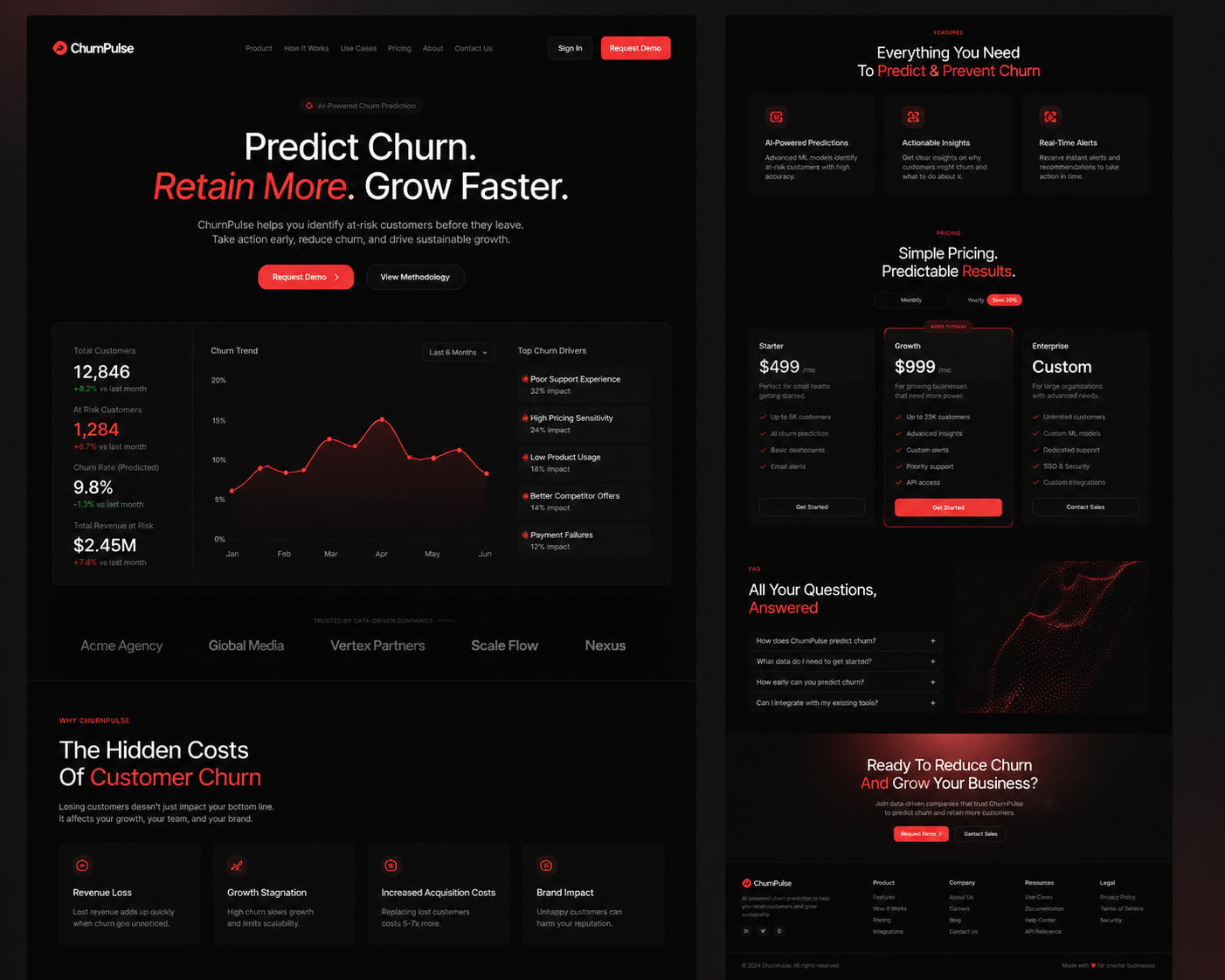
Cut voluntary churn 18% in two quarters with next-best-action scoring for a meal-subscription platform.
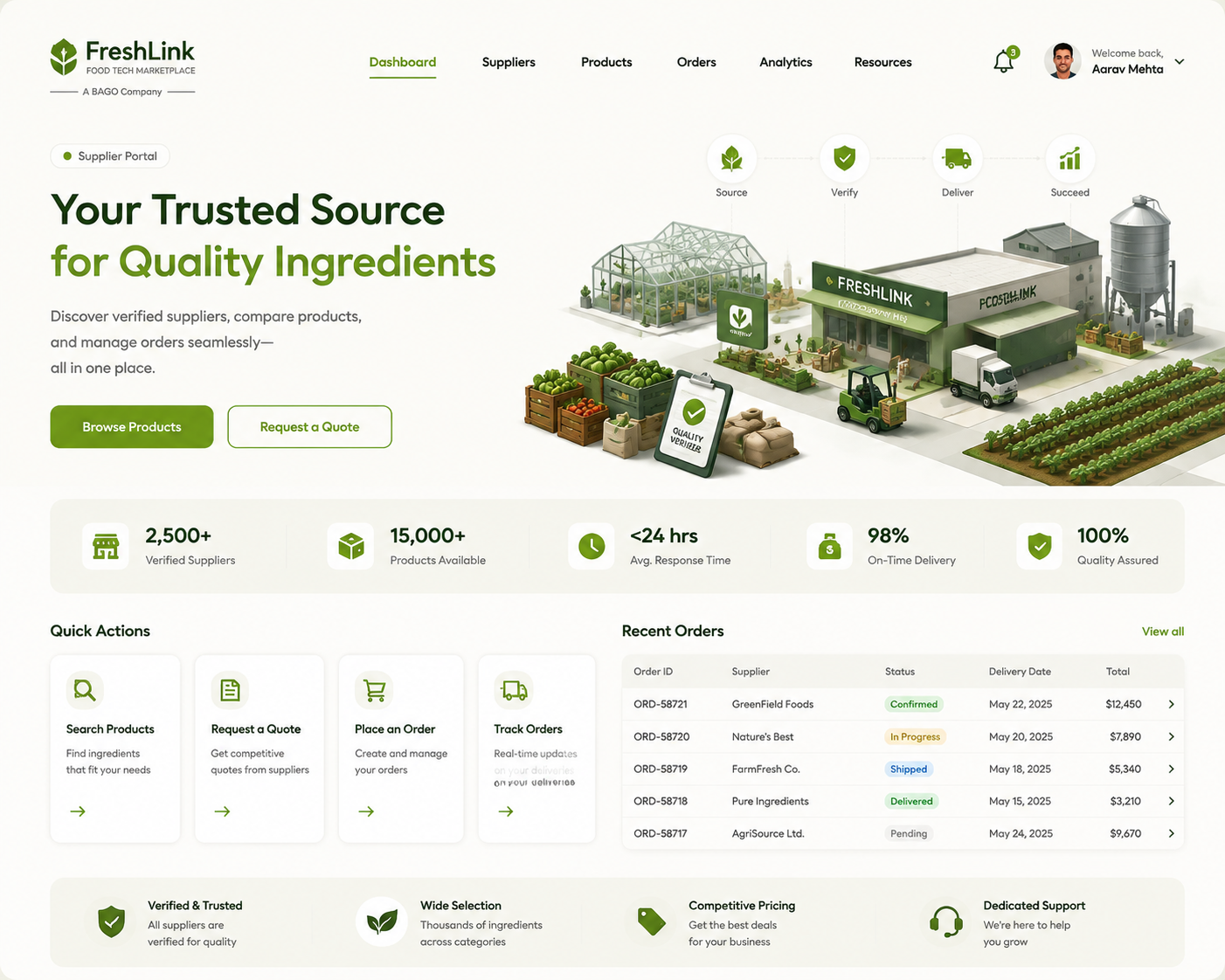
Self-service supplier portal lifted supplier adoption to 62% in one quarter for a foodtech marketplace.
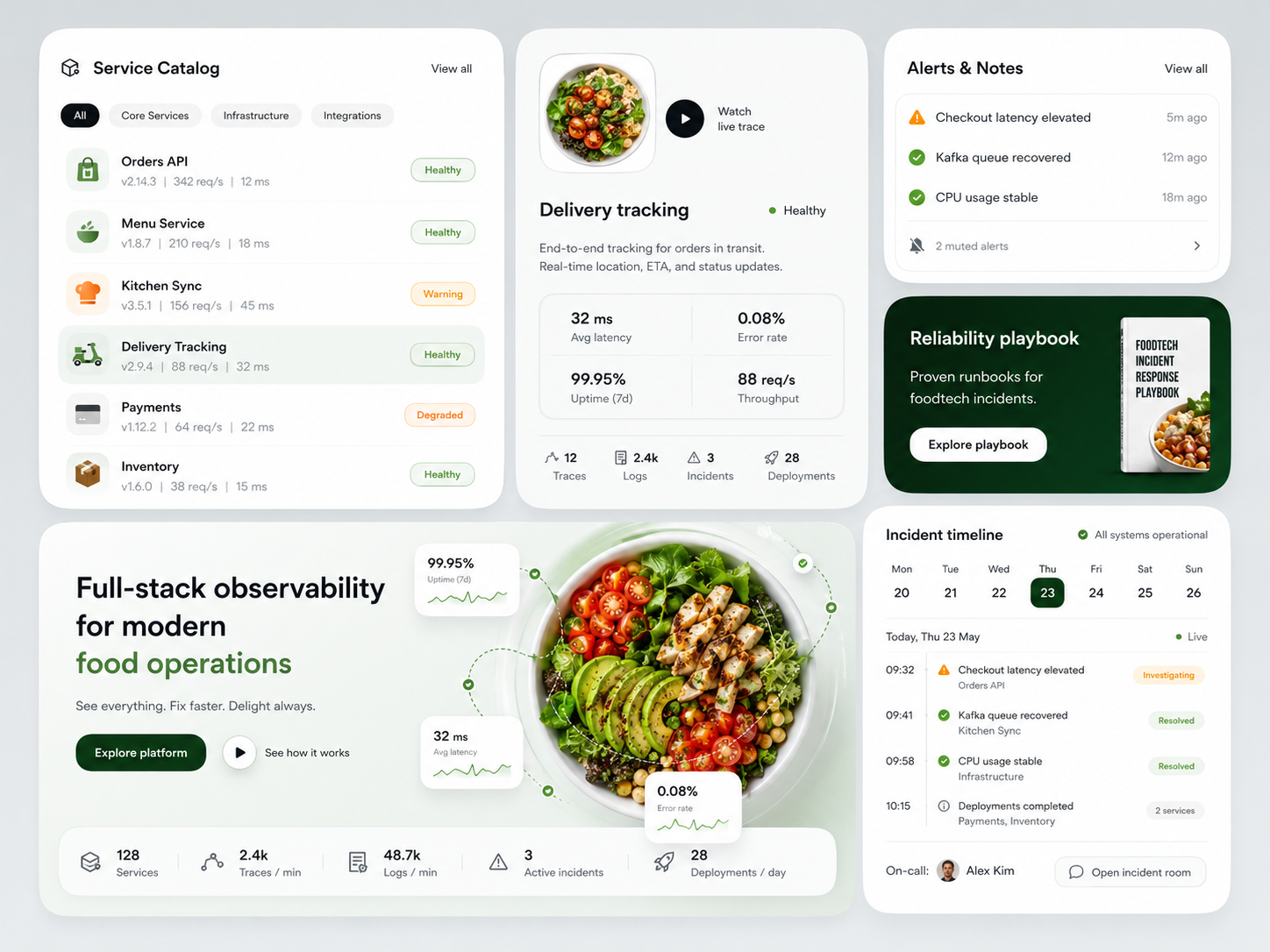
Cut mean-time-to-detect 72% for a food-delivery platform with unified tracing and SLOs.
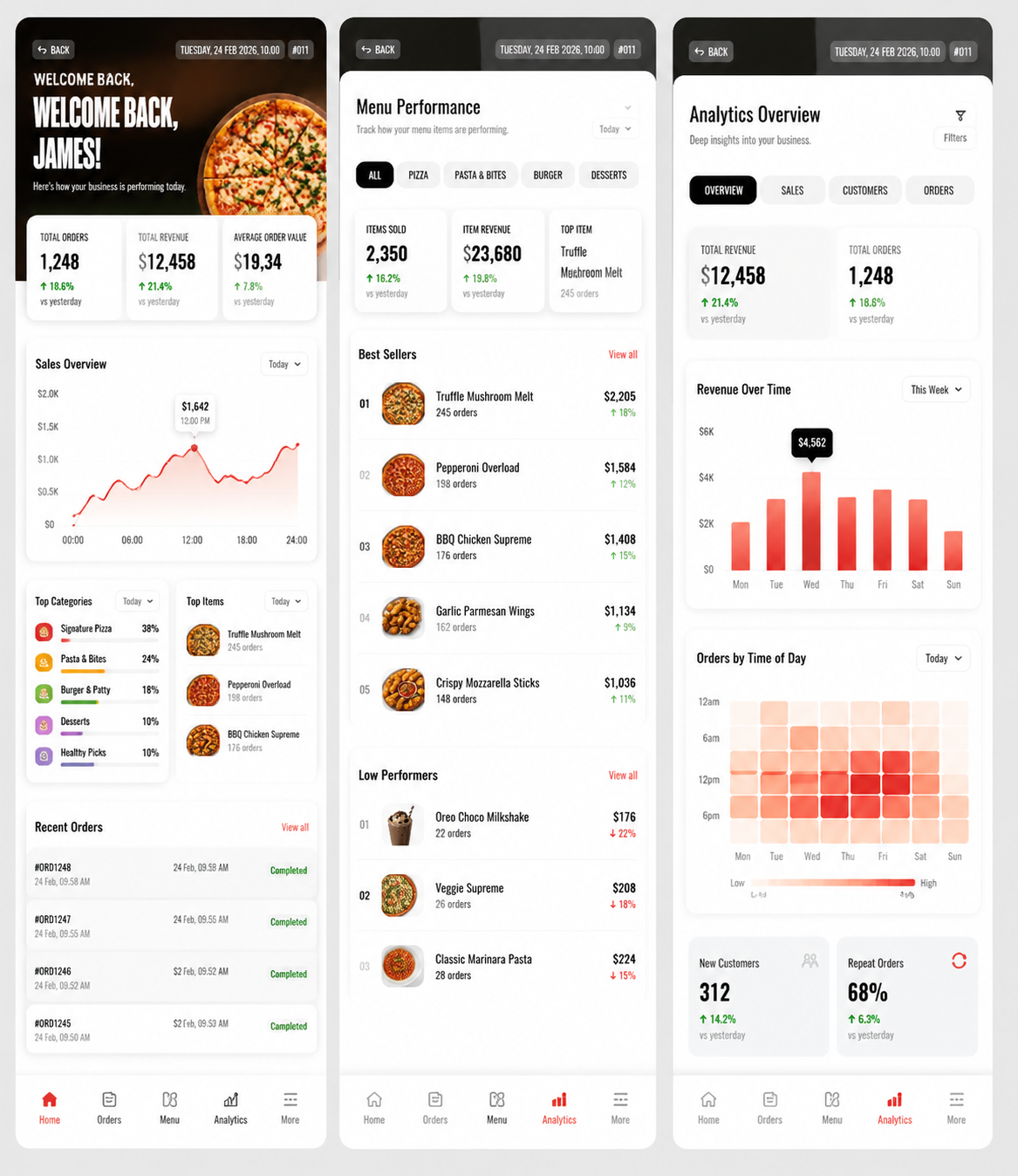
Self-service models tripled analyst throughput at a food-delivery platform.
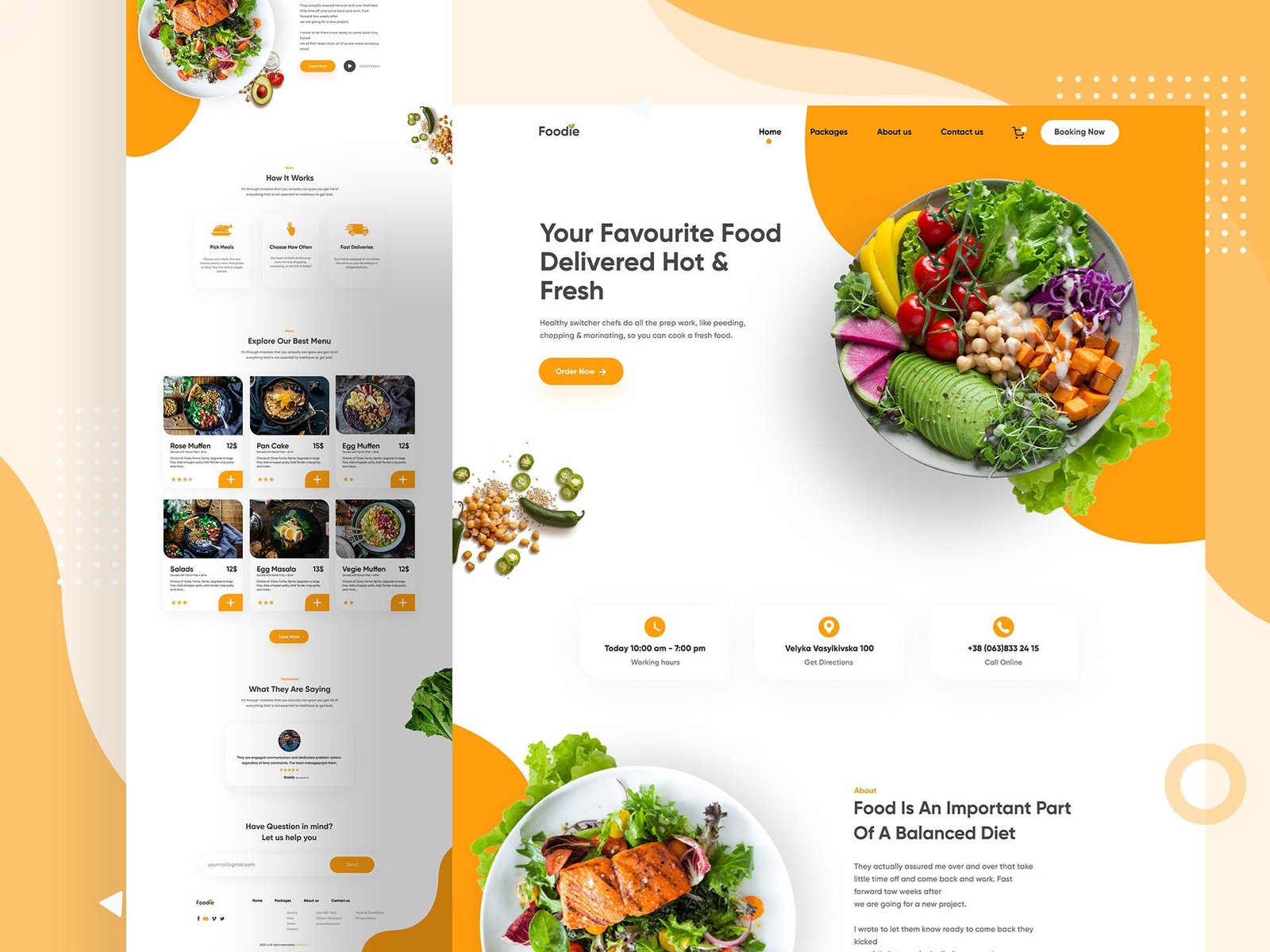
Automated ordering, cart, and checkout on real devices for a UAE food-delivery platform, cutting manual regression from days to minutes per release.

Cut median incident remediation from 41 to 7 minutes across a manufacturer's OT platform, with a human approval gate on every action.

Cut waste 22% across 900 stores with SKU-level probabilistic forecasts.
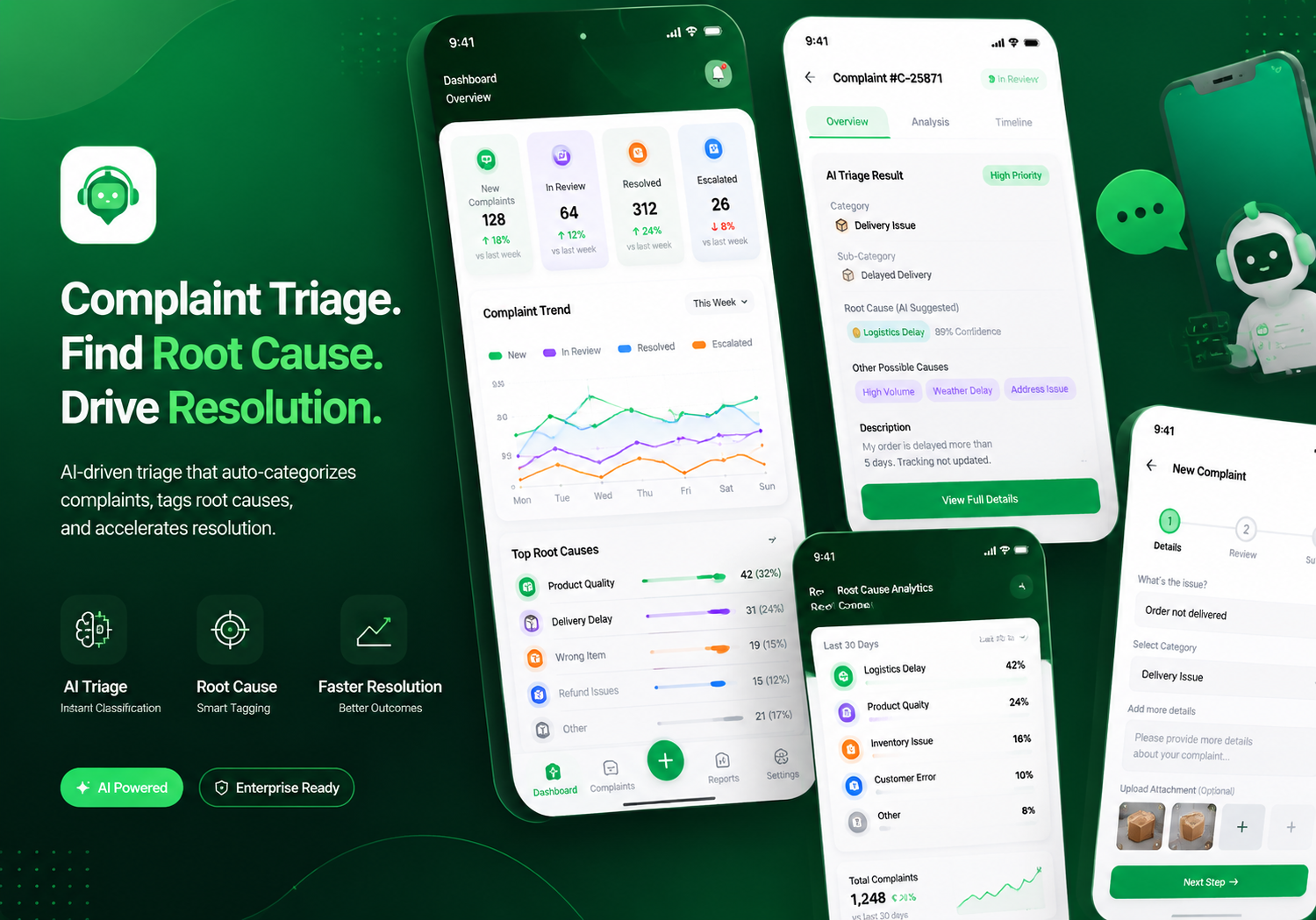
Auto-classified 58% of citizen complaints to root cause, feeding the department's reporting directly.
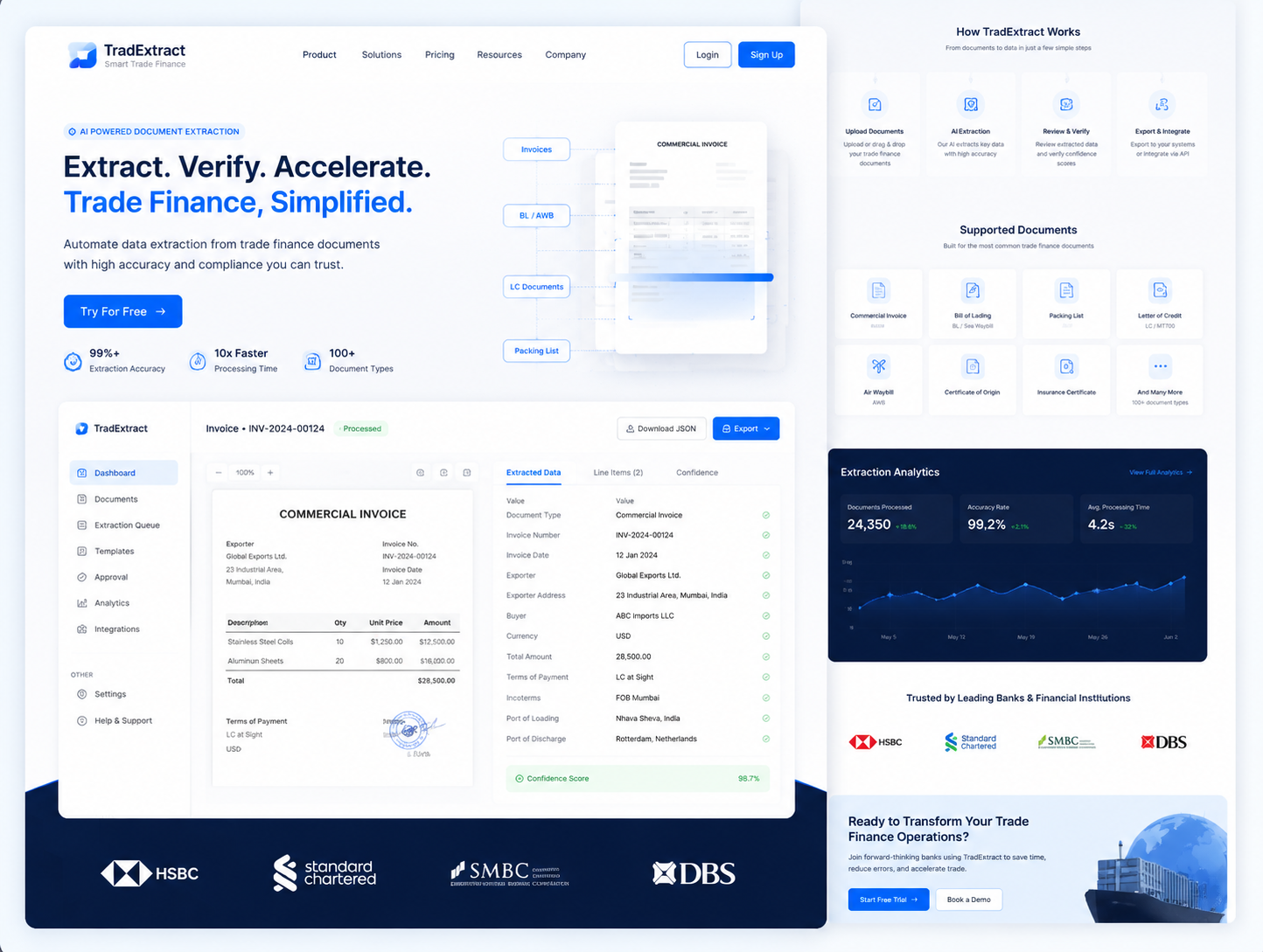
Achieved 94% straight-through extraction on bills of lading and customs paperwork for a logistics operator.
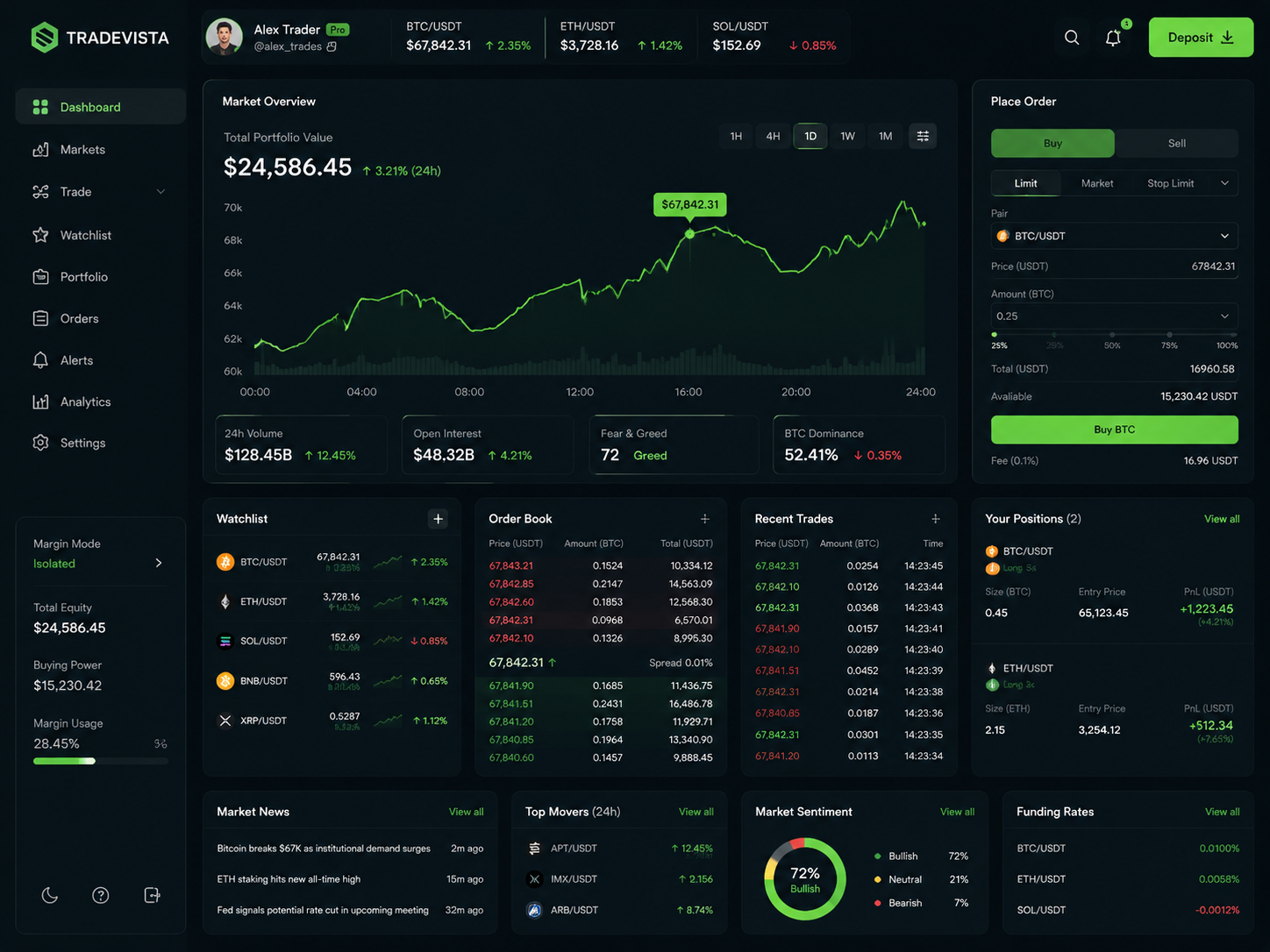
Sub-120ms streaming operations dashboard across 40 control desks for a logistics operator.
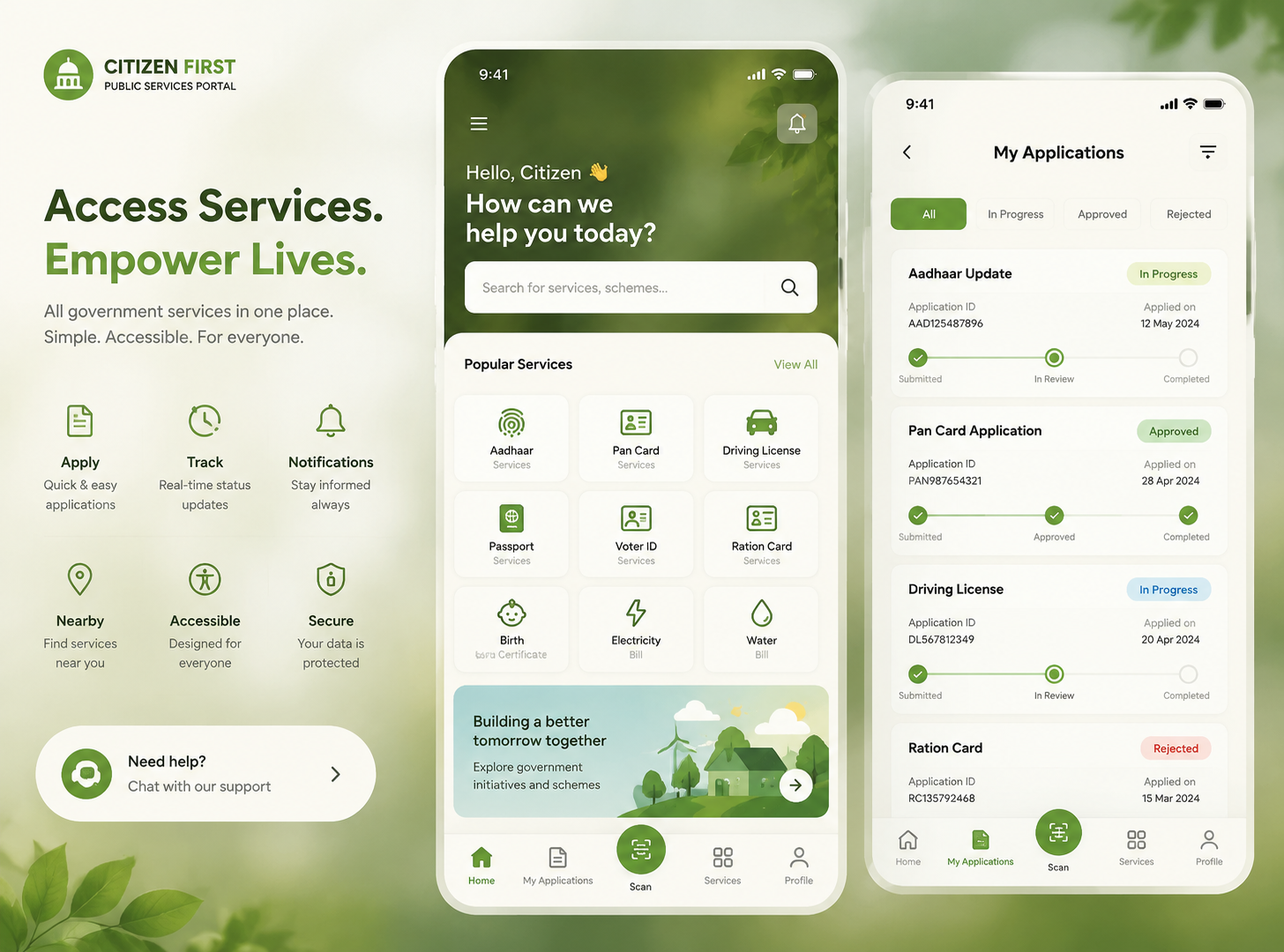
Rebuilt a citizen portal to WCAG 2.2 AA, cleared external audit first pass.

Re-themed and re-scoped an 80-route SaaS template into a 15-page global trade platform, with zero legacy brand colour left across 225 files.
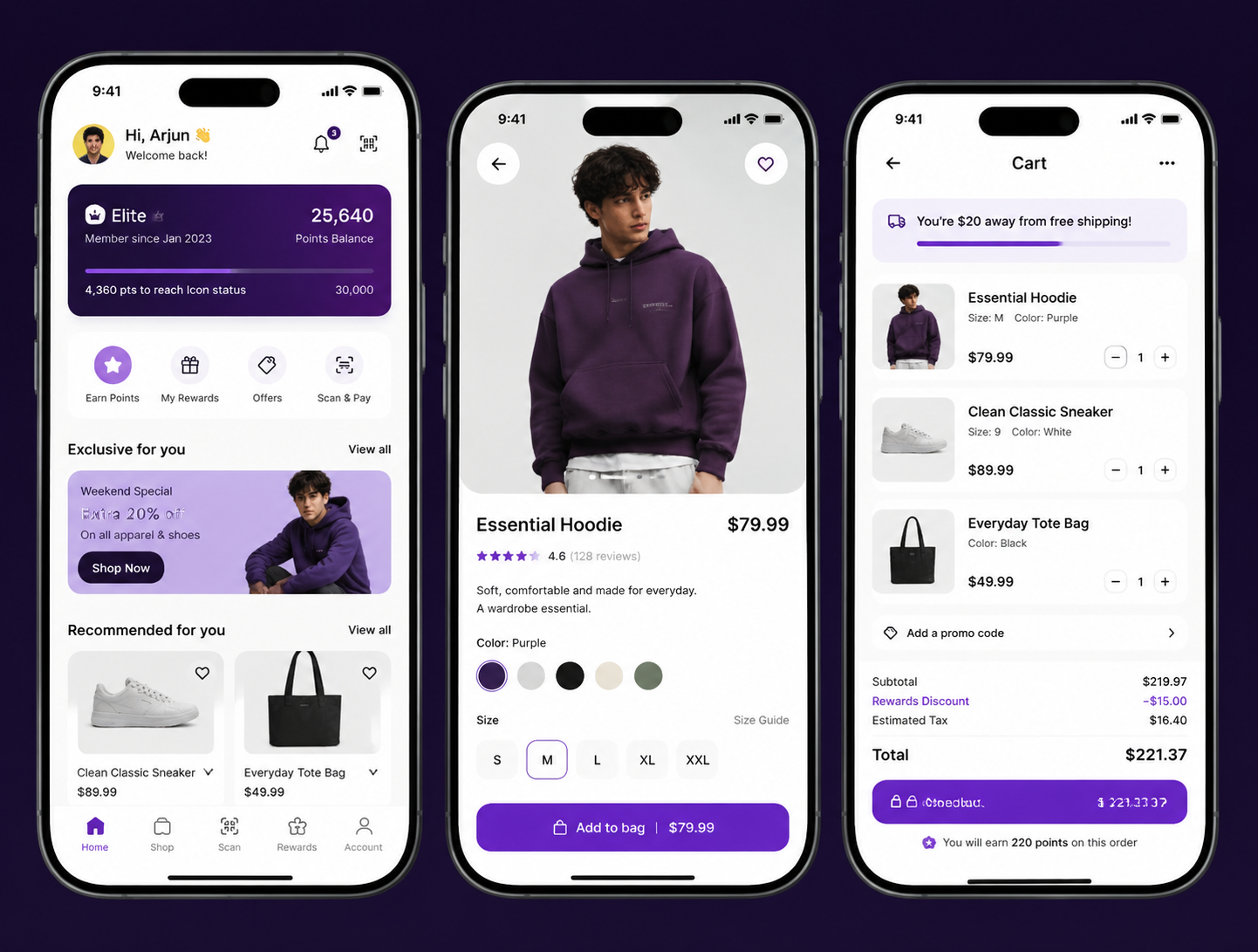
Launched a retail loyalty app to a 4.8-star rating and 200k users in 90 days.
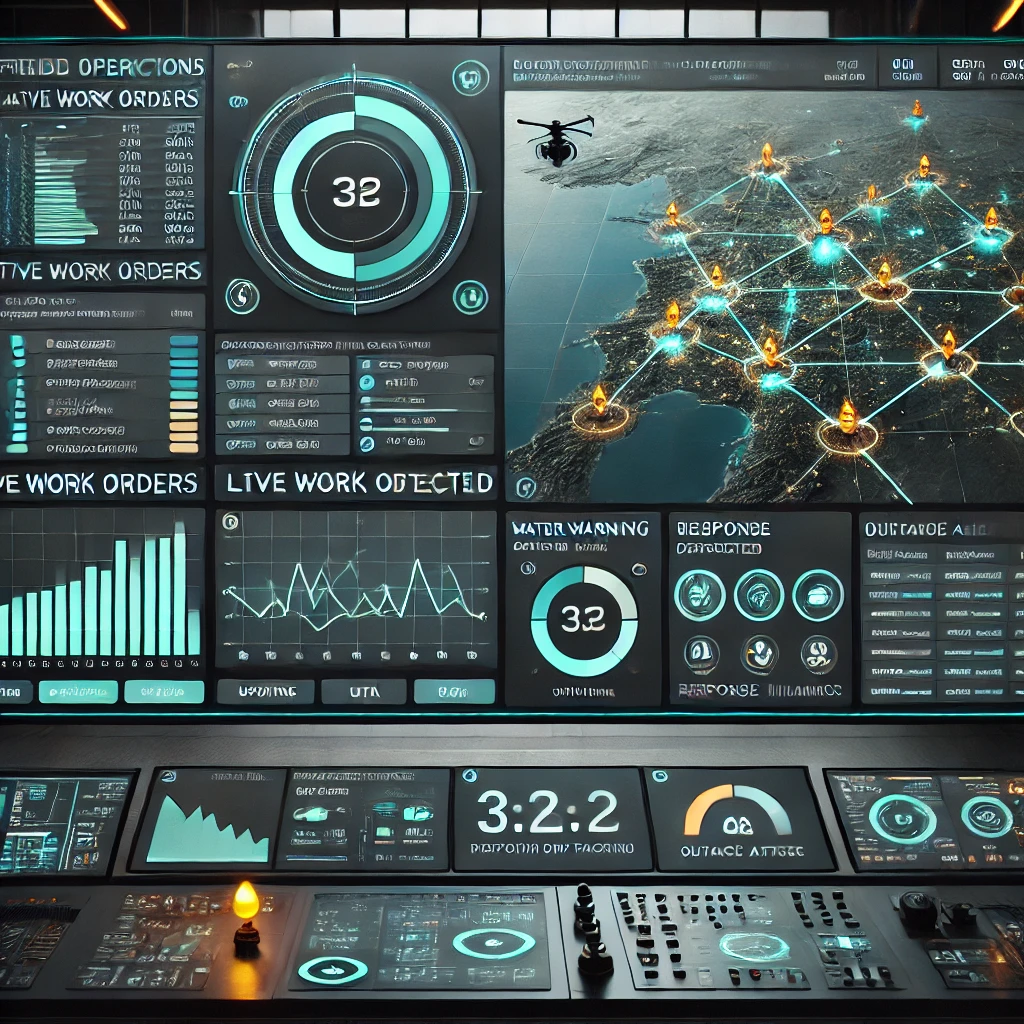
Offline-first engineer app cut job-completion admin 31% for a manufacturer's field team.
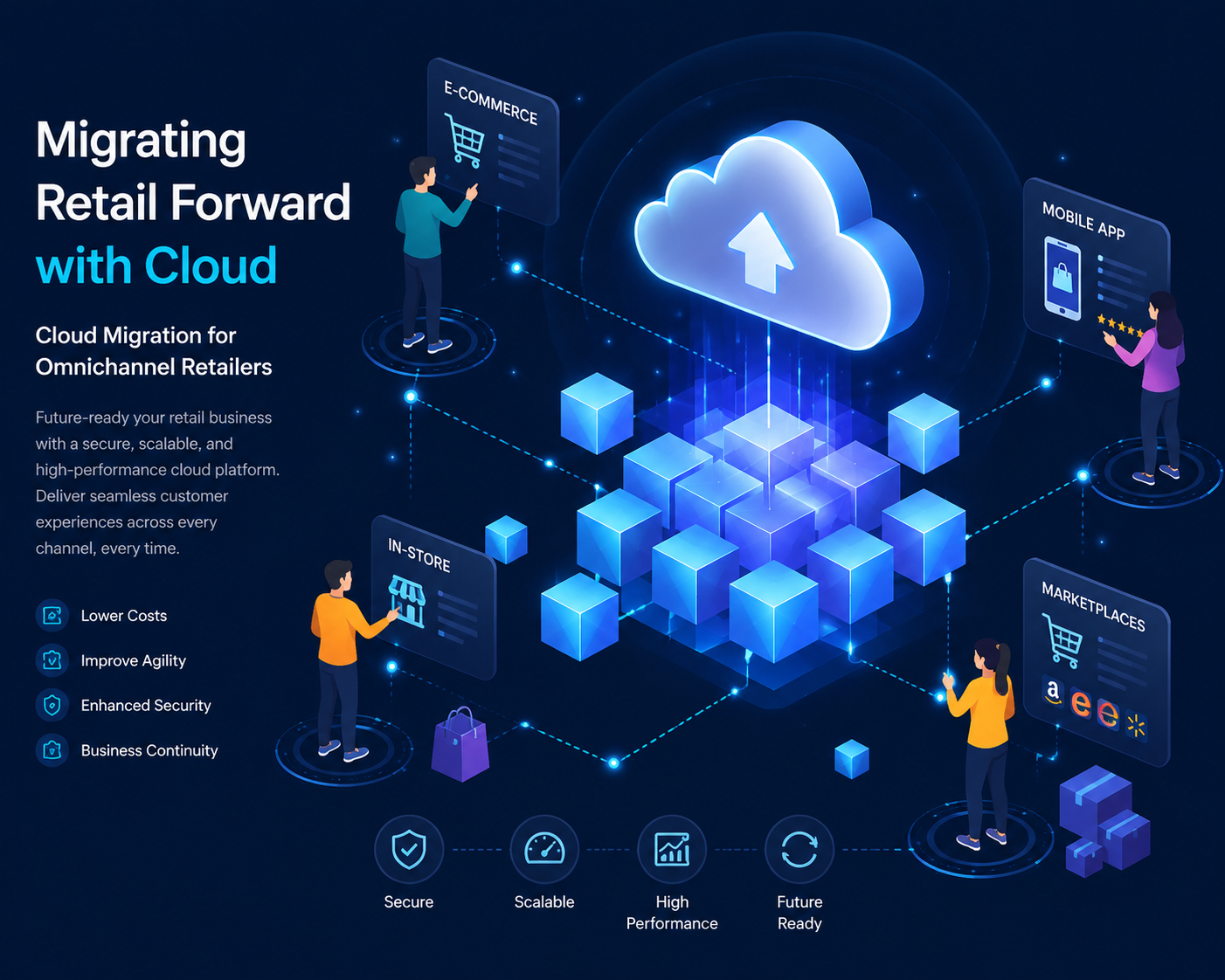
Re-platformed e-commerce to the cloud, holding availability through a record peak-season trading day.
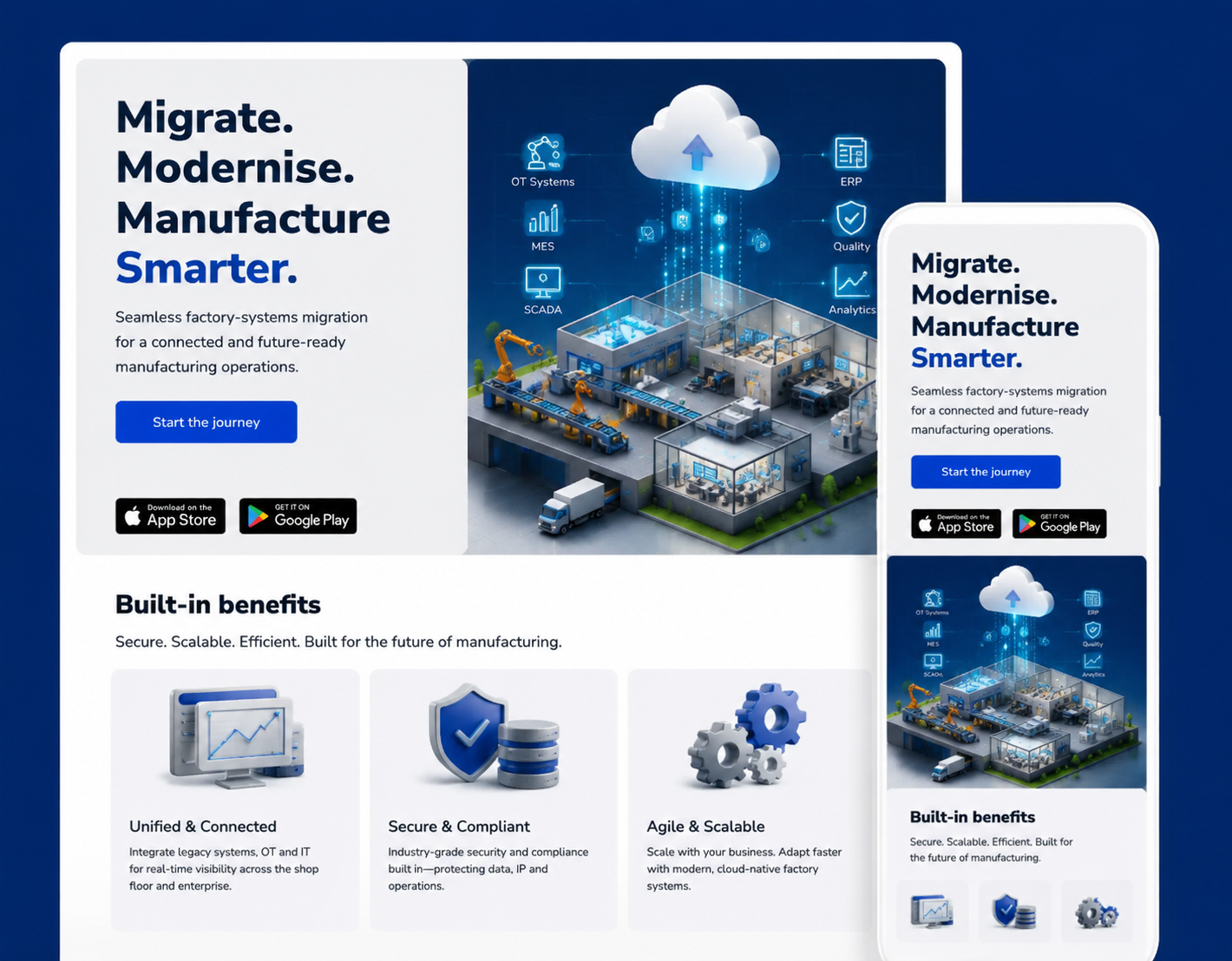
Lifted MES and quality systems to the cloud across nine plants, cutting infrastructure cost 34%.
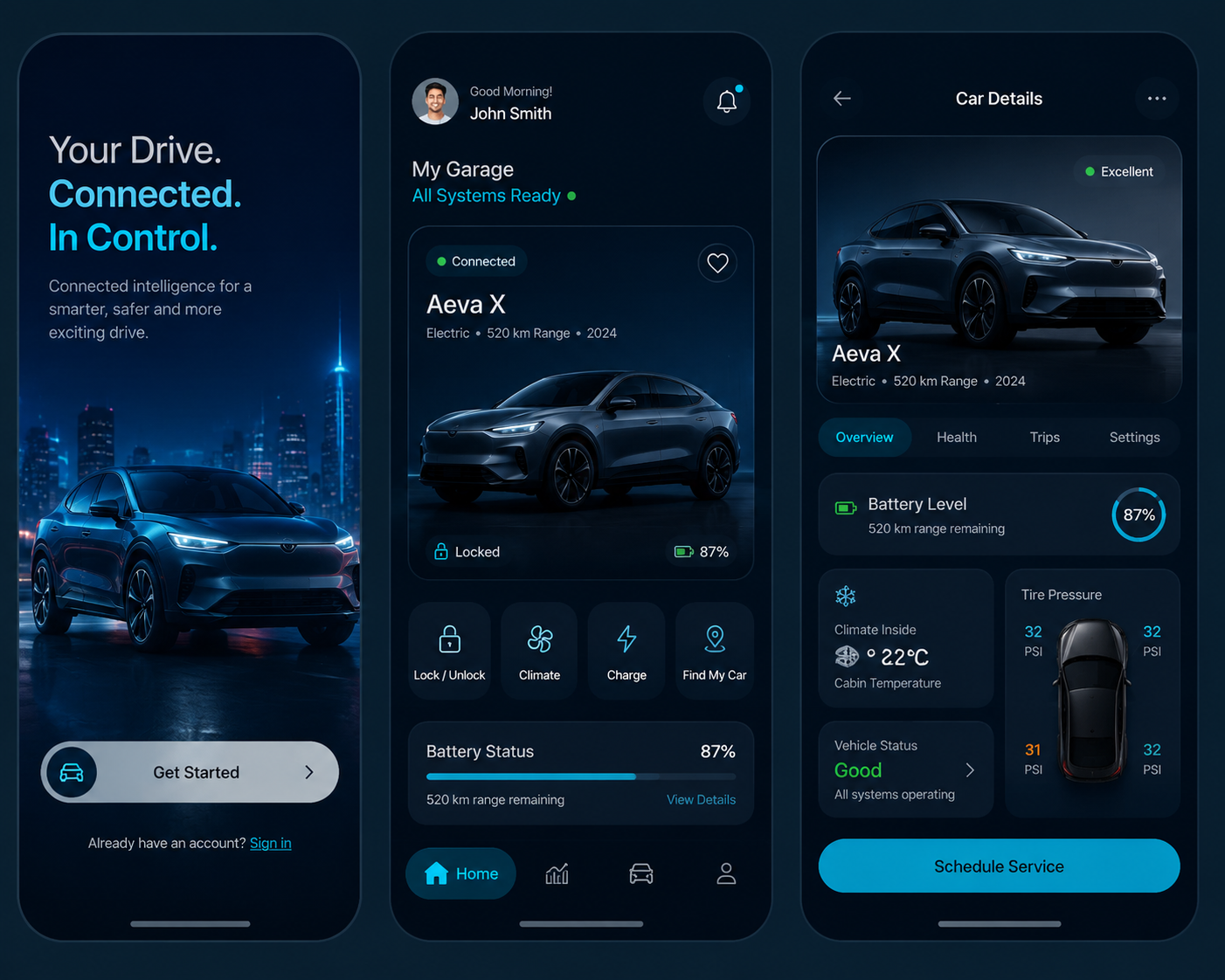
Built a cloud platform ingesting telemetry from 1.2M connected vehicles at scale.
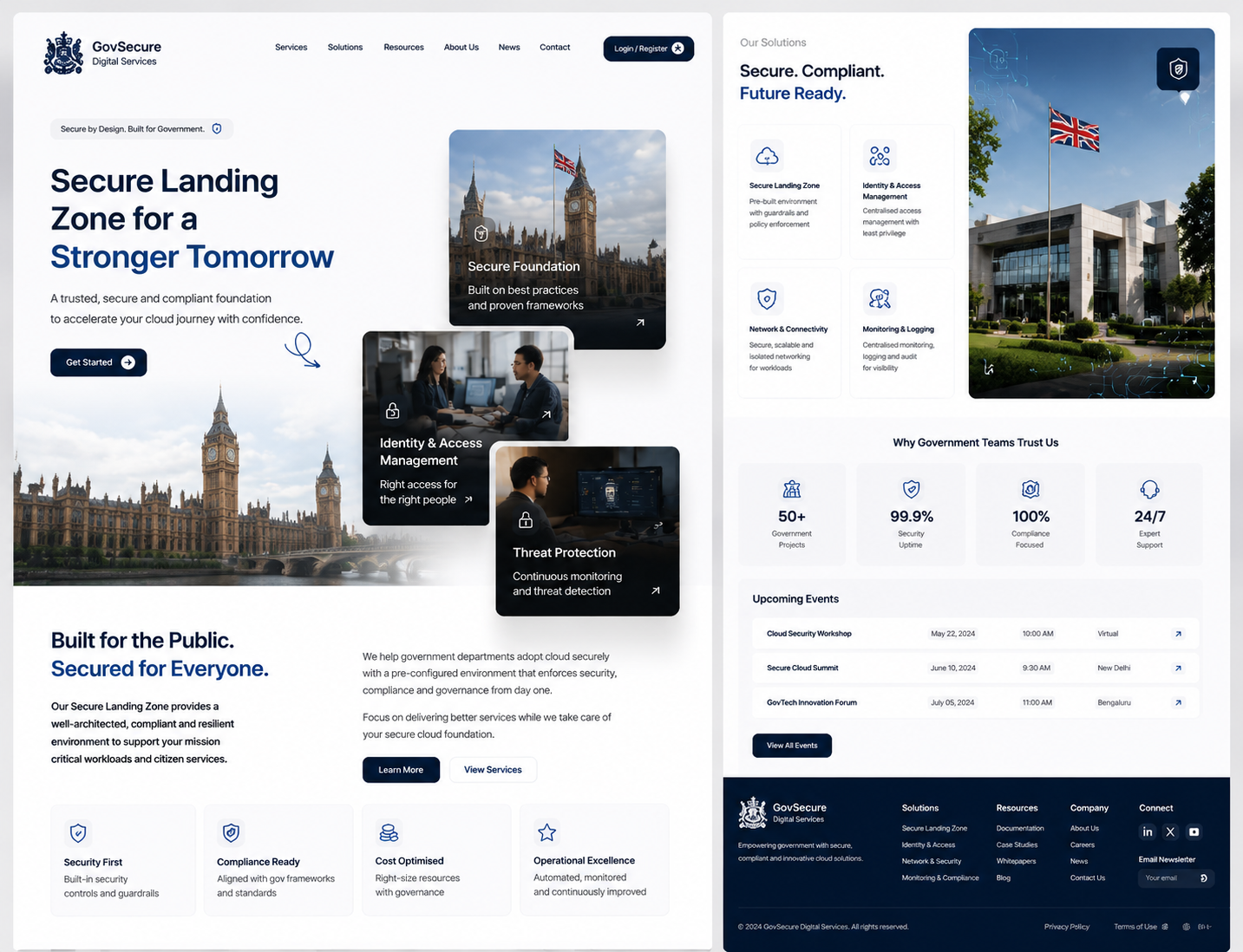
Stood up a compliant, multi-account landing zone for a government department in 7 weeks.
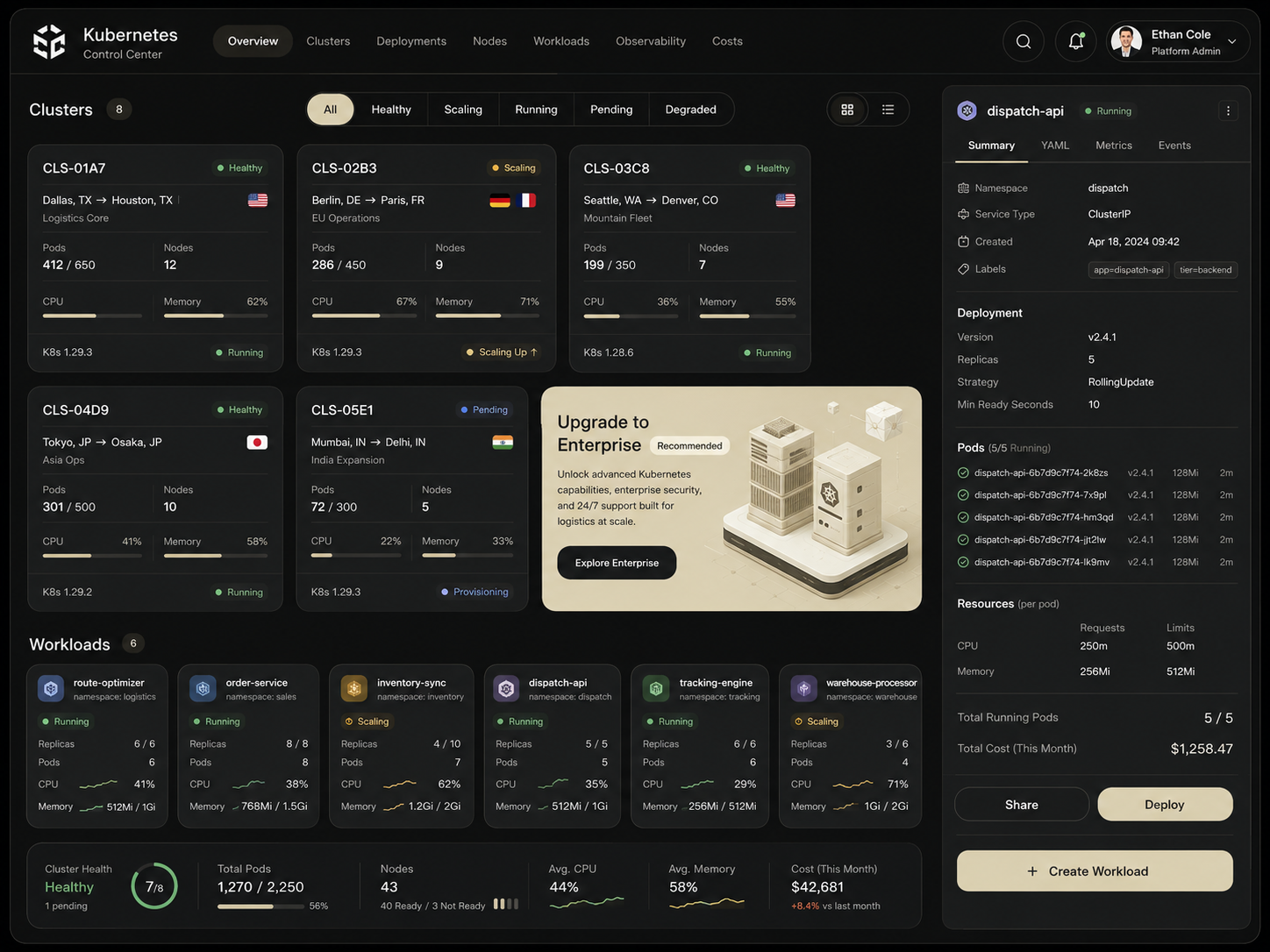
Consolidated 14 clusters to one governed platform, cutting ops toil 55% for a logistics operator.
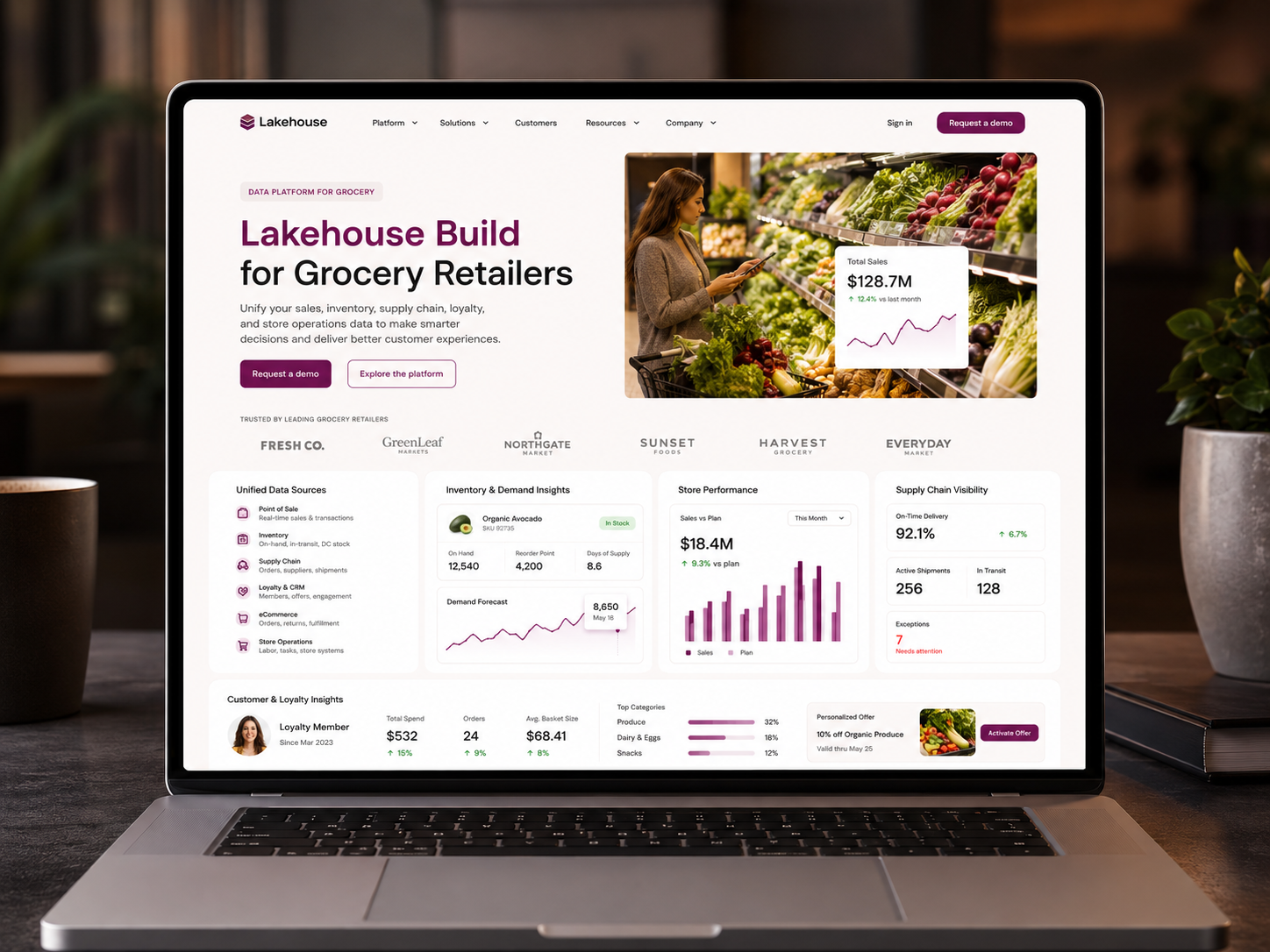
Unified 40 sources into a governed lakehouse, cutting report build time 60% for a grocery retailer.
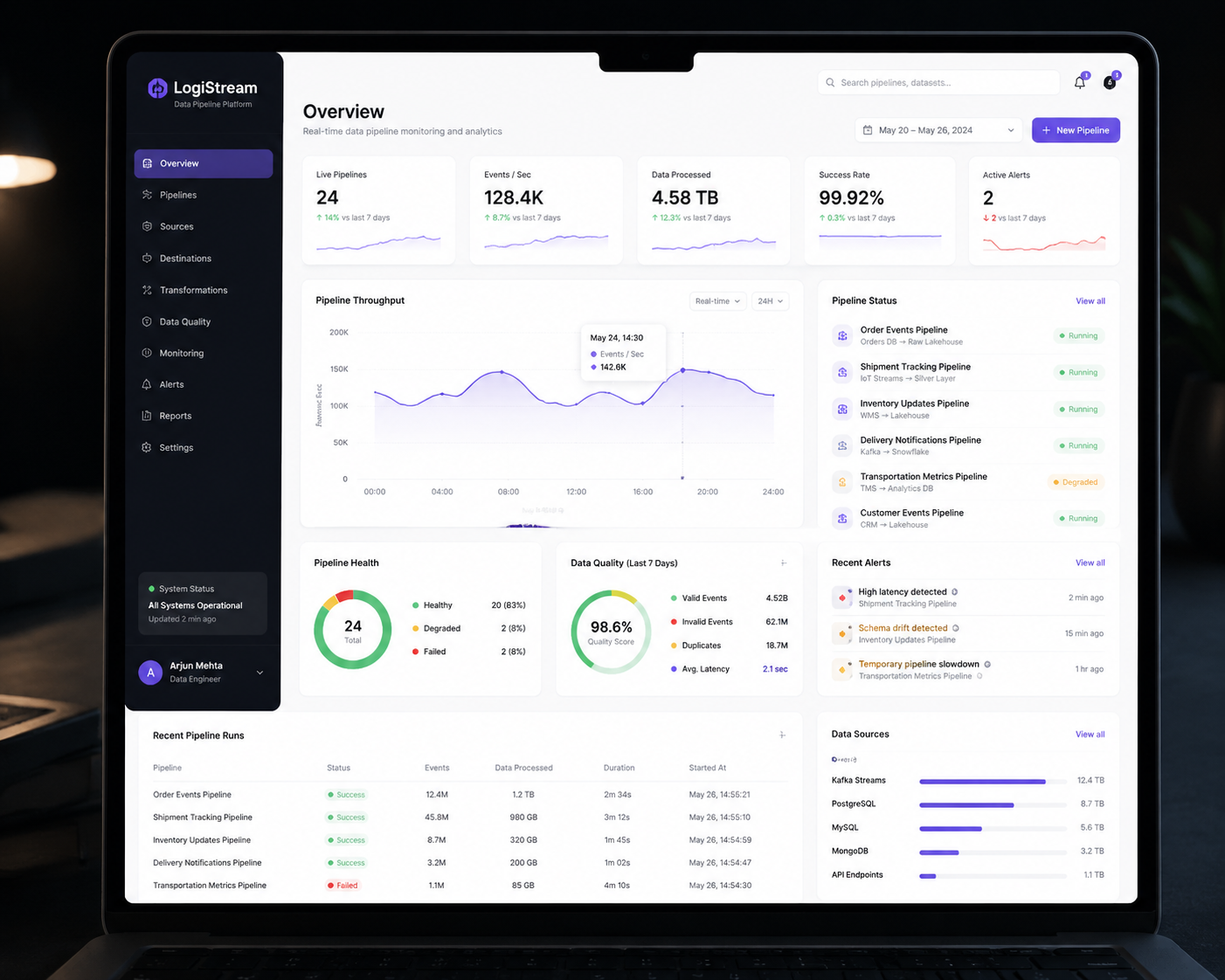
Delivered sub-second track-and-trace event data to 30 teams for a logistics operator.
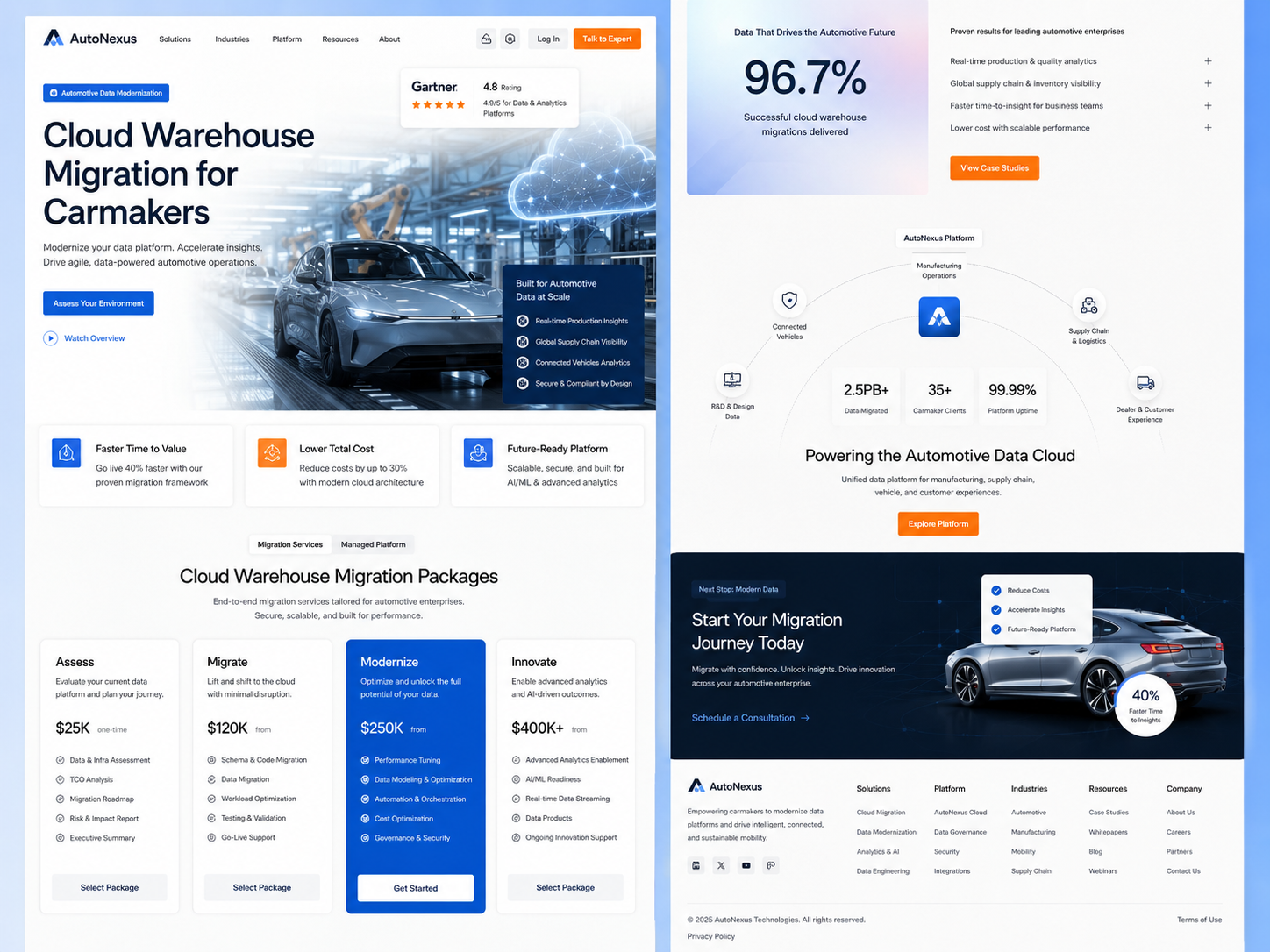
Migrated a legacy warehouse to the cloud, cutting query cost 45% for a carmaker.
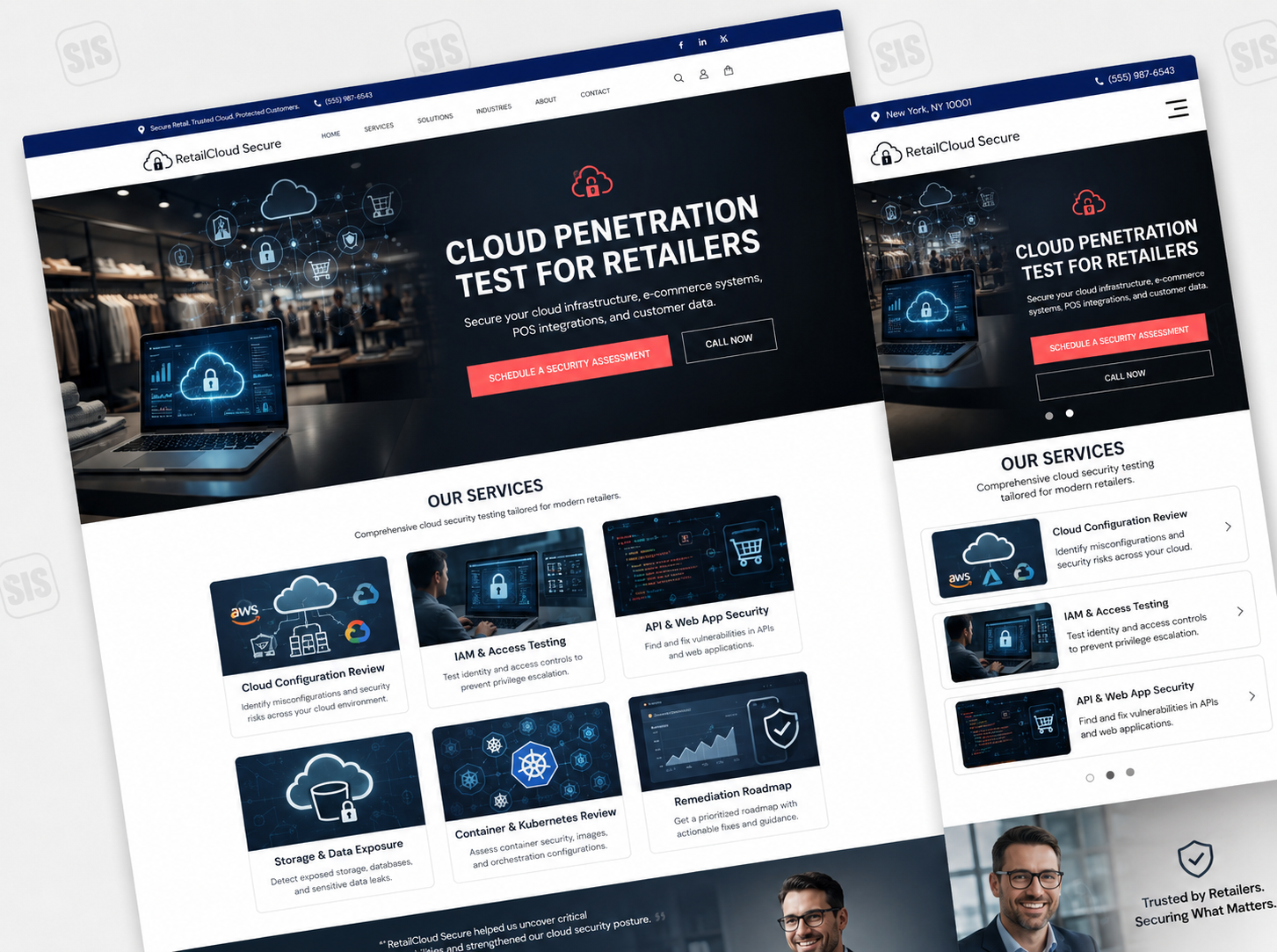
Surfaced 74 exploitable misconfigurations across a retailer's multi-account cloud estate.
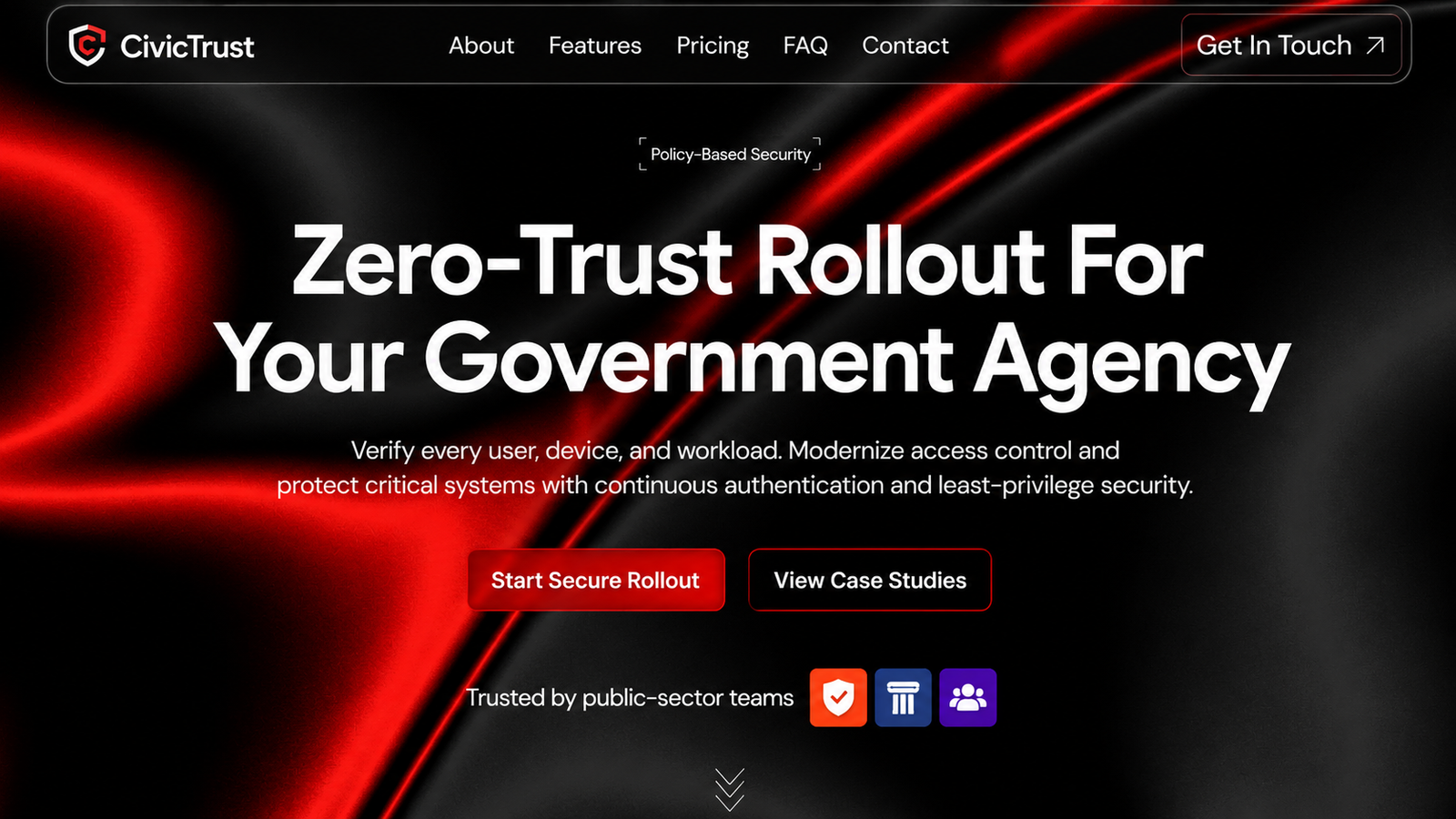
Rolled zero-trust access to 25,000 civil servants without a productivity dip.
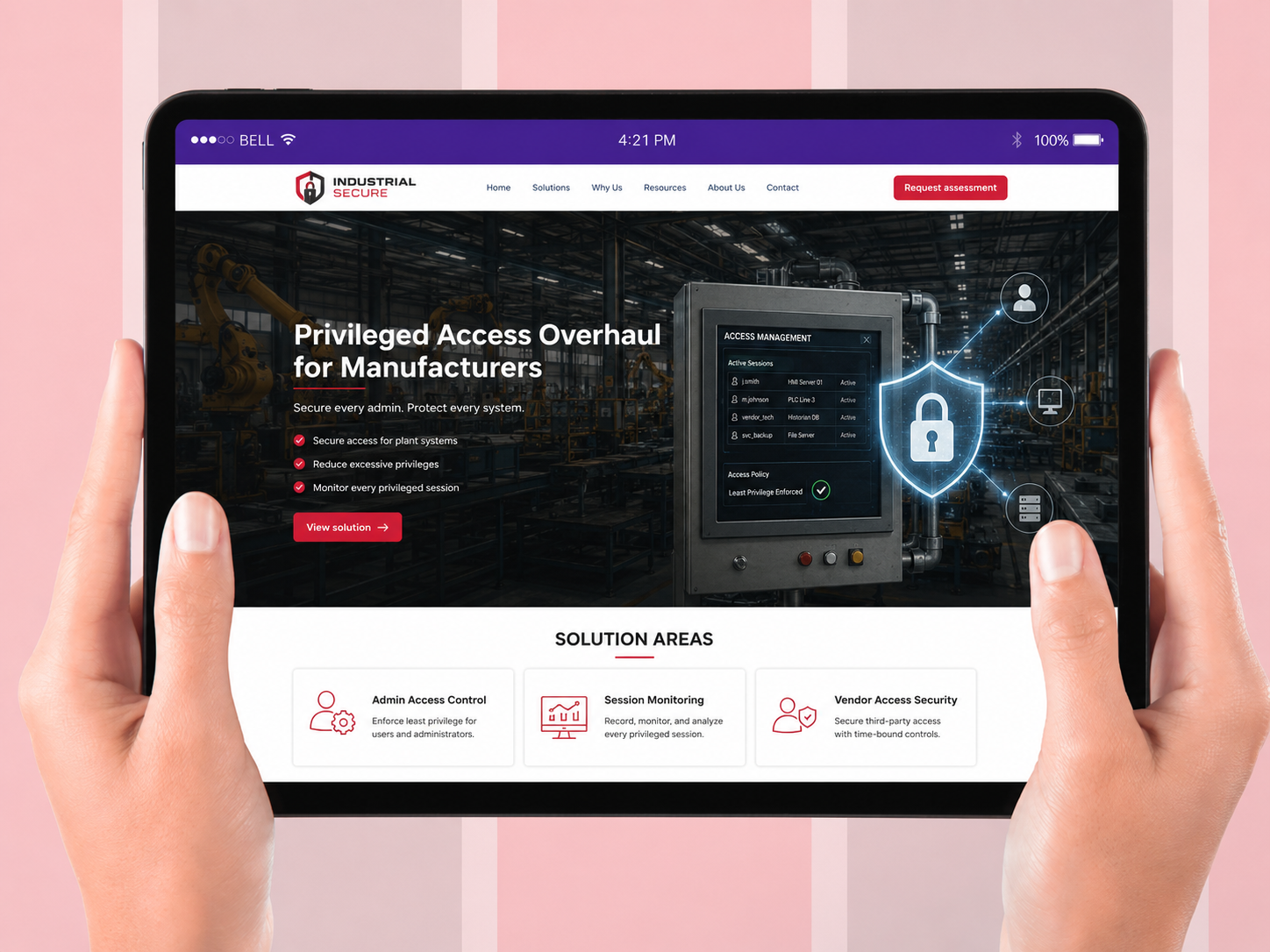
Cut standing privileged access 90% across a manufacturer's IT and OT estate.
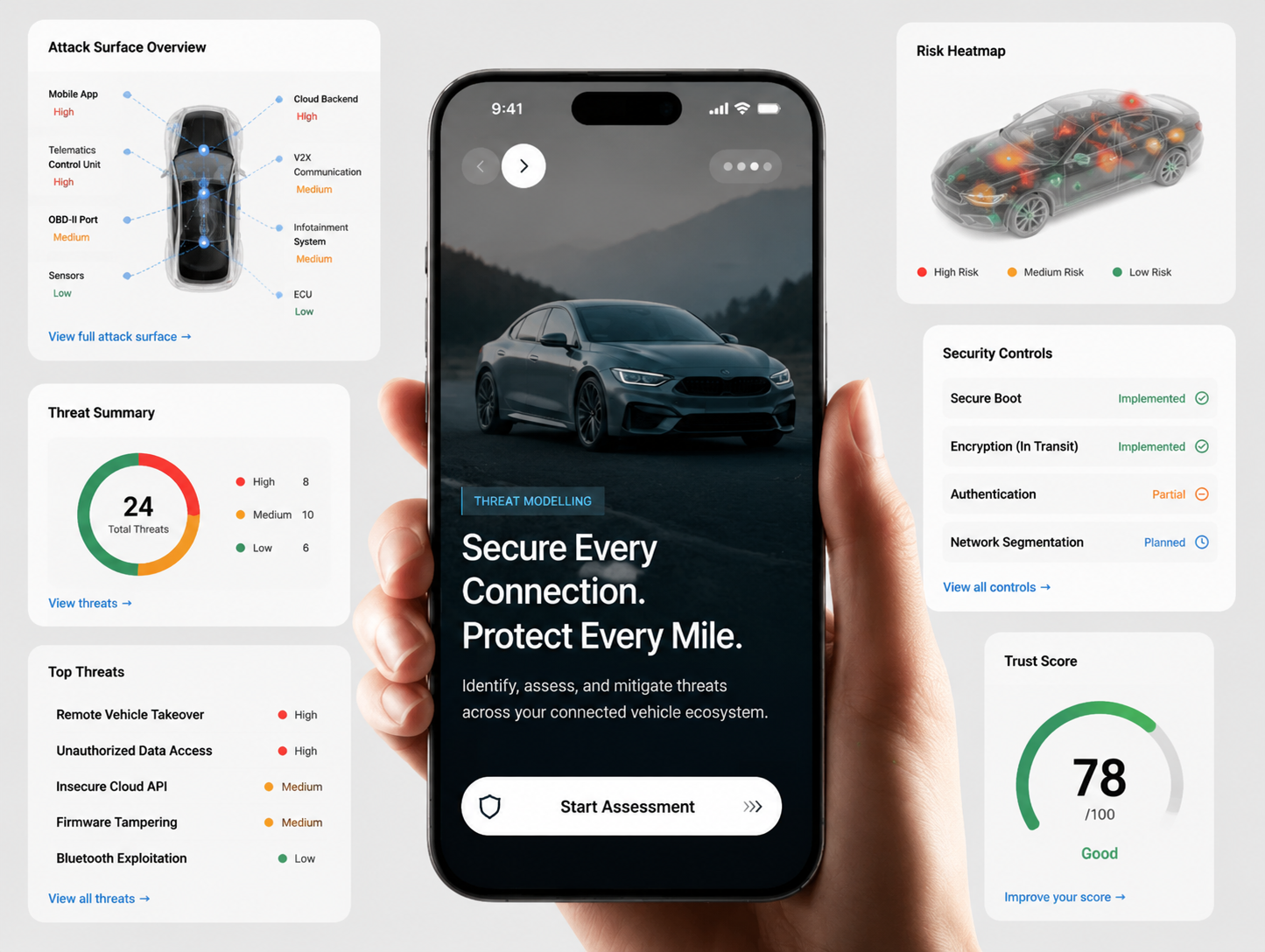
Mapped and mitigated attack paths for a UNECE R155-regulated connected vehicle.
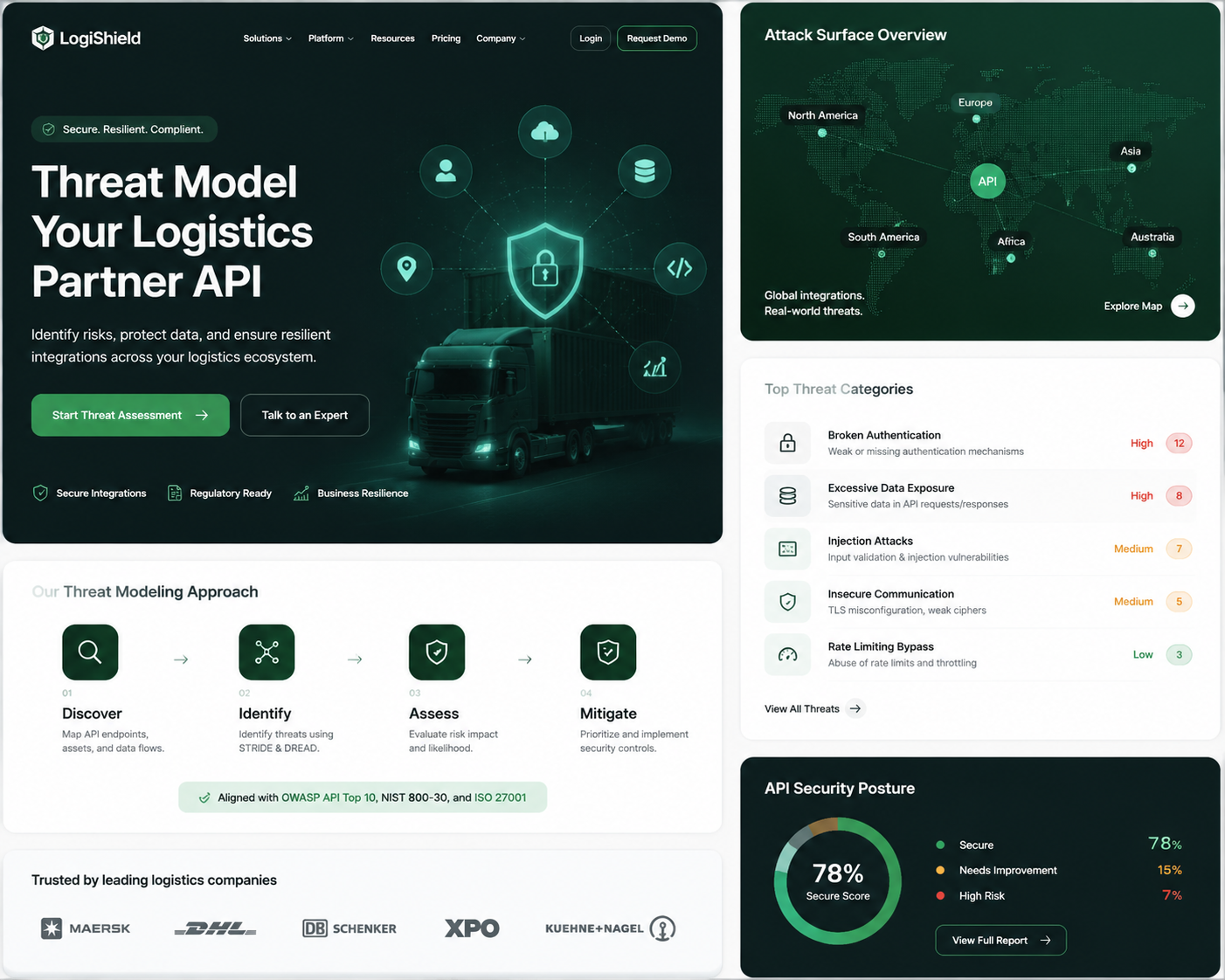
Hardened a logistics partner API against abuse before third-party onboarding.
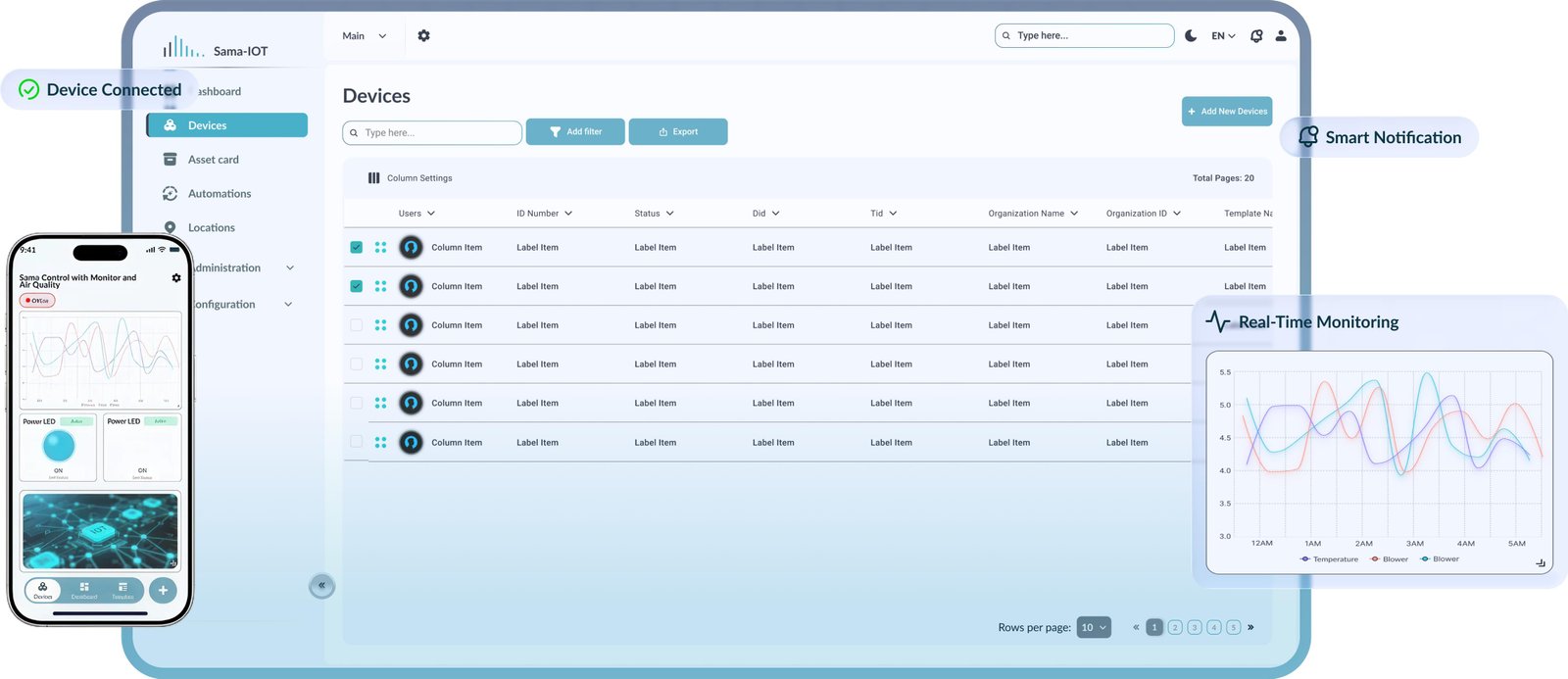
Validated device, telemetry, and notification APIs under live conditions, shipping a release with zero contract breaks across connected consumers for an IoT platform.
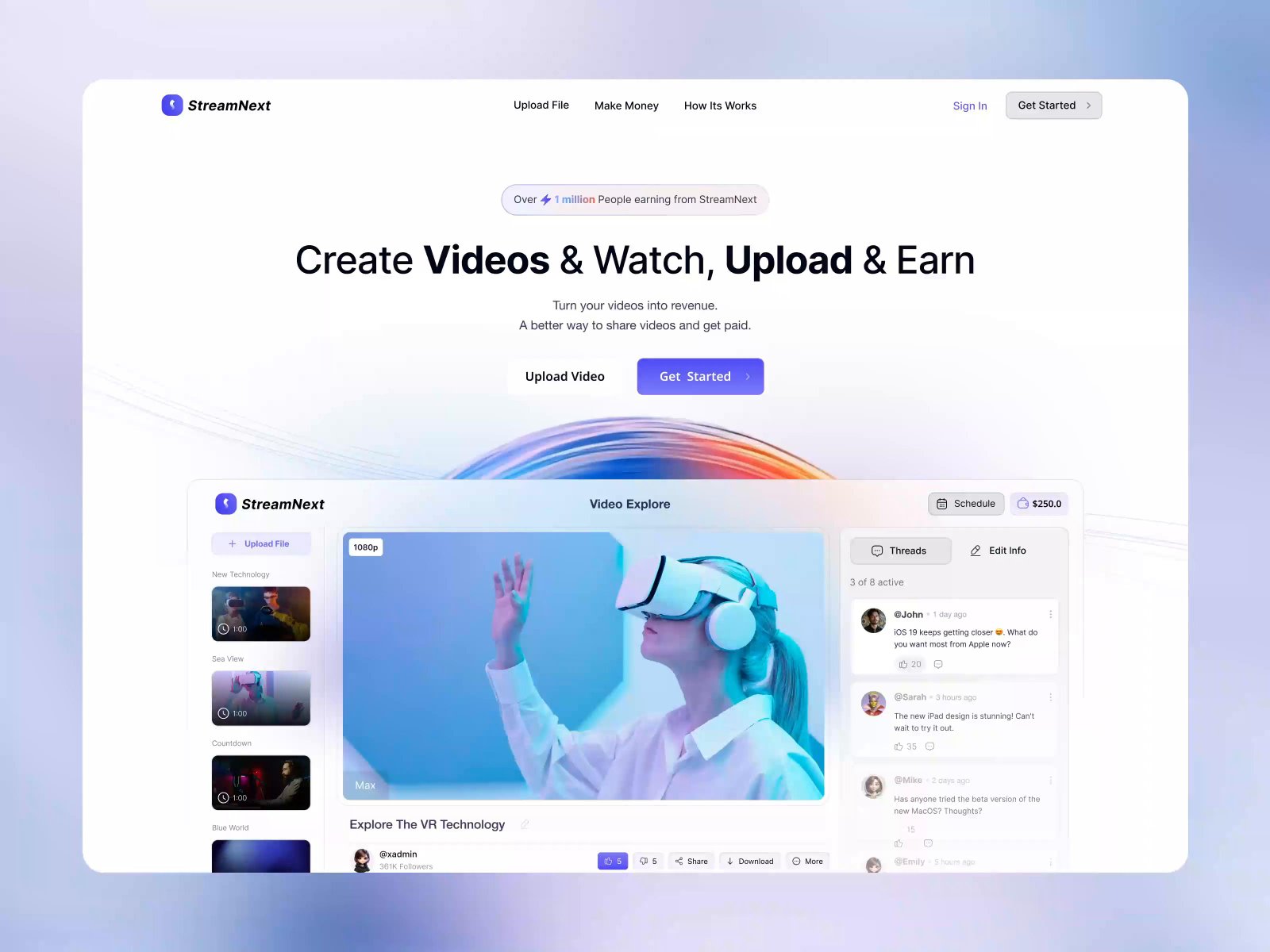
Achieved full endpoint coverage across upload, playback, and monetisation APIs, with auth, rate limits, and error paths verified end to end for a streaming platform.
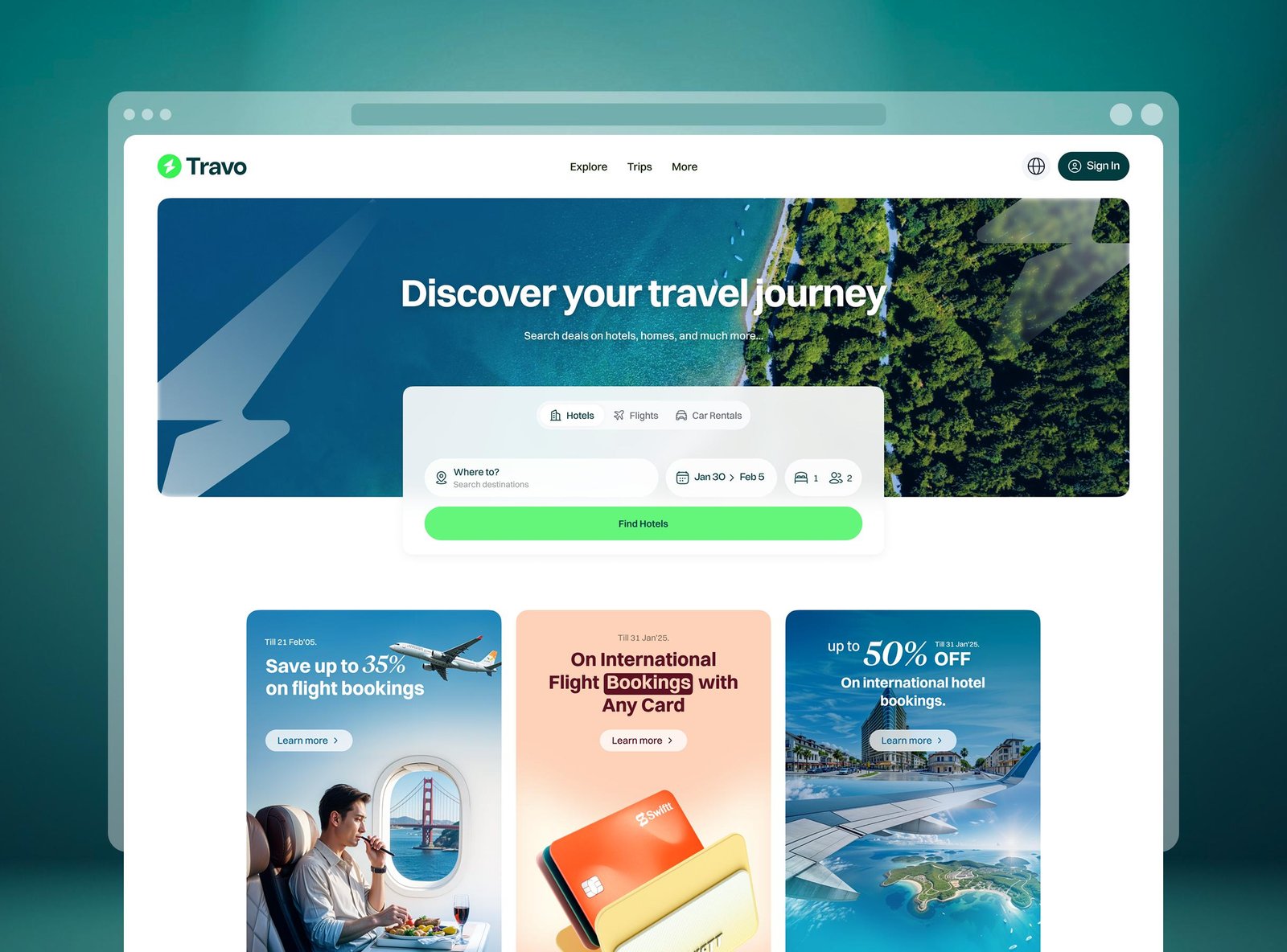
Contract and integration testing across hotel, flight, and car-rental APIs cut integration bugs 62% by catching schema and pricing mismatches before release.
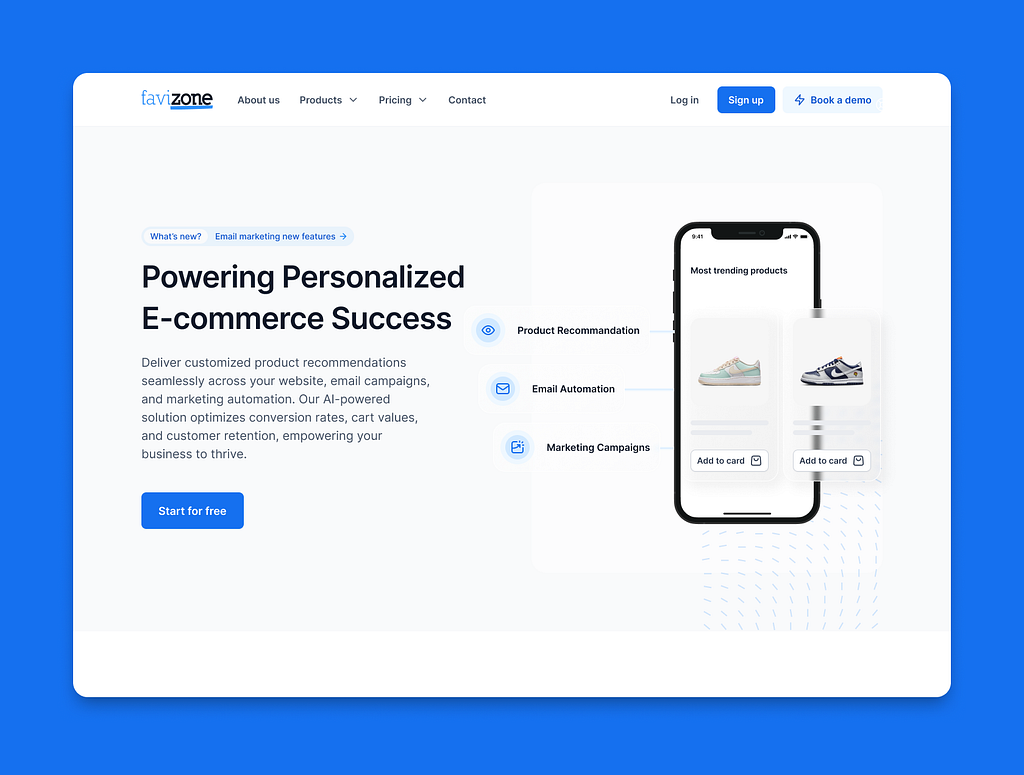
Wired end-to-end suites into CI for a US e-commerce marketing platform, cutting regression time 90% and shipping every merge regression-clean.
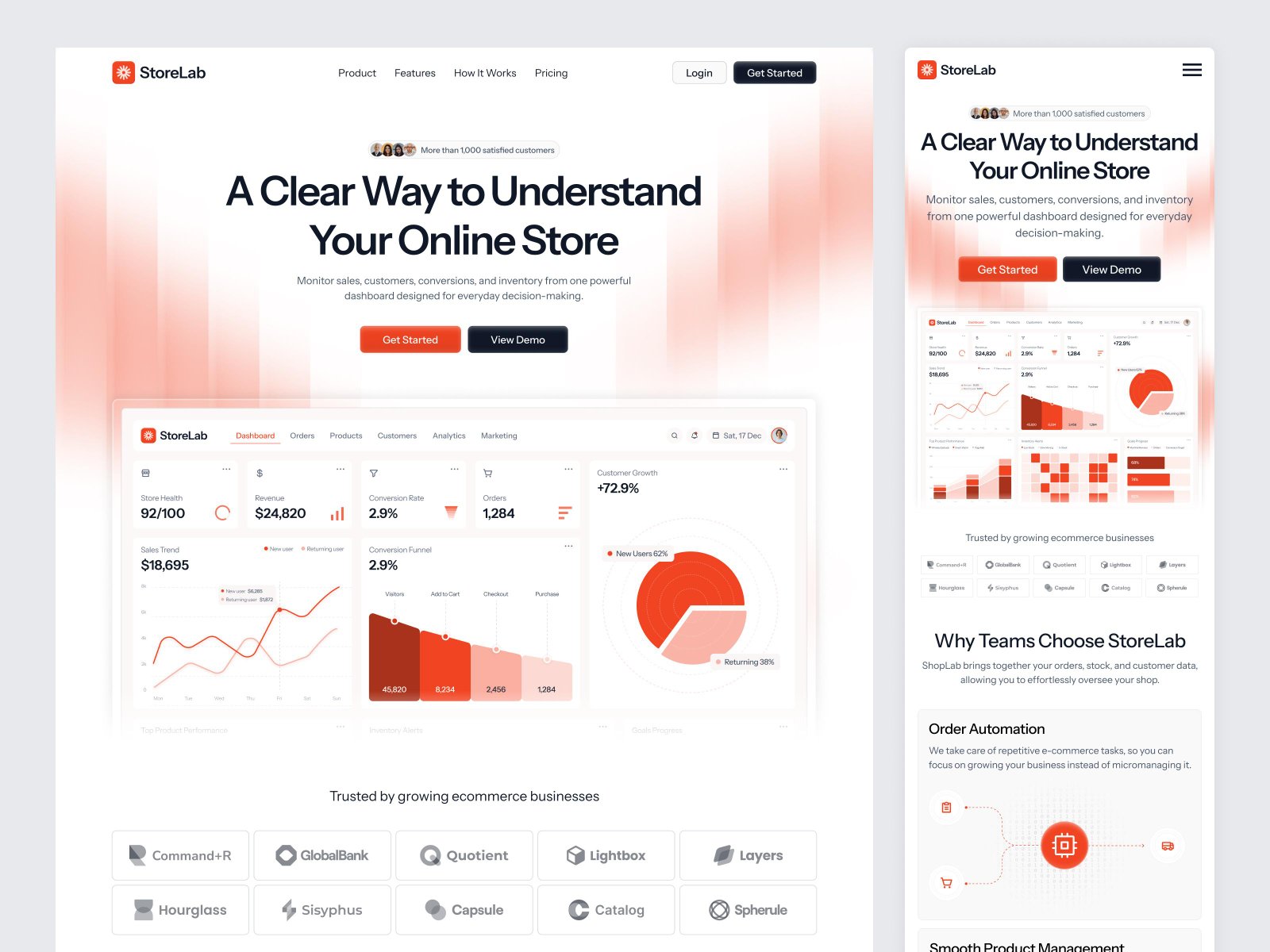
Delivered cross-browser E2E and API automation for a UK store analytics dashboard, catching orders, inventory, and reporting regressions before every release.
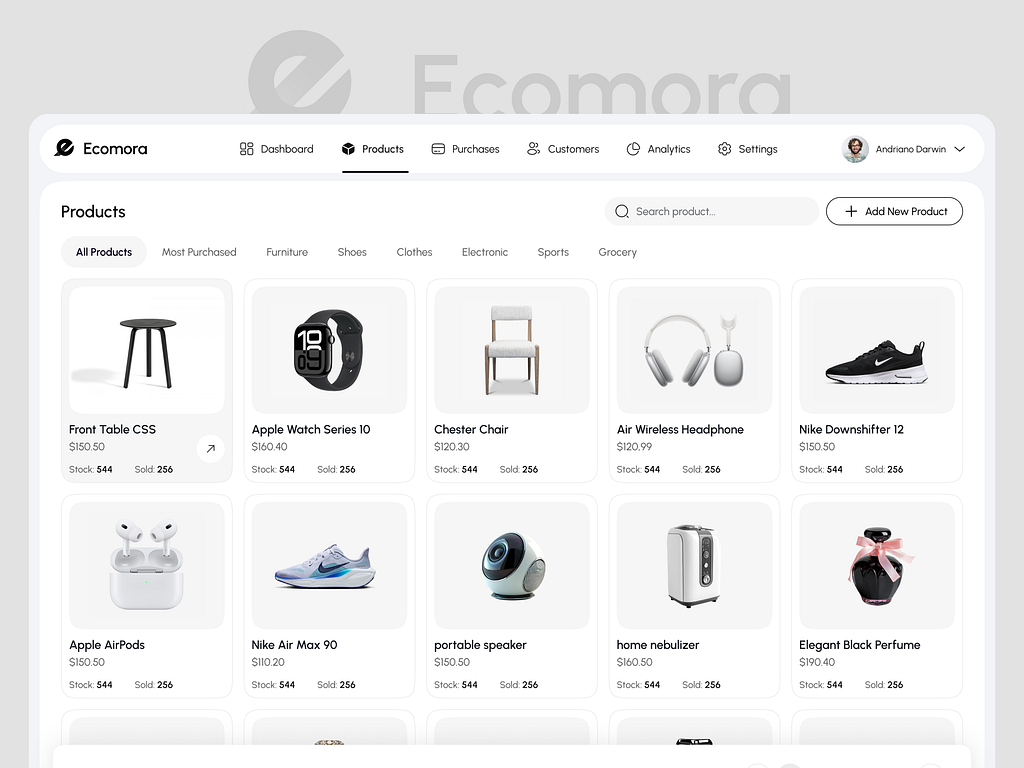
Functional and exploratory testing across catalogue, search, filters, and checkout caught layout and data defects before go-live, so a US retailer launched its new store with no customer-facing incidents.
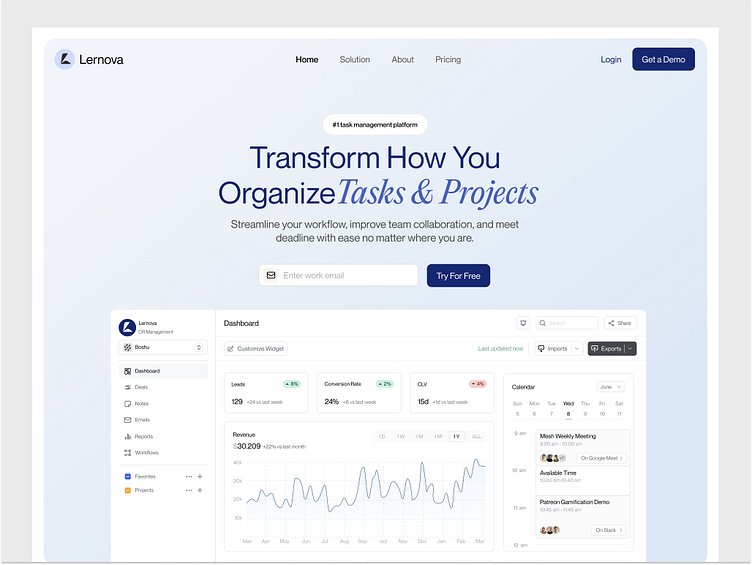
Hands-on regression and exploratory testing of boards, dashboards, and role-based workflows kept every critical path stable through fortnightly releases, holding critical-path coverage at 100% for a UK logistics-operations SaaS.
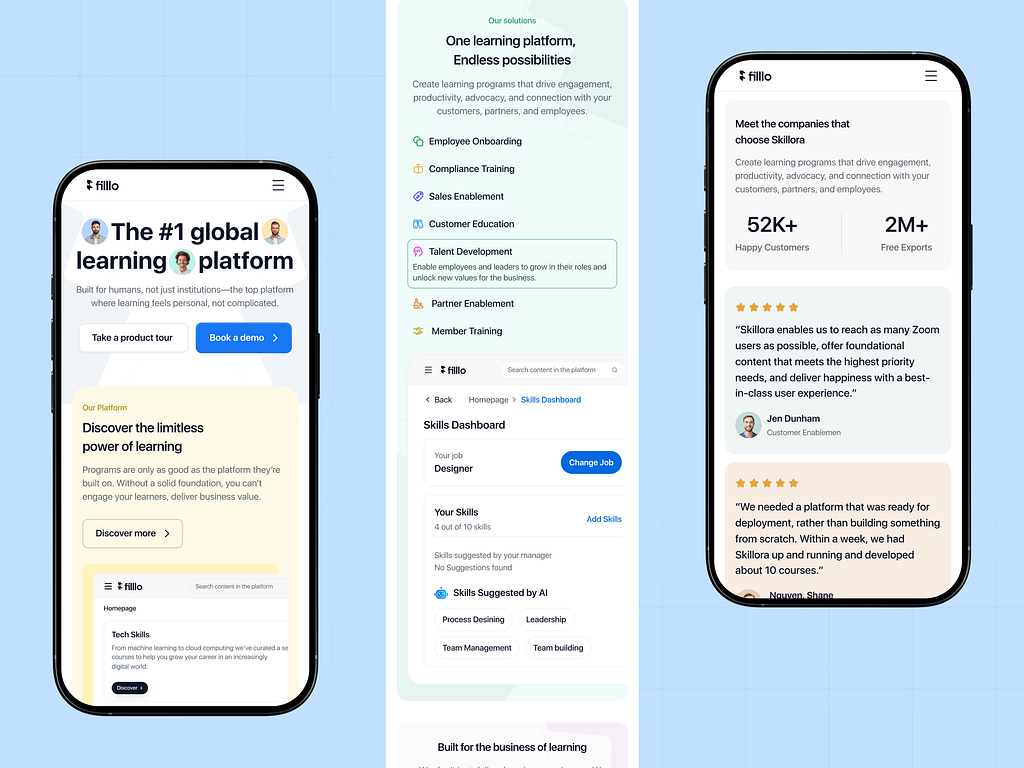
Real-device usability and hands-on accessibility testing with assistive technology took a public-sector learning app to a clean WCAG 2.2 AA launch with no post-release remediation sprint.
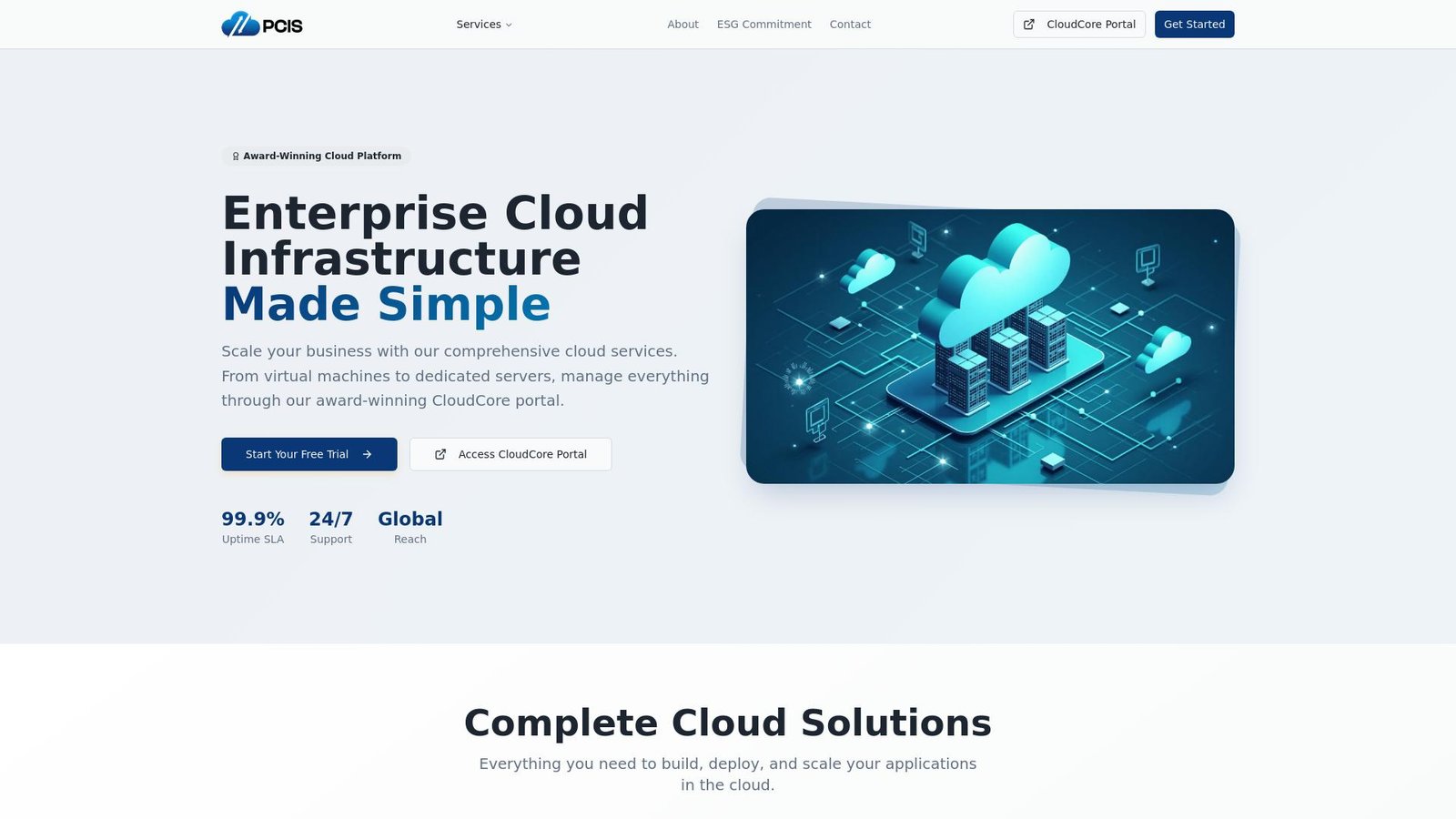
Validated a 99.9% uptime SLA under peak load, so the cloud portal and provisioning APIs held through demand spikes without incident.
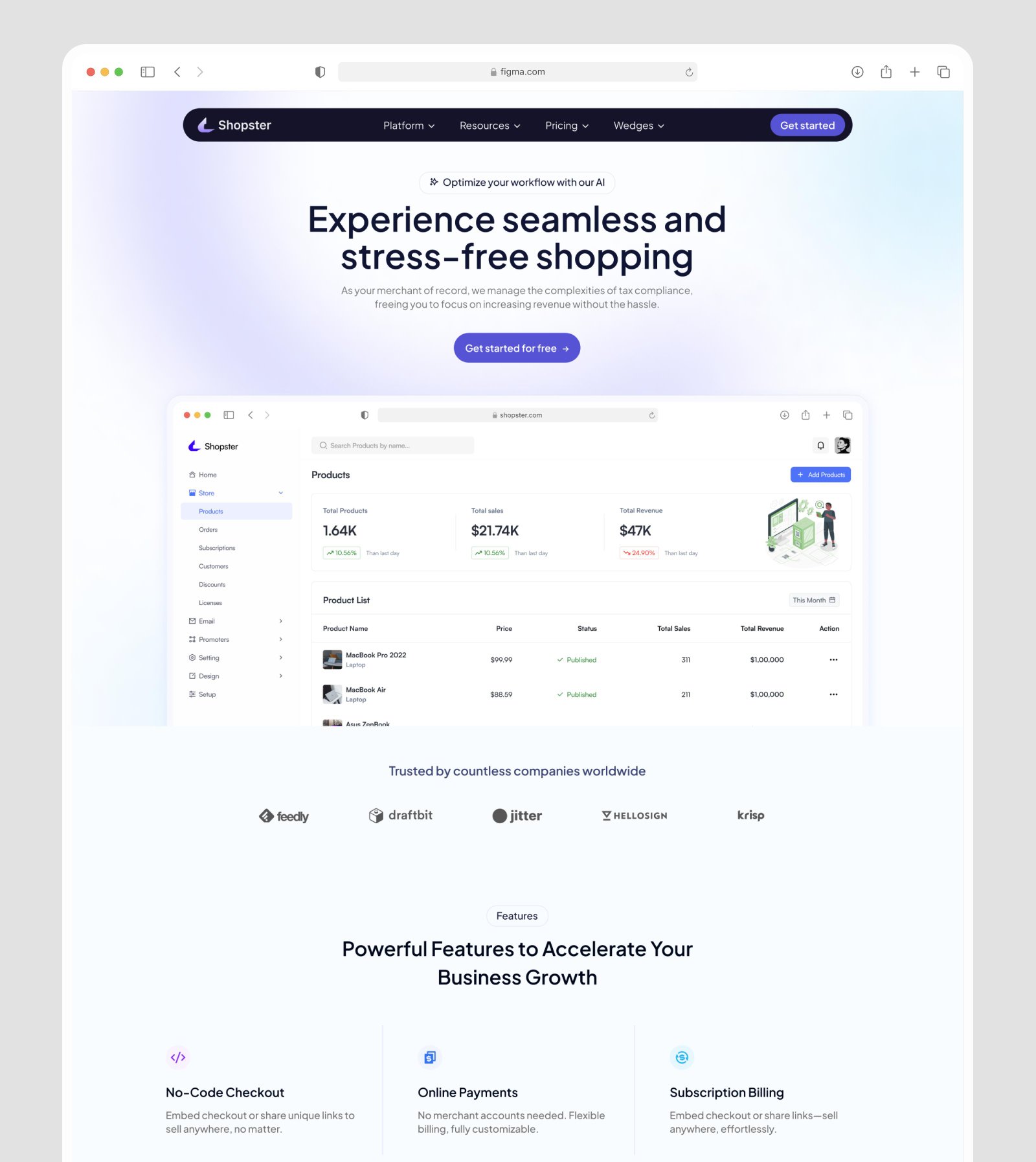
Isolated the true checkout bottleneck and produced a validated capacity model showing three times the throughput headroom the platform believed it had.
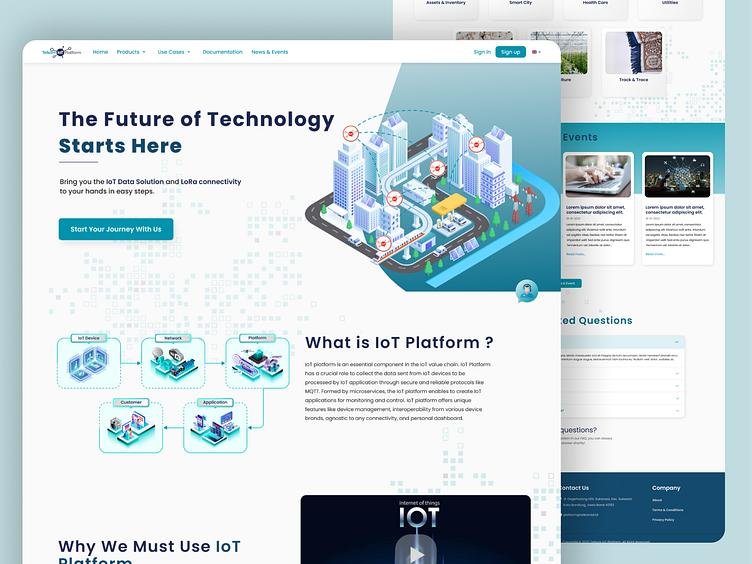
Proved stable ingestion throughput and latency at over a million device messages an hour, so the platform could onboard new fleets with confidence.
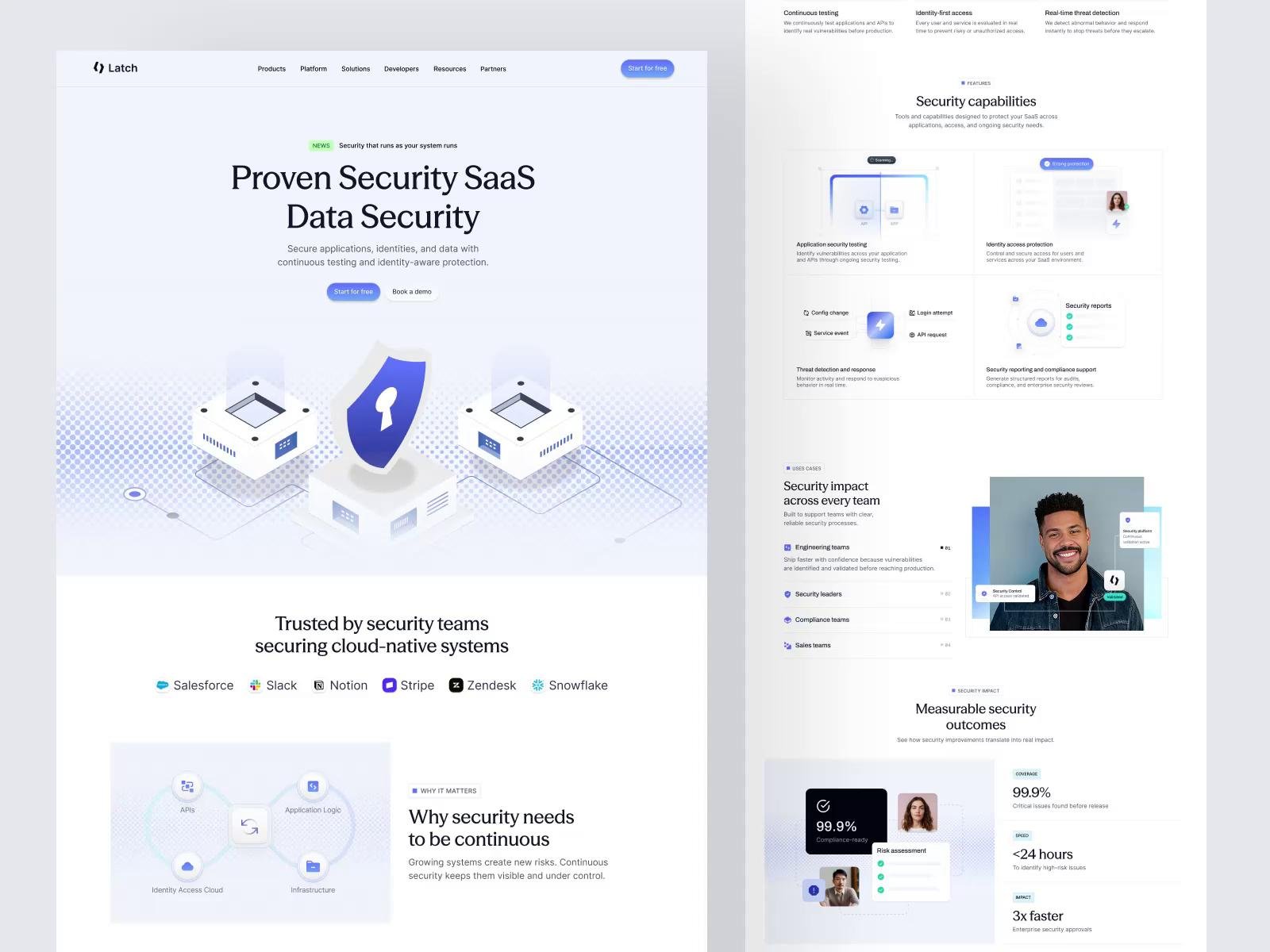
Delivered OWASP-aligned application and API testing that closed the exploitable paths and left the platform with zero critical findings at release.
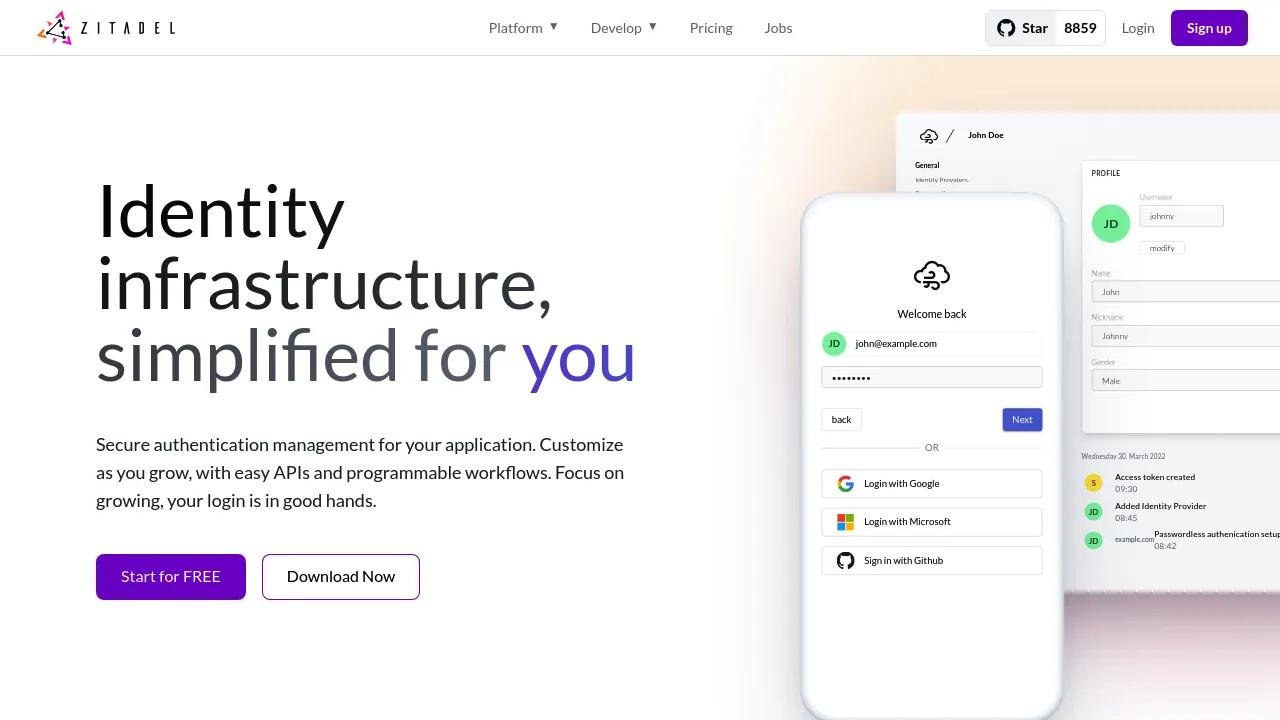
Tested login, SSO, and token flows end to end and hardened the identity layer against real abuse cases before rollout.
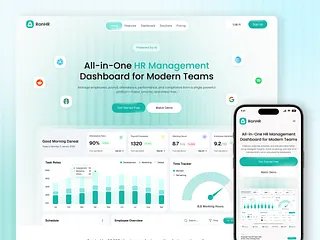
Scoped a focused credentialing pilot over a full rebuild, narrowing the programme 60% for a workforce management platform.
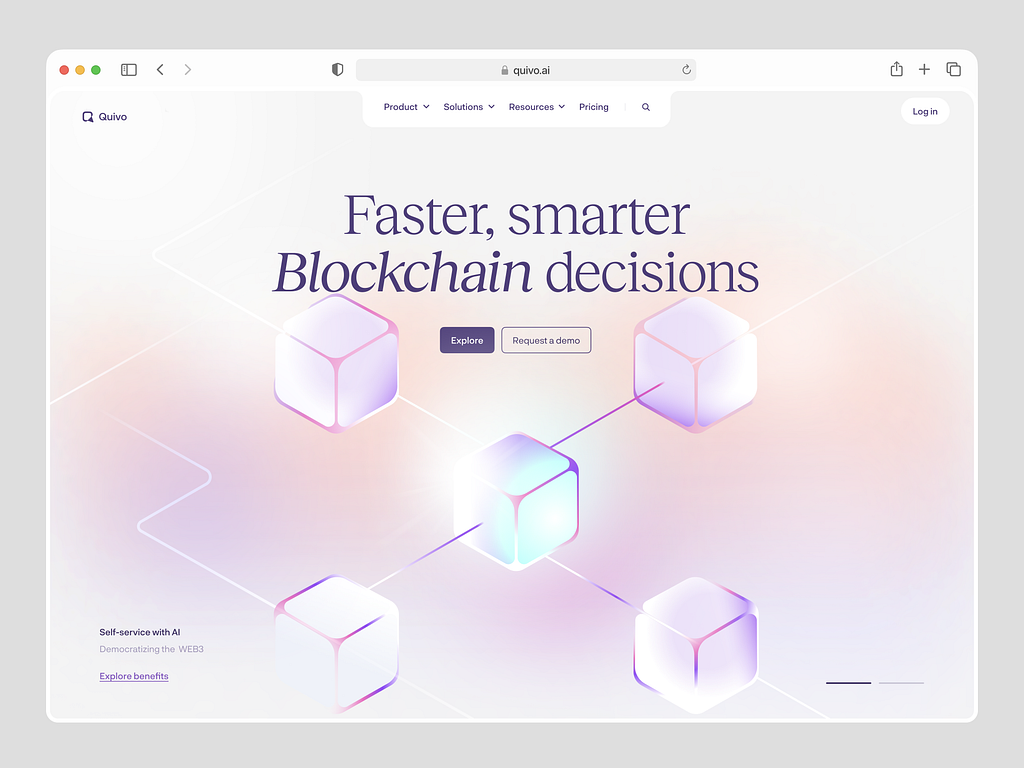
Turned raw on-chain data into a self-service intelligence dashboard that surfaces suspicious wallet activity in seconds for a public financial-intelligence unit.
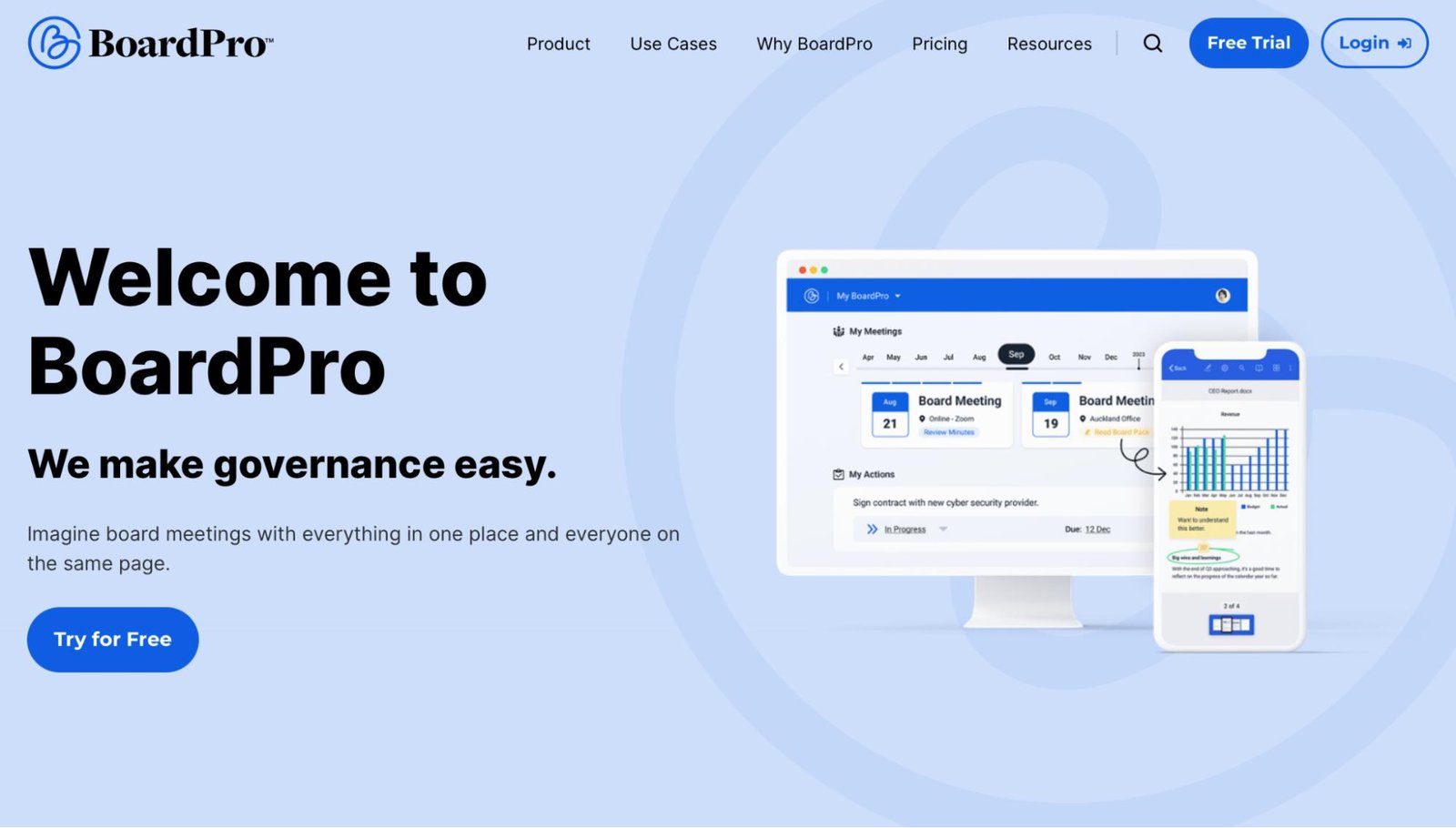
Wired the proposal-to-execution lifecycle straight into on-chain voting and treasury actions, tripling the speed of a Web3 organisation's proposal cycles.
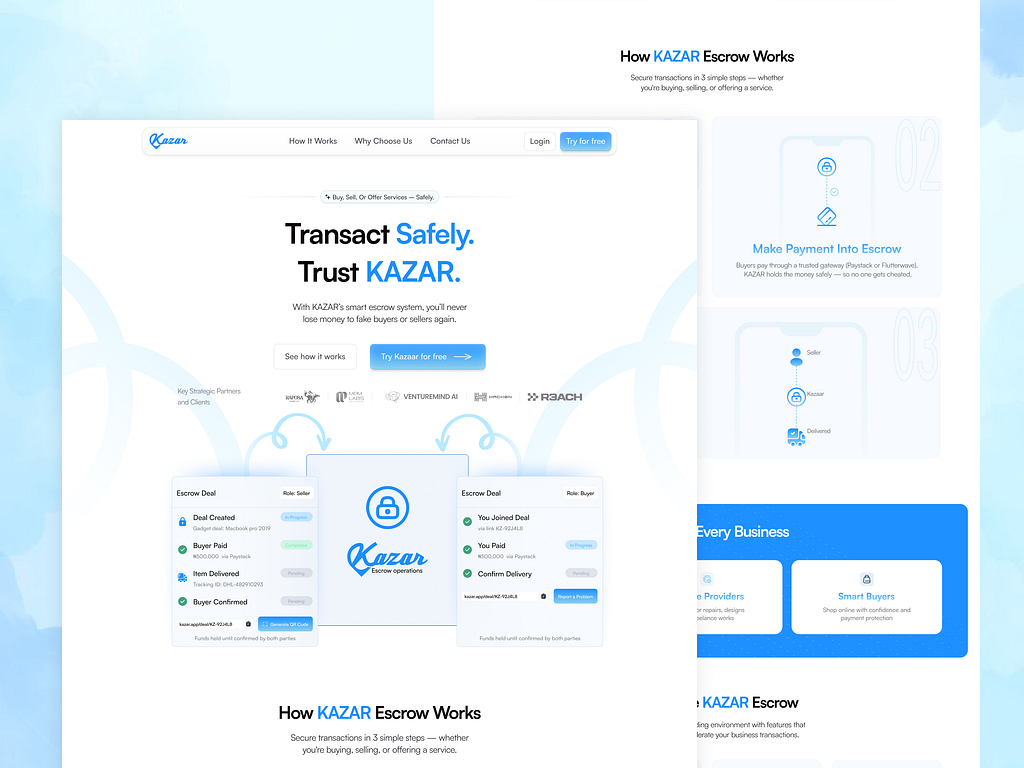
Fuzz- and invariant-tested escrow that holds buyer funds until both parties confirm delivery meant no funds were ever left stuck for a marketplace platform.
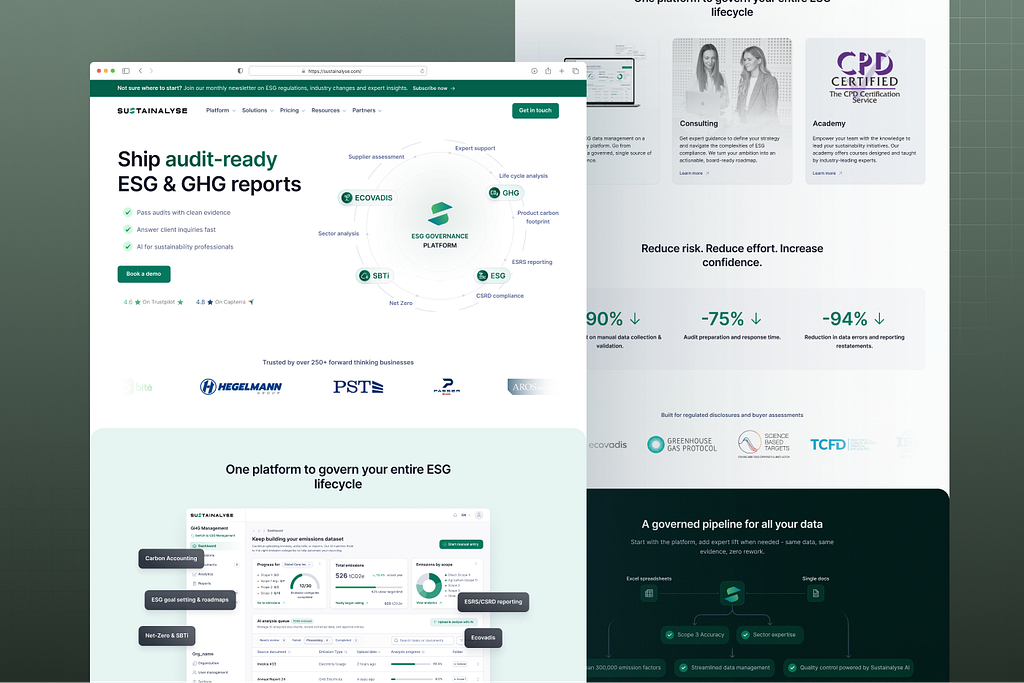
On-chain carbon-credit issuance and retirement contracts gave auditors tamper-proof evidence and cut reporting data errors by 94% for an ESG reporting platform.
BritonOne Technology is a full-cycle engineering company that builds and operates production software for regulated estates. Since 2017, we have shipped programmes that clear audit on the first pass across banking, insurance, wealth, healthcare, and biotech. Our teams pair deep domain knowledge with disciplined engineering, treating compliance, security, and resilience as first-class deliverables. From architecture through to live operations, we stay accountable for the systems we build, measuring success by uptime, audit outcomes, and defensible business results.
We don't compete on lowest day-rate. We compete on shipped outcomes inside environments that have to clear audit.

Every engineer on every engagement is at least senior, typically eight to fifteen years deep in their craft. No bench rotations, no junior pyramid hidden behind a glossy proposal, no bait-and-switch after contract signature. The architect who scoped your engagement is the same person committing code by week three.

FCA, PRA, EBA, BaFin, FINMA, HIPAA, SOC 2 Type II: every framework we work under is treated as a design constraint from day one, not a final-stage gate. Evidence trails, model-risk packs, change-control artefacts, and pen-test reports ship alongside the code, ready for second-line review without a remediation sprint.

Small pods of three to seven engineers, each with a named delivery lead who owns scope, schedule, and outcomes from kickoff to hand-off, never a faceless team you have to chase for an answer. Weekly demos run against the signed scope, frequent verification gates catch regressions early, and quarterly outcome reviews measure real progress against the original business case rather than a moving target. Together those rituals catch scope drift before it has any chance to compound, so programmes that should take six months don't quietly stretch into eighteen, budgets stay anchored to what was agreed, and every milestone ships with a written, testable definition of done that both sides sign off before we move on.

We don't disappear the moment the engagement closes. Managed services, hypercare windows, named on-call rotations, or quarterly health checks: pick the depth that matches your operational risk profile. About seventy percent of clients return for a second programme, usually because the team that shipped the first one is still on the other end of the page.
Anonymous under MNDA. Each quote is from a senior food-sector buyer who owned the engagement end to end.
“The first time we ran a mock recall on the new platform, the trace came back in 18 minutes instead of half a day. Our BRCGS auditor asked who built it.”
Direct answers to what procurement, security, and delivery leads weigh before signing: compliance, integration, and the accountability we put in writing.
We model traceability on GS1 standards: every input, batch, and finished lot carries a globally unique identifier, and we capture one-up, one-down links at each transformation from goods-in through production to dispatch. Lot genealogy is queryable in seconds, so a mock recall traces affected product across sites in minutes rather than hours. We wire the same event stream to your ERP and WMS so the audit trail and the stock record never disagree.