
Semantic Layer Engineering
Versioned metric definitions in dbt Semantic Layer, Cube, or LookML: one source of truth every renderer consumes.
Senior BI engineering (semantic-layer dashboards, modern data stack, lineage-evidenced metrics), engineered to replace the Excel + Power BI fragmentation with one source of truth your board actually trusts.

Pick a single capability or compose them into a full BI programme. Every engagement runs through the same metric-governance, lineage, and adoption gates.
Versioned metric definitions in dbt Semantic Layer, Cube, or LookML: one source of truth every renderer consumes.
Power BI, Tableau, and Looker dashboards built against the semantic layer, decision-grade, not impression-grade.
Customer-facing analytics surfaces, partner portals, and white-label data products powered by your warehouse.
Definition ownership, change-control, deprecation policy, the BI workflow that ends the war over numbers.
Certified datasets, governed workspaces, and analyst enablement that scales BI beyond the central team.
LLM-generated explanations grounded in your semantic layer: exec summaries and alert context, hallucination-managed.
Seven stages from metric audit to enterprise-scale BI. Every engagement runs through the same gates, with metric ownership and adoption measured from day one.
Audit dashboards and conflicting metric definitions.
Design semantic layer and metric catalogue.
Stand up warehouse, dbt project and semantic layer.
Build dashboards against the semantic layer.
Versioned definitions, change-control and RBAC.
Train self-serve users with governance guardrails.
Embedded analytics, AI narratives and warehouse FinOps.
Each tab below shows what production-grade looks like for a different layer of the BI stack. Pick the one closest to your current bottleneck.
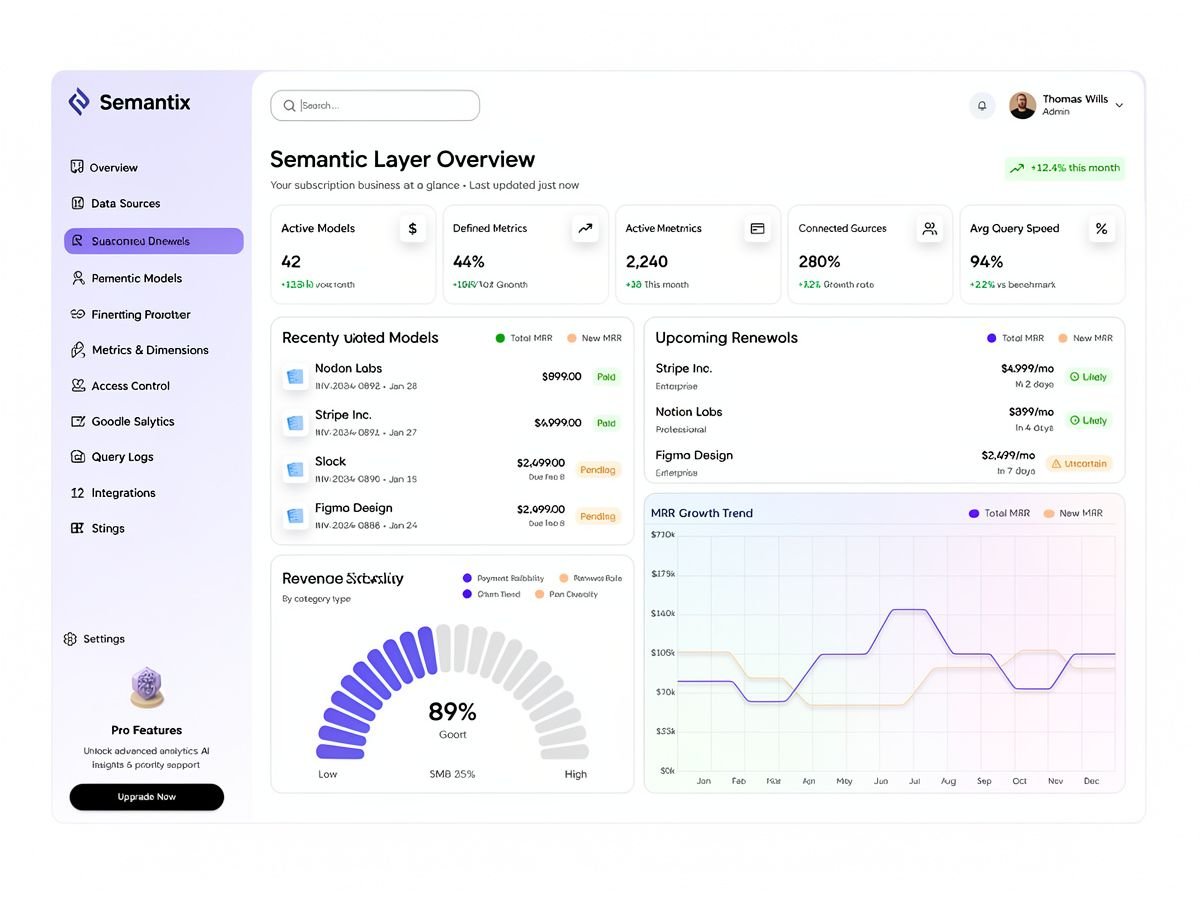
dbt Semantic Layer, Cube, or LookML: versioned, lineage-evidenced metric definitions owned by data engineering and consumed by every renderer.
Single source of truth Revenue, churn, active users: one definition that Power BI, Tableau, and your finance team all consume.
Lineage & change-control Every metric carries column-level lineage and a PR-reviewed change history.
Renderer-agnostic Swap dashboards tomorrow: the metric definitions don't move.
Tested by default dbt tests, freshness SLAs, and schema-change alerts on every definition.
Every engagement walks the same path, sized to your problem, but with the same verification gates baked in.

Two-week paid sprint. Architect-led. Output: regulator map, costed roadmap, signed scope.

Pod composition, sequenced milestones, change-control governance, and risk register.

Reference architecture, threat model, design system, and acceptance criteria locked.

Weekly demos, trunk-based, CI/CD from day one. Code reviewed against spec at every gate.

Unit, integration, e2e, security, performance, and accessibility, automated and gated.

Blue-green or canary, observability live before launch, rollback rehearsed.

Managed services or hypercare hand-off. Defined SLOs, named on-call, monthly reviews.
Success stories
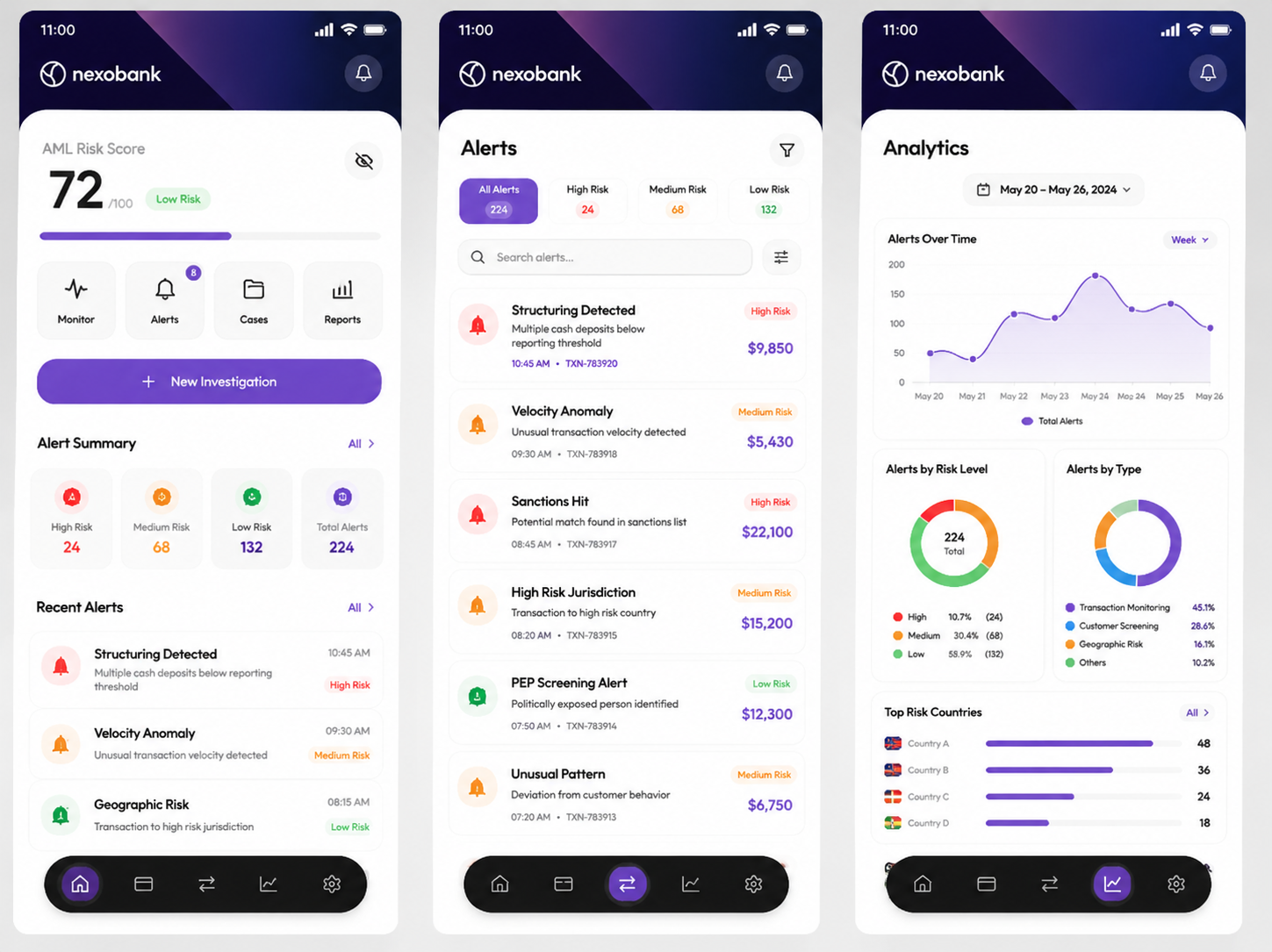
Cut false-positive AML alerts 44% at a bank while catching more genuine risk.
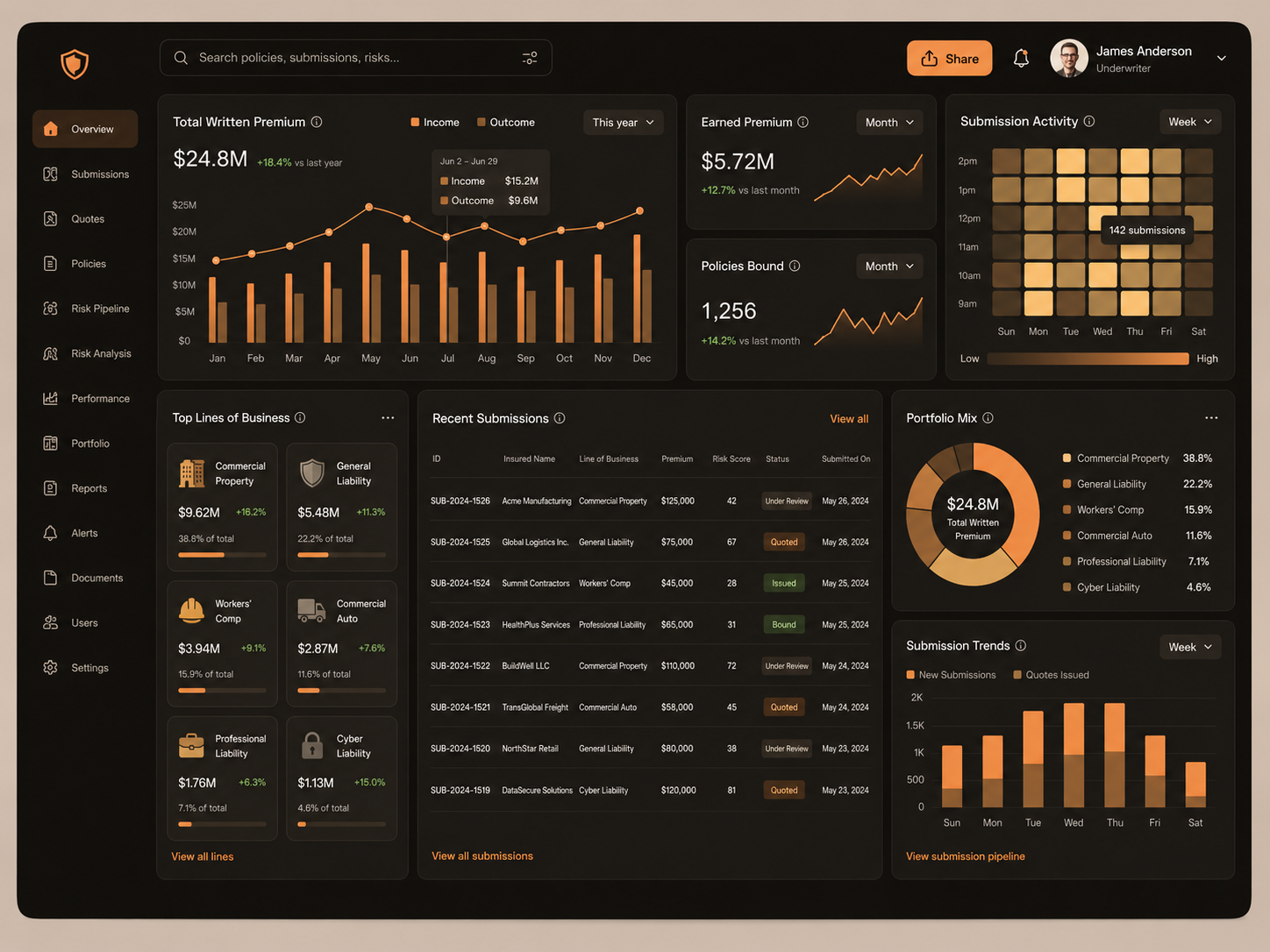
Replaced 60 spreadsheets with one governed underwriting board pack for an insurer.
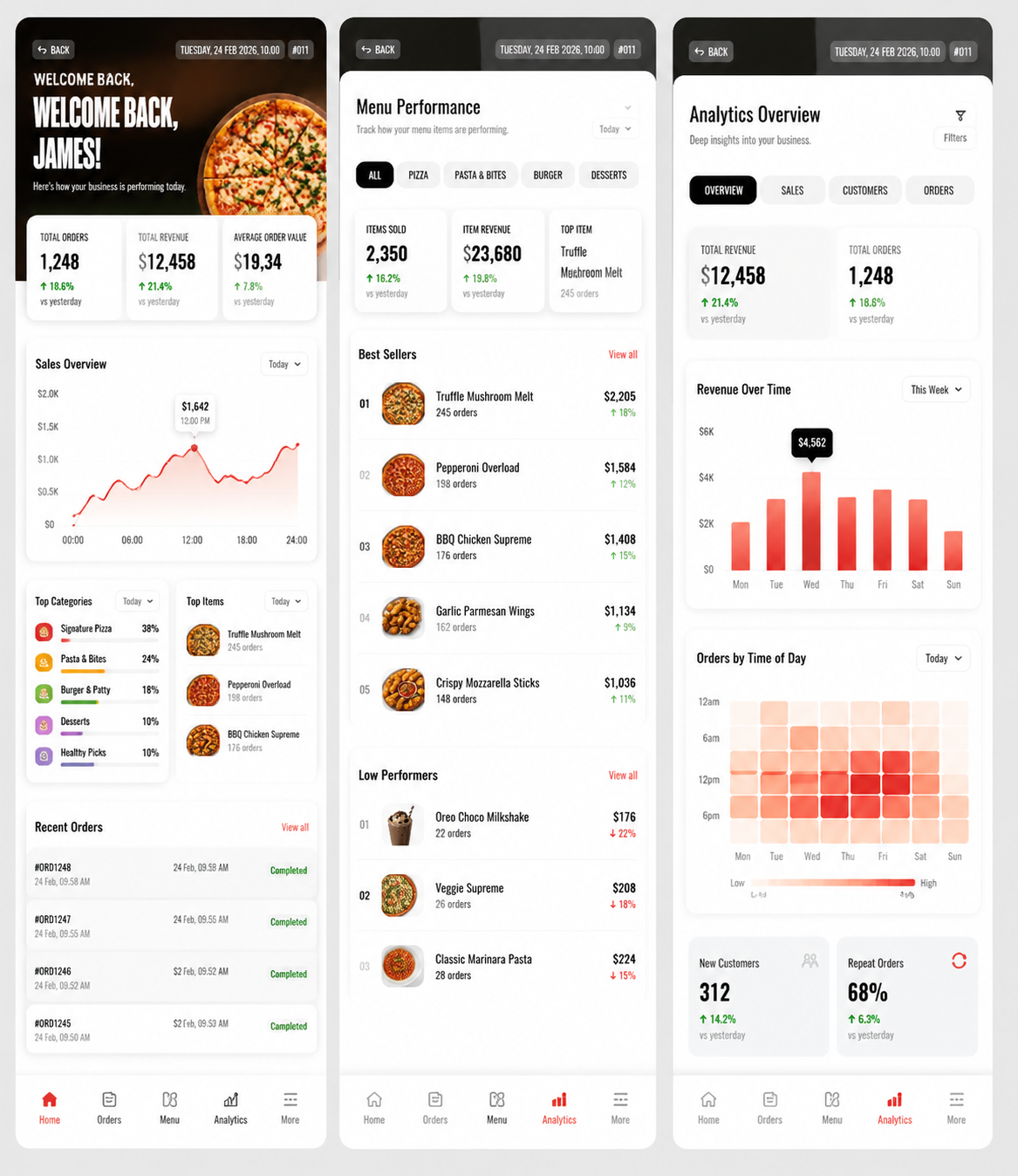
Self-service models tripled analyst throughput at a food-delivery platform.
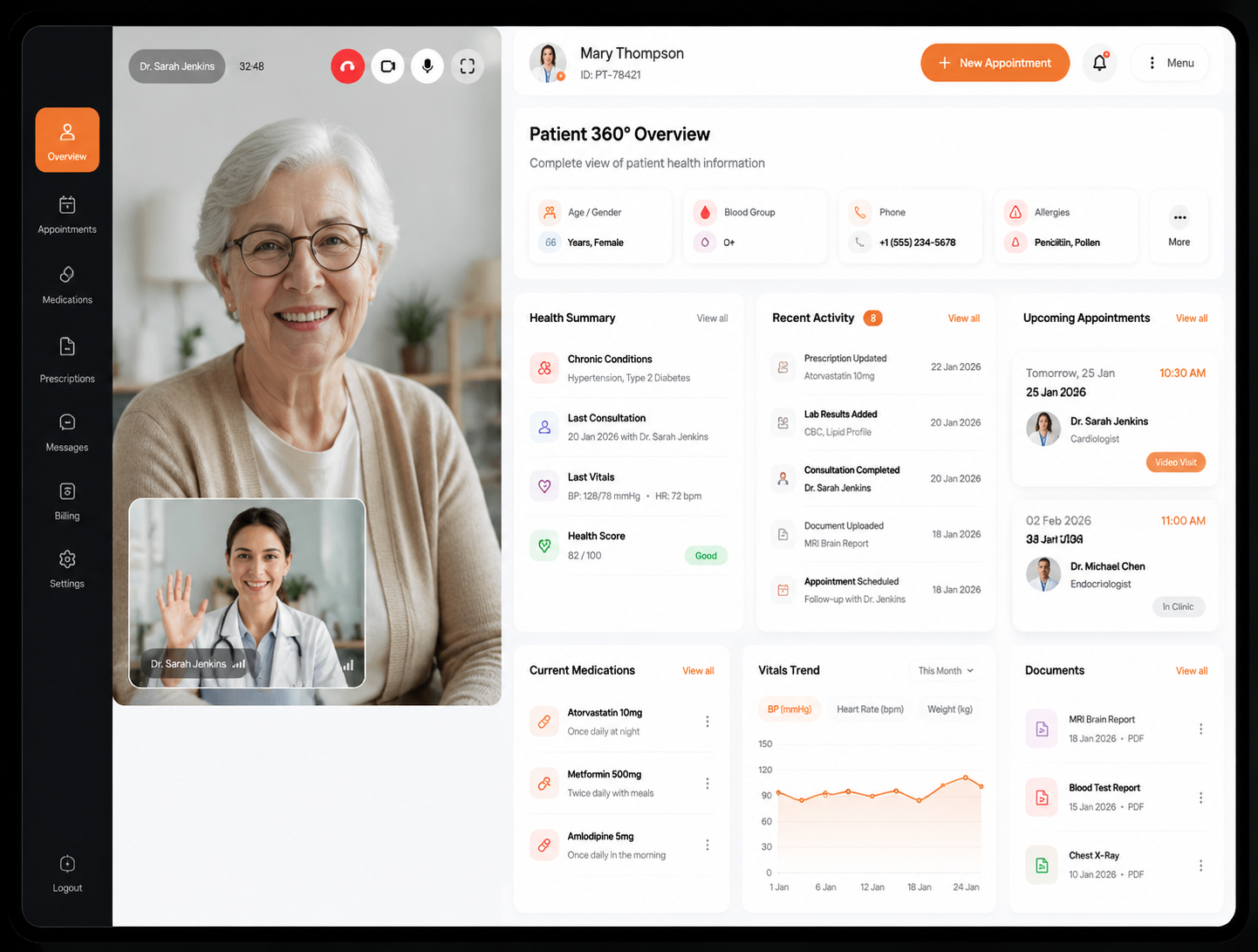
Unified a fragmented patient view, lifting care-team efficiency 24% at a telemedicine provider.
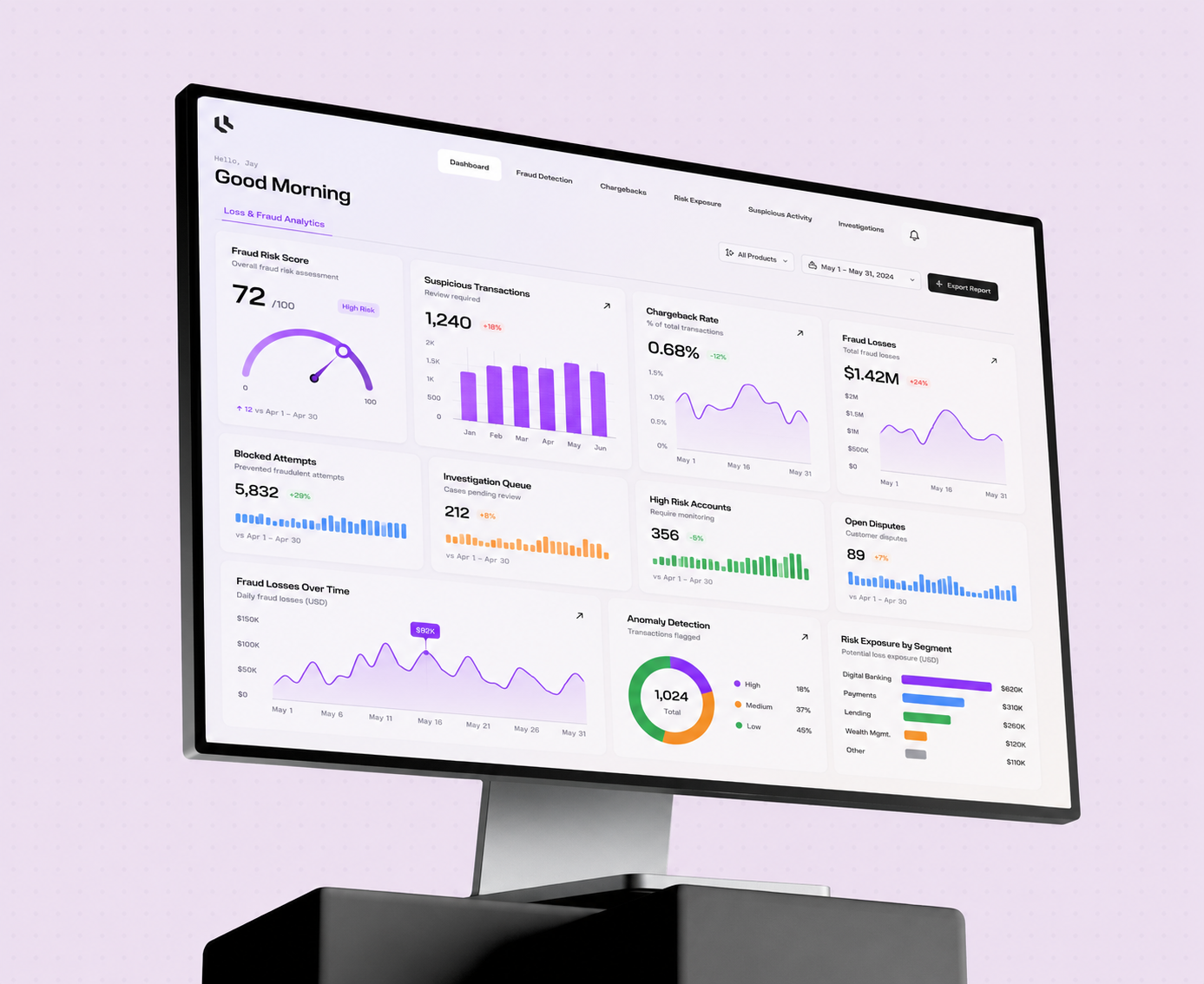
Live loss-and-fraud analytics replaced a two-day report at a fintech, surfacing emerging fraud same-day.

Unified 40 sources into a governed lakehouse, cutting report build time 60% for a grocery retailer.
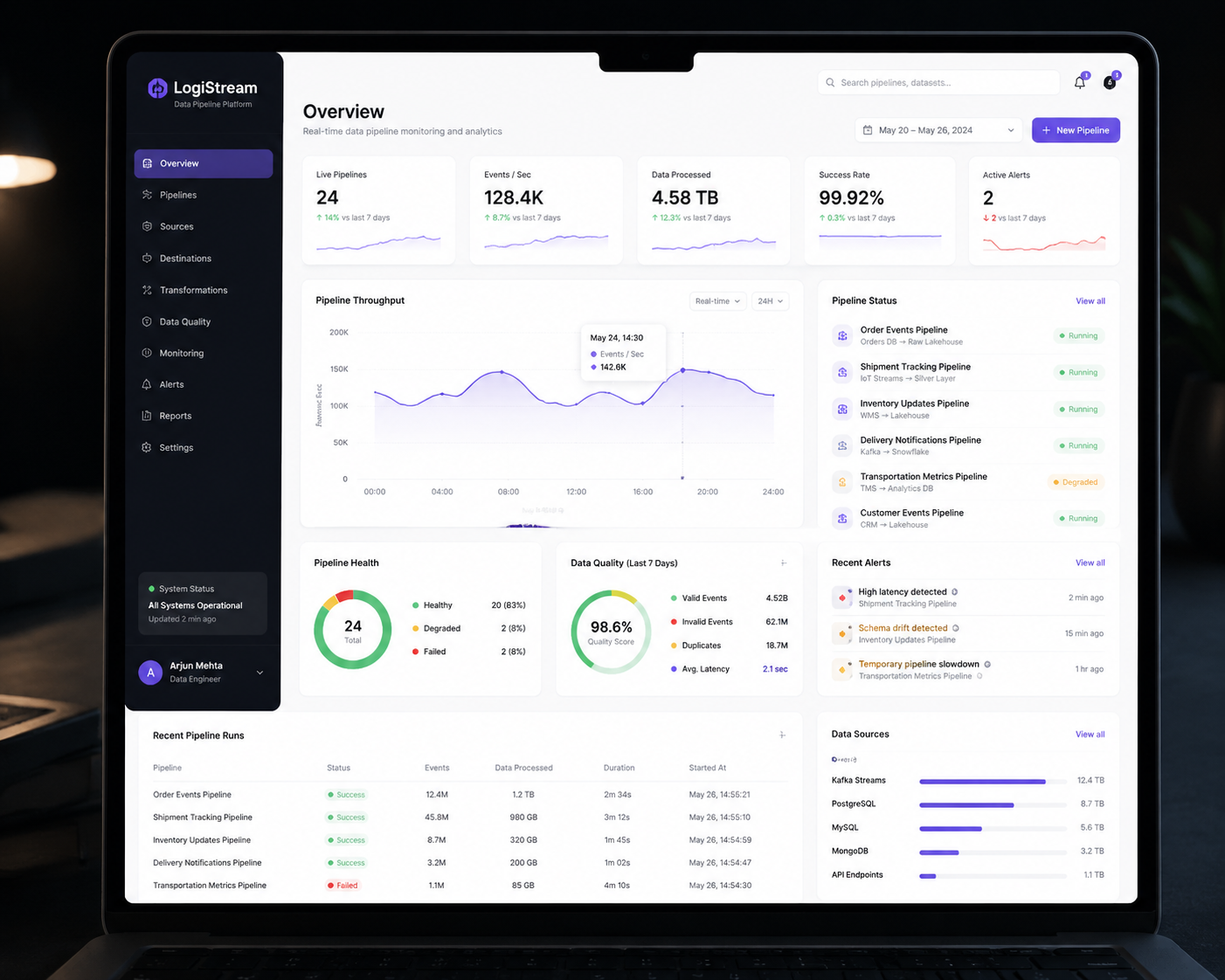
Delivered sub-second track-and-trace event data to 30 teams for a logistics operator.
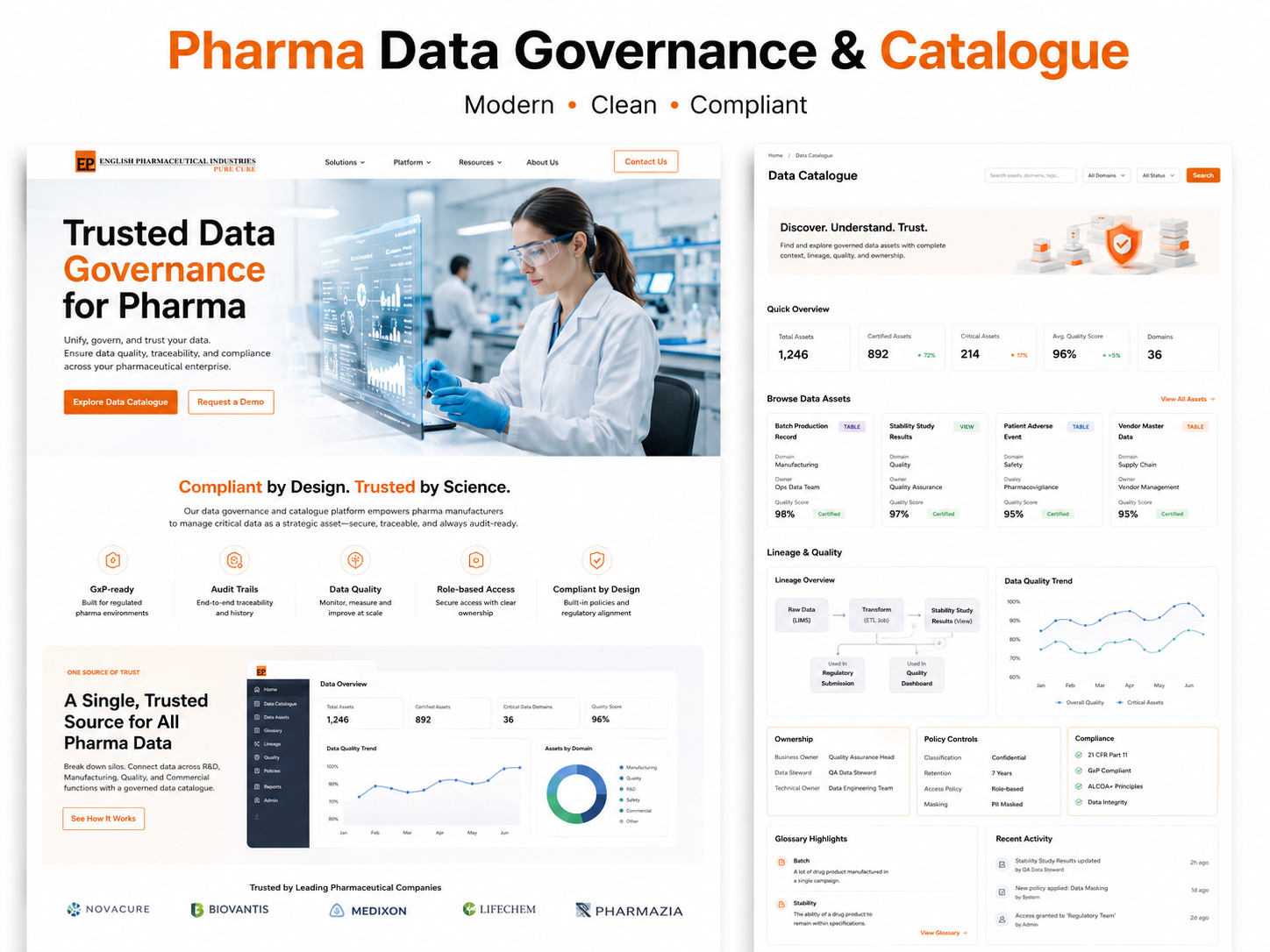
Catalogued and lineage-traced 100% of GxP-regulated data domains for a pharma manufacturer.

Migrated a legacy warehouse to the cloud, cutting query cost 45% for a carmaker.
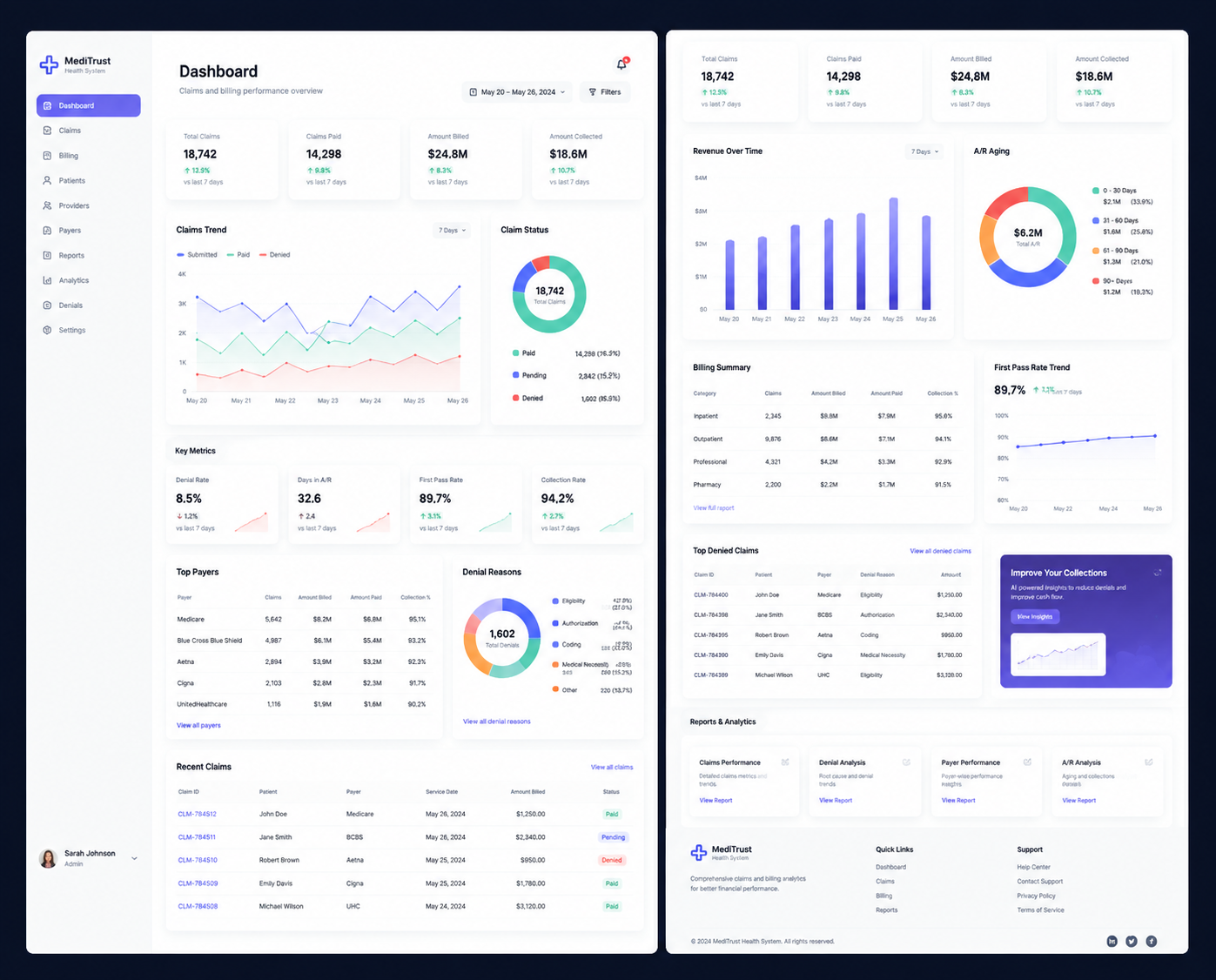
Unified claims and billing data, cutting rejected-claim rework 38% for a hospital group.
BritonOne Technology is a full-cycle engineering company that builds and operates production software for regulated estates. Since 2017, we have shipped programmes that clear audit on the first pass across banking, insurance, wealth, healthcare, and biotech. Our teams pair deep domain knowledge with disciplined engineering, treating compliance, security, and resilience as first-class deliverables. From architecture through to live operations, we stay accountable for the systems we build, measuring success by uptime, audit outcomes, and defensible business results.
We don't compete on lowest day-rate. We compete on shipped outcomes inside environments that have to clear audit.

Every engineer on every engagement is at least senior, typically eight to fifteen years deep in their craft. No bench rotations, no junior pyramid hidden behind a glossy proposal, no bait-and-switch after contract signature. The architect who scoped your engagement is the same person committing code by week three.

FCA, PRA, EBA, BaFin, FINMA, HIPAA, SOC 2 Type II: every framework we work under is treated as a design constraint from day one, not a final-stage gate. Evidence trails, model-risk packs, change-control artefacts, and pen-test reports ship alongside the code, ready for second-line review without a remediation sprint.

Small pods of three to seven engineers, each with a named delivery lead who owns scope, schedule, and outcomes from kickoff to hand-off, never a faceless team you have to chase for an answer. Weekly demos run against the signed scope, frequent verification gates catch regressions early, and quarterly outcome reviews measure real progress against the original business case rather than a moving target. Together those rituals catch scope drift before it has any chance to compound, so programmes that should take six months don't quietly stretch into eighteen, budgets stay anchored to what was agreed, and every milestone ships with a written, testable definition of done that both sides sign off before we move on.

We don't disappear the moment the engagement closes. Managed services, hypercare windows, named on-call rotations, or quarterly health checks: pick the depth that matches your operational risk profile. About seventy percent of clients return for a second programme, usually because the team that shipped the first one is still on the other end of the page.
Anonymous under MNDA. Each quote is from a senior buyer who owned the engagement end to end across the services catalogue.
“BritonOne Technology replaced two of our incumbent vendors with one team. Faster sprints, fewer status meetings, more code shipped per week.”