
AML transaction-monitoring analytics for a bank
Cut false-positive AML alerts 44% at a bank while catching more genuine risk.
44%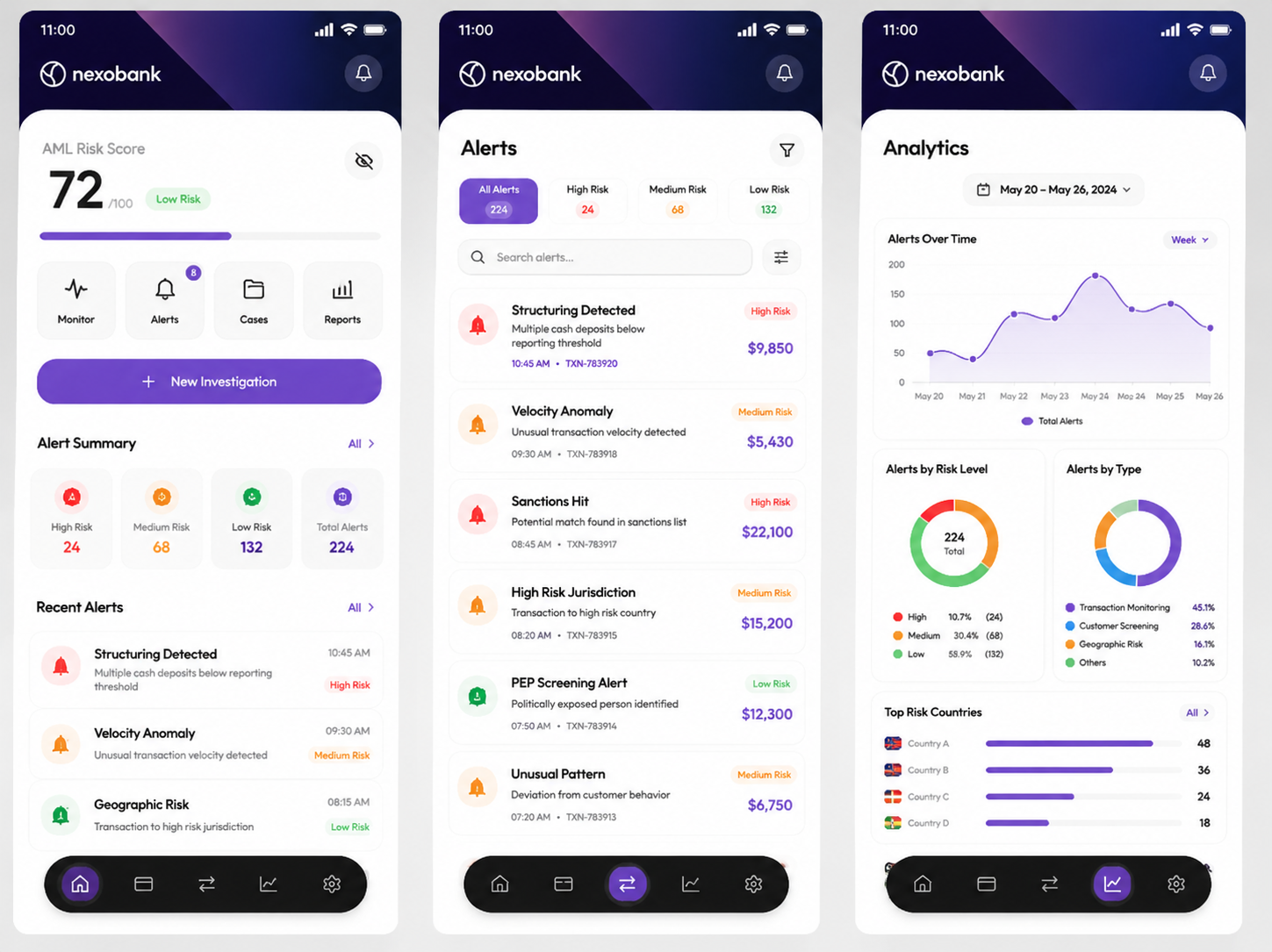
Problem, approach, and the outcome
The client is a UK bank whose AML transaction-monitoring relied on crude rules that flooded investigators with false positives. Effective monitoring is both a regulatory obligation and a genuine defence against financial crime.
Investigators spent most of their time clearing noise, which is expensive and risks real cases hiding in the flood.
Crude transaction-monitoring rules drowned analysts in false positives while still missing subtle laundering patterns. The system was simultaneously too noisy and not sharp enough.
Investigators spent their days clearing noise, which is both expensive and a genuine financial-crime risk when real cases hide in the flood. Wasted effort on false positives is also risk on true ones.
The bank needed sharper detection and less noise at the same time, without weakening its regulatory defensibility. Every improvement had to remain provable to the regulator.
We rebuilt monitoring on governed data with risk-scored alerts, so investigators see ranked risk rather than an undifferentiated queue. Ranking by risk focuses scarce investigator time where it matters.
Network features surfaced relationship patterns that flat rules miss entirely, catching the subtler cases the old system let through. Looking at relationships, not just transactions, is what improves detection.
We tuned the models against confirmed outcomes, so the system learned from real case dispositions, and every alert carries its evidence, keeping the whole approach defensible to the regulator. Sharper detection and defensibility came together.
- 44% cut in false-positive alerts
- More genuine risk caught
- Every alert evidenced for the regulator
- Network features surface patterns flat rules miss
More Data & Analytics case studies
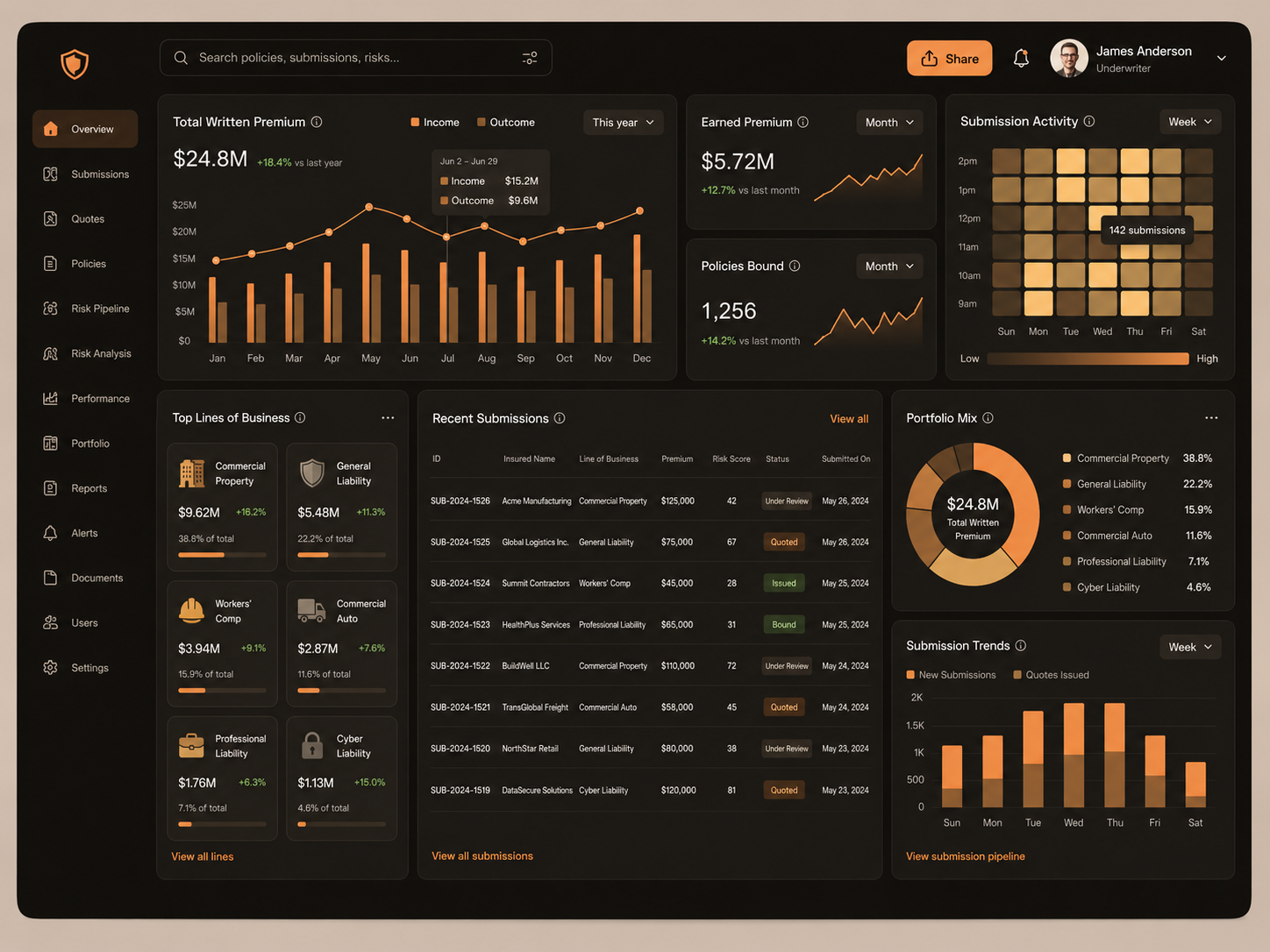
Underwriting analytics dashboards for an insurer
Replaced 60 spreadsheets with one governed underwriting board pack for an insurer.
Read the full case study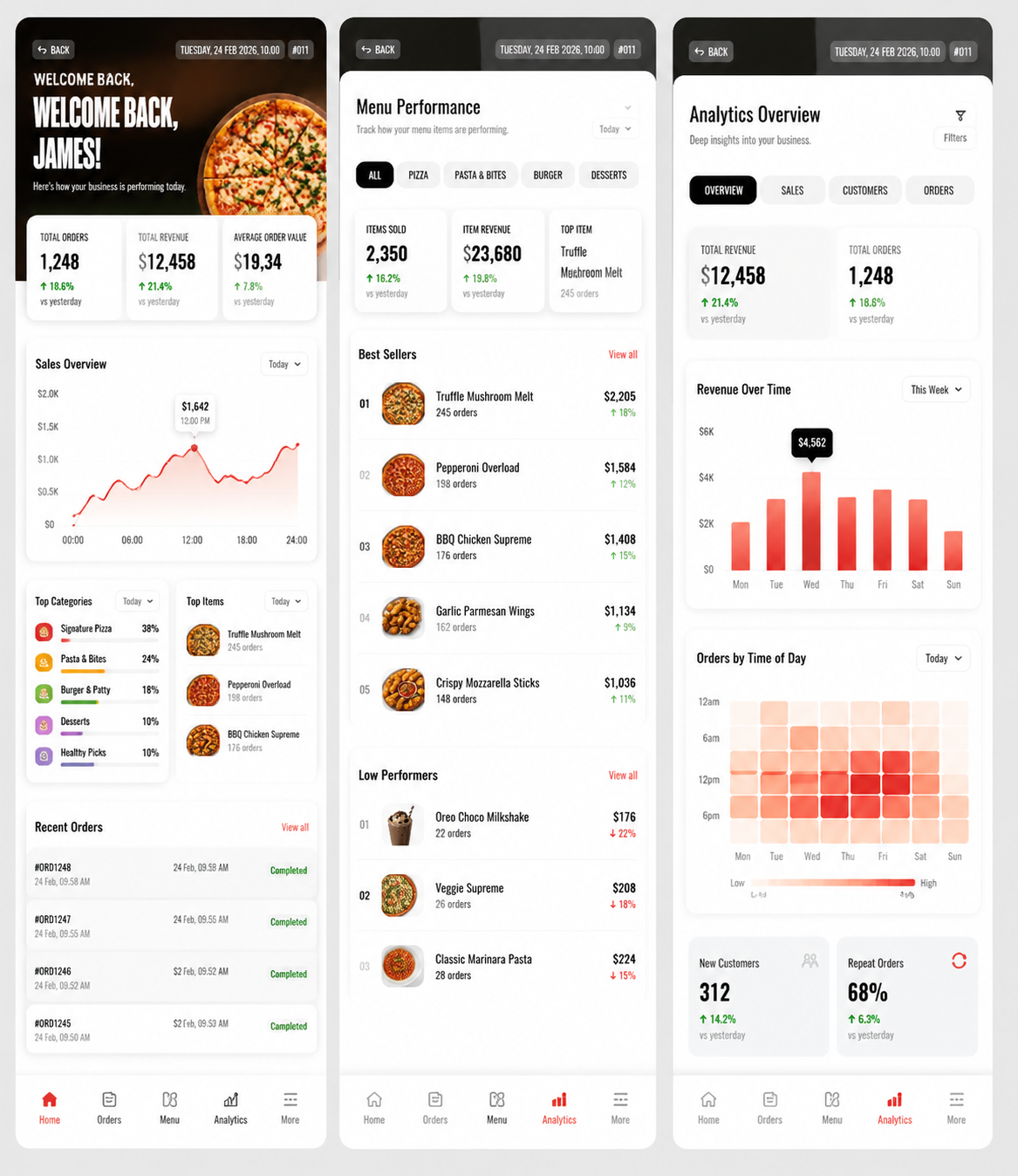
Self-service analytics for a foodtech platform
Self-service models tripled analyst throughput at a food-delivery platform.
Read the full case study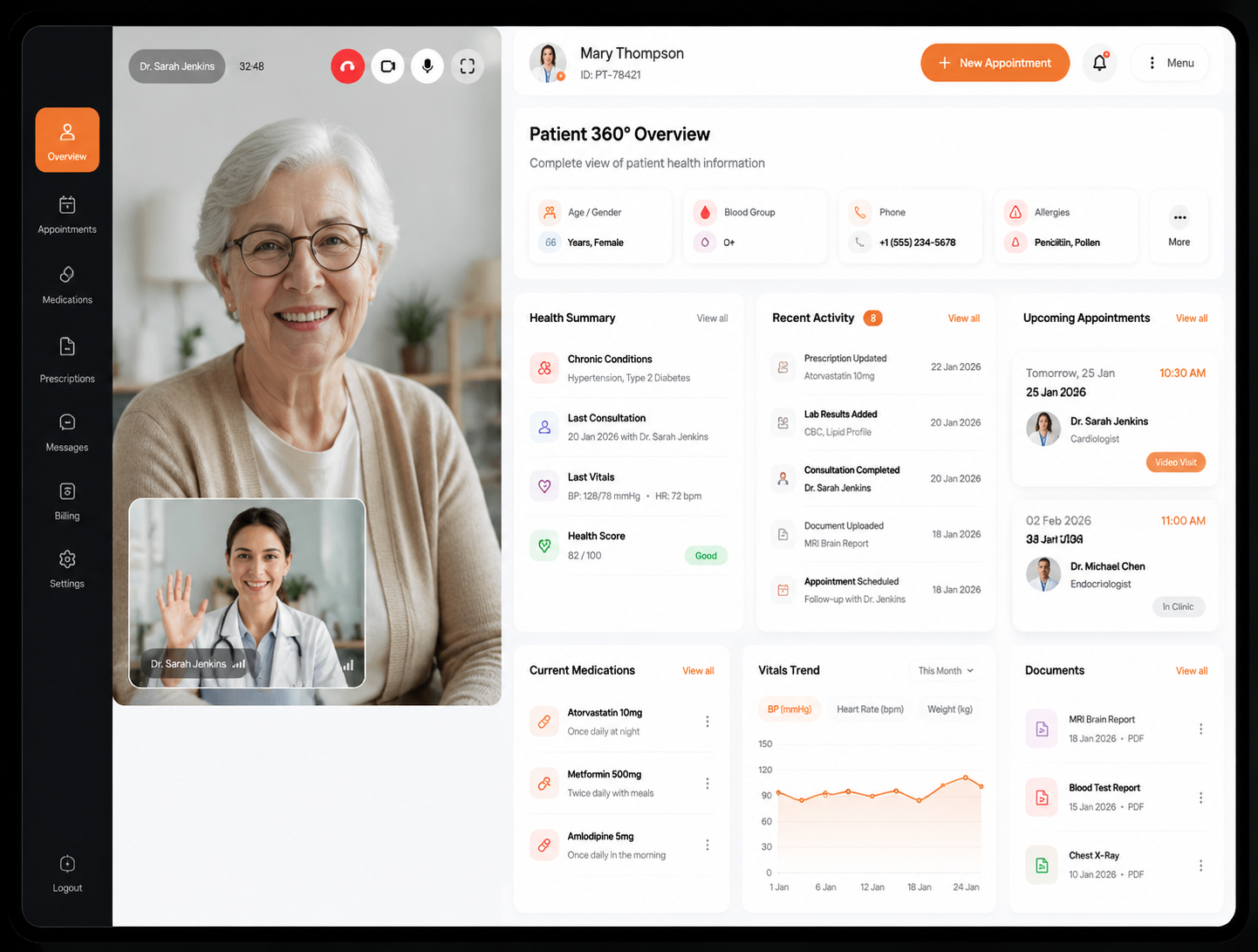
Patient 360 for a telemedicine provider
Unified a fragmented patient view, lifting care-team efficiency 24% at a telemedicine provider.
Read the full case studyGet a senior architect on the call, first time, every time.
No SDR gauntlet. 30 minutes with an engineer who can scope the problem, name the risks, and give you an honest feasibility call.