
Claims & policy engineering
Policy lifecycle modelling, FNOL ingestion, claim event sourcing, reserve calculations, and reinsurance-treaty wiring, production-grade from the first commit.
Claims automation, underwriting AI, policy-admin modernisation, and Solvency II reporting, built by senior teams who have shipped inside carriers, Lloyd's syndicates, and MGAs, with the evidence pack alongside.

Pick a single workstream or compose them into a multi-quarter programme. Every engagement is architect-led, senior-staffed, and runs to a signed scope your risk committee will accept.
End-to-end claims platforms (FNOL capture, document intake, fraud-flag triage, payment orchestration, and reserve modelling) engineered to compress median claims time without breaching FCA fair-value rules. A single architect-led pod owns the build from FNOL prototype through to live operations under SLO, with the model-risk evidence pack drafted alongside the build and the audit trail emitted per claim, ready for second-line and conduct-risk review without a remediation sprint.
Pricing engines, rating tables, and ML-scored risk segmentation, built into your policy admin estate with explainability, sensitivity testing, and SS1/23 evidence ready for the second-line model risk review.
Guidewire, Duck Creek, and Sapiens implementations and uplifts: coexistence, data migration, and product factory work.
QRT, SFCR, RSR, and ORSA pipelines, lineage tracked end-to-end, attested to source, ready for EIOPA recon.
Real-time scoring on FNOL with explainable models, tuned to keep referral queues short.
Modern broker portals with quote, bind, and renewal flows, engineered to compress quote turnaround.
Policy lifecycle modelling, FNOL ingestion, claim event sourcing, reserve calculations, and reinsurance-treaty wiring, production-grade from the first commit.
Pricing engines, rating tables, ML-scored risk segmentation, explainability, and sensitivity testing, mapped to SS1/23, EU AI Act, and your second-line model risk policy.
QRT, SFCR, RSR, ORSA, and IFRS 17 pipelines, lineage-tracked end-to-end, attested to source, and ready for EIOPA, PRA, and BaFin review on first pass.
Important Business Service mapping, impact tolerances, severe-but-plausible scenarios, and third-party concentration, operational resilience built in, not bolted on.
Insurance programmes only stand up under regulator scrutiny when the engineering underneath is unimpeachable. These are the disciplines our delivery teams bring to every engagement.
Selected programmes across P&C, life, health, speciality, brokers, and reinsurance, anonymised where required, specific on the outcome.
Multi-modal triage with full audit trail per claim, cut median triage time substantially. 64% faster triage.
Closed-book life estate lifted to Sapiens, coexistence with the mainframe across eighteen months, zero unplanned outages. 0 unplanned outages.
Underwriting workbench on Guidewire built for a Lloyd's syndicate that needed to bind across multiple classes inside a single platform. Bind-time pricing, exposure aggregation, broker portal wiring, reference data, treaty connections, and the conduct-risk evidence pack delivered alongside the workbench itself. First risk bound within four weeks of cutover; the active underwriter and the syndicate's CRO signed off the supervisory pack on first attempt and the platform has been the syndicate's primary underwriting surface since. 4 wks to first bind.
ML-scored FNOL triage with explainability and fair-value scoring, cleared on first conduct-risk review. 47% straight-through.
Modern broker portal with quote, bind, and renewal flows. 8 min quote turnaround.
Lineage-tracked treaty data lakehouse and exposure pipelines, reconciled at every hop. 99.4% recon match.
Production integrations against every major insurance platform buyers ask us about: policy admin, claims, underwriting workbenches, and Solvency II reporting tooling.

Tier-1 deployments and modernisations on Guidewire: ClaimCenter, PolicyCenter, BillingCenter, integrations, and Guidewire Cloud Platform uplifts.
Capabilities we deliver
Every engagement walks the same path, sized to your problem, but with the same verification gates baked in.

Two-week paid sprint. Architect-led. Output: regulator map, costed roadmap, signed scope.

Pod composition, sequenced milestones, change-control governance, and risk register.

Reference architecture, threat model, design system, and acceptance criteria locked.

Weekly demos, trunk-based, CI/CD from day one. Code reviewed against spec at every gate.

Unit, integration, e2e, security, performance, and accessibility, automated and gated.

Blue-green or canary, observability live before launch, rollback rehearsed.

Managed services or hypercare hand-off. Defined SLOs, named on-call, monthly reviews.
Success stories
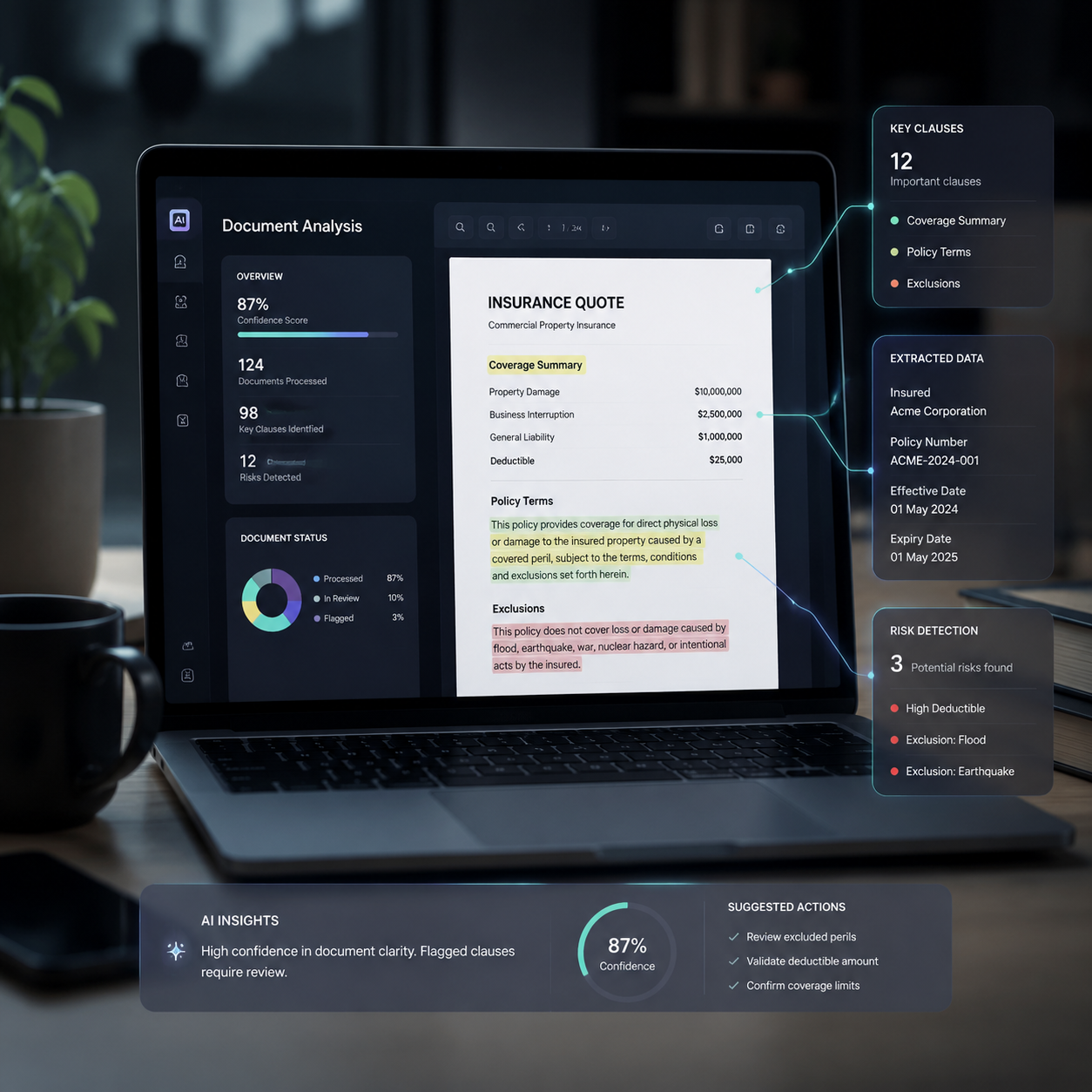
Drafted first-pass quotes from submission packs 3.1x faster, every clause cited back to the wording it came from.
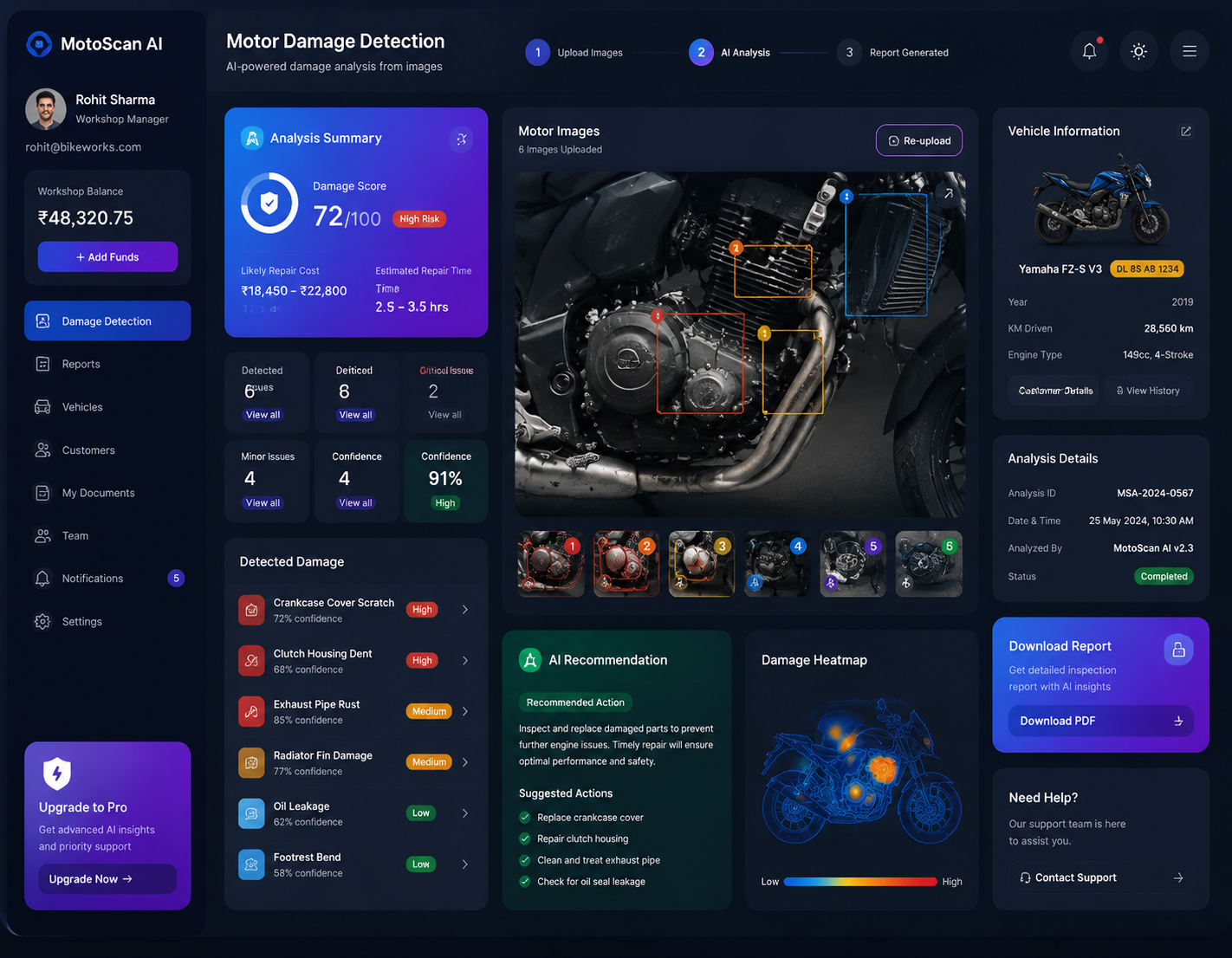
Settled 47% of motor claims from images alone, with fraud flags surfaced inline.
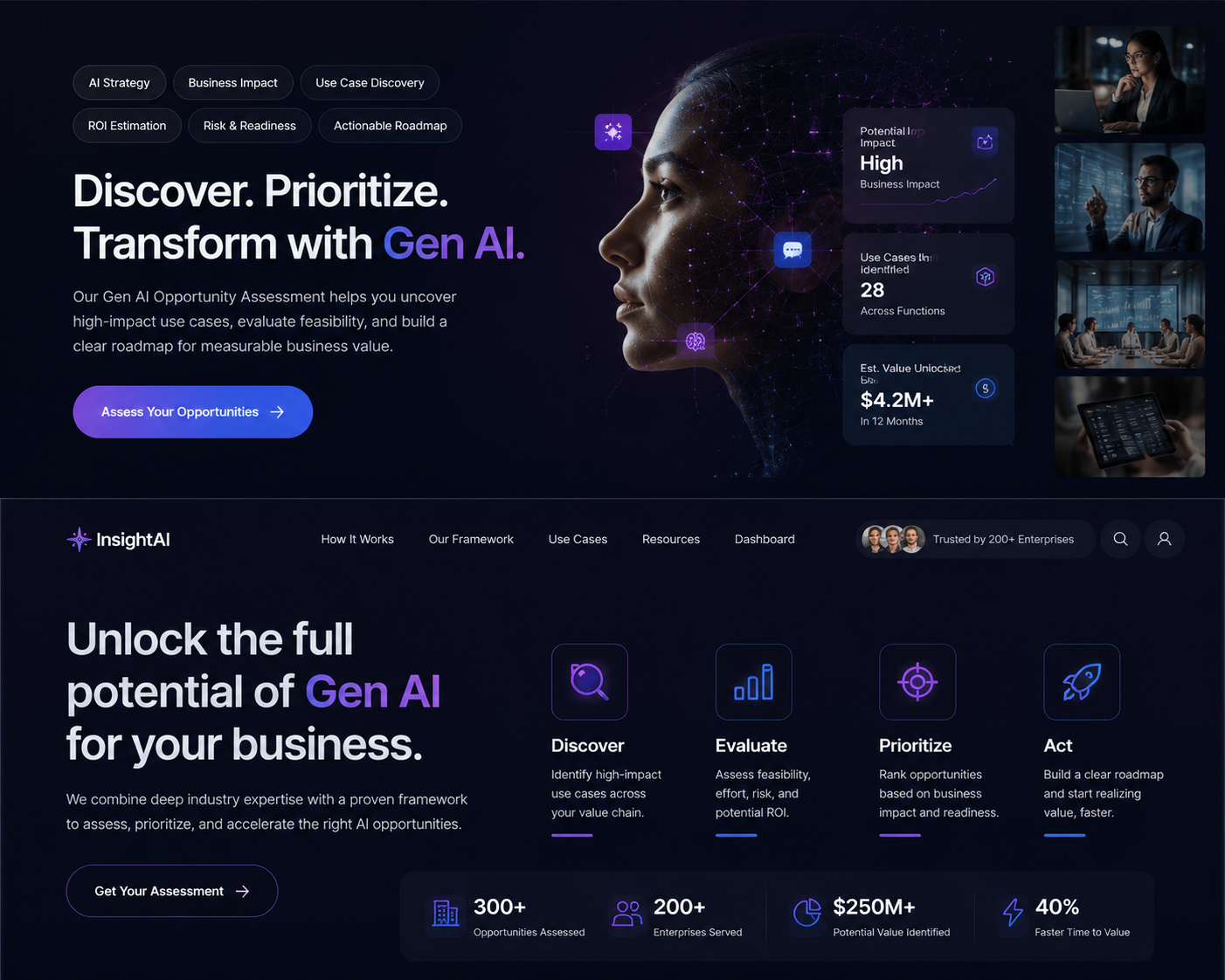
Mapped a £14M annual benefit pipeline across 40 use cases, sequenced by risk.

Replaced a 15-year-old claims system, tripling throughput per handler.
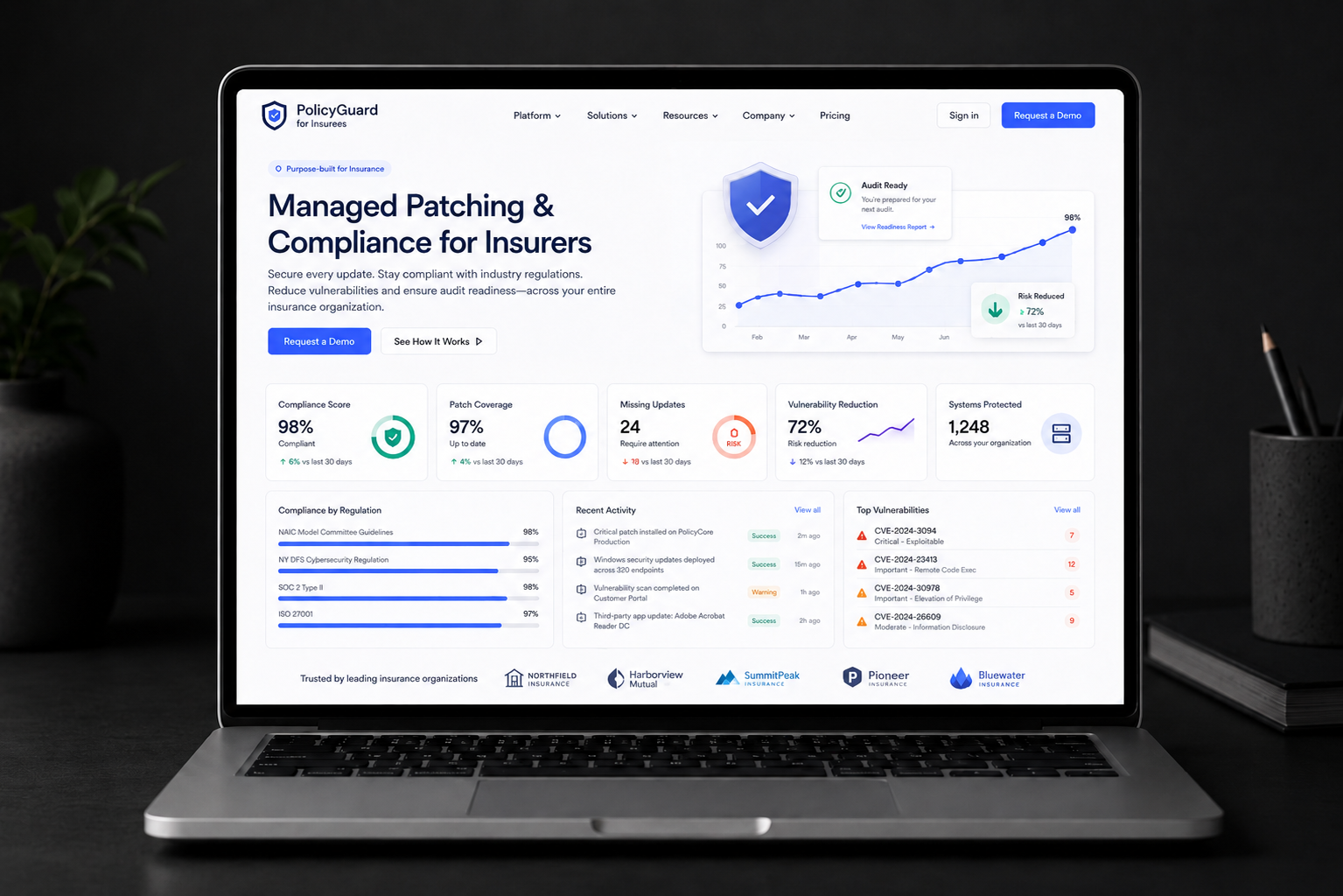
Held critical-patch SLA to 48 hours across an insurer's estate, evidenced every cycle.
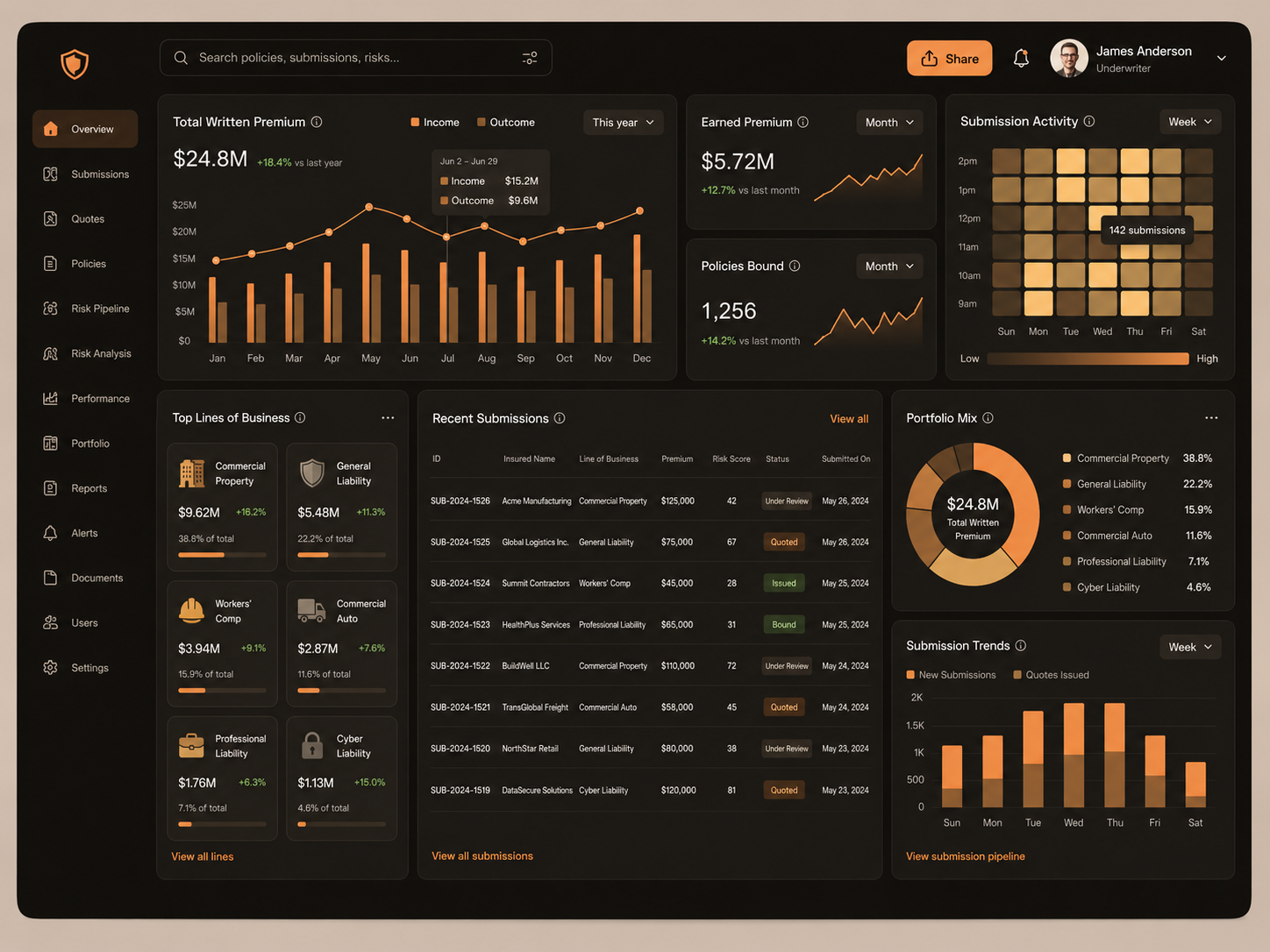
Replaced 60 spreadsheets with one governed underwriting board pack for an insurer.
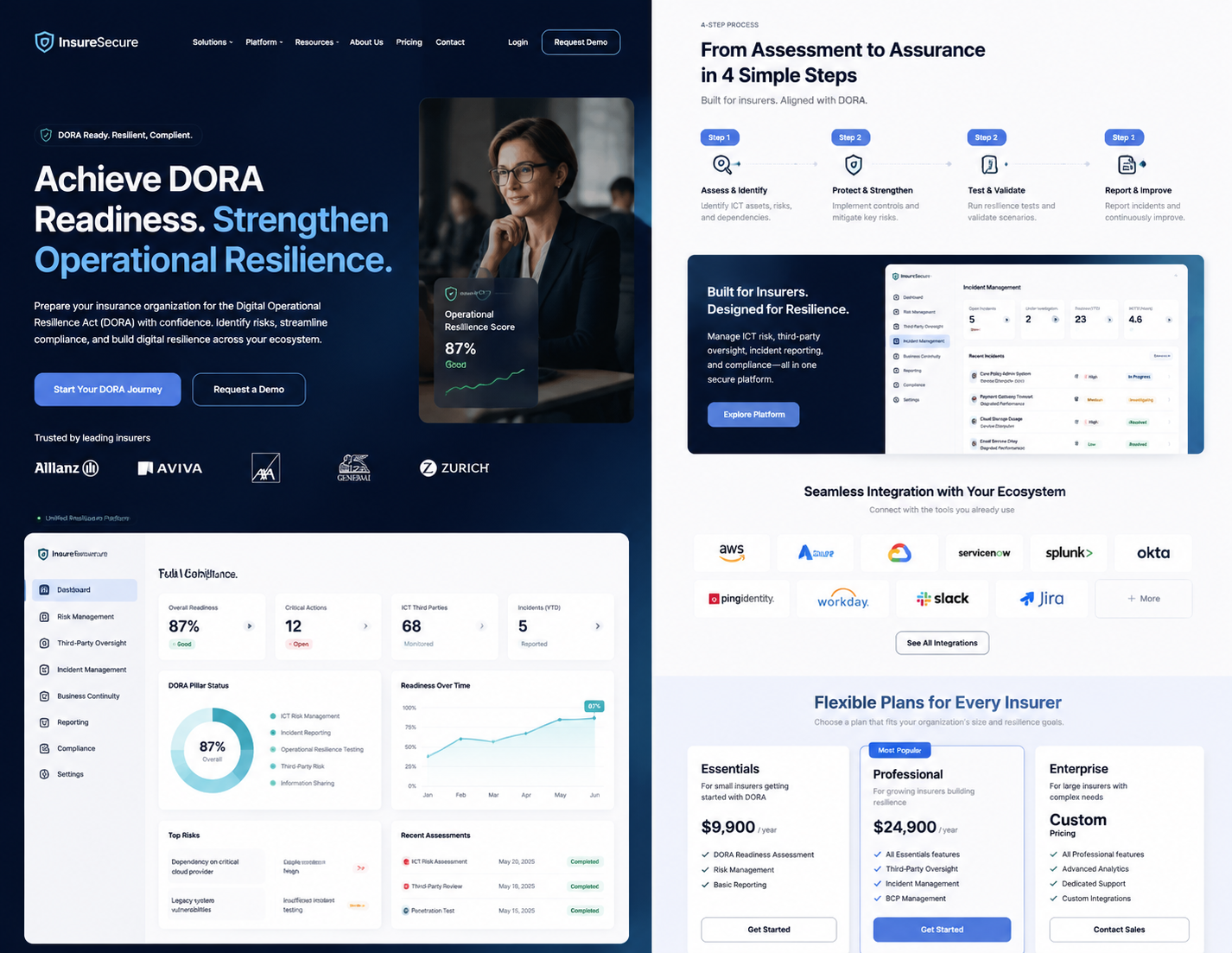
Reached DORA operational-resilience readiness in 11 weeks for an insurer.
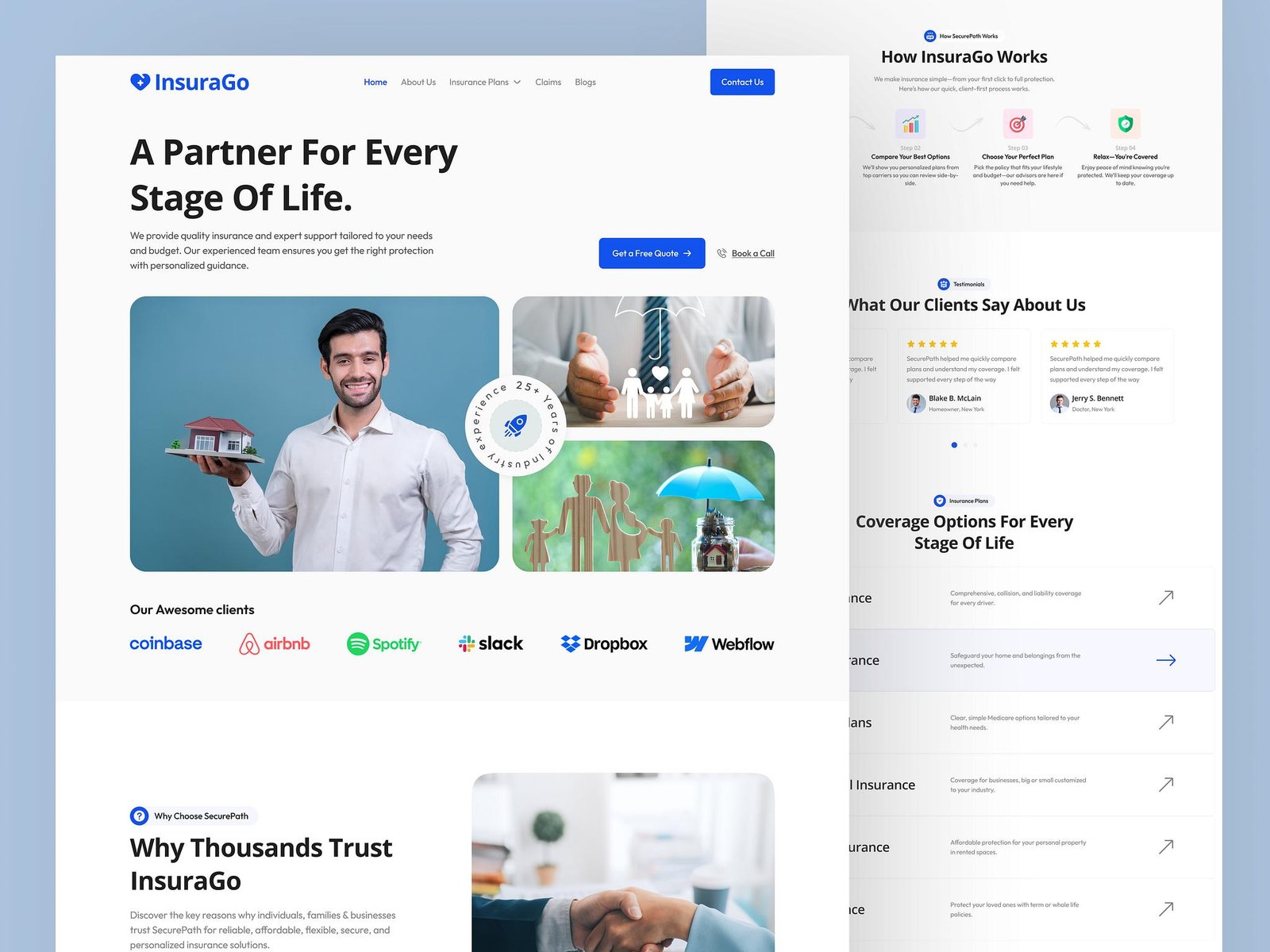
Automated quote, coverage, and claims journeys for a US insurer, holding 100% of critical paths green across a fast release train.
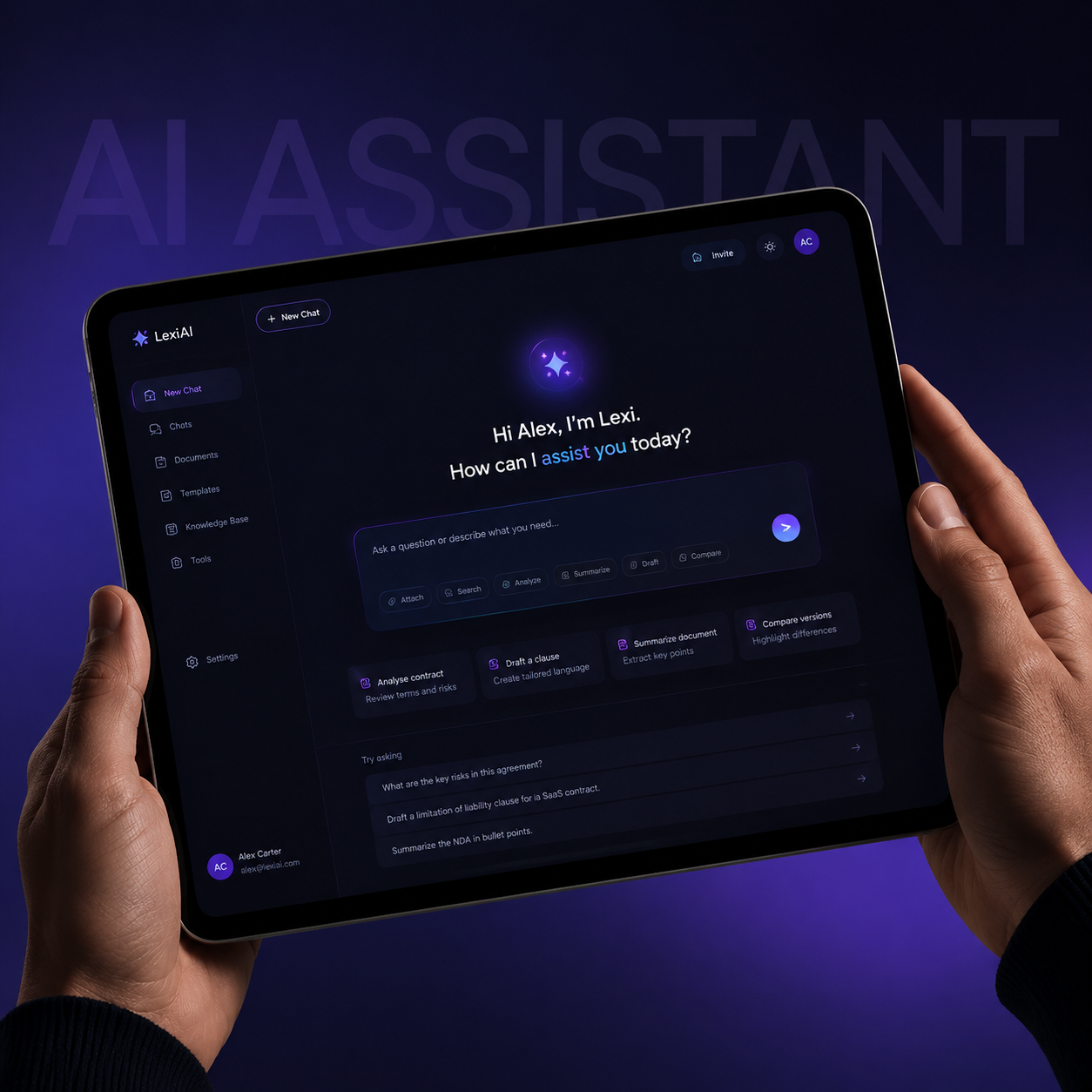
Cut average handle time 44% across 2,600 agents, with answers grounded in approved policy only.
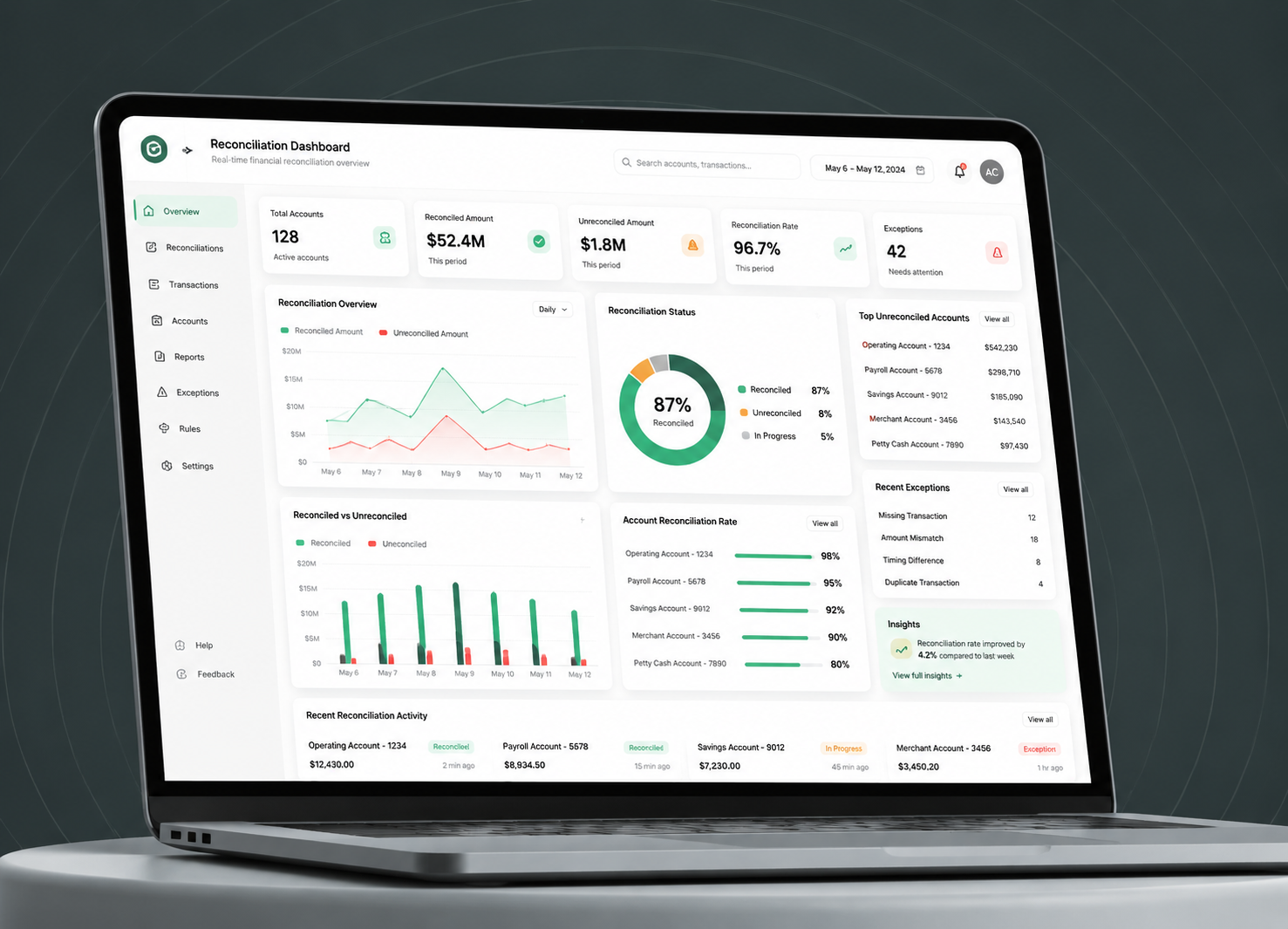
Resolved 89% of reconciliation breaks without a human, every action logged for audit.
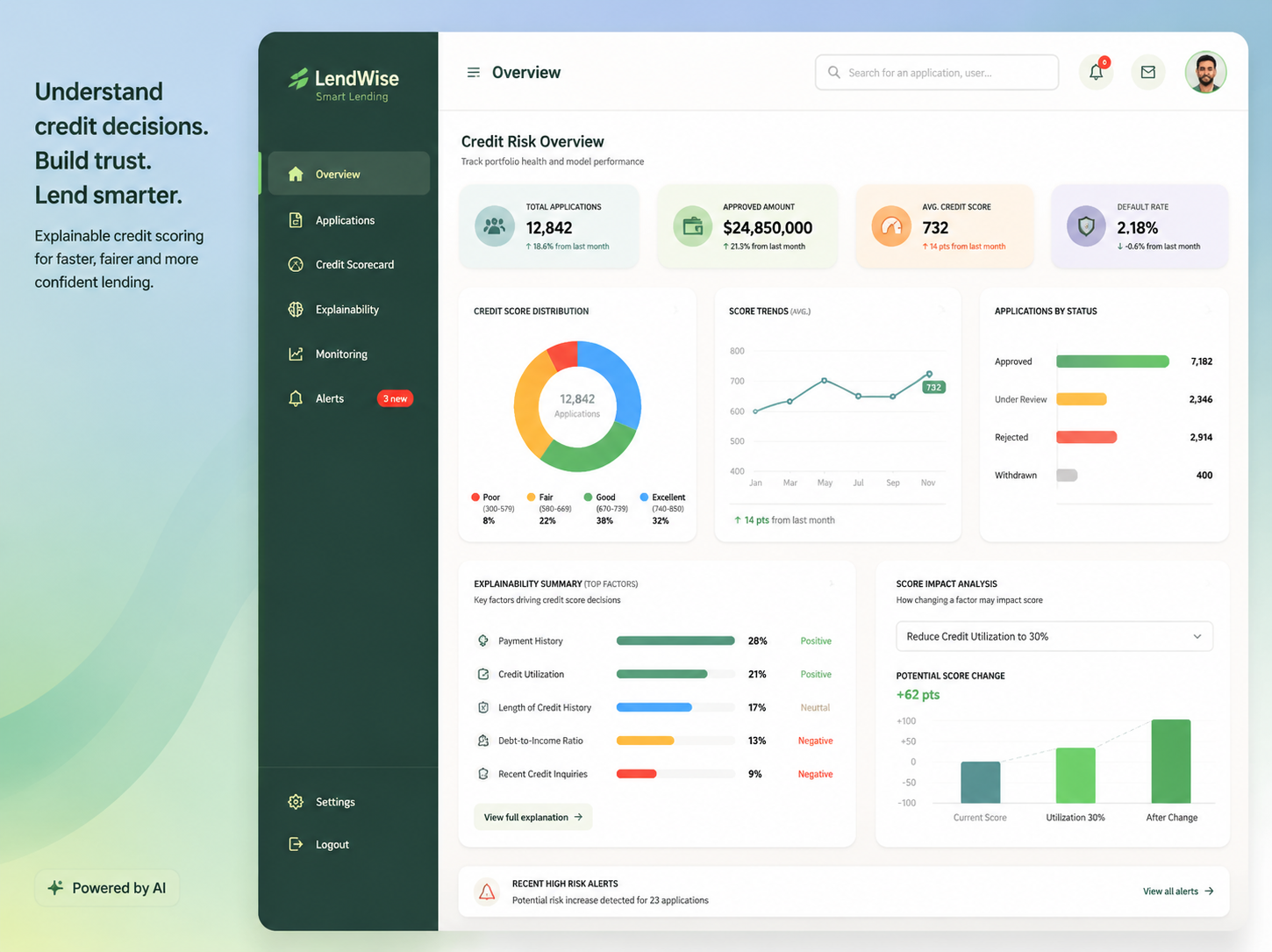
Lifted approval rates 31% at constant loss, every decision reason-coded for the FCA.
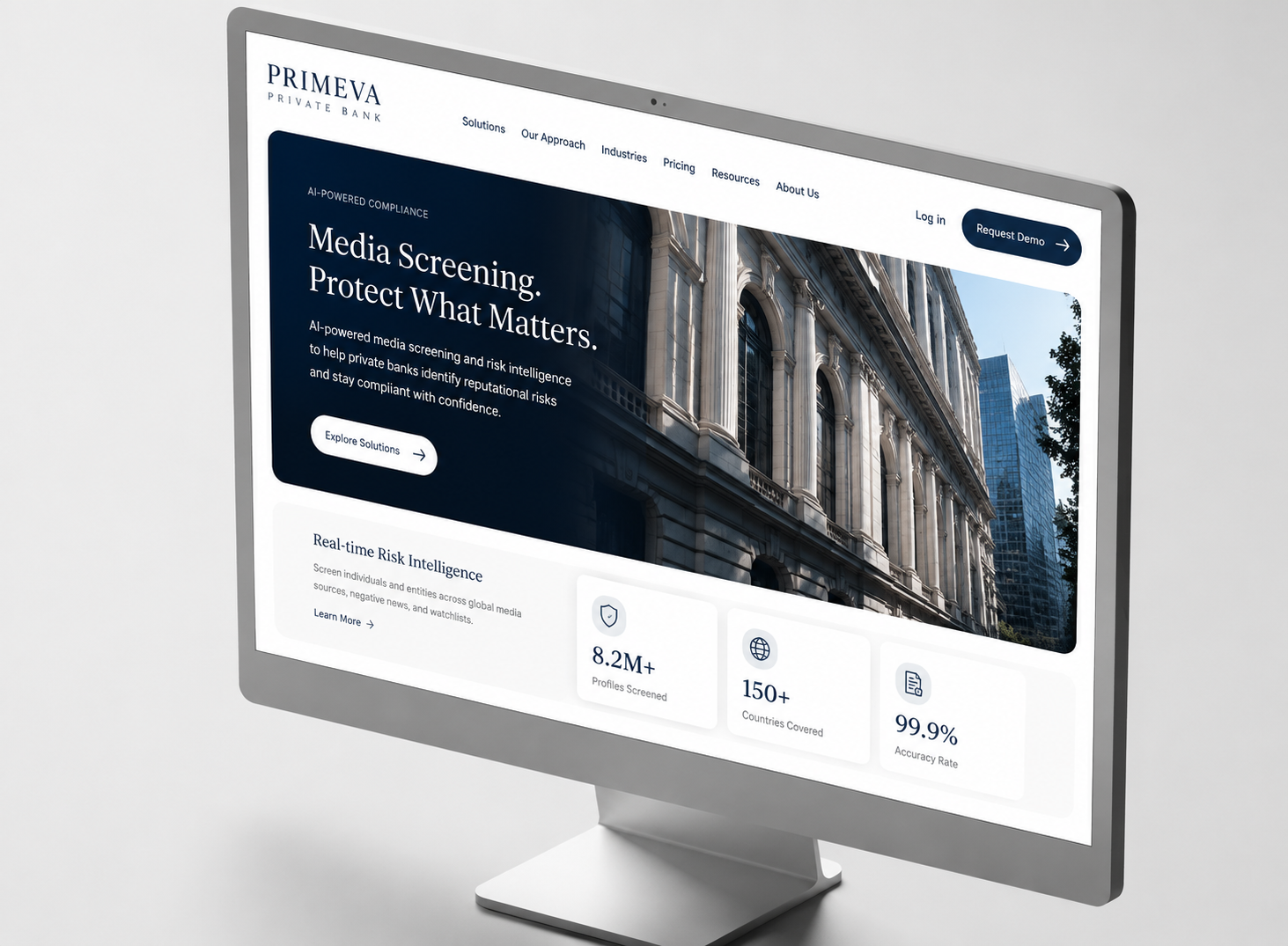
Screened 12x more names at a lower false-positive rate, each hit evidenced.
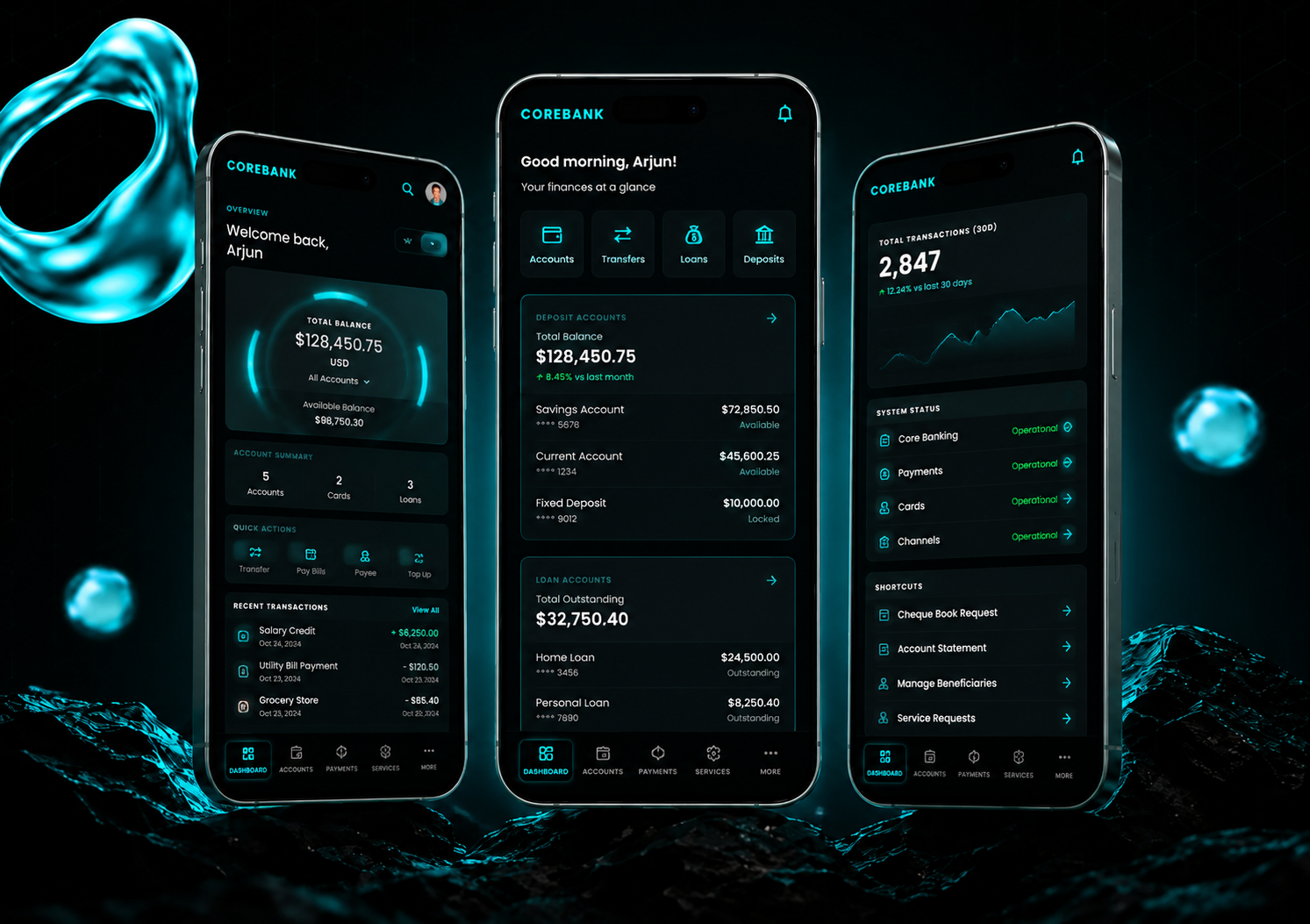
Ledger, accounts, and payment rails delivered to an FCA launch milestone in 9 months.
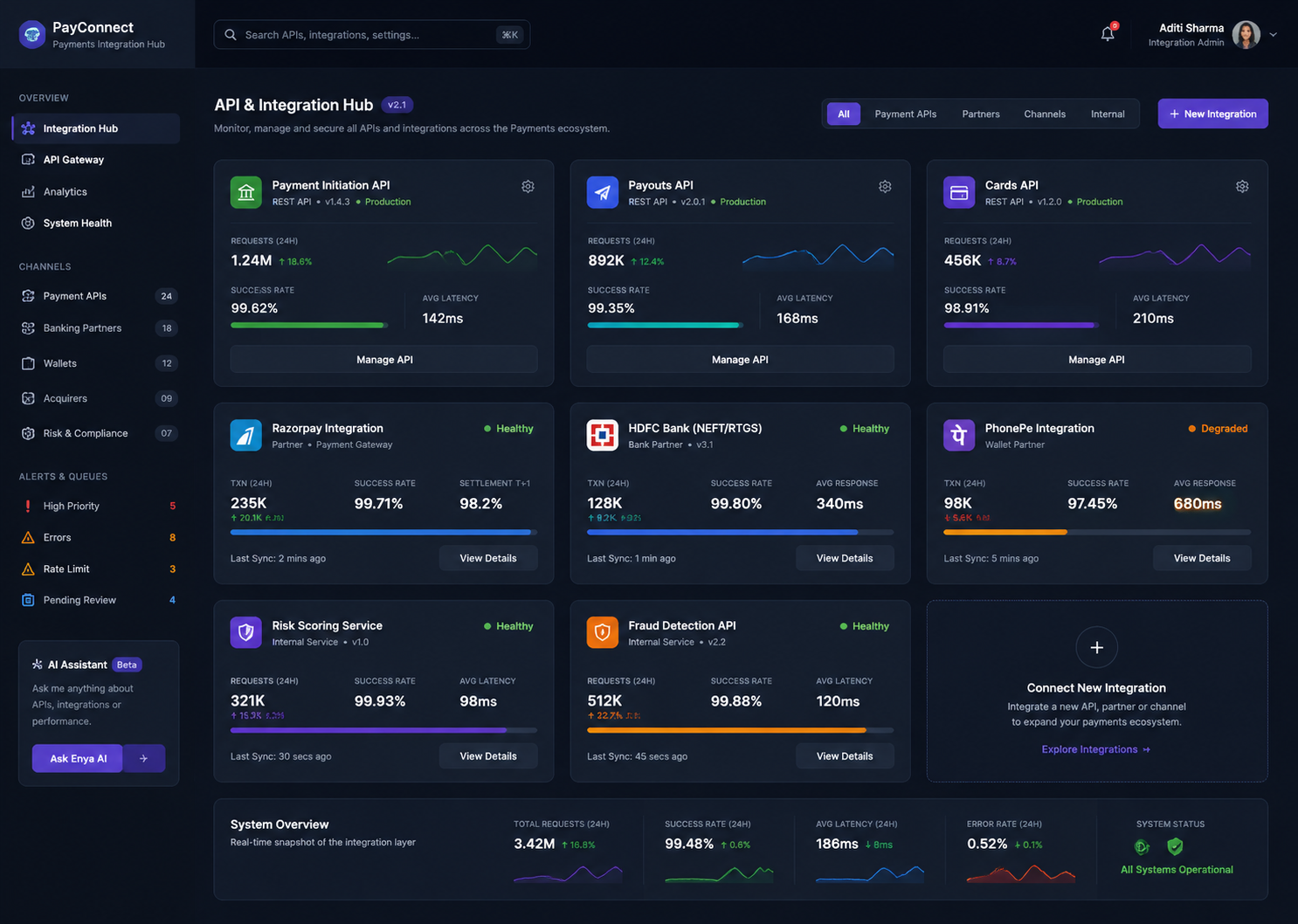
Unified 120+ partner integrations behind one governed API gateway.
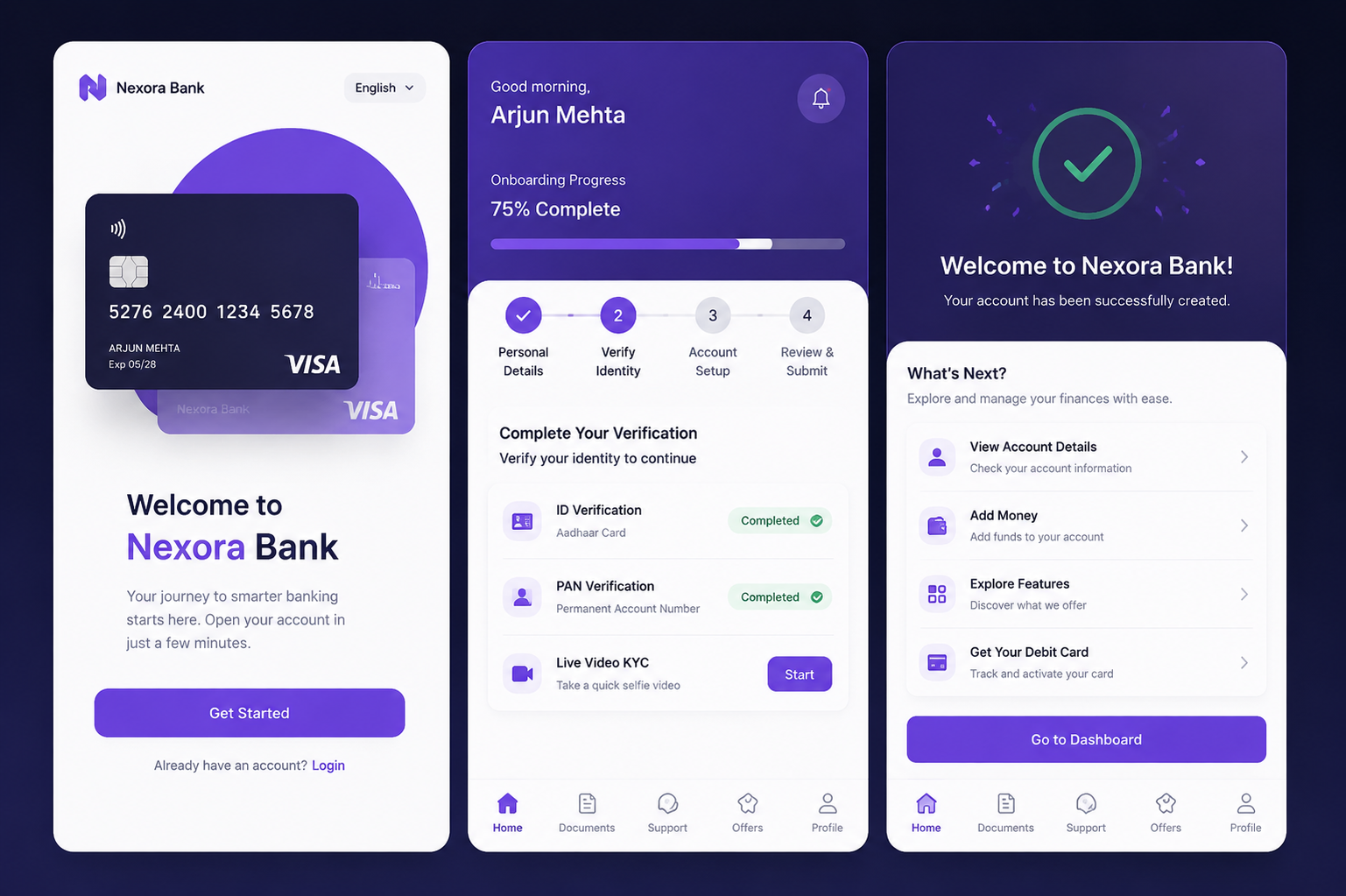
Straight-through KYC onboarding raised completion to 78%.

MiFID-compliant investing app doubled monthly active clients.
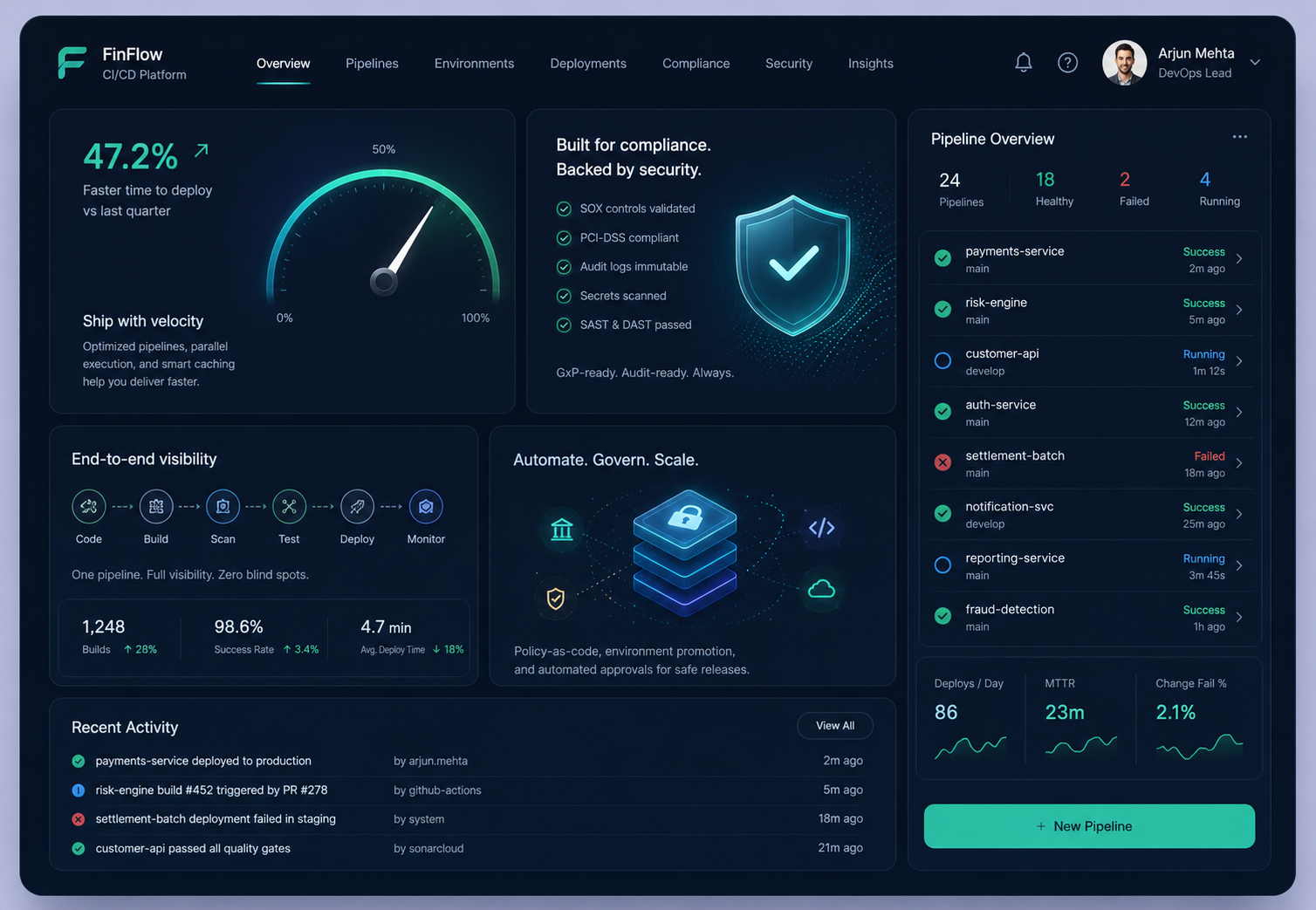
Lifted release frequency 15x with automated gates and one-click rollback.
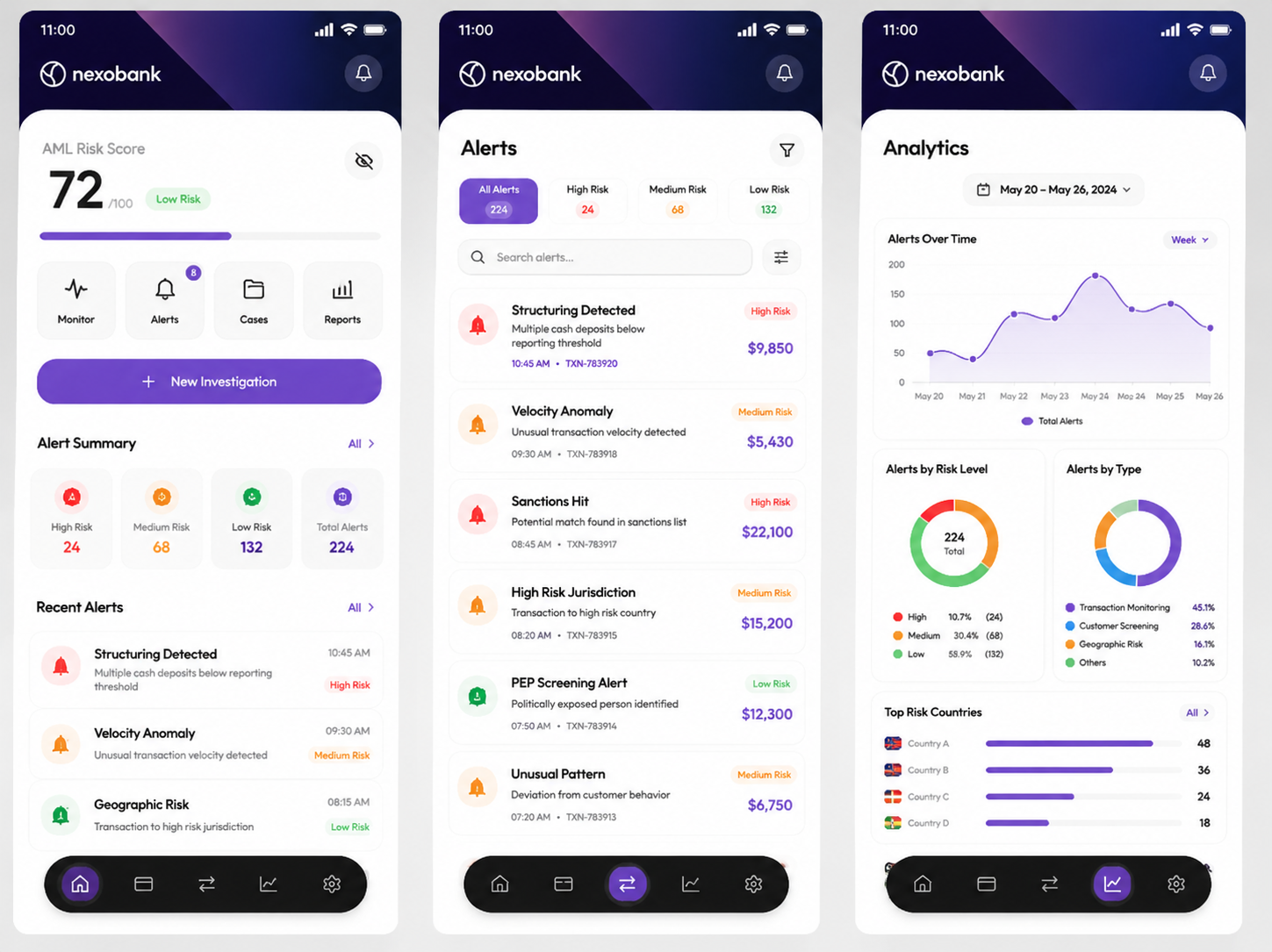
Cut false-positive AML alerts 44% at a bank while catching more genuine risk.
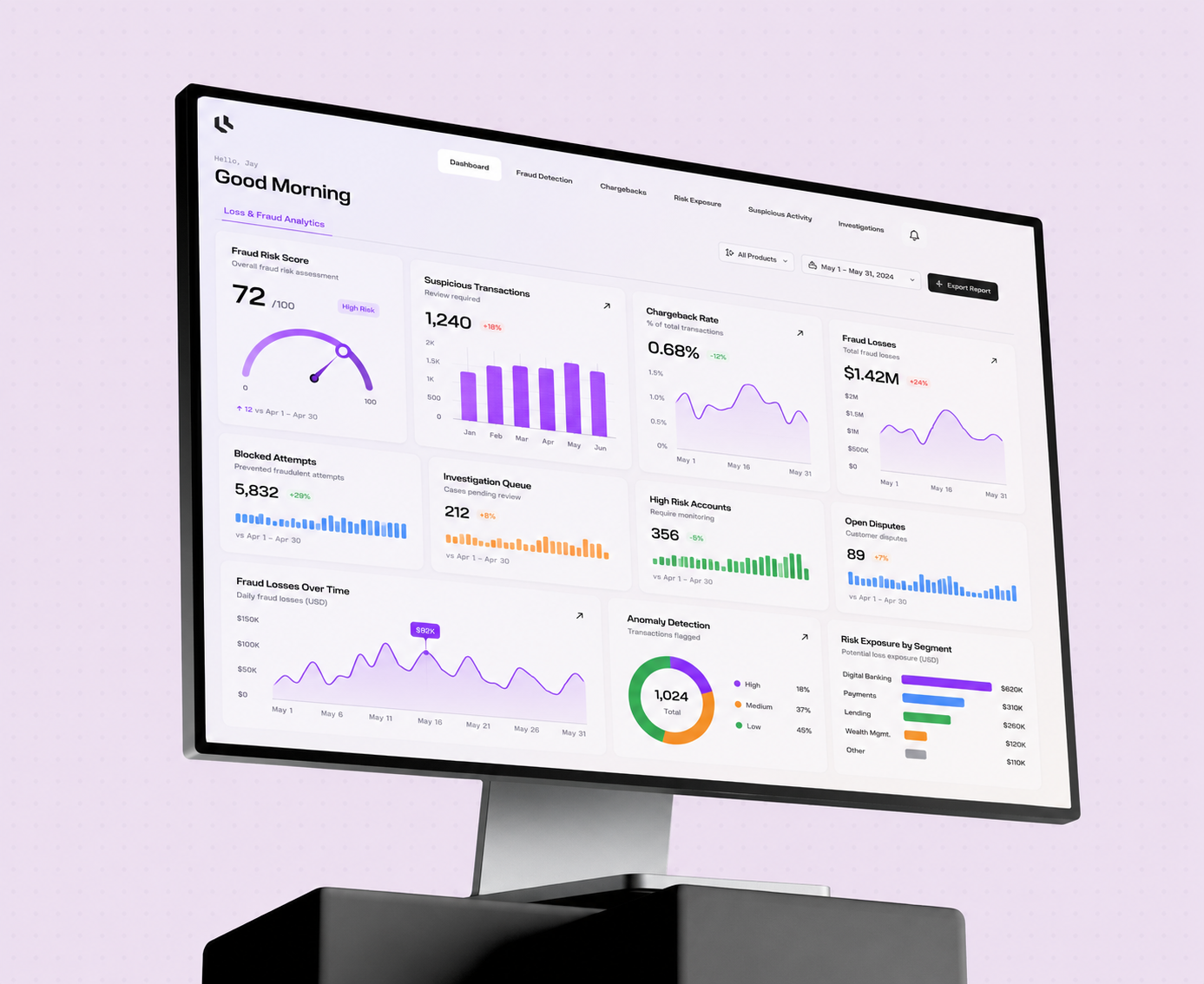
Live loss-and-fraud analytics replaced a two-day report at a fintech, surfacing emerging fraud same-day.
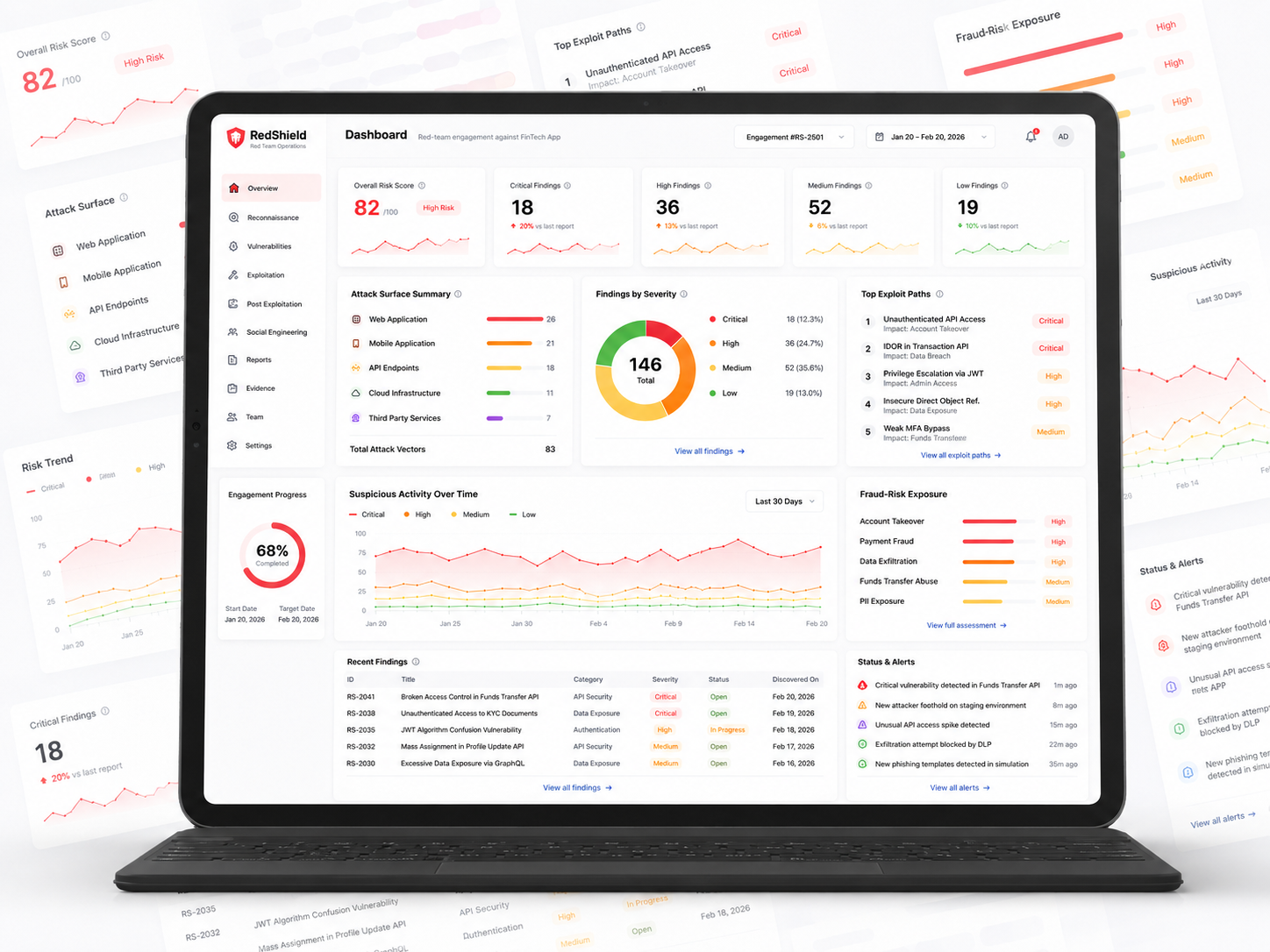
Found and helped close three account-takeover paths before a fintech's launch.

Passwordless identity cut account-takeover 22% and sign-in friction at a wealth platform.
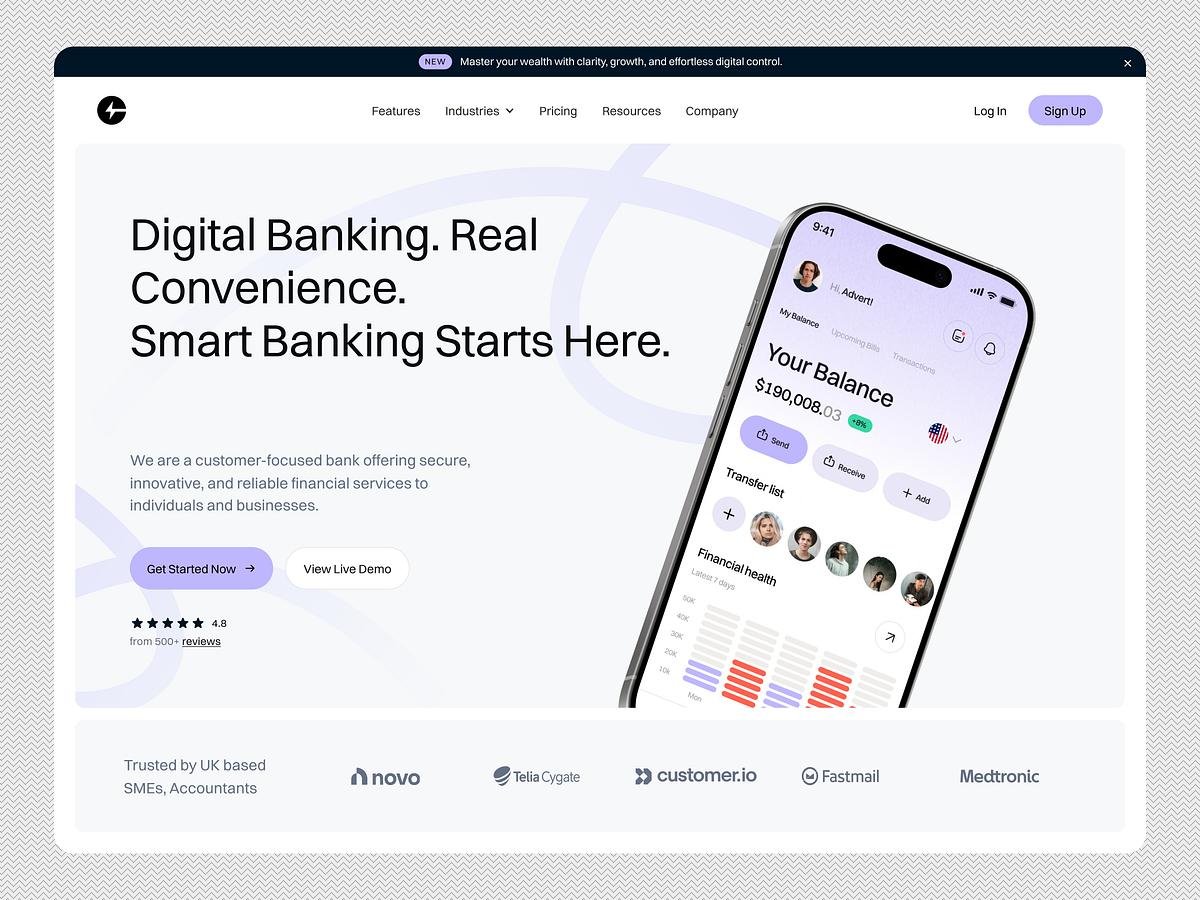
Delivered 10,000+ automated assertions across balance, transfer, and payment APIs, catching every schema and auth regression before release for a digital bank.
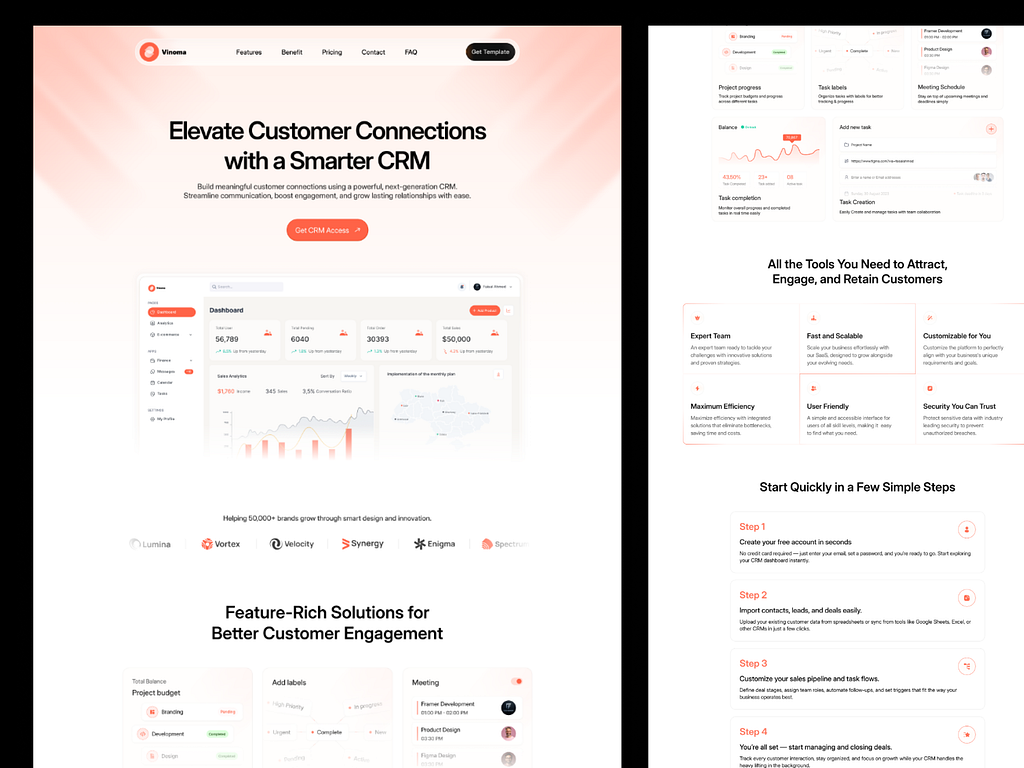
Exploratory and regression testing across pipelines, analytics, and customer records surfaced more than thirty edge-case defects that scripted suites had missed, hardening a German fintech's CRM before a major rollout.

Kept p95 latency flat as audience data and concurrency scaled, proving the analytics dashboards would not slow as customers grew.
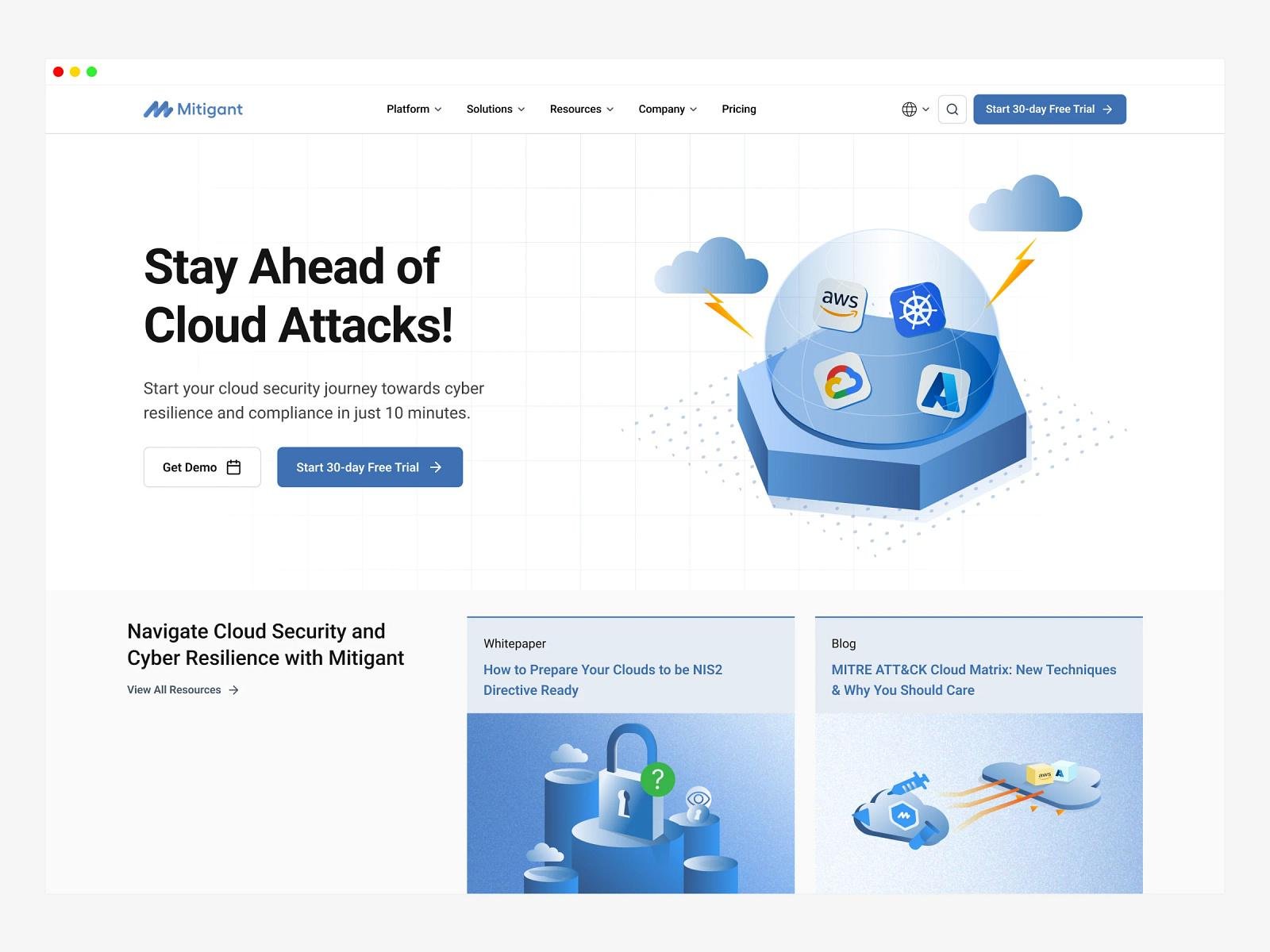
Assessed the attack surface and misconfigurations across AWS, Azure, and GCP and mapped every finding to compliance, leaving the estate audit-ready.

Delivered a reference architecture and a three-chain shortlist for embedding stablecoin settlement into a SaaS finance platform's cash-flow workflows.
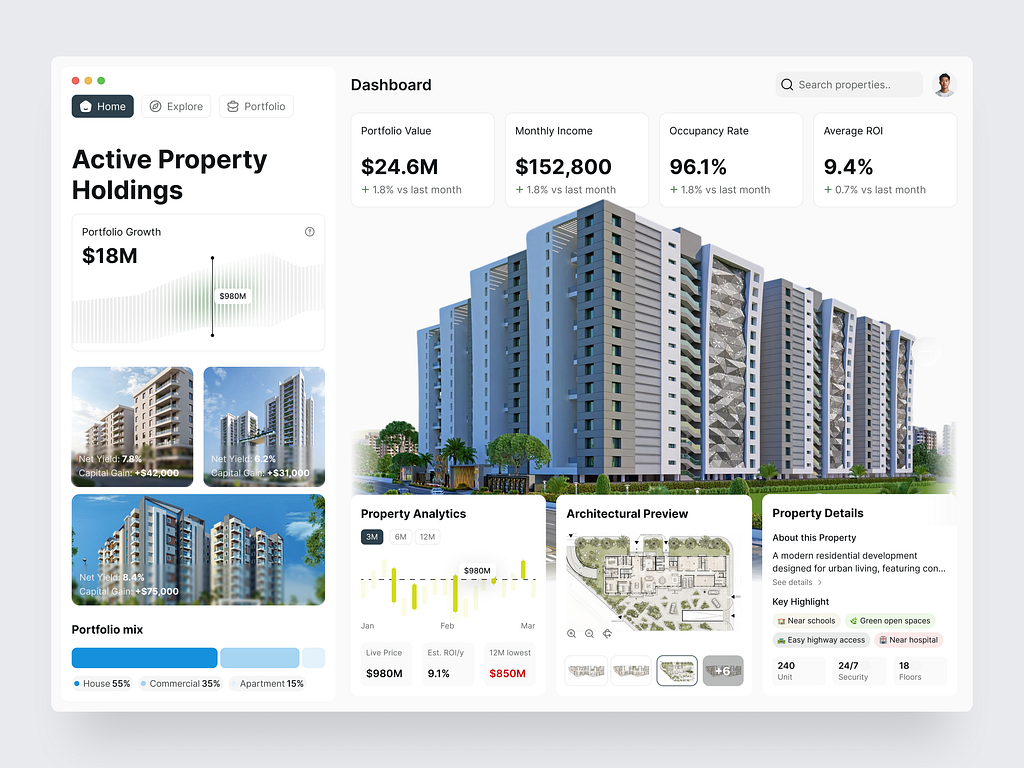
Delivered a fractional real-estate tokenisation model with an ERC-3643 compliance blueprint for regulated investor onboarding.

Delivered a web and VR exchange with real-time candlestick markets and on-chain order execution that settles in a single confirmation for a digital-asset trading platform.
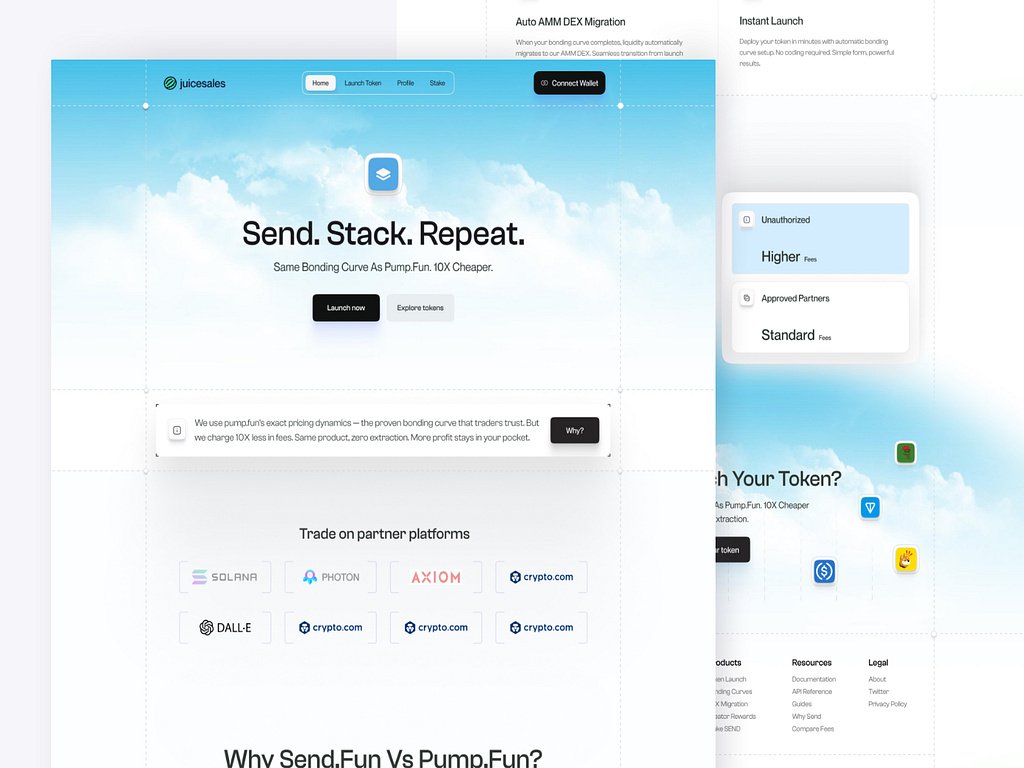
Shipped a bonding-curve launchpad with automated AMM migration and wallet-connected minting that cut issuance fees roughly tenfold for a digital-asset bank.
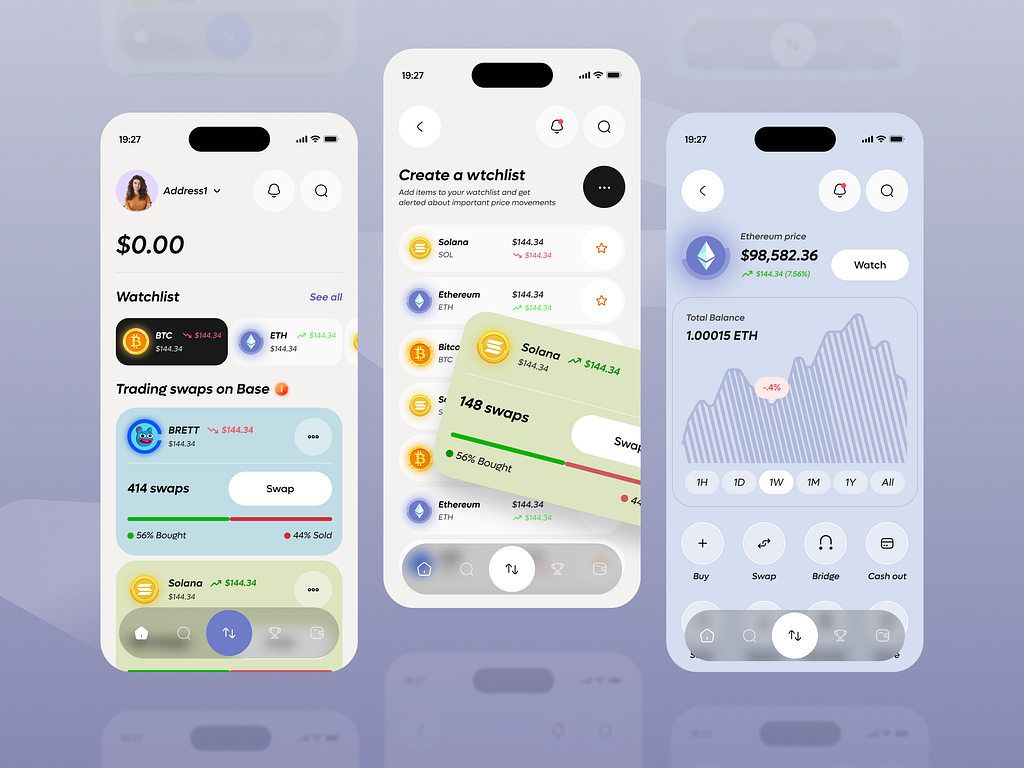
Delivered a non-custodial mobile wallet with multi-chain watchlists, swap and bridge flows, and live portfolio tracking across Ethereum and Base for a digital wealth platform.
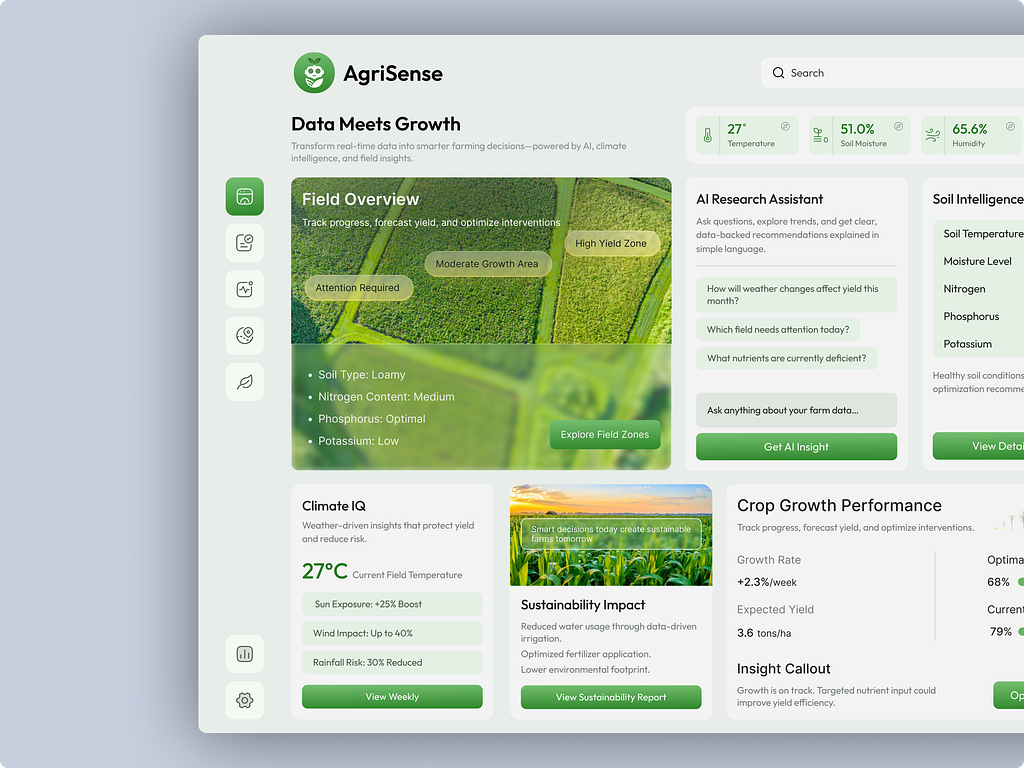
Indexed on-chain positions across more than 40 pools in real time, giving a DeFi asset manager one live view of where yield was actually moving.
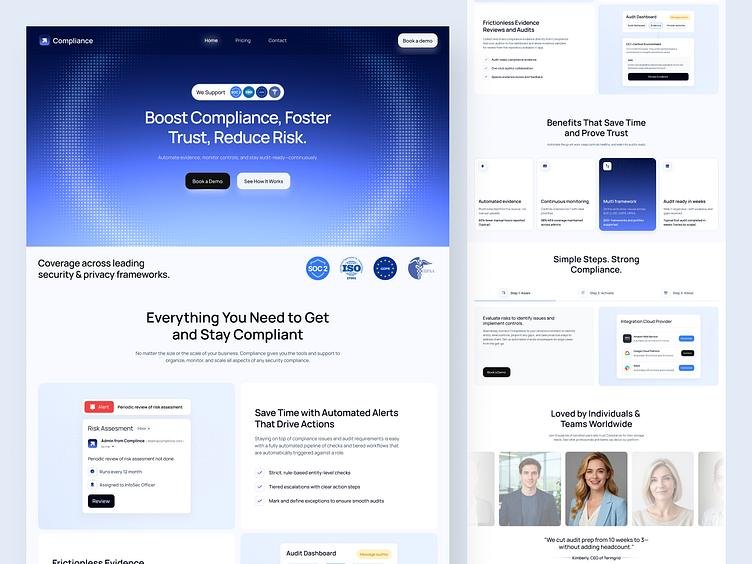
Automated evidence collection and continuous monitoring got a protocol audit-ready in weeks rather than months, with a complete controls trail behind every review.
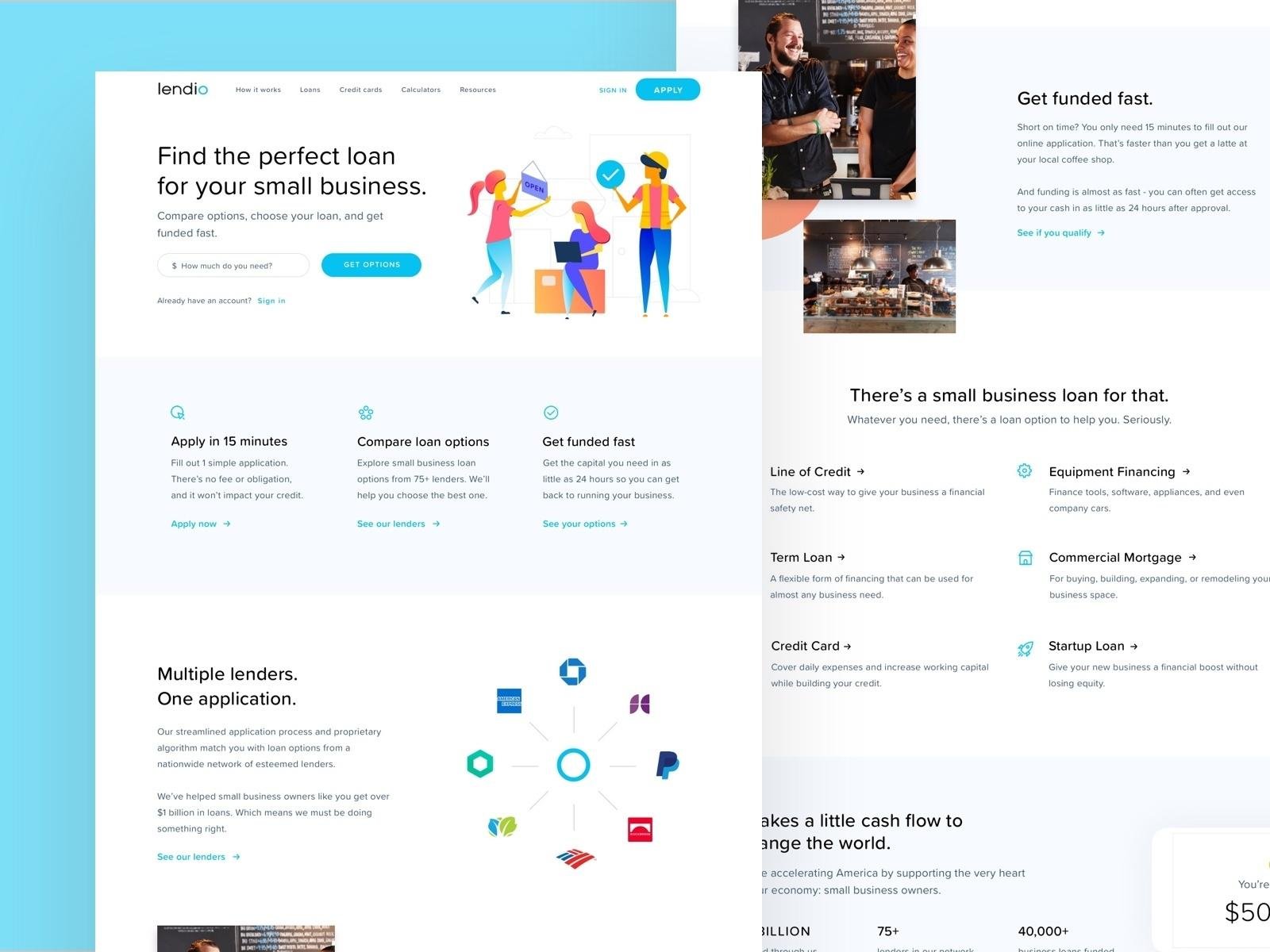
Matched borrower demand to non-custodial money markets through a single application, routing more than a billion dollars in loans across lines of credit and term loans.
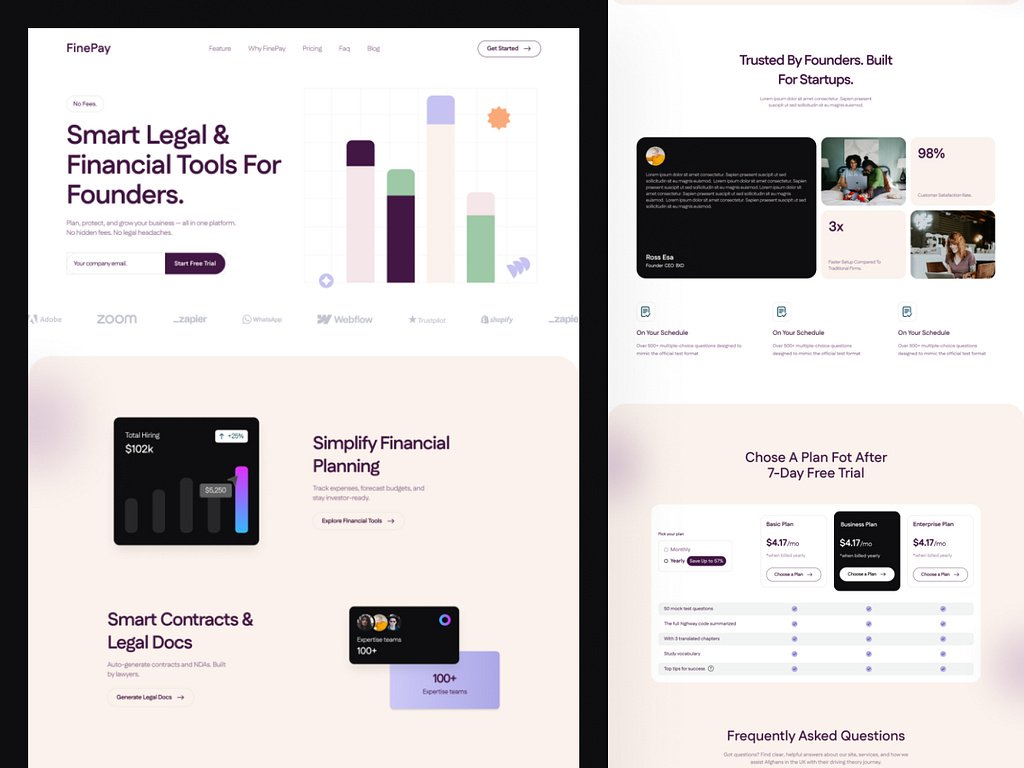
Programmable escrow and stablecoin payout contracts cleared external audit with zero critical or high findings for a founder finance platform.

Fractional, permissioned ownership contracts with on-chain title records reached mainnet inside a tight launch window for a premium real-estate platform.
BritonOne Technology is a full-cycle engineering company that builds and operates production software for regulated estates. Since 2017, we have shipped programmes that clear audit on the first pass across banking, insurance, wealth, healthcare, and biotech. Our teams pair deep domain knowledge with disciplined engineering, treating compliance, security, and resilience as first-class deliverables. From architecture through to live operations, we stay accountable for the systems we build, measuring success by uptime, audit outcomes, and defensible business results.
We don't compete on lowest day-rate. We compete on shipped outcomes inside environments that have to clear audit.

Every engineer on every engagement is at least senior, typically eight to fifteen years deep in their craft. No bench rotations, no junior pyramid hidden behind a glossy proposal, no bait-and-switch after contract signature. The architect who scoped your engagement is the same person committing code by week three.

FCA, PRA, EBA, BaFin, FINMA, HIPAA, SOC 2 Type II: every framework we work under is treated as a design constraint from day one, not a final-stage gate. Evidence trails, model-risk packs, change-control artefacts, and pen-test reports ship alongside the code, ready for second-line review without a remediation sprint.

Small pods of three to seven engineers, each with a named delivery lead who owns scope, schedule, and outcomes from kickoff to hand-off, never a faceless team you have to chase for an answer. Weekly demos run against the signed scope, frequent verification gates catch regressions early, and quarterly outcome reviews measure real progress against the original business case rather than a moving target. Together those rituals catch scope drift before it has any chance to compound, so programmes that should take six months don't quietly stretch into eighteen, budgets stay anchored to what was agreed, and every milestone ships with a written, testable definition of done that both sides sign off before we move on.

We don't disappear the moment the engagement closes. Managed services, hypercare windows, named on-call rotations, or quarterly health checks: pick the depth that matches your operational risk profile. About seventy percent of clients return for a second programme, usually because the team that shipped the first one is still on the other end of the page.
Anonymous under MNDA. Each quote is from a senior insurance buyer who owned the engagement end to end.
“First production GenAI feature we have shipped that cleared model-risk on the first attempt. The eval harness and risk pack alone were worth the engagement.”
Direct answers to what procurement, security, and delivery leads weigh before signing: compliance, integration, and the accountability we put in writing.
Lineage-tracked from source: every figure on the QRT, SFCR, and RSR can be traced back to the source policy, claim, or treaty event with the transformation rule and approver attached. We ship the EIOPA-recon evidence pack alongside the build and sit with your actuarial and finance leads through the first reporting cycle.