
Adverse-media screening for a private bank
Screened 12x more names at a lower false-positive rate, each hit evidenced.
12x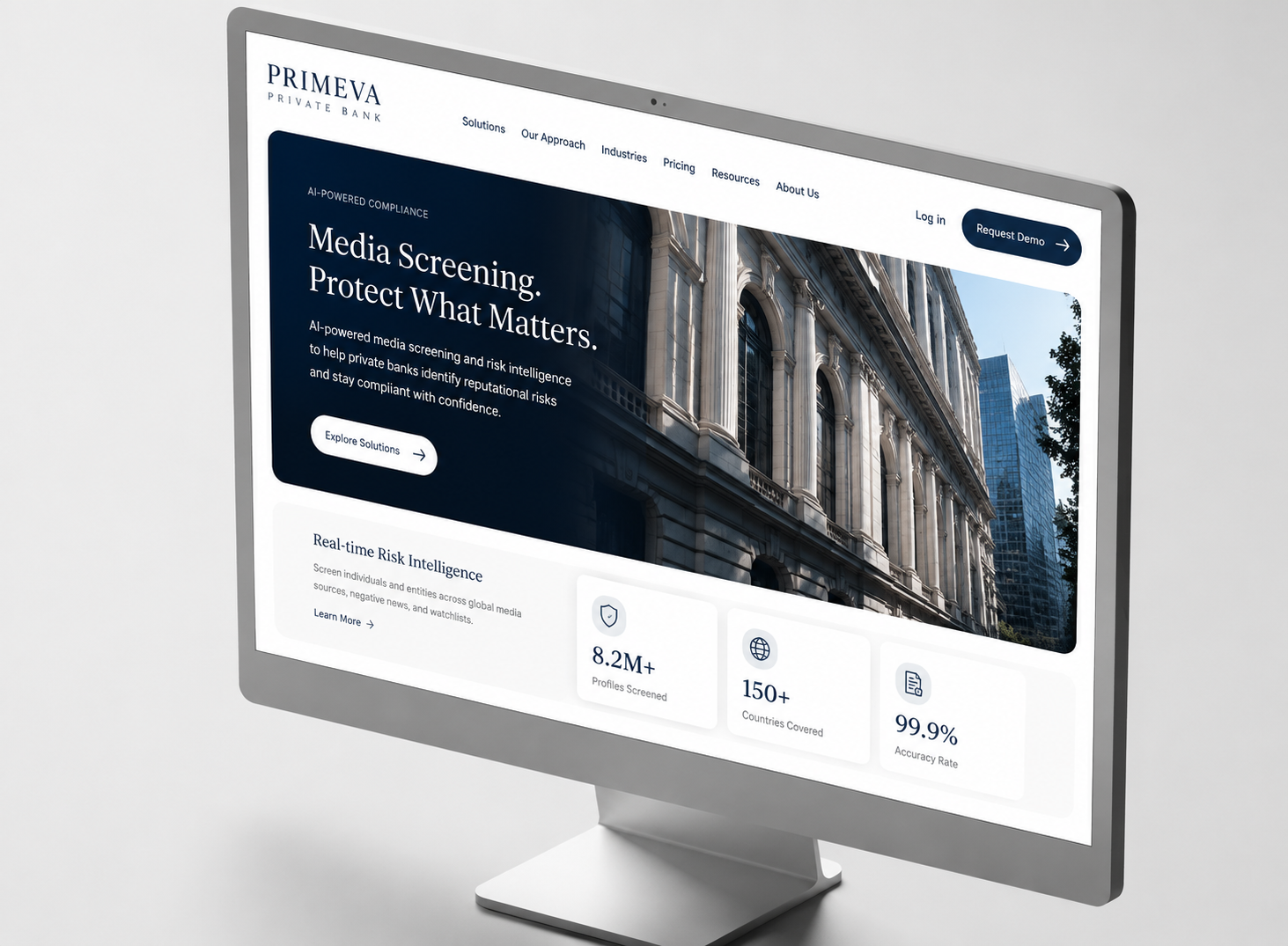
Problem, approach, and the outcome
The client is a Swiss private bank serving high-net-worth clients, where responsiveness in onboarding is part of the service promise and financial-crime obligations are strict. The two pull in opposite directions, and the bank has to satisfy both.
Their compliance analysts were highly skilled but overwhelmed by the volume and noise of manual adverse-media checks, which slowed onboarding and risked burying genuine red flags.
Manual adverse-media checks could not keep pace with onboarding, creating a backlog that slowed new client relationships in a service business built on responsiveness. Every delayed onboarding was a dent in the client experience the bank sells.
Crude keyword matching buried analysts in false positives: every common name returned pages of irrelevant hits to wade through, so most of the effort went into clearing noise rather than assessing real risk.
The bank needed far greater coverage without diluting the evidential quality its financial-crime obligations demand. More screening that produced weaker evidence would have traded one problem for a worse one.
We built an entity-resolution and relevance-scoring pipeline that distinguishes the real subject from look-alikes before scoring how genuinely adverse each match is. Resolving identity first is what kills the bulk of the false positives that crude matching produces.
Analysts see ranked, evidenced hits with the source article attached, rather than an undifferentiated keyword dump, so their time goes to judgement rather than triage. Suppressed look-alikes are logged too, so the screening remains fully defensible under review: nothing is silently dropped.
We calibrated thresholds against the bank's own historical alerts to hit the coverage-versus-noise balance their risk appetite required. Tuning to their actual case history, rather than a generic default, is what made the results trustworthy to their compliance function.
- 12x more names screened per analyst
- False-positive rate down by more than half
- Every alert evidenced with its source
- Onboarding screening backlog cleared and kept current
More AI & Machine Learning case studies
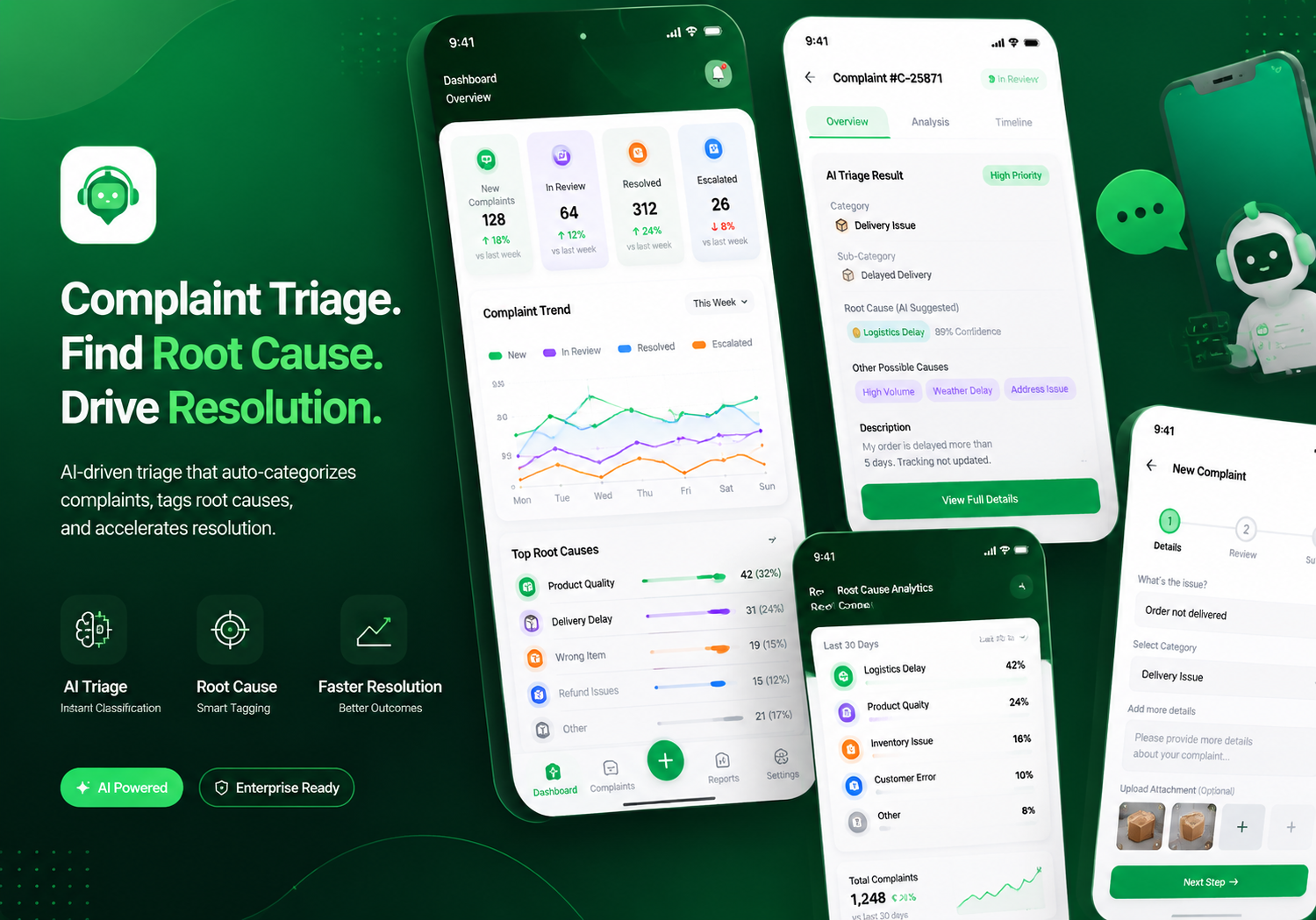
Complaints triage and root-cause tagging for a government department
Auto-classified 58% of citizen complaints to root cause, feeding the department's reporting directly.
Read the full case study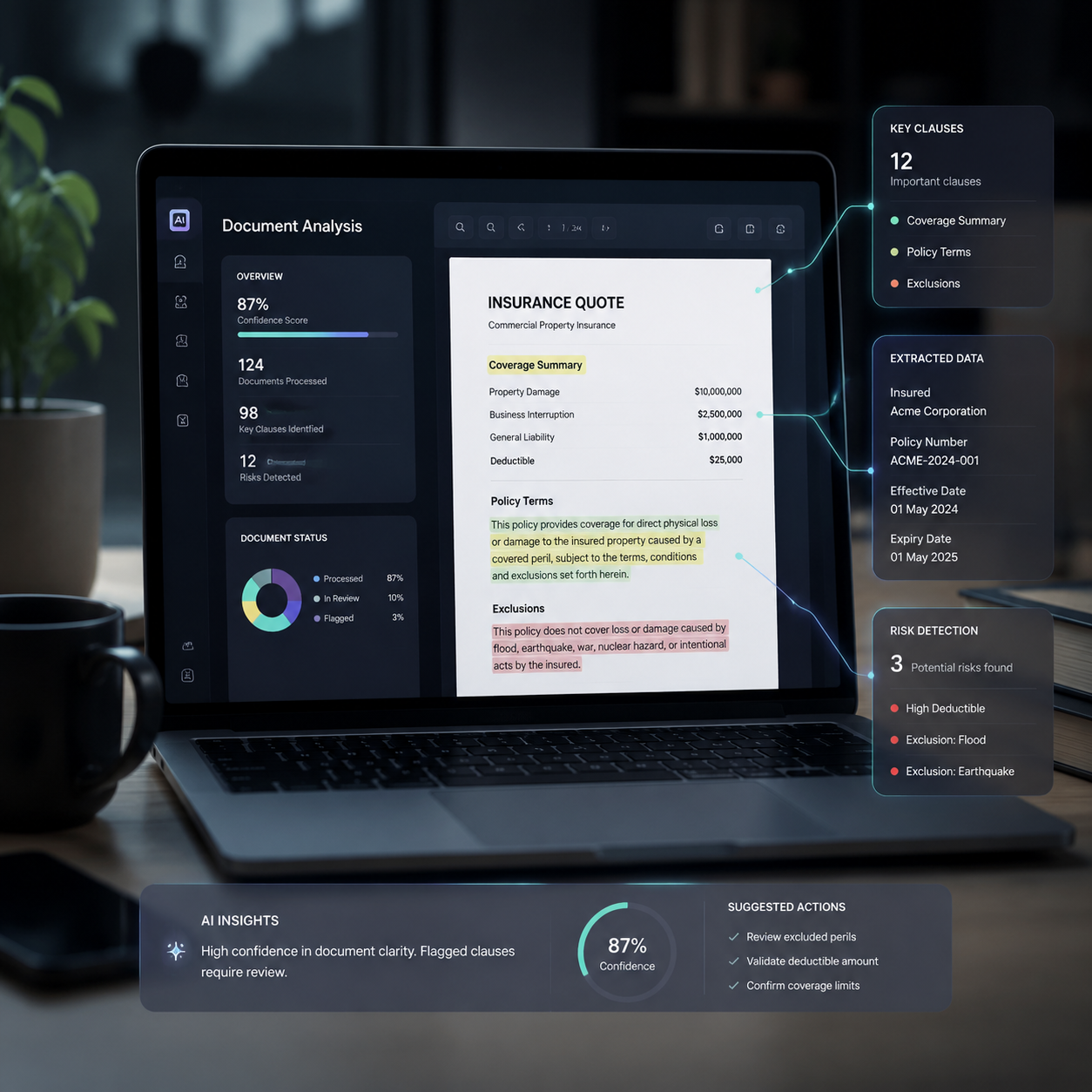
Underwriting copilot for a speciality insurer
Drafted first-pass quotes from submission packs 3.1x faster, every clause cited back to the wording it came from.
Read the full case study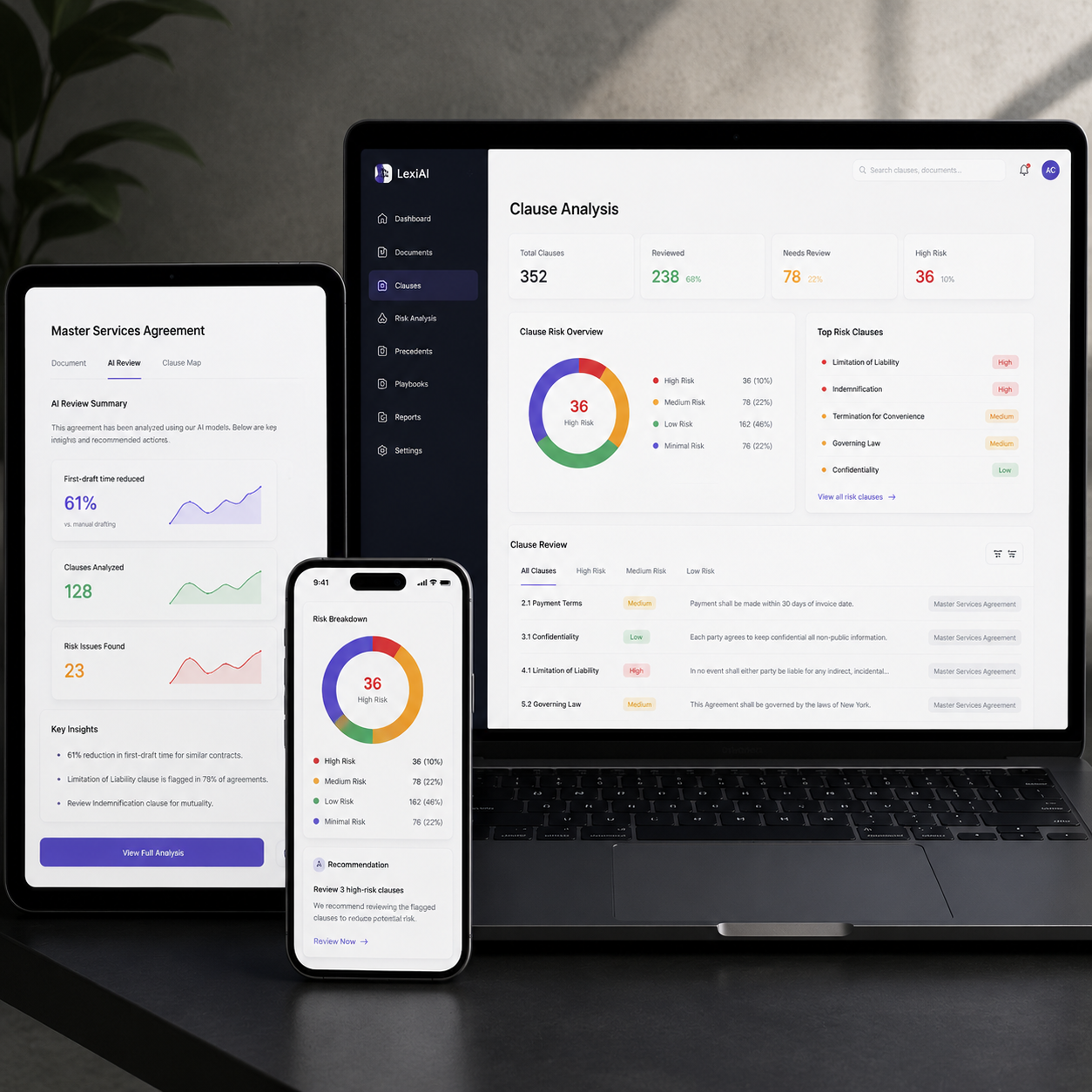
Clause-level contract drafting for a commercial law firm
Cut first-draft time on regulated commercial contracts by 61%, each clause traceable to firm precedent.
Read the full case studyGet a senior architect on the call, first time, every time.
No SDR gauntlet. 30 minutes with an engineer who can scope the problem, name the risks, and give you an honest feasibility call.