
Underwriting copilot for a speciality insurer
Drafted first-pass quotes from submission packs 3.1x faster, every clause cited back to the wording it came from.
3.1x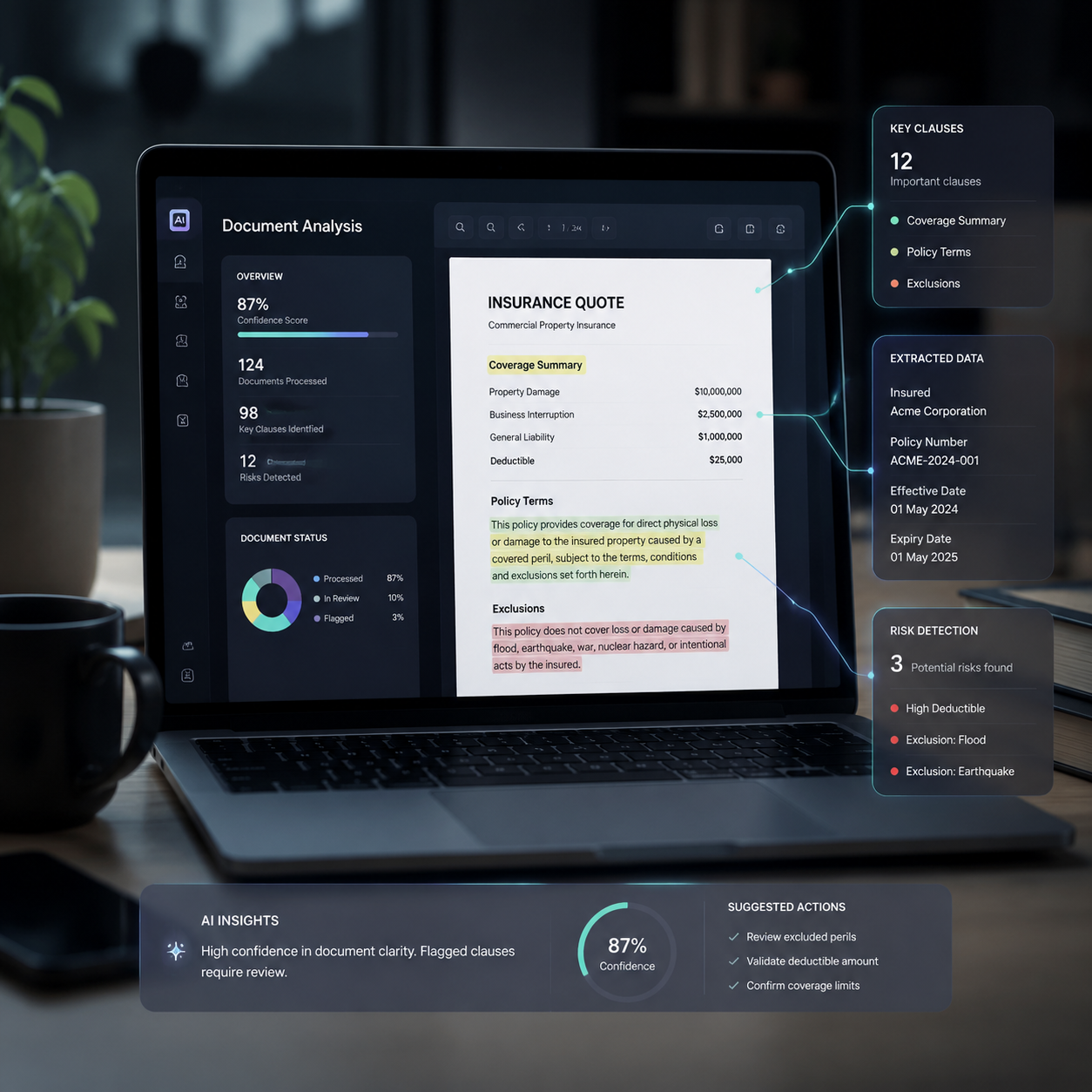
Problem, approach, and the outcome
The client is a speciality insurer underwriting complex commercial and niche risks in the UK market, supervised by the FCA. They compete on the expertise of a lean, senior underwriting team, where the speed and quality of a quote directly shape their win rate.
Like many speciality carriers, they pair deep human judgement with ageing internal tooling, and were under pressure to grow premium without growing headcount at the same rate, the classic capacity squeeze in a hardening market.
Underwriters spent hours reading unstructured submission packs (broker emails, loss runs, schedules of values) before they could even begin to price risk. Every hour on manual triage was an hour not spent on judgement, and in a competitive speciality market where quote turnaround wins business, that lag cost real premium.
Just as damaging, nothing the team drafted was traceable back to the policy wording. Second-line review demanded a clause-level audit trail the existing workflow simply could not produce, so every quote carried unquantified wording risk that the control function could not sign off with confidence.
Earlier attempts to speed things up with generic automation had failed, because they either broke on the messy variety of real submissions or produced output nobody could defend. The bar was high: faster, but provably safe.
We built a retrieval-grounded drafting copilot over the firm's own wordings library and appetite guide. Rather than let the model free-write, we constrained it to cite the exact clause behind every line it produced, and to flag any submission that fell outside documented appetite before an underwriter even opened it.
A human sign-off gate sat before any quote left the desk, so underwriters kept full authority while the copilot did the reading, extraction, and first-pass drafting. The design principle throughout was augmentation, not replacement: the machine handles the slog, the human owns the decision.
We shipped it behind a feature flag to a single team first, tuned retrieval against their real packs until accuracy held, then widened access team by team. That staged rollout meant the tool earned trust on genuine work before anyone was asked to rely on it.
- 3.1x faster first-pass quote drafting
- 100% of drafted clauses traceable to a source wording
- Zero out-of-appetite quotes reached bind in the first six months
- Underwriter throughput absorbed a quarter's submission growth with no new headcount
More AI & Machine Learning case studies
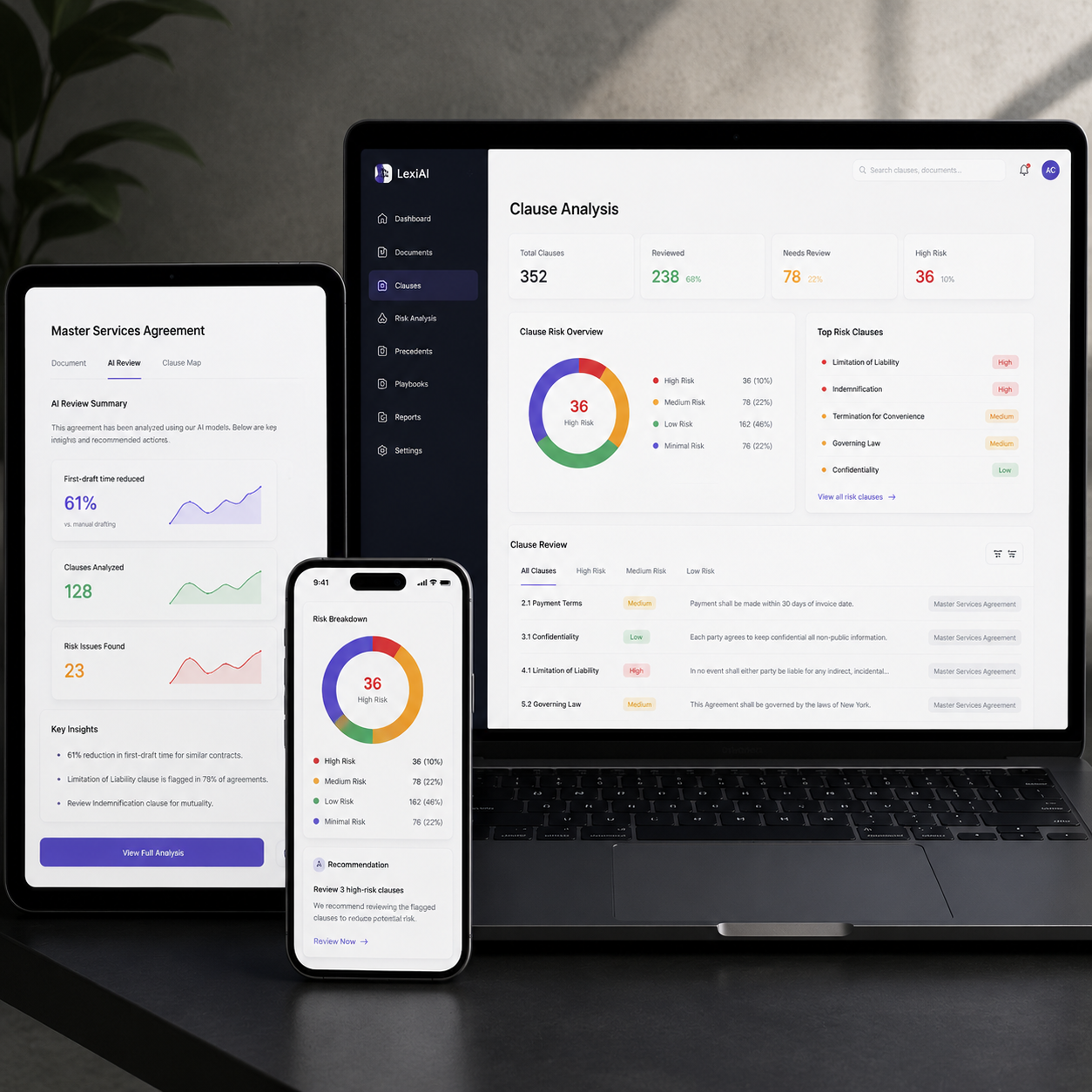
Clause-level contract drafting for a commercial law firm
Cut first-draft time on regulated commercial contracts by 61%, each clause traceable to firm precedent.
Read the full case study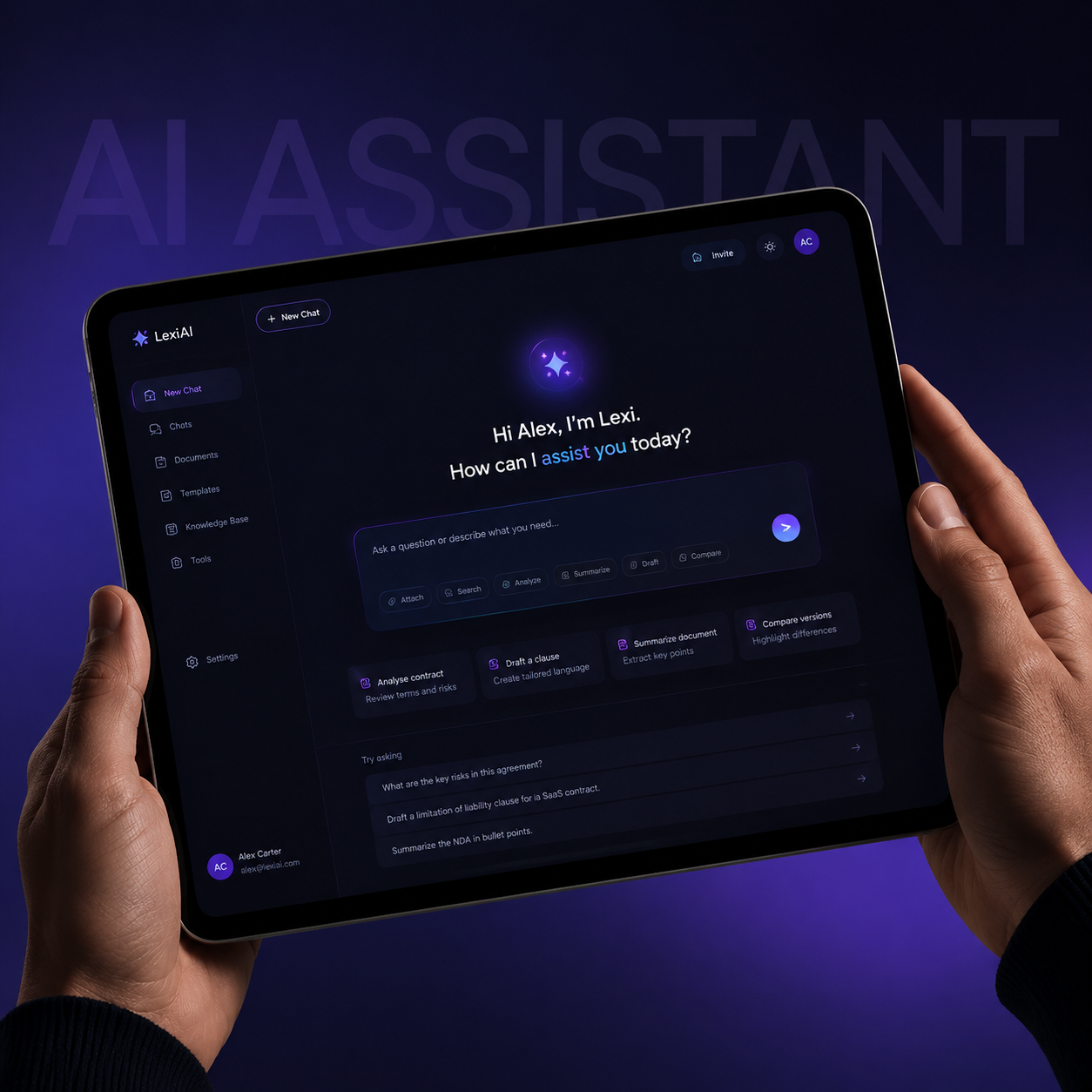
Grounded knowledge copilot for a retail bank contact centre
Cut average handle time 44% across 2,600 agents, with answers grounded in approved policy only.
Read the full case study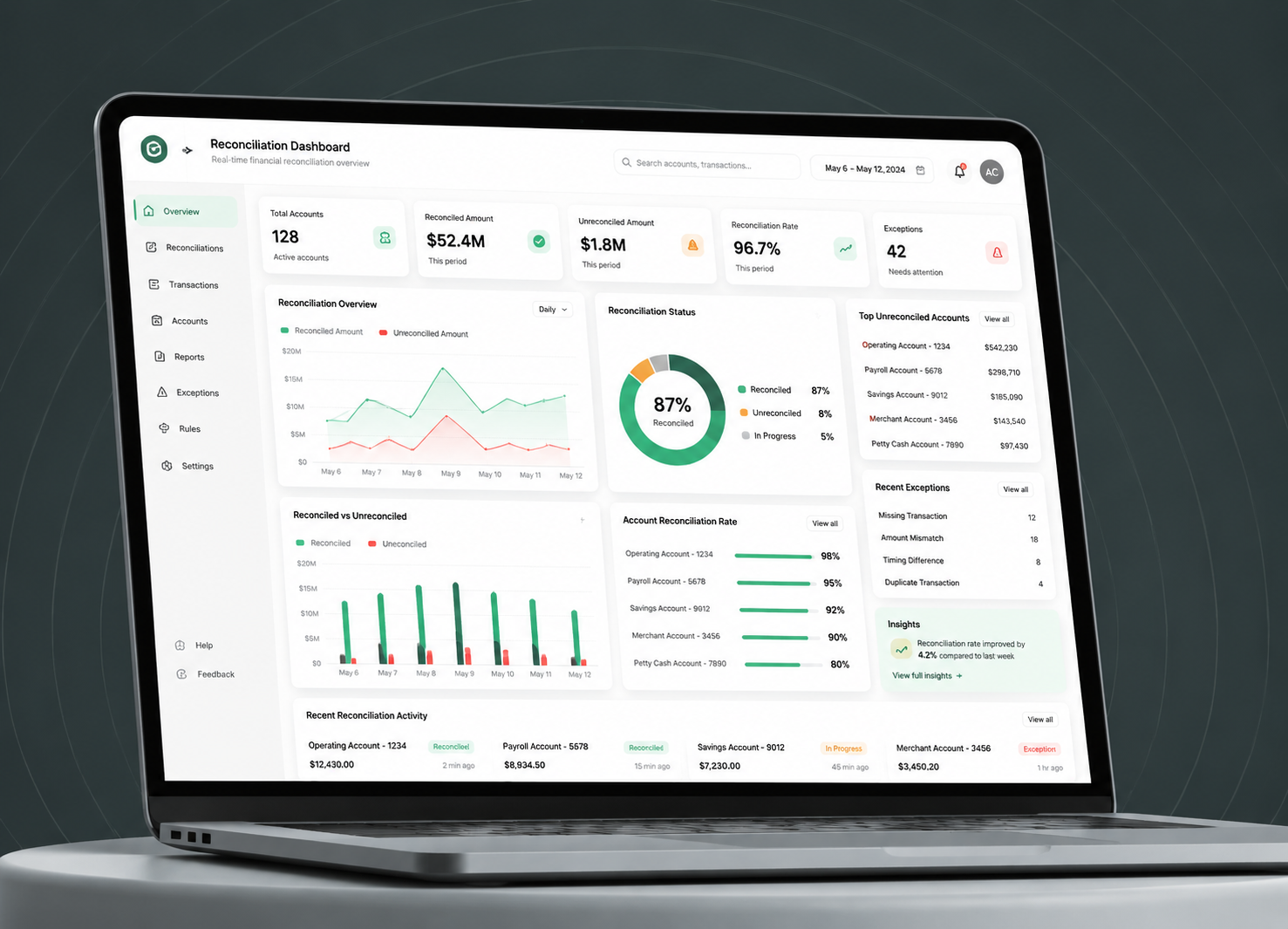
Autonomous reconciliation for a payments processor
Resolved 89% of reconciliation breaks without a human, every action logged for audit.
Read the full case studyGet a senior architect on the call, first time, every time.
No SDR gauntlet. 30 minutes with an engineer who can scope the problem, name the risks, and give you an honest feasibility call.