
Autonomous reconciliation for a payments processor
Resolved 89% of reconciliation breaks without a human, every action logged for audit.
89%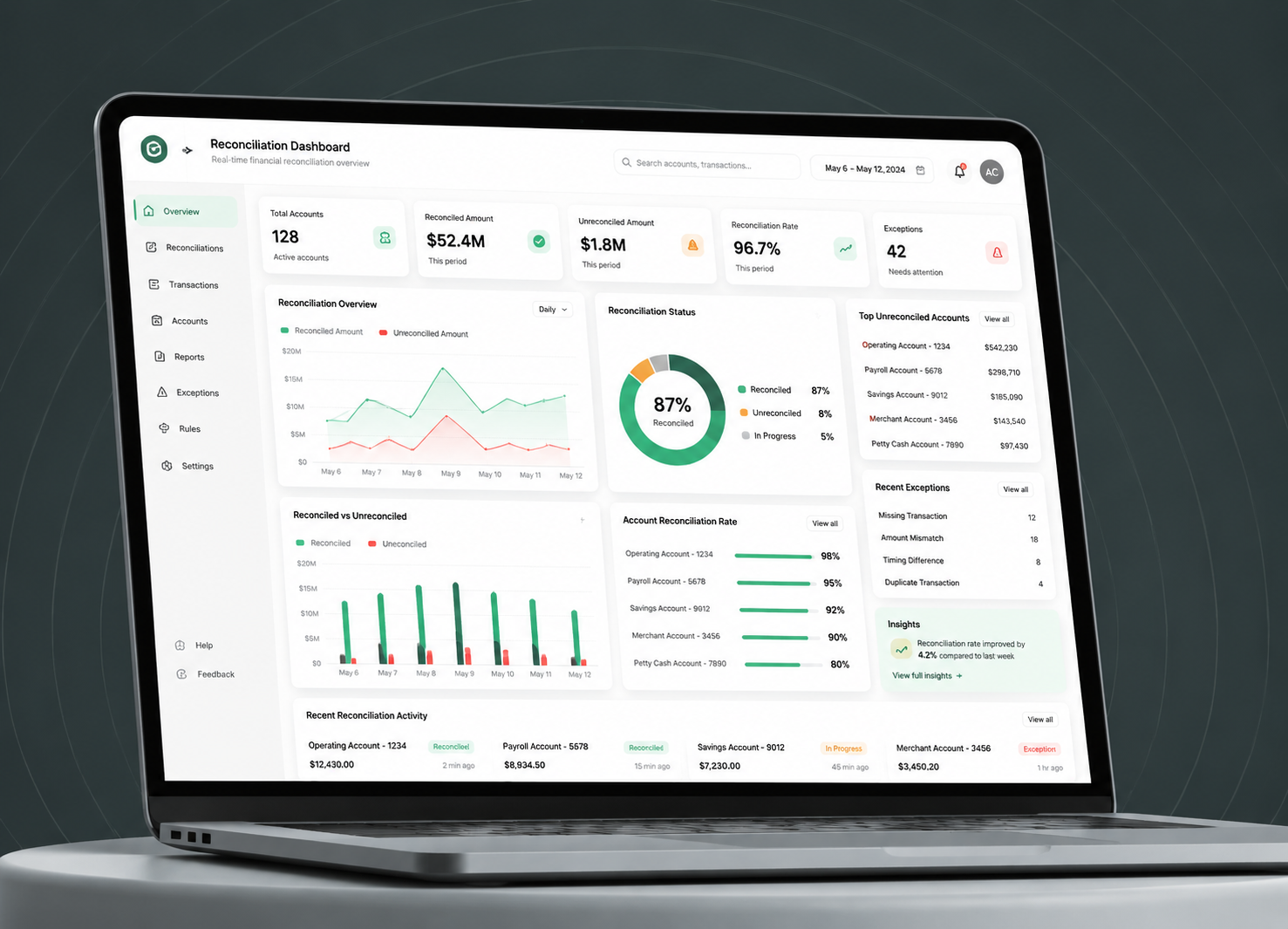
Problem, approach, and the outcome
The client is a fast-growing German payments processor moving high daily transaction volumes across multiple schemes and banking partners. As a regulated payments business, they operate under strict reconciliation and audit obligations.
Growth was outpacing their operations team's capacity to reconcile by hand, and hiring more people to clear breaks was neither fast enough nor economically sustainable at their scale.
A growing operations team cleared thousands of daily reconciliation breaks by hand, and headcount simply could not scale with transaction volume. Every new partner and payment method added more breaks to an already stretched queue.
Breaks aged for days, tying up settlement and obscuring the genuinely important exceptions in a sea of routine ones. The signal that mattered was drowning in noise, which is both a cost and a risk in a payments business.
Any automation had to leave an audit trail a regulator could follow step by step. A black-box fixer that resolved breaks without showing its working was never an option: provable accountability was a hard requirement, not a preference.
We built an agent that investigates each break against the source systems, gathers the supporting evidence, and proposes a fix within explicit guardrails. It reasons about the cause the way an analyst would, but at machine speed and without fatigue.
The agent executes the routine corrections autonomously and escalates only genuine exceptions to a human, with its full reasoning attached so the analyst starts from a diagnosis rather than a blank break. Every action (read, decision, and write) is logged and replayable, so the control function can reconstruct exactly what happened and why.
We started it in shadow mode, where it proposed fixes without acting, so we could prove its accuracy against human decisions before letting it touch anything. Only once its judgement matched the team's did we let it act, and even then within tightly bounded authority.
- 89% of breaks resolved without a human
- Full, replayable audit trail on every action
- Median break age down from 2 days to under an hour
- Operations absorbed volume growth without adding reconciliation staff
More AI & Machine Learning case studies
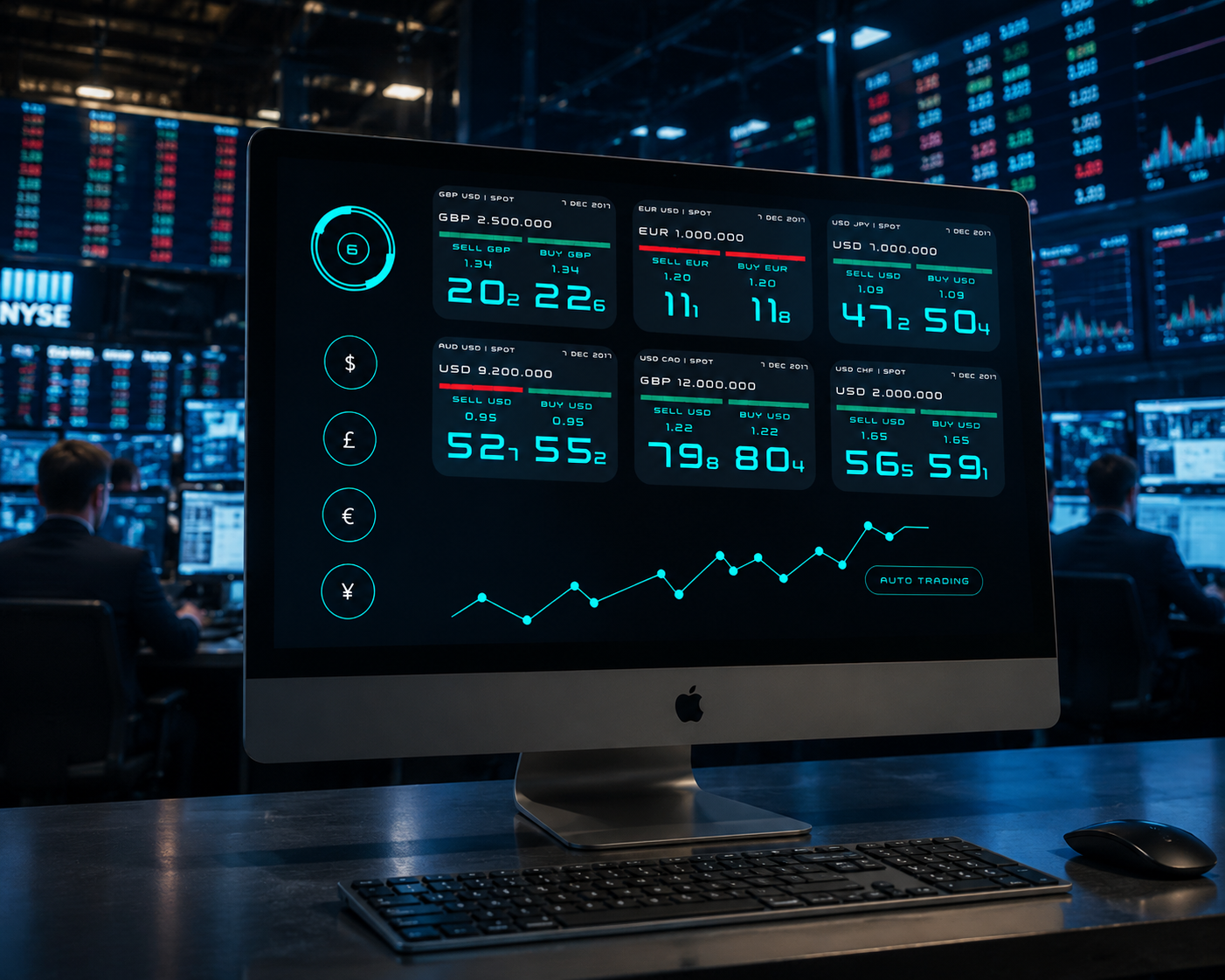
Self-healing incident remediation for a manufacturer's OT platform
Cut median incident remediation from 41 to 7 minutes across a manufacturer's OT platform, with a human approval gate on every action.
Read the full case study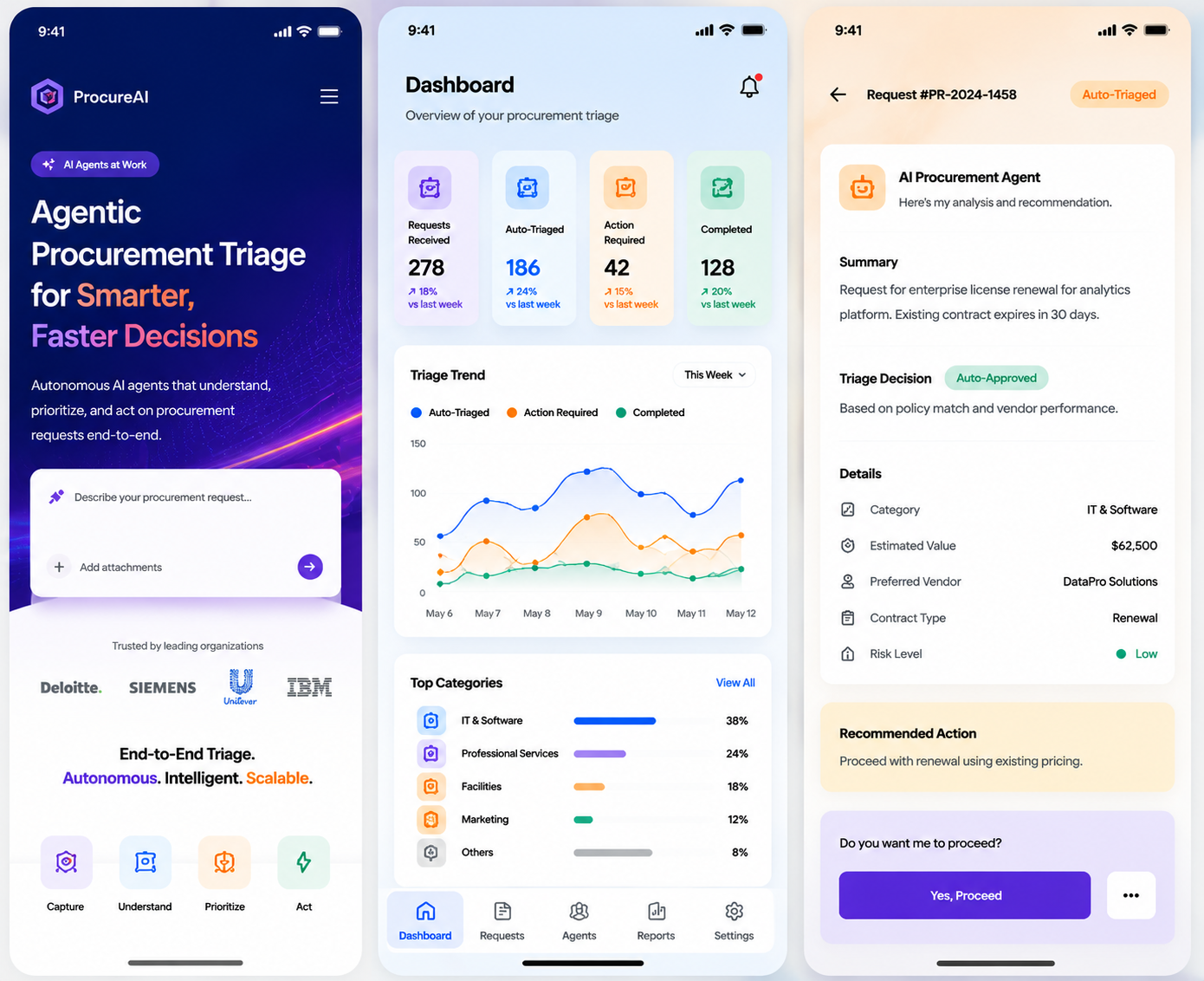
Agentic procurement triage for an NHS trust
Routed and matched 73% of purchase requests end to end, escalating only genuine exceptions.
Read the full case study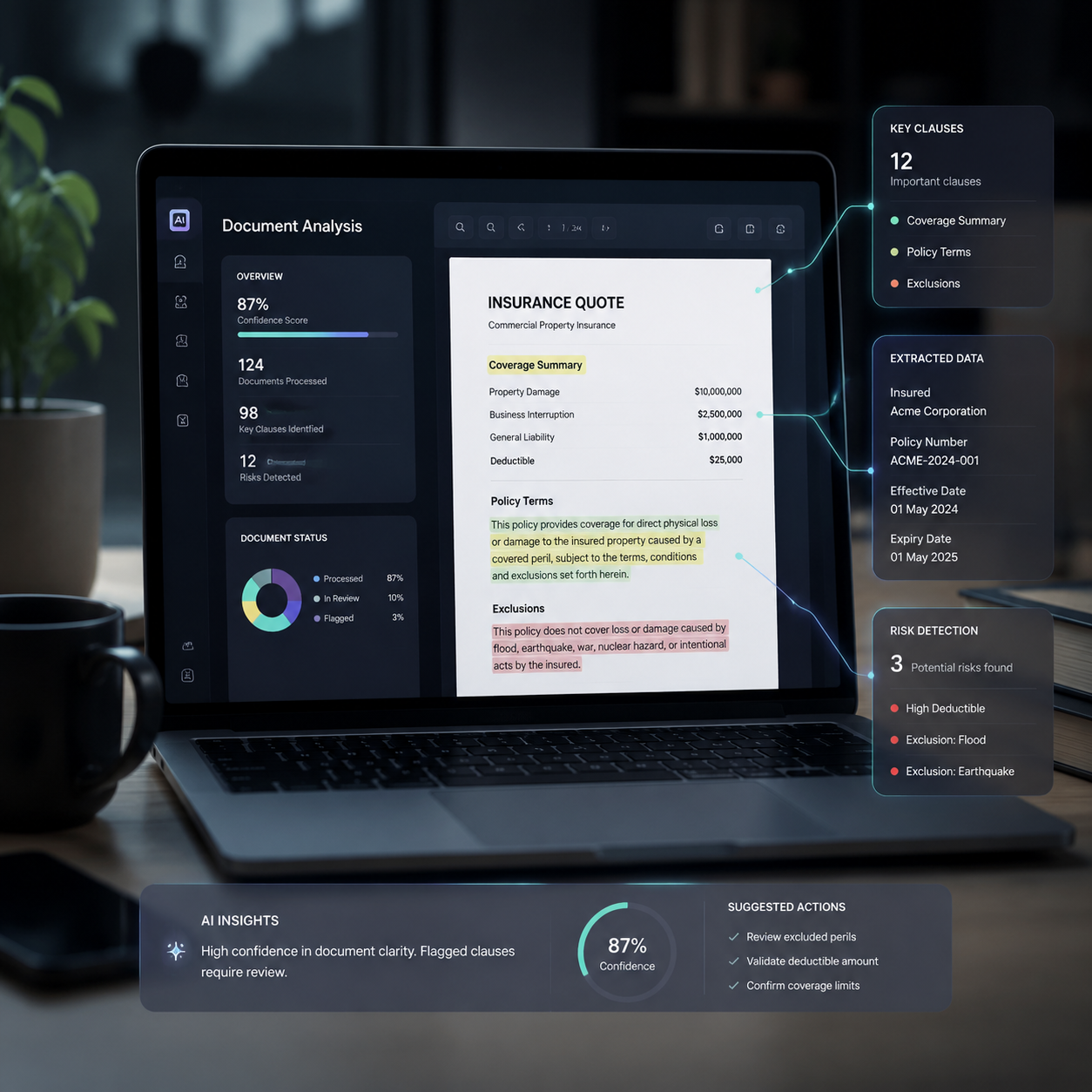
Underwriting copilot for a speciality insurer
Drafted first-pass quotes from submission packs 3.1x faster, every clause cited back to the wording it came from.
Read the full case studyGet a senior architect on the call, first time, every time.
No SDR gauntlet. 30 minutes with an engineer who can scope the problem, name the risks, and give you an honest feasibility call.