
Self-healing incident remediation for a manufacturer's OT platform
Cut median incident remediation from 41 to 7 minutes across a manufacturer's OT platform, with a human approval gate on every action.
7 min
Problem, approach, and the outcome
The client is a German manufacturer running a connected operational-technology (OT) platform across multiple production lines. On the shop floor, downtime is measured directly in lost output, so incident response speed has a hard financial edge.
Their engineering team was capable but stretched, and understandably conservative about anything that could touch production systems automatically: a single bad automated action on OT can be far more costly than a slow manual one.
On-call engineers lost the first half-hour of every incident to triage: correlating alerts, reading dashboards, and forming a hypothesis before they could even begin to act. That half-hour, repeated across every incident, added up to significant lost production and burnt-out engineers.
On a shop floor, the delay translated directly into stalled lines and lost output, so the cost of slow response was not abstract: it showed up on the day's production numbers.
But nobody would let software touch operational-technology systems unsupervised, and for good reason: an incorrect automated action on OT can damage equipment or safety. Blind automation was firmly off the table, so any solution had to keep a human in command.
We built an agent that correlates alerts across the OT and IT estate, drafts a diagnosis, and proposes a concrete remediation plan, compressing the slow triage phase into seconds. The engineer arrives to a hypothesis and a plan rather than a wall of raw alerts.
Crucially, it executes only after a named engineer approves, so a human stays firmly in command of anything that touches production. The agent advises and prepares; the person decides and authorises. Every plan, approval, and outcome is recorded, building an institutional memory that makes each subsequent incident faster to resolve.
We tuned it on historical incidents first, so its very first live suggestions already reflected the plant's real failure patterns rather than generic playbooks. That grounding is why engineers trusted its recommendations from the start.
- Median remediation from 41 to 7 minutes
- Human approval gate on every automated action
- Out-of-hours pages down 38%
- Recurring incident patterns captured and pre-drafted for reuse
More AI & Machine Learning case studies
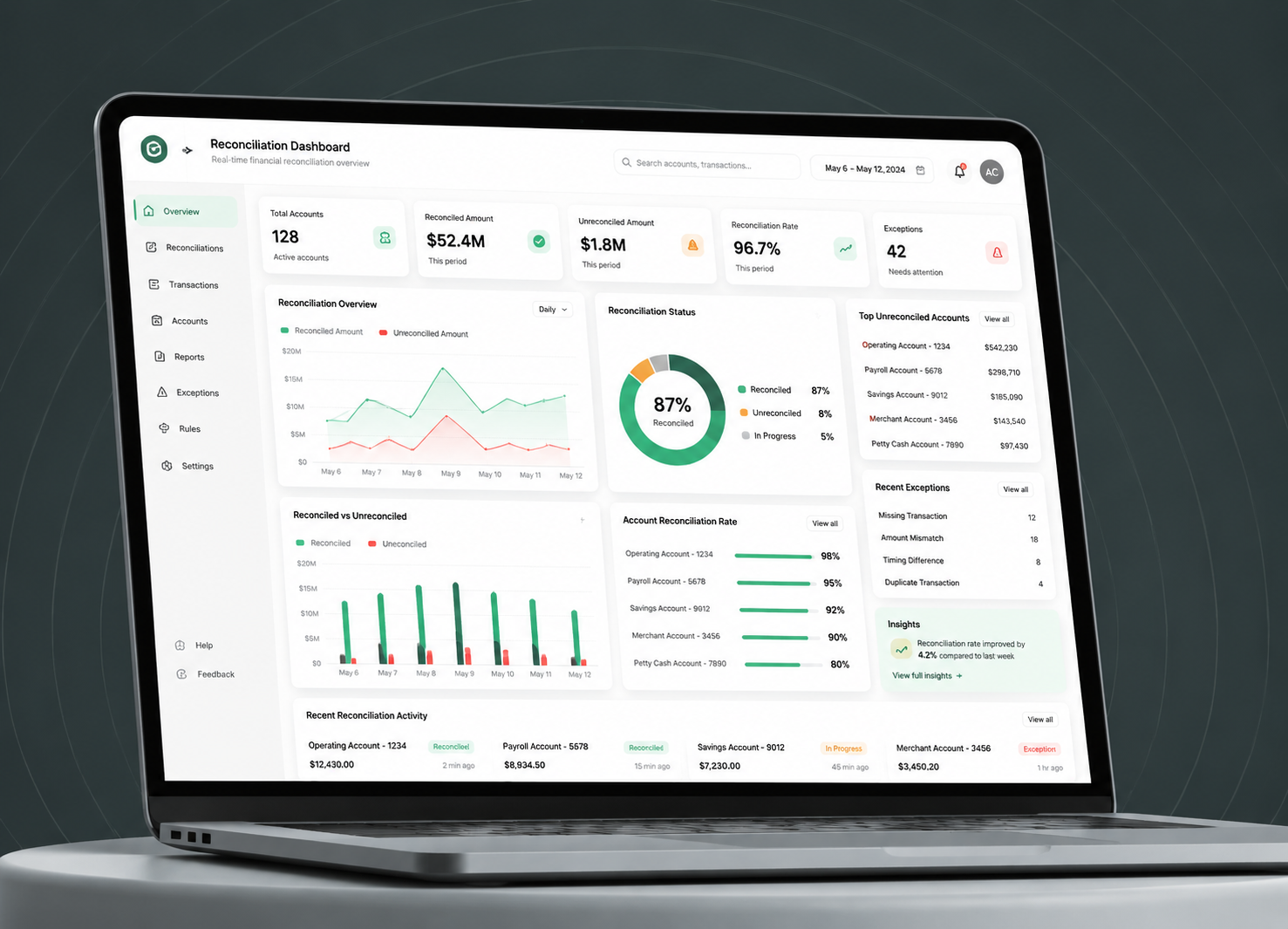
Autonomous reconciliation for a payments processor
Resolved 89% of reconciliation breaks without a human, every action logged for audit.
Read the full case study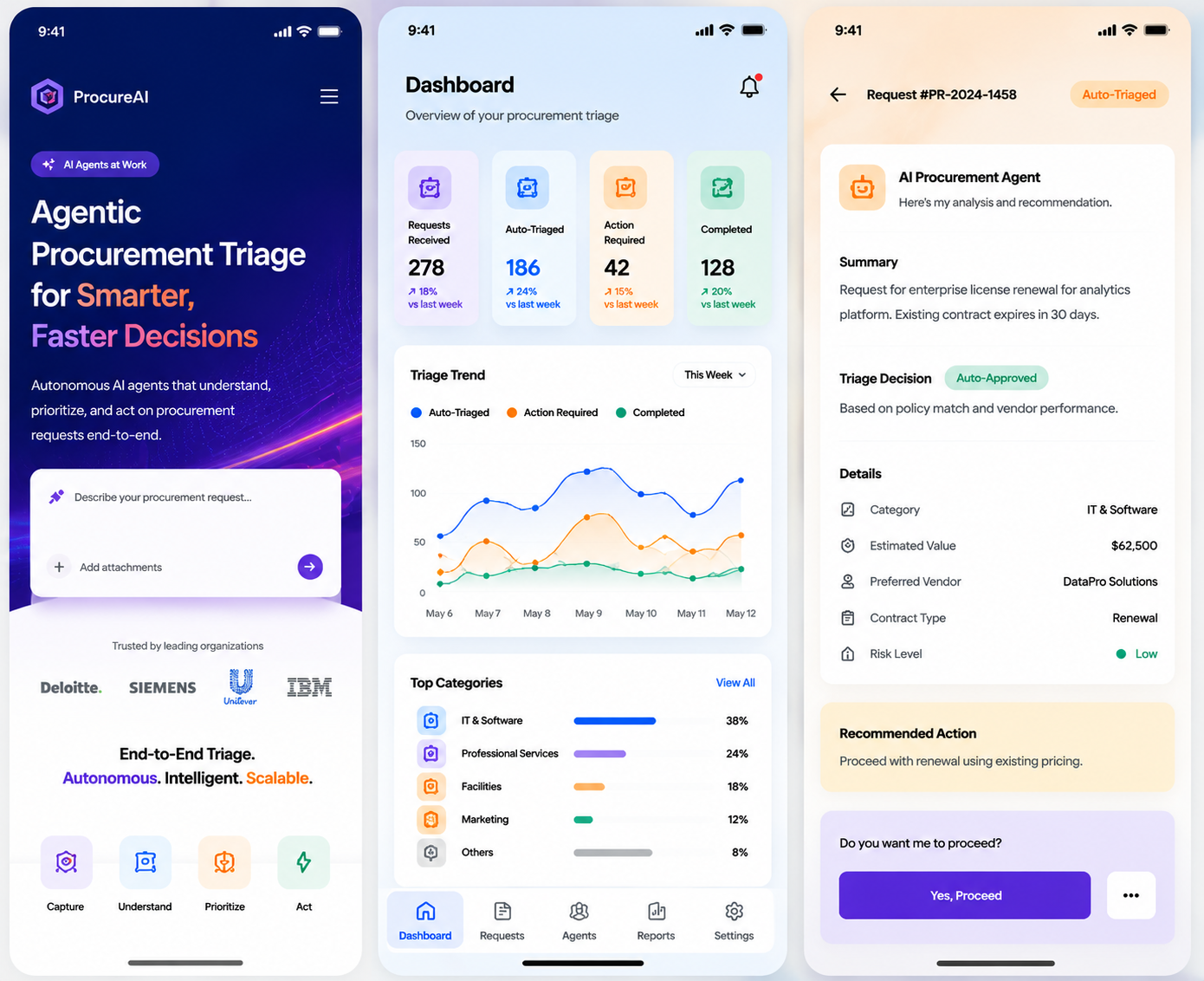
Agentic procurement triage for an NHS trust
Routed and matched 73% of purchase requests end to end, escalating only genuine exceptions.
Read the full case study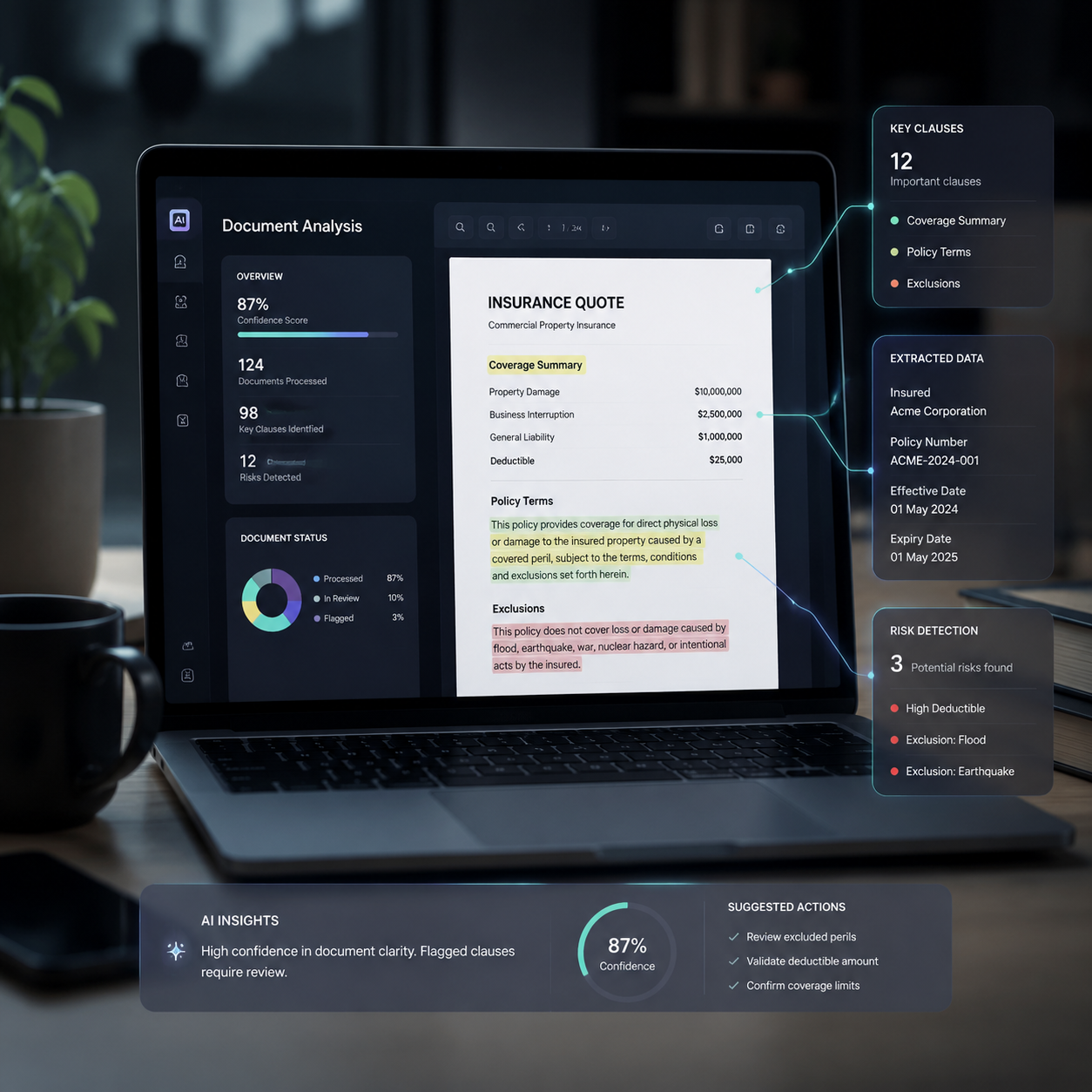
Underwriting copilot for a speciality insurer
Drafted first-pass quotes from submission packs 3.1x faster, every clause cited back to the wording it came from.
Read the full case studyGet a senior architect on the call, first time, every time.
No SDR gauntlet. 30 minutes with an engineer who can scope the problem, name the risks, and give you an honest feasibility call.