
Exploratory and regression testing for a customer-management platform
Exploratory and regression testing across pipelines, analytics, and customer records surfaced more than thirty edge-case defects that scripted suites had missed, hardening a German fintech's CRM before a major rollout.
30+ edge cases caught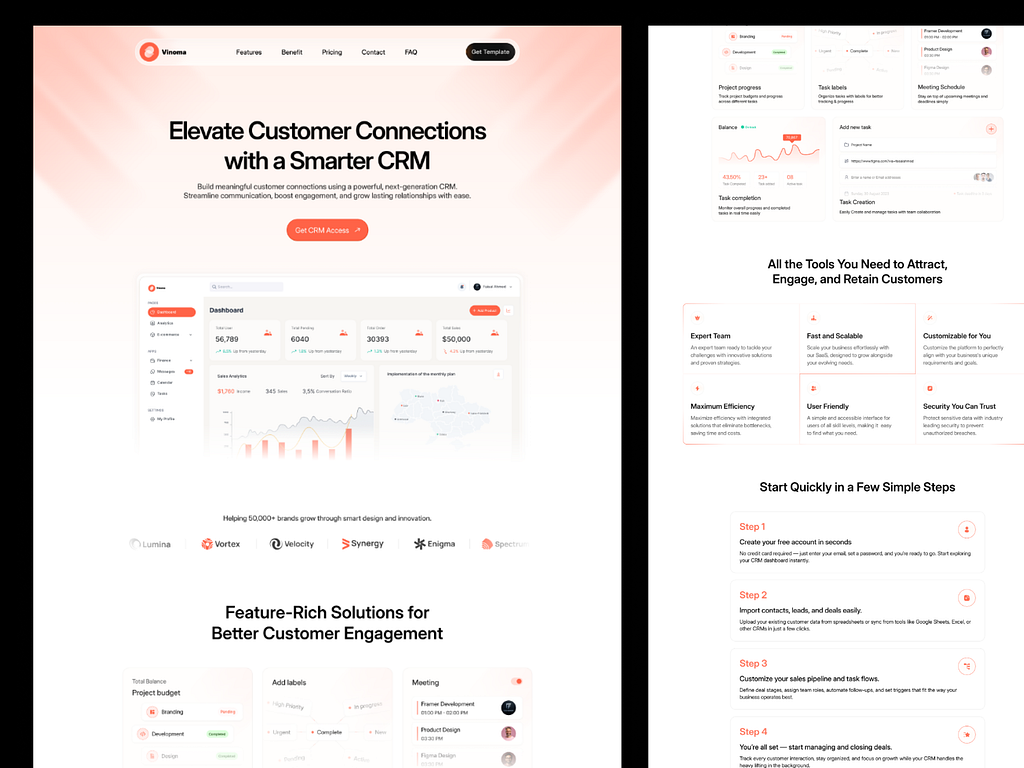
Problem, approach, and the outcome
The client is a German fintech whose customer-management platform holds pipelines, analytics, and customer records that its sales and service teams rely on to make daily decisions. When the CRM shows the wrong figure or loses a record, the business acts on bad information.
An existing automated suite gave the team a green light on every build, yet users kept hitting problems the suite never reported, and confidence in the platform was slipping.
The automated suite exercised the happy paths and passed, but real users worked the product in ways the scripts never anticipated: unusual pipeline states, part-complete records, and analytics filtered in combinations nobody had scripted. The defects lived precisely in that gap.
Because the CRM stitched together records and analytics through several integrations, data could drift subtly between the interface and the underlying services without any automated check noticing. Those inconsistencies eroded trust in the numbers the platform reported.
The fintech needed the edge cases the scripts could not reach found and fixed before a major rollout widened the blast radius.
We ran session-based exploratory testing across pipelines, analytics, and customer records, deliberately pushing the product into the unusual states and combinations that scripted suites skip, and used Postman to check the interface against the underlying services so we could catch data drift the UI alone would hide.
As defects emerged we built a regression suite in TestRail around the affected areas, so each fix was verified and the platform stayed hardened as change continued. Every defect went into Jira with exact steps, environment, and evidence a developer could reproduce on first read.
We prioritised the highest-risk records and analytics flows first, where a wrong figure did the most damage, and closed with a coverage report showing what the exploratory work had reached beyond the existing automation.
- 30+ edge-case defects surfaced beyond the automated suite
- UI-versus-service data drift caught via API checks
- Regression suite built around the highest-risk records and analytics
- Platform hardened and confidence restored ahead of rollout
More Quality Assurance & Testing case studies
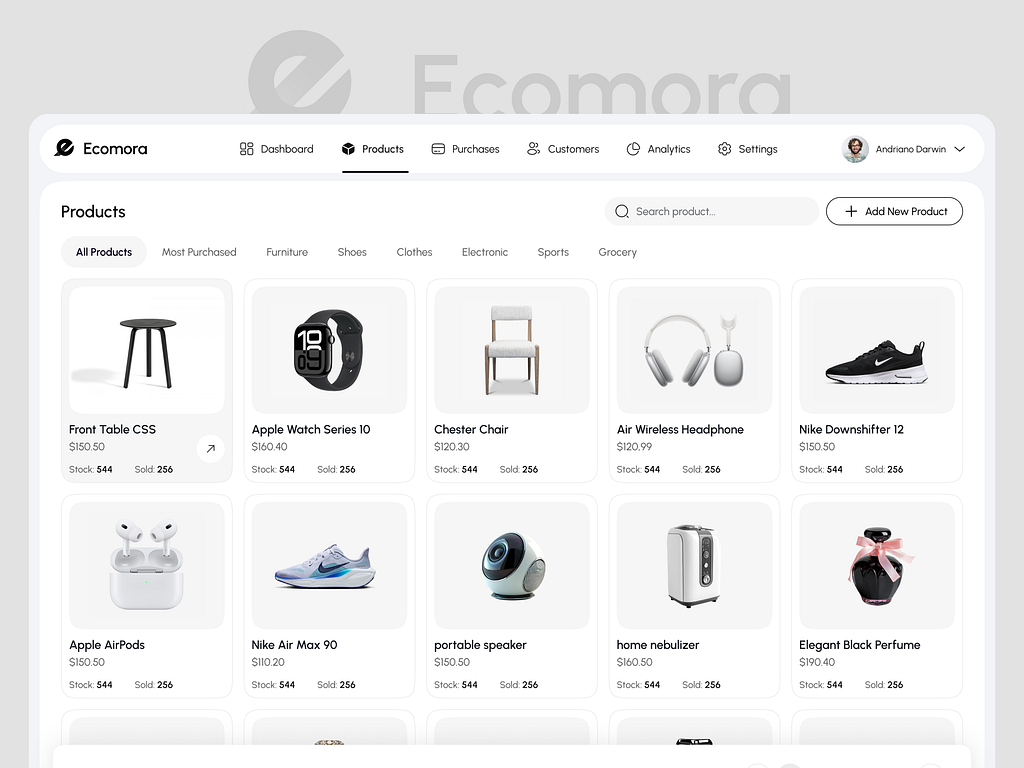
Manual QA for an online store's product dashboard and checkout
Functional and exploratory testing across catalogue, search, filters, and checkout caught layout and data defects before go-live, so a US retailer launched its new store with no customer-facing incidents.
Read the full case study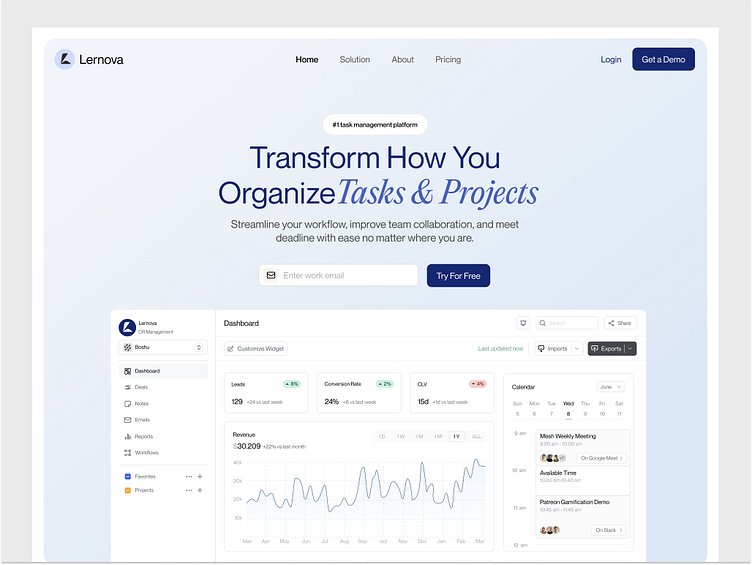
Functional QA on the release train for a task-management SaaS
Hands-on regression and exploratory testing of boards, dashboards, and role-based workflows kept every critical path stable through fortnightly releases, holding critical-path coverage at 100% for a UK logistics-operations SaaS.
Read the full case study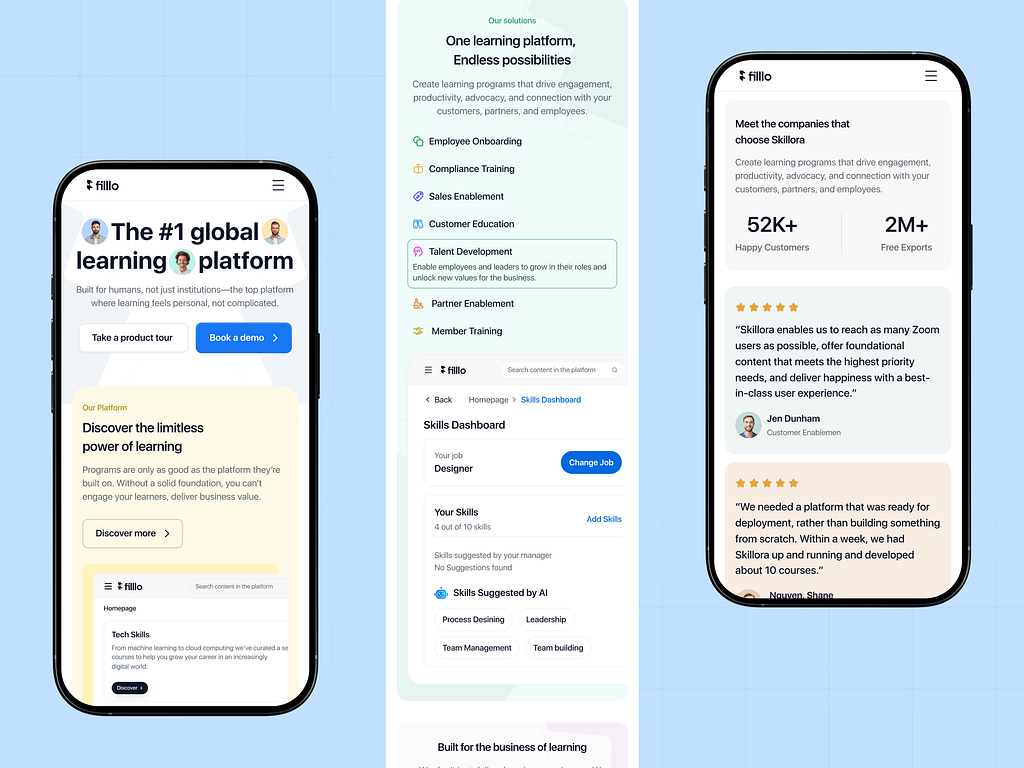
Usability and accessibility testing for a mobile learning platform
Real-device usability and hands-on accessibility testing with assistive technology took a public-sector learning app to a clean WCAG 2.2 AA launch with no post-release remediation sprint.
Read the full case studyGet a senior architect on the call, first time, every time.
No SDR gauntlet. 30 minutes with an engineer who can scope the problem, name the risks, and give you an honest feasibility call.