
Usability and accessibility testing for a mobile learning platform
Real-device usability and hands-on accessibility testing with assistive technology took a public-sector learning app to a clean WCAG 2.2 AA launch with no post-release remediation sprint.
WCAG 2.2 AA passed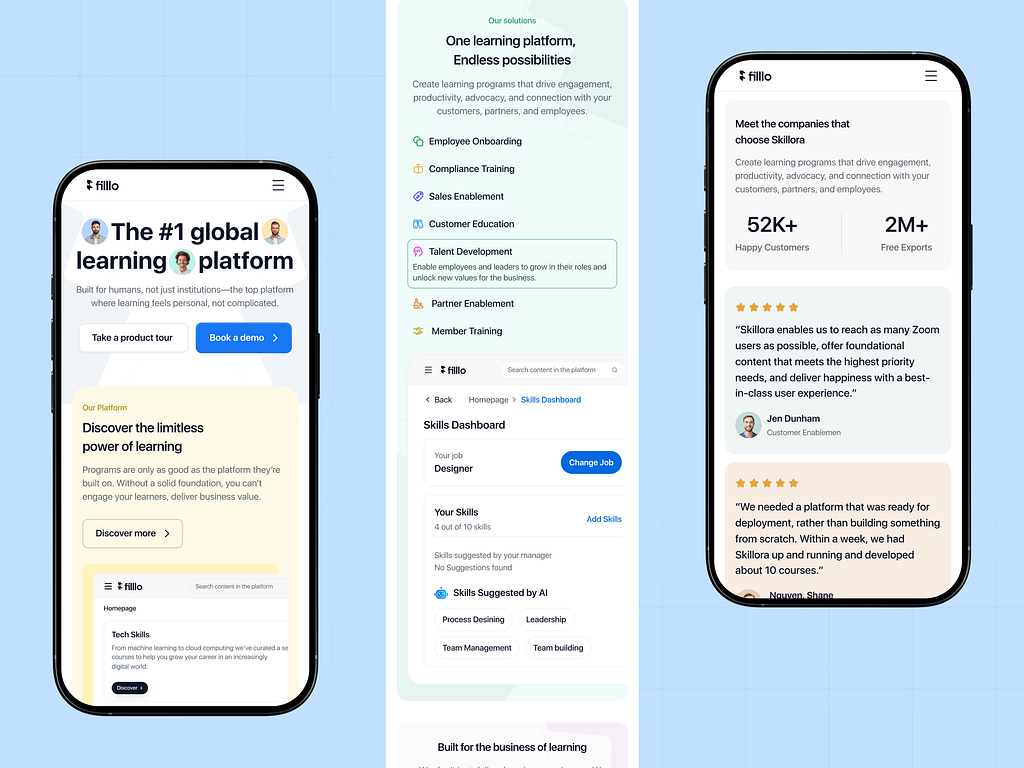
Problem, approach, and the outcome
The client is a Singapore public-sector education provider launching a mobile learning platform that citizens of every ability would use to access training and courses. As a public service, the app had a legal and civic obligation to be genuinely usable by people relying on assistive technology.
The team had run automated accessibility scans, but nobody had actually worked through the learning experience by hand with a screen reader, and the launch had to withstand a formal WCAG audit.
Automated tooling could flag missing labels and contrast issues, but it could not tell whether a learner using a screen reader could actually complete a lesson, navigate between modules, or recover from an error. The real barriers only appear when someone drives the app the way an assistive-technology user does.
The experience also had to hold up across real iOS and Android devices, where gestures, focus order, and dynamic content behave differently from a desktop emulator. A pass on paper was not the same as a pass in a learner's hands.
With a formal WCAG 2.2 AA audit ahead, the provider needed the accessibility barriers found and fixed before assessors did, not remediated in a panic afterwards.
We tested the full learning journey by hand on real iOS and Android devices with VoiceOver and TalkBack, walking the paths a learner with assistive technology actually takes (finding a course, working through a lesson, and recovering from errors) while using axe to sweep for the mechanical issues automation catches best.
Every barrier was mapped to the specific WCAG 2.2 AA success criterion it failed and logged with device, assistive-tech version, steps, and a screen recording, so developers could reproduce and fix each one precisely. Fixes were re-tested by hand on the same real-device matrix rather than signed off from a scan.
We prioritised the criteria most likely to block a learner or fail the audit first, and closed with an evidence pack that mapped coverage against every applicable success criterion.
- Full learning journey verified by hand with real assistive tech
- Barriers mapped to specific WCAG 2.2 AA success criteria
- Tested and re-verified across a real iOS and Android device matrix
- Clean WCAG 2.2 AA launch with no remediation sprint afterwards
More Quality Assurance & Testing case studies
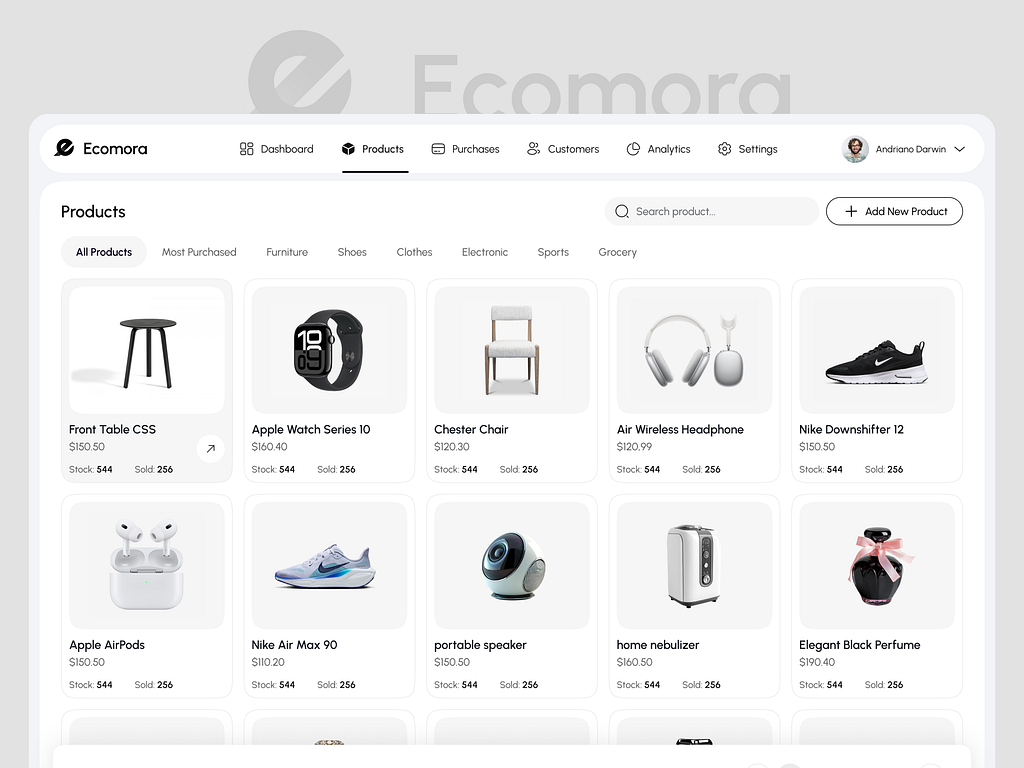
Manual QA for an online store's product dashboard and checkout
Functional and exploratory testing across catalogue, search, filters, and checkout caught layout and data defects before go-live, so a US retailer launched its new store with no customer-facing incidents.
Read the full case study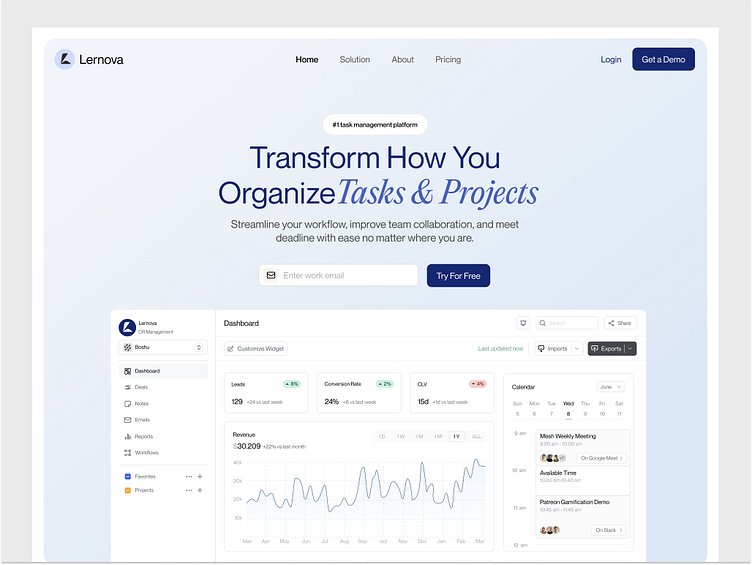
Functional QA on the release train for a task-management SaaS
Hands-on regression and exploratory testing of boards, dashboards, and role-based workflows kept every critical path stable through fortnightly releases, holding critical-path coverage at 100% for a UK logistics-operations SaaS.
Read the full case study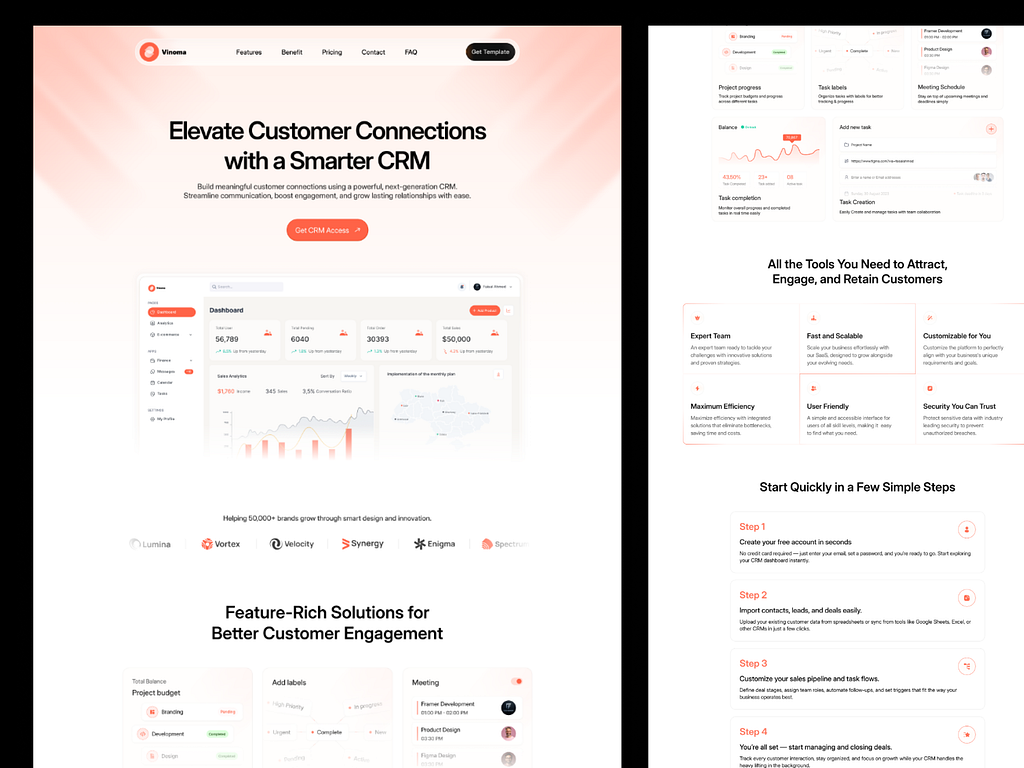
Exploratory and regression testing for a customer-management platform
Exploratory and regression testing across pipelines, analytics, and customer records surfaced more than thirty edge-case defects that scripted suites had missed, hardening a German fintech's CRM before a major rollout.
Read the full case studyGet a senior architect on the call, first time, every time.
No SDR gauntlet. 30 minutes with an engineer who can scope the problem, name the risks, and give you an honest feasibility call.