
Manual QA for an online store's product dashboard and checkout
Functional and exploratory testing across catalogue, search, filters, and checkout caught layout and data defects before go-live, so a US retailer launched its new store with no customer-facing incidents.
Zero-incident launch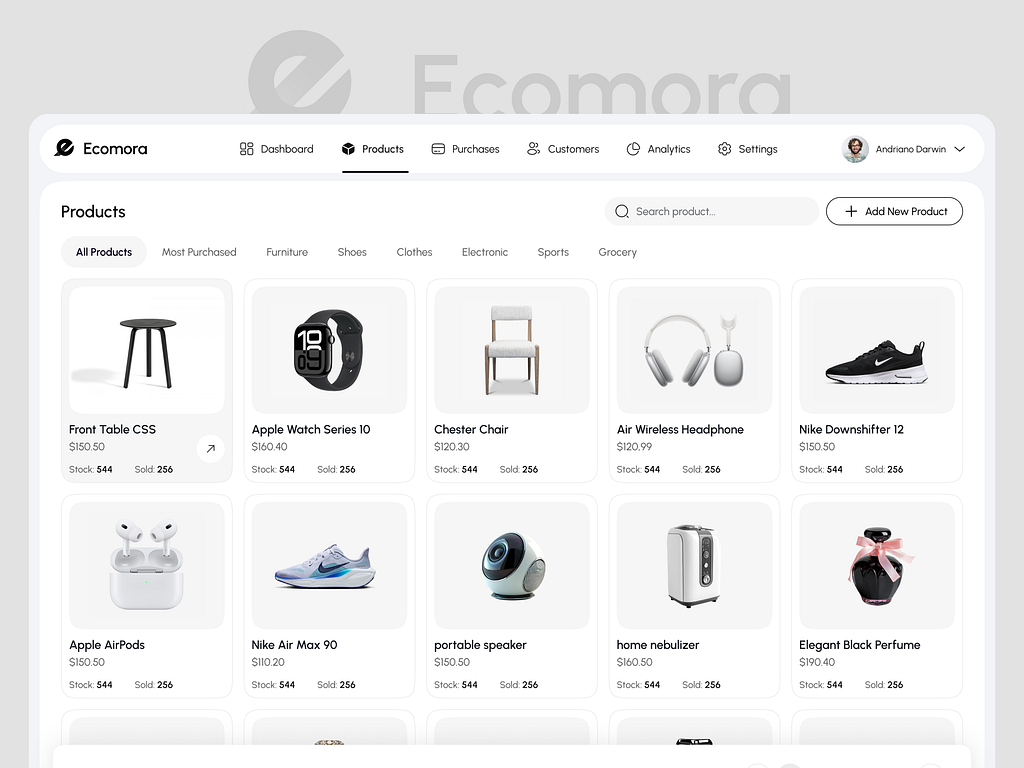
Problem, approach, and the outcome
The client is a US retailer replatforming its online store ahead of a peak trading season. The product dashboard, catalogue, and checkout are where revenue is either captured or quietly lost, so the store had to be right the day it opened.
The internal team had strong developers but no dedicated QA function, and a hard launch date left no room to discover basic defects in front of real shoppers.
The catalogue, search, filters, and checkout had been built quickly against a fixed deadline, and nobody had tested the paths a real shopper actually walks end to end. Automated checks passed, yet the joined-up journey had never been exercised by hand.
Product data drove much of the storefront, so a single mismatched price, wrong image, or broken filter could undermine trust the moment the store opened. Layout also shifted across browsers and viewports in ways the team had not systematically checked.
With the launch date fixed, the retailer needed defects surfaced early enough to fix them calmly, not a scramble on launch weekend.
We wrote test charters covering the full purchase journey (browsing the catalogue, searching, filtering, adding to basket, and completing checkout as both a registered and a guest shopper) and ran them by hand against a maintained matrix of real browsers and devices in BrowserStack.
Alongside the scripted cases we ran session-based exploratory testing on the search, filter, and product-data flows, deliberately hunting the layout and data mismatches that pass automated checks but break the shopper's experience. Every defect went into Jira with exact steps, environment, and a screenshot, and cases were tracked in TestRail against the signed acceptance criteria.
We ran the cycle early enough that fixes could be verified and regressed before the freeze, closing with a clear coverage report and go/no-go recommendation rather than a last-minute status update.
- Full catalogue-to-checkout journey verified by hand pre-launch
- Layout and product-data defects caught across the real browser matrix
- Every defect logged with reproducible steps, device, and evidence
- Store launched on schedule with no customer-facing incidents
More Quality Assurance & Testing case studies
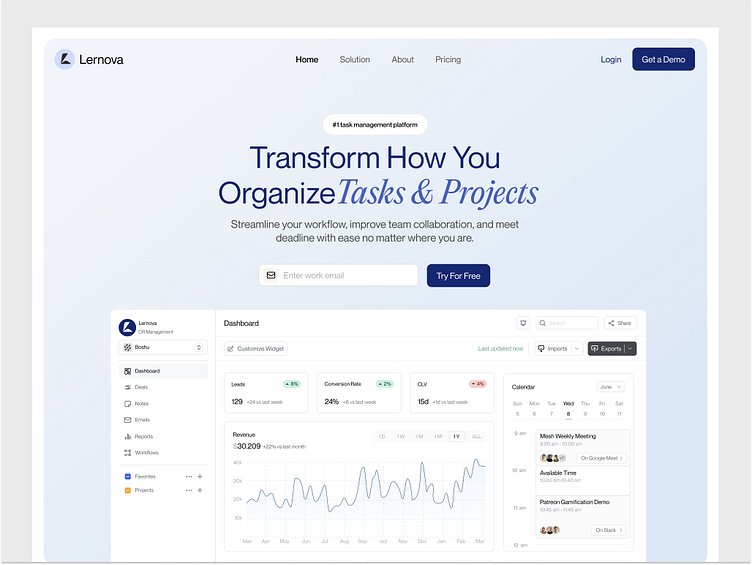
Functional QA on the release train for a task-management SaaS
Hands-on regression and exploratory testing of boards, dashboards, and role-based workflows kept every critical path stable through fortnightly releases, holding critical-path coverage at 100% for a UK logistics-operations SaaS.
Read the full case study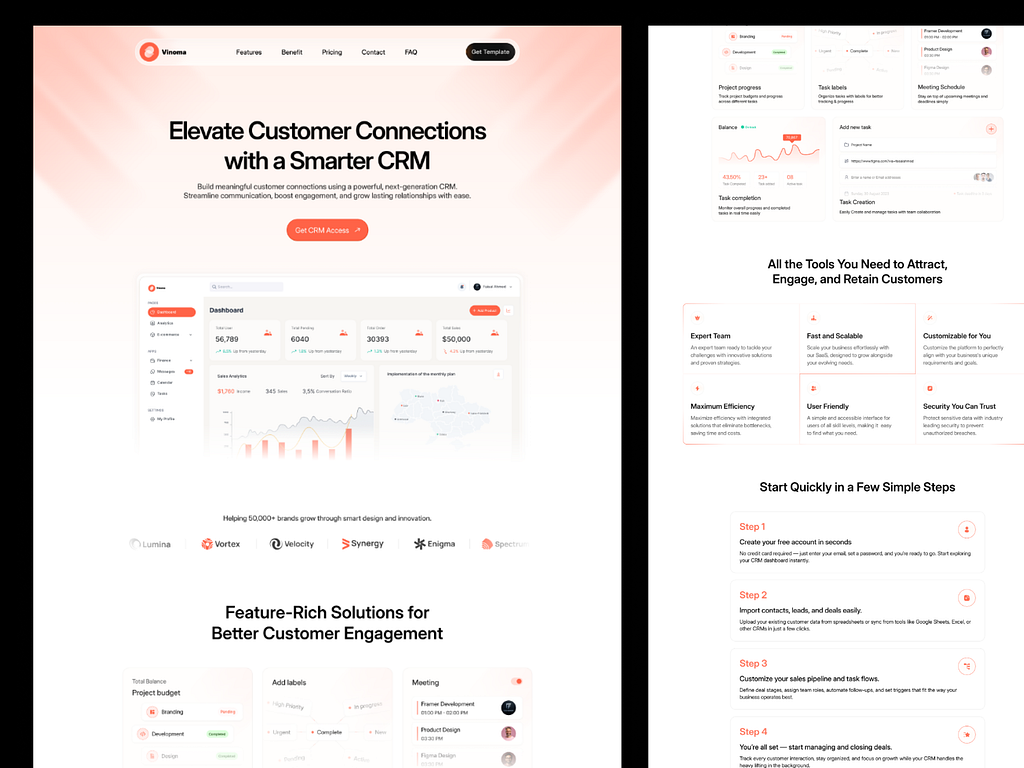
Exploratory and regression testing for a customer-management platform
Exploratory and regression testing across pipelines, analytics, and customer records surfaced more than thirty edge-case defects that scripted suites had missed, hardening a German fintech's CRM before a major rollout.
Read the full case study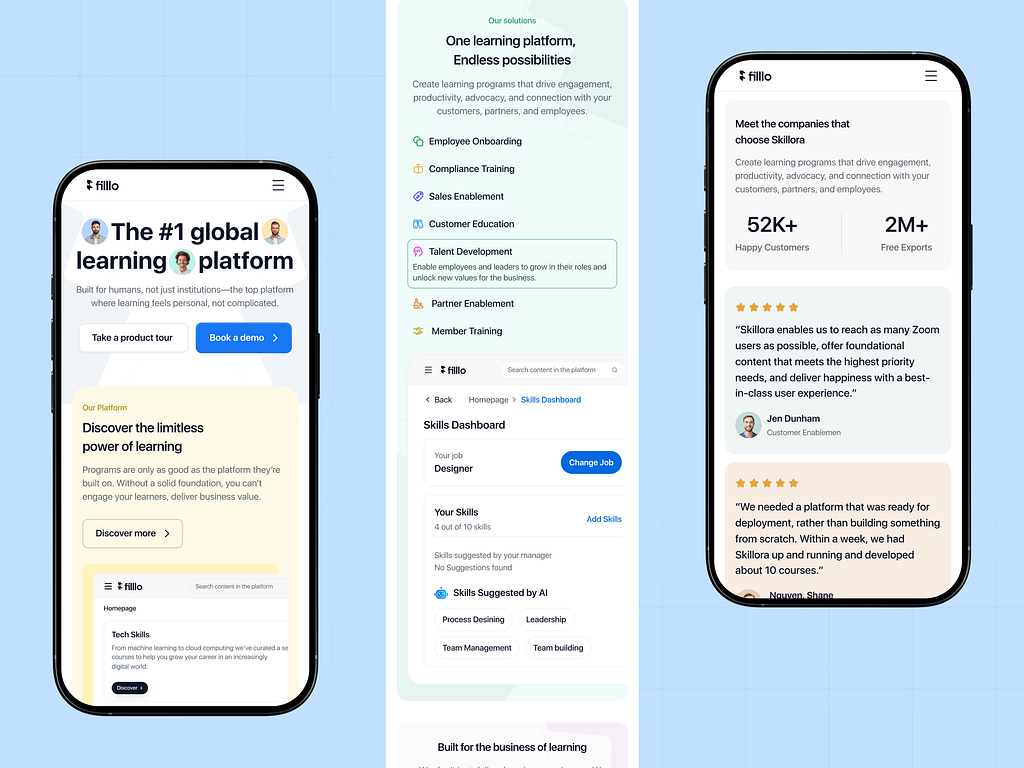
Usability and accessibility testing for a mobile learning platform
Real-device usability and hands-on accessibility testing with assistive technology took a public-sector learning app to a clean WCAG 2.2 AA launch with no post-release remediation sprint.
Read the full case studyGet a senior architect on the call, first time, every time.
No SDR gauntlet. 30 minutes with an engineer who can scope the problem, name the risks, and give you an honest feasibility call.