
Functional QA on the release train for a task-management SaaS
Hands-on regression and exploratory testing of boards, dashboards, and role-based workflows kept every critical path stable through fortnightly releases, holding critical-path coverage at 100% for a UK logistics-operations SaaS.
100% critical coverage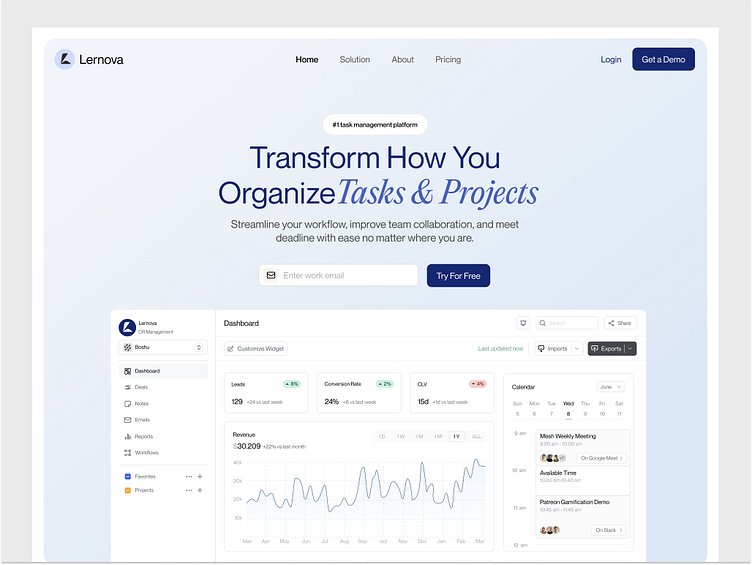
Problem, approach, and the outcome
The client is a UK SaaS company whose task-management product coordinates work across logistics-operations teams, where a broken board or a mis-scoped permission stops real work on the ground. Their customers run the product every day, so stability is the whole promise.
The product shipped on a fast fortnightly cadence, and the small engineering team had no dedicated QA to hold the critical paths steady as features landed release after release.
Every fortnight new features touched boards, dashboards, and team workflows, and each release risked quietly breaking a path that a customer depended on. The pace left no time for the team to regress the product by hand before shipping.
Role-based access made it worse: the same board behaved differently for an admin, a manager, and a member, and those permission-sensitive paths were exactly where regressions hid. A defect in one role could expose or block work for a whole customer team.
The company needed the critical paths verified every cycle, at the speed of the release train, without slowing it down.
We baselined the critical user journeys across each role and built a maintained regression suite in TestRail, mapped to acceptance criteria and linked to development work through Xray and Jira so coverage was traceable rather than assumed.
Each cycle we ran the regression pass by hand across the role matrix (admin, manager, and member), then added session-based exploratory testing on the newly changed boards and dashboards to catch the state and permission defects scripted cases would miss. Stable, repeatable cases were handed back for automation so human effort stayed focused on the risky, changing surface.
Defects were reported with role, steps, build, and a screen recording, and every cycle closed with a go/no-go call the team could ship against with confidence.
- Critical-path coverage held at 100% every fortnight
- Role-based board and permission regressions caught before release
- Stable cases handed off to automation to compound coverage
- QA kept pace with the release train without slowing it
More Quality Assurance & Testing case studies
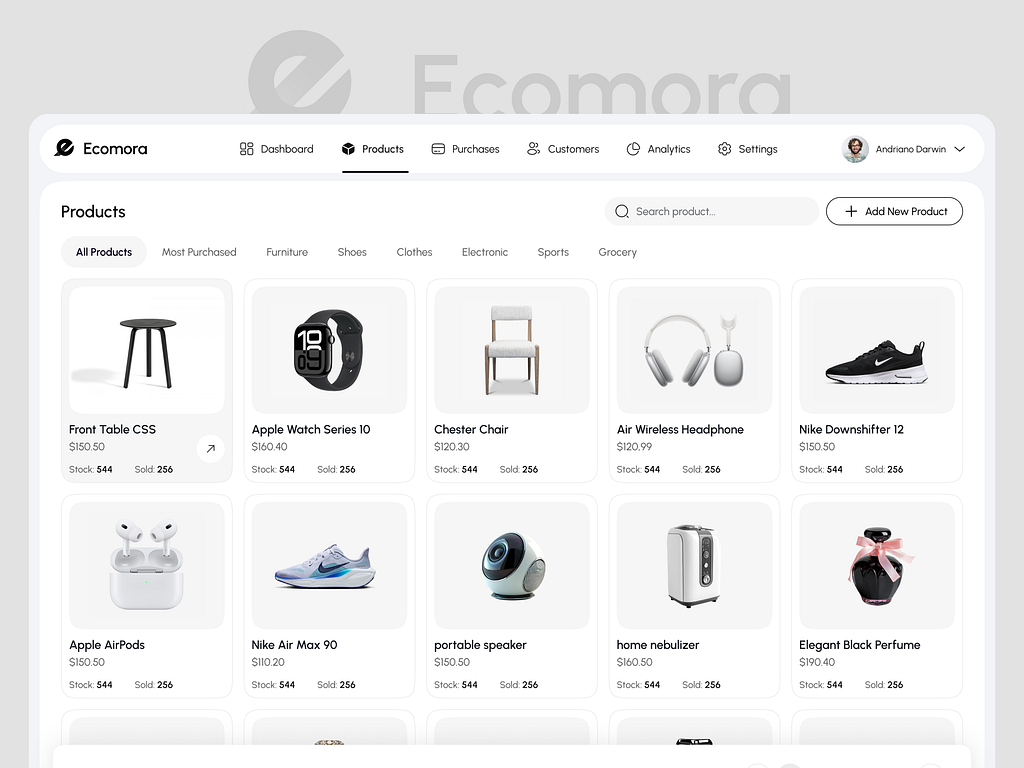
Manual QA for an online store's product dashboard and checkout
Functional and exploratory testing across catalogue, search, filters, and checkout caught layout and data defects before go-live, so a US retailer launched its new store with no customer-facing incidents.
Read the full case study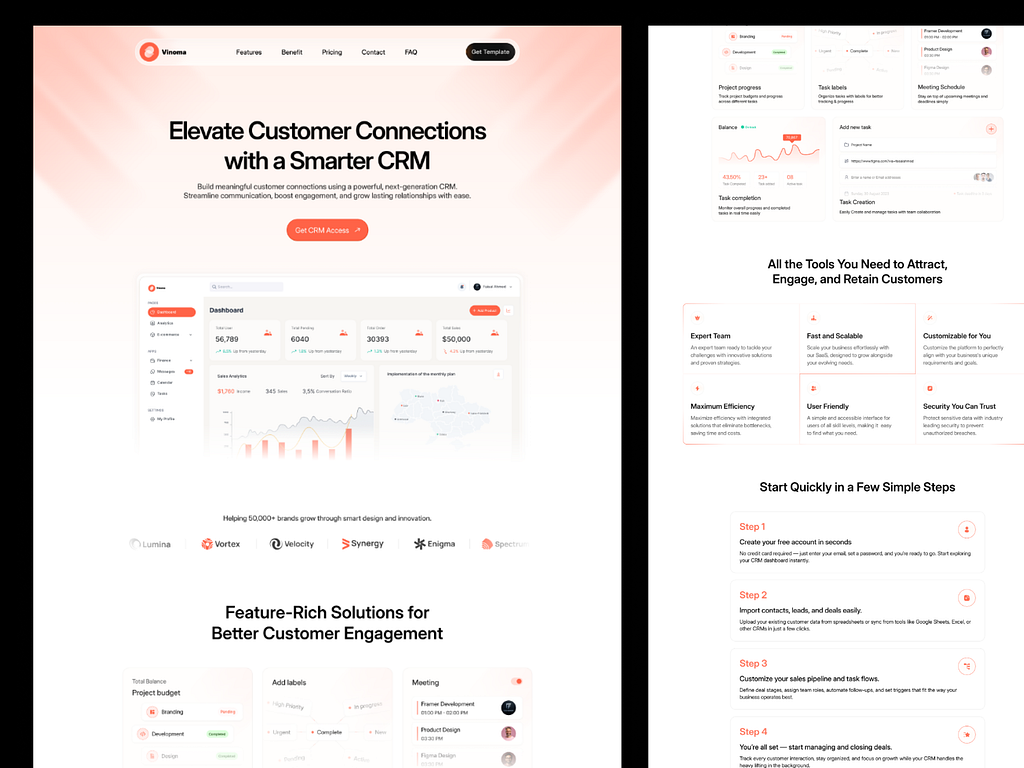
Exploratory and regression testing for a customer-management platform
Exploratory and regression testing across pipelines, analytics, and customer records surfaced more than thirty edge-case defects that scripted suites had missed, hardening a German fintech's CRM before a major rollout.
Read the full case study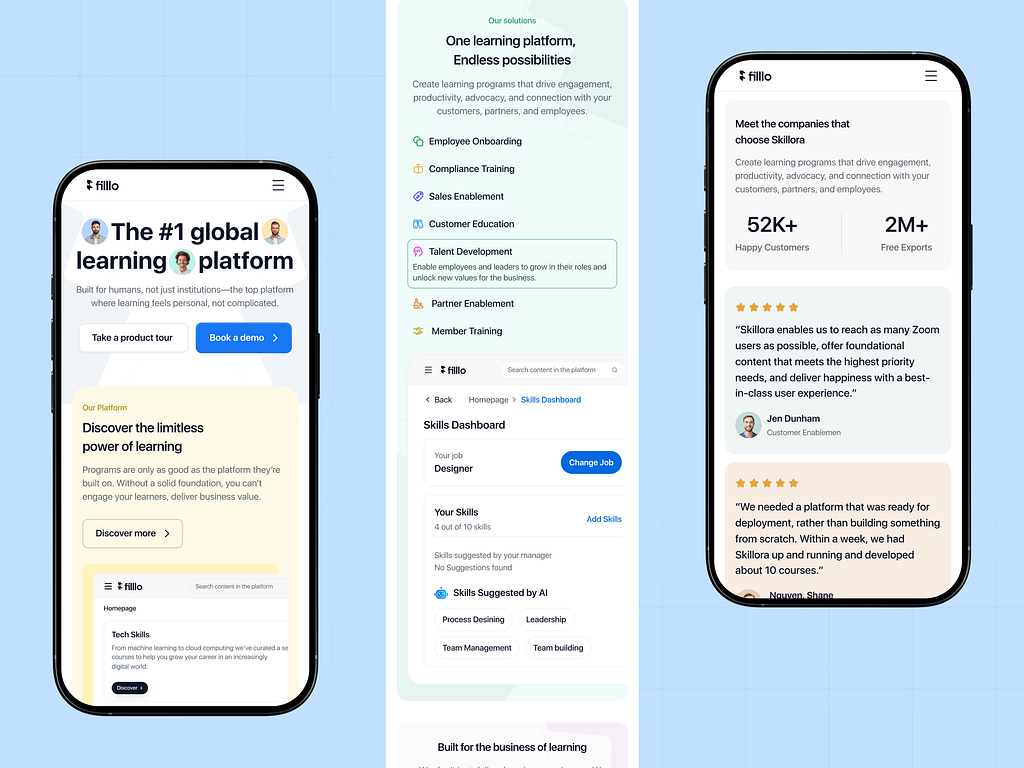
Usability and accessibility testing for a mobile learning platform
Real-device usability and hands-on accessibility testing with assistive technology took a public-sector learning app to a clean WCAG 2.2 AA launch with no post-release remediation sprint.
Read the full case studyGet a senior architect on the call, first time, every time.
No SDR gauntlet. 30 minutes with an engineer who can scope the problem, name the risks, and give you an honest feasibility call.