
Patient 360 for a telemedicine provider
Unified a fragmented patient view, lifting care-team efficiency 24% at a telemedicine provider.
24%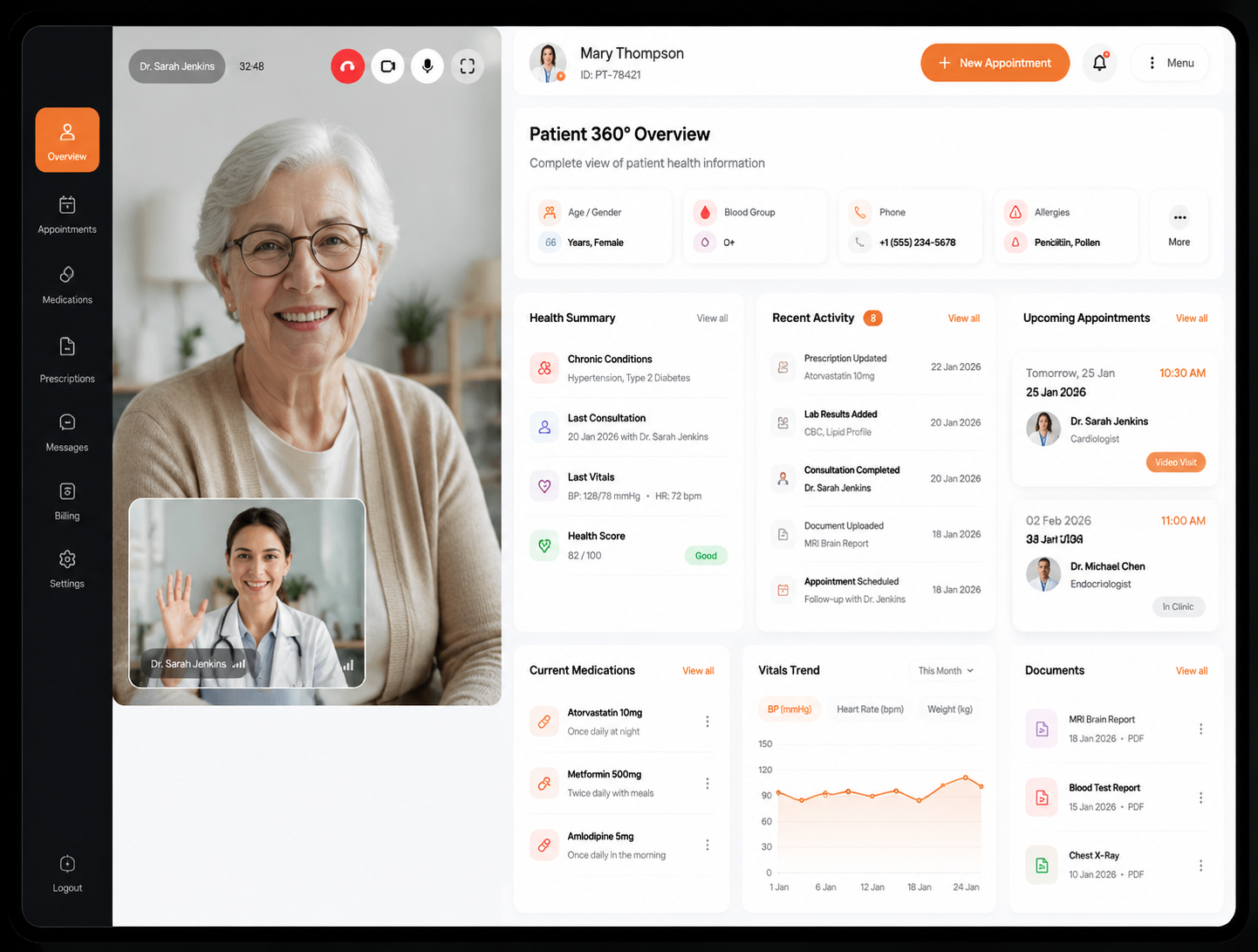
Problem, approach, and the outcome
The client is a UK telemedicine provider whose patient data was split across booking, consult, and pharmacy systems. Care teams need a complete, current view of a patient to make good decisions quickly.
With the data fragmented, care teams pieced the picture together by hand before every interaction, wasting clinical time and risking incomplete views.
Patient data was scattered across booking, consult, and pharmacy systems, so care teams pieced the picture together by hand before every interaction. Reassembling the picture repeatedly was slow and error-prone.
That wasted clinical time and risked decisions made on an incomplete view. Fragmented data is a patient-safety issue as much as an efficiency one.
The provider needed one resolved, trustworthy patient view, without overstepping consent. Completeness and consent had to be reconciled.
We built a unified patient 360 on governed identity resolution, so records from separate systems reliably resolve to the right person. Getting identity right is the foundation of a trustworthy unified view.
Consent was respected as a first-class constraint, exposing only what a care team is permitted to see. Consent shaped the design rather than being bolted on.
The view was certified and FHIR-aligned, keeping it consistent with the wider clinical estate, and care teams got a single, current picture instead of a manual reassembly job. Clinical time went back to care.
- 24% lift in care-team efficiency
- One resolved, consented patient view
- FHIR-aligned and governed
- Consent enforced as a first-class constraint
More Data & Analytics case studies
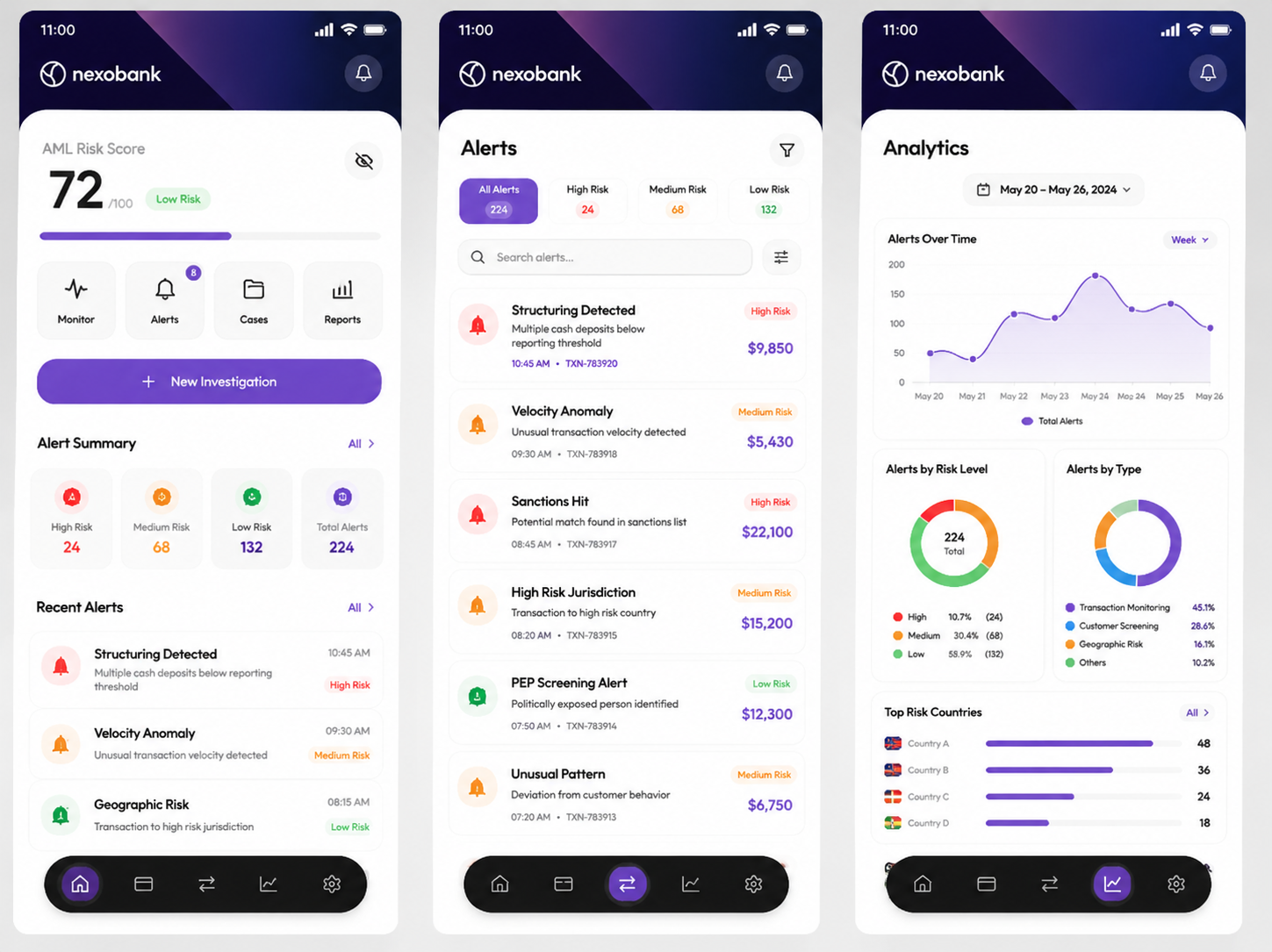
AML transaction-monitoring analytics for a bank
Cut false-positive AML alerts 44% at a bank while catching more genuine risk.
Read the full case study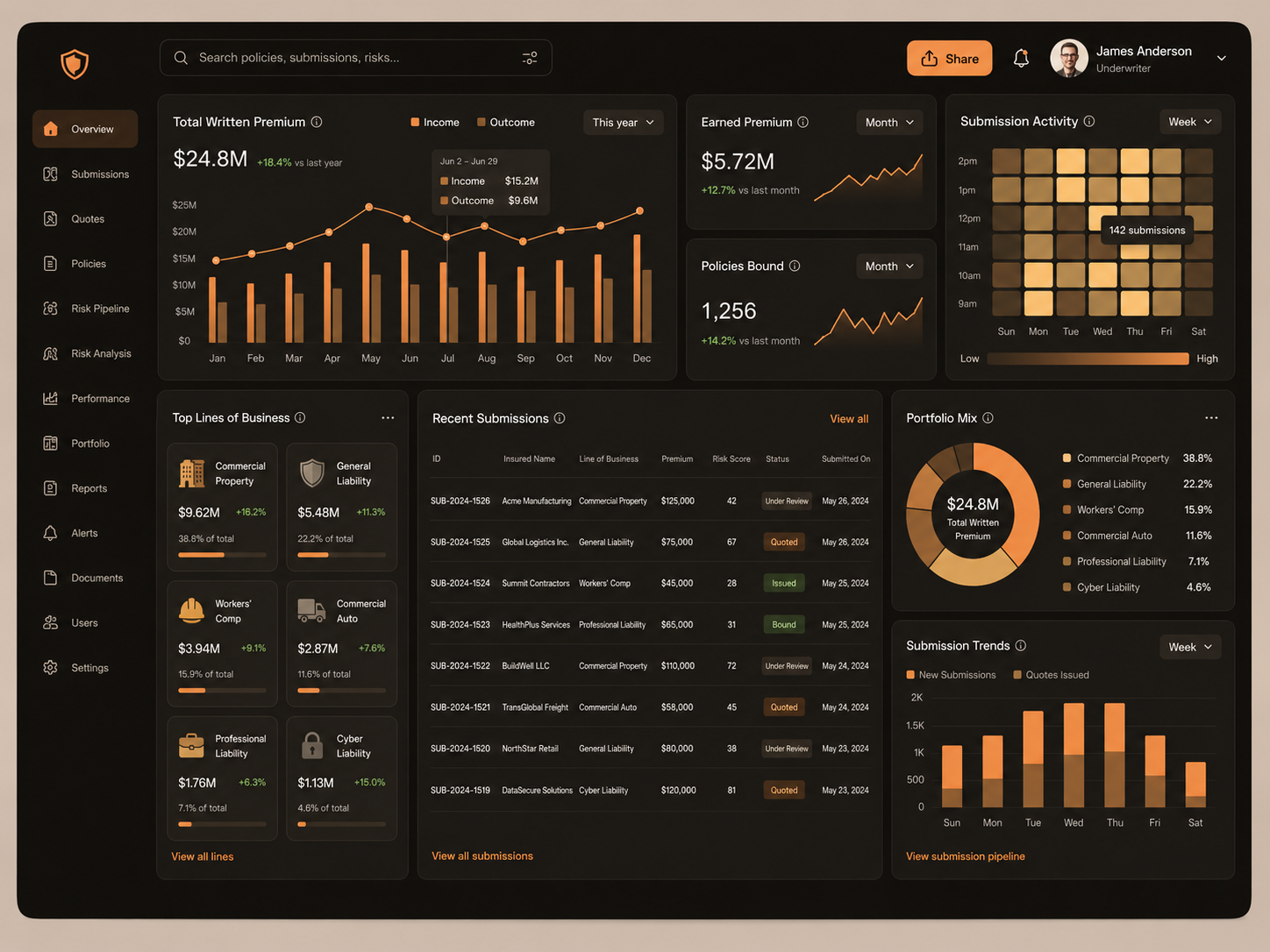
Underwriting analytics dashboards for an insurer
Replaced 60 spreadsheets with one governed underwriting board pack for an insurer.
Read the full case study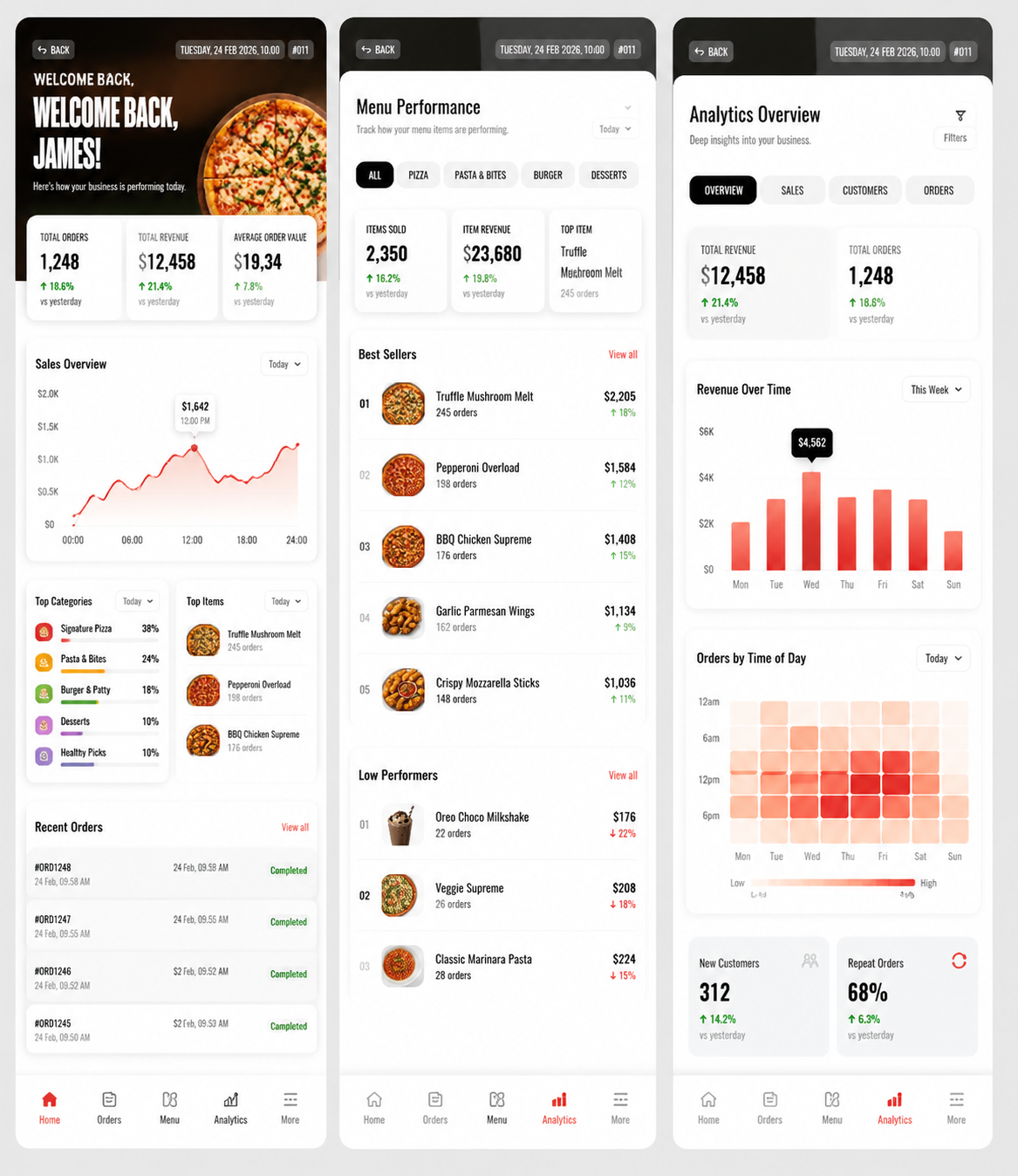
Self-service analytics for a foodtech platform
Self-service models tripled analyst throughput at a food-delivery platform.
Read the full case studyGet a senior architect on the call, first time, every time.
No SDR gauntlet. 30 minutes with an engineer who can scope the problem, name the risks, and give you an honest feasibility call.