
Demand forecasting for a grocery retailer
Cut waste 22% across 900 stores with SKU-level probabilistic forecasts.
22%
Problem, approach, and the outcome
The client is a French grocery retailer operating around 900 stores, where fresh-food waste and availability are in constant tension and both hit the bottom line. In grocery, small percentage improvements in either translate into large absolute numbers.
Store ordering had historically relied on manager intuition and simple heuristics, which varied widely in quality and left a lot of value on the table across the estate.
Store-level ordering ran on gut feel and simple moving averages, over-stocking fresh lines and writing off the difference every night. Multiplied across 900 stores and every fresh SKU, that nightly write-off was a substantial, recurring cost.
At the same time, stockouts on the same shelves lost sales, and the ordering process had no principled way to trade one risk against the other. Managers were effectively guessing at a trade-off they had no tools to reason about.
The retailer needed forecasts granular and probabilistic enough to drive real order quantities, not just a headline accuracy number in a slide, but something that could actually be wired into the ordering system and trusted.
We built probabilistic forecasts at the SKU-by-store level that account for promotions, weather, seasonality, and local patterns. Forecasting at that granularity is what makes the output actionable at the shelf rather than merely interesting in aggregate.
Because the forecasts are distributional rather than single-point, order quantities can be set against an explicit waste-versus-availability trade-off the category team controls. That turned an invisible, inconsistent judgement into a transparent, tunable business lever.
Forecasts refresh nightly so orders track demand as conditions shift, and we validated on held-out stores before rolling out region by region. Confirming the waste reduction held at each stage is what let the retailer scale it nationally with confidence.
- 22% cut in fresh-food waste across 900 stores
- Availability held flat while orders tightened
- Forecasts refreshed nightly per SKU and store
- Category teams given a tunable waste-versus-availability lever
More AI & Machine Learning case studies
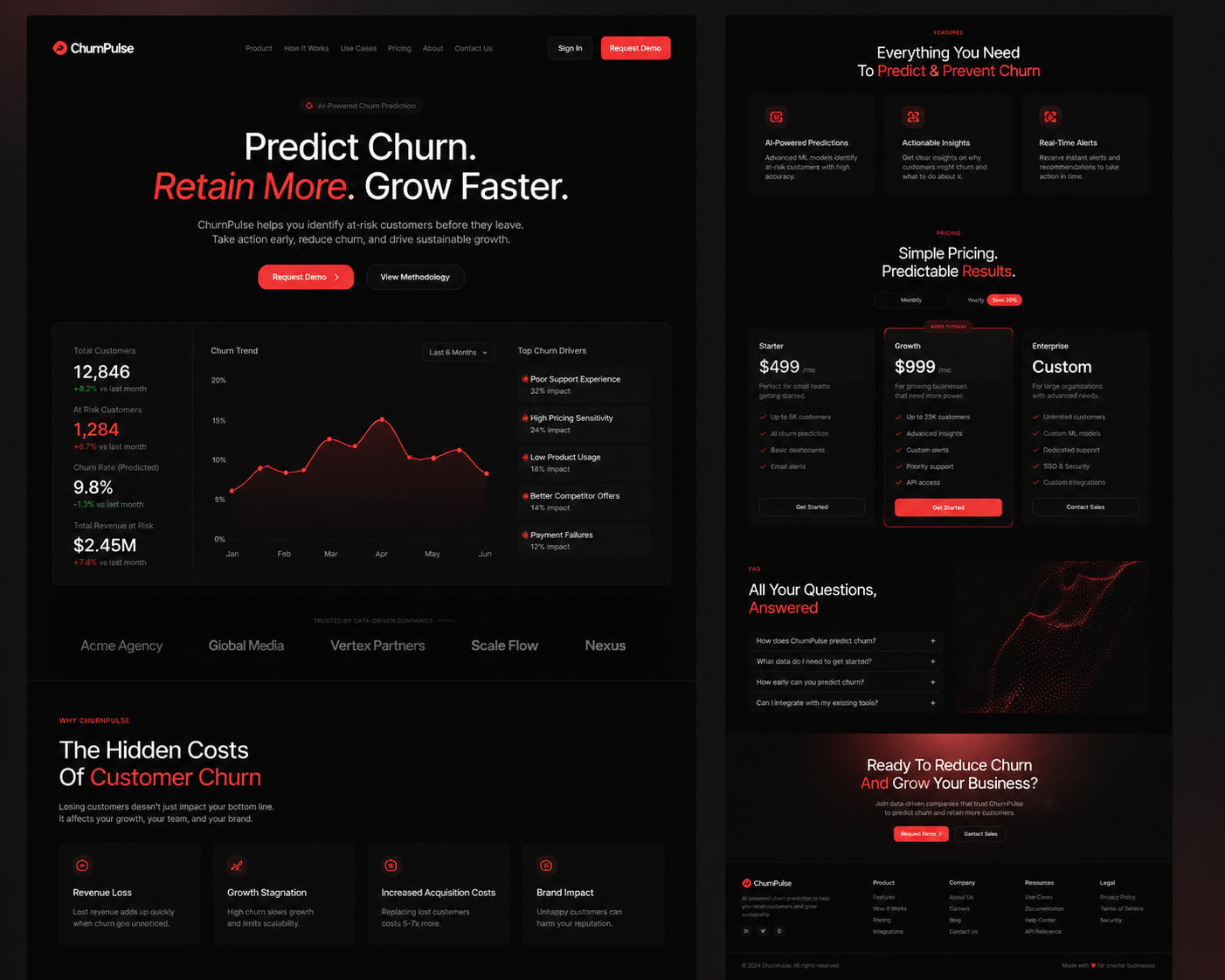
Churn prediction for a foodtech subscription platform
Cut voluntary churn 18% in two quarters with next-best-action scoring for a meal-subscription platform.
Read the full case study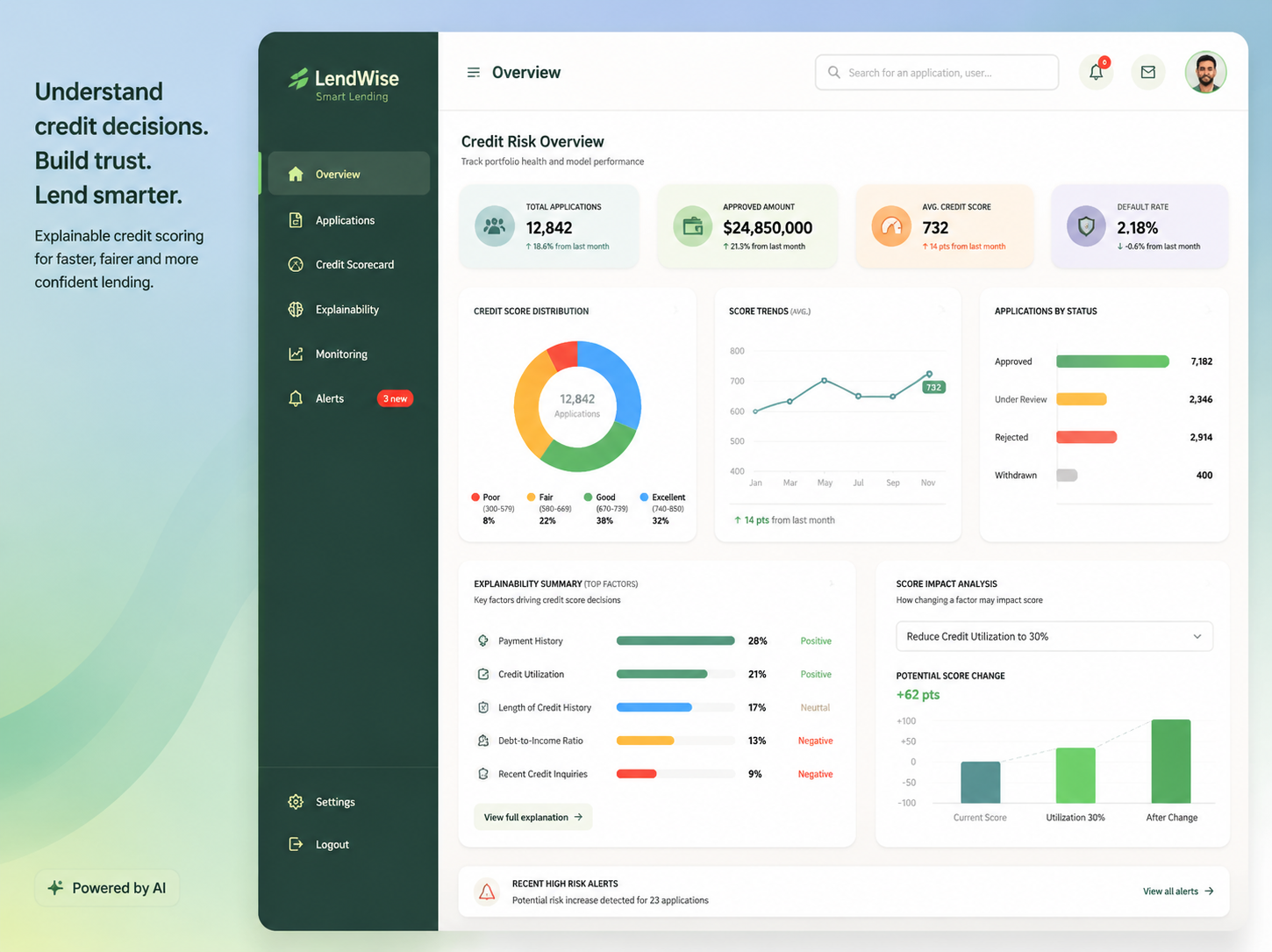
Explainable credit scoring for a digital lender
Lifted approval rates 31% at constant loss, every decision reason-coded for the FCA.
Read the full case study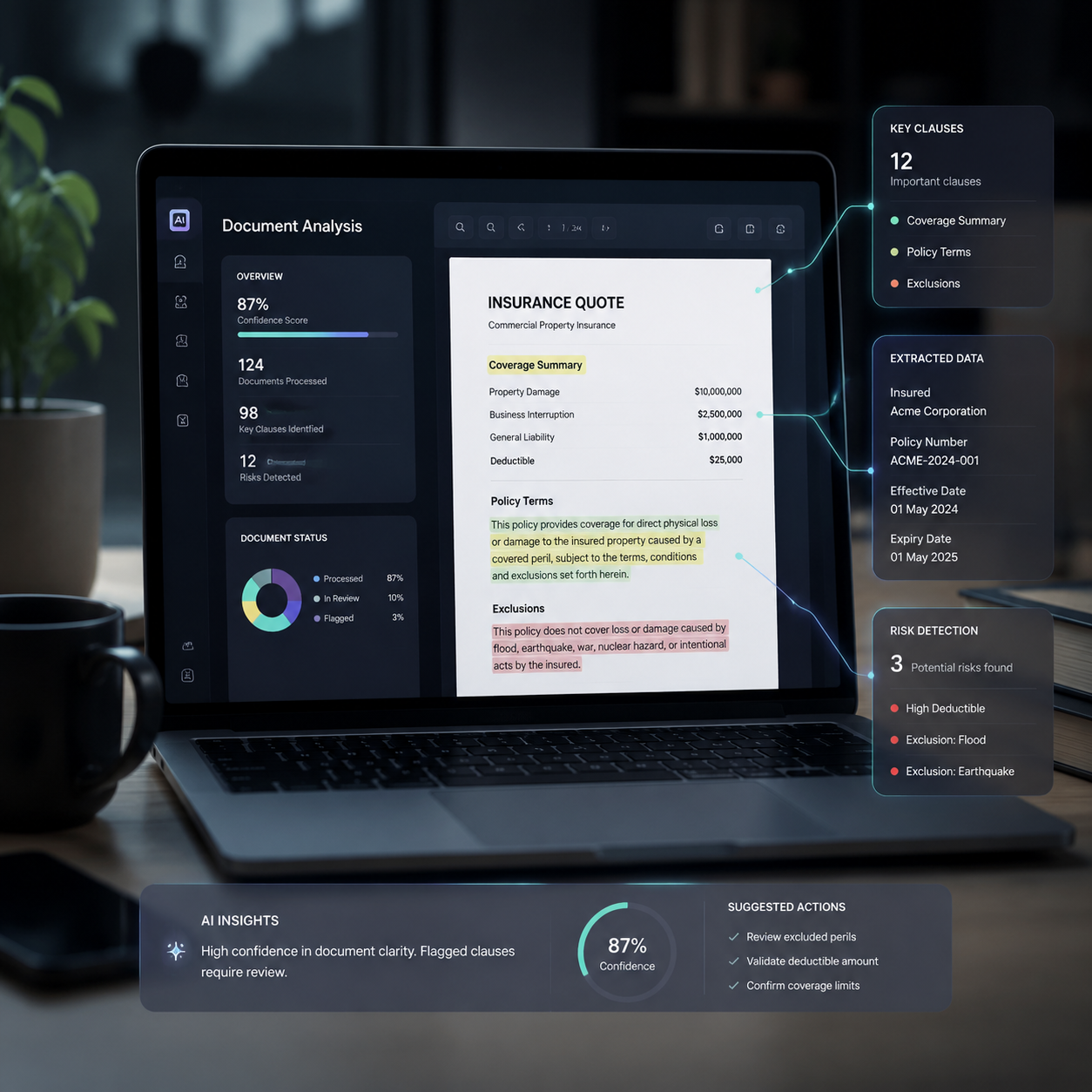
Underwriting copilot for a speciality insurer
Drafted first-pass quotes from submission packs 3.1x faster, every clause cited back to the wording it came from.
Read the full case studyGet a senior architect on the call, first time, every time.
No SDR gauntlet. 30 minutes with an engineer who can scope the problem, name the risks, and give you an honest feasibility call.