
On-chain intelligence platform for a financial-intelligence unit
Turned raw on-chain data into a self-service intelligence dashboard that surfaces suspicious wallet activity in seconds for a public financial-intelligence unit.
Self-service Web3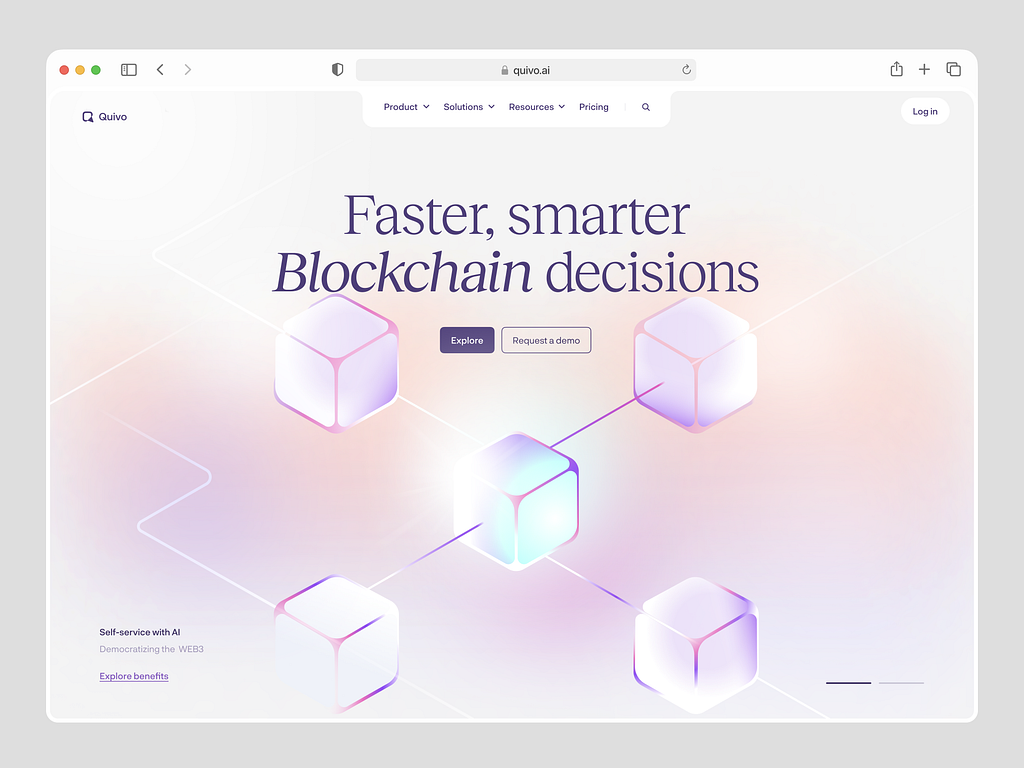
Problem, approach, and the outcome
The client is a UK public-sector financial-intelligence function responsible for monitoring illicit activity across digital-asset networks. For a body with a regulatory remit, decisions have to be evidenced and traceable back to the underlying chain data.
Their analysts were technically capable but had no dedicated tooling, so every on-chain investigation meant hand-querying nodes and stitching results together in spreadsheets.
Raw Ethereum data is voluminous and unstructured, so answering even a simple question about a wallet's history meant bespoke scripting against a node. Analysts spent their time assembling data rather than interpreting it.
Without a shared, indexed view, two analysts looking at the same address could reach different conclusions, and nothing was reproducible for a case file. Intelligence that cannot be reproduced is difficult to act on.
The unit needed a self-service platform that let non-engineers explore on-chain activity and flag suspicious patterns quickly, while keeping every finding traceable to source. Speed and evidential rigour had to arrive together.
We built an indexing layer on The Graph over Ethereum, so wallet histories, token flows, and contract interactions were queryable through GraphQL in seconds instead of hand-rolled node scripts. Indexing the chain once is what turns days of scripting into a self-service query.
A Node.js service layer added risk scoring and clustering on top, surfacing the relationship patterns and rapid-movement behaviours that flat address lookups miss. Looking at the network around an address, not just the address, is what exposes the subtler cases.
Every figure on the dashboard resolved back to the on-chain transaction behind it, so an analyst could open any flag and show its evidence. The platform gave the unit faster answers without loosening the chain of evidence.
- Self-service on-chain queries in seconds, not scripts
- Suspicious wallet clusters surfaced automatically
- Every finding traceable to the source transaction
- Non-engineer analysts investigating without developer support
More Blockchain case studies
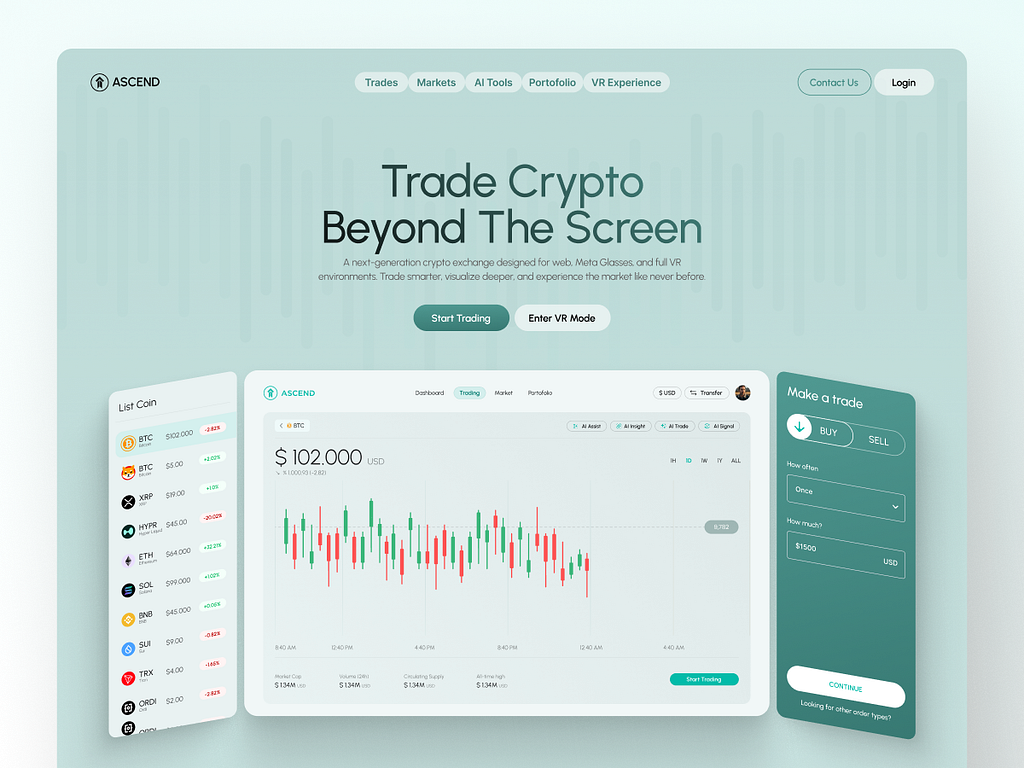
On-chain crypto exchange for a digital-asset trading platform
Delivered a web and VR exchange with real-time candlestick markets and on-chain order execution that settles in a single confirmation for a digital-asset trading platform.
Read the full case study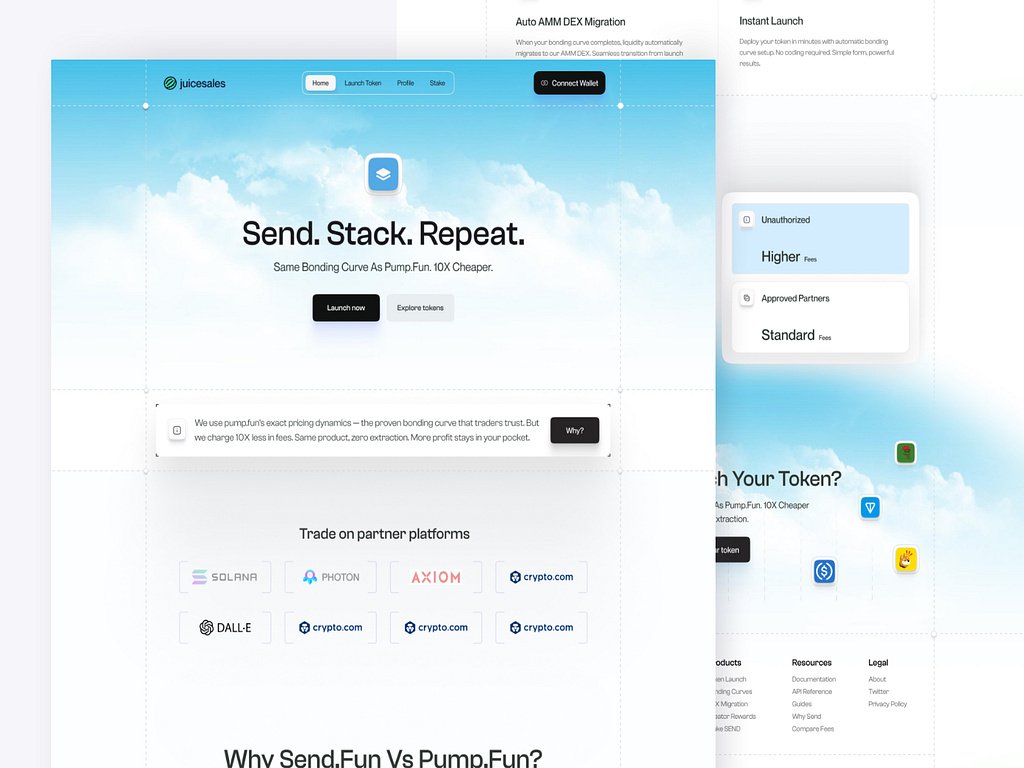
Tokenised issuance launchpad for a digital-asset bank
Shipped a bonding-curve launchpad with automated AMM migration and wallet-connected minting that cut issuance fees roughly tenfold for a digital-asset bank.
Read the full case study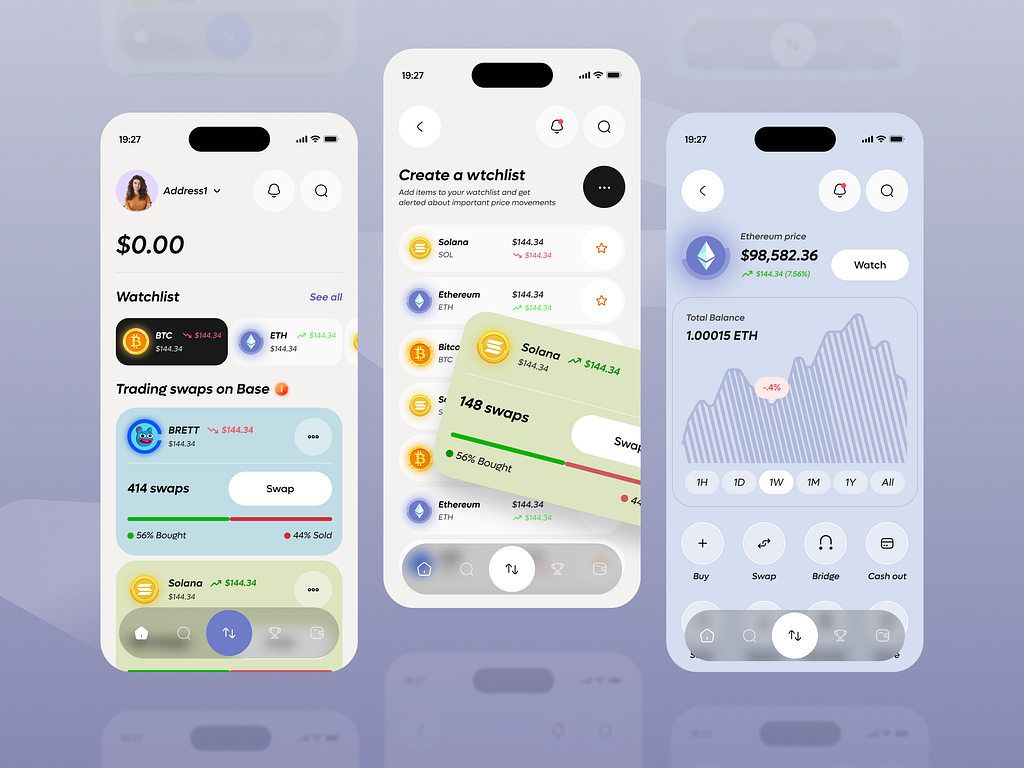
Non-custodial multi-chain wallet for a digital wealth platform
Delivered a non-custodial mobile wallet with multi-chain watchlists, swap and bridge flows, and live portfolio tracking across Ethereum and Base for a digital wealth platform.
Read the full case studyGet a senior architect on the call, first time, every time.
No SDR gauntlet. 30 minutes with an engineer who can scope the problem, name the risks, and give you an honest feasibility call.