
Real-time operations dashboard for a logistics operator
Sub-120ms streaming operations dashboard across 40 control desks for a logistics operator.
120ms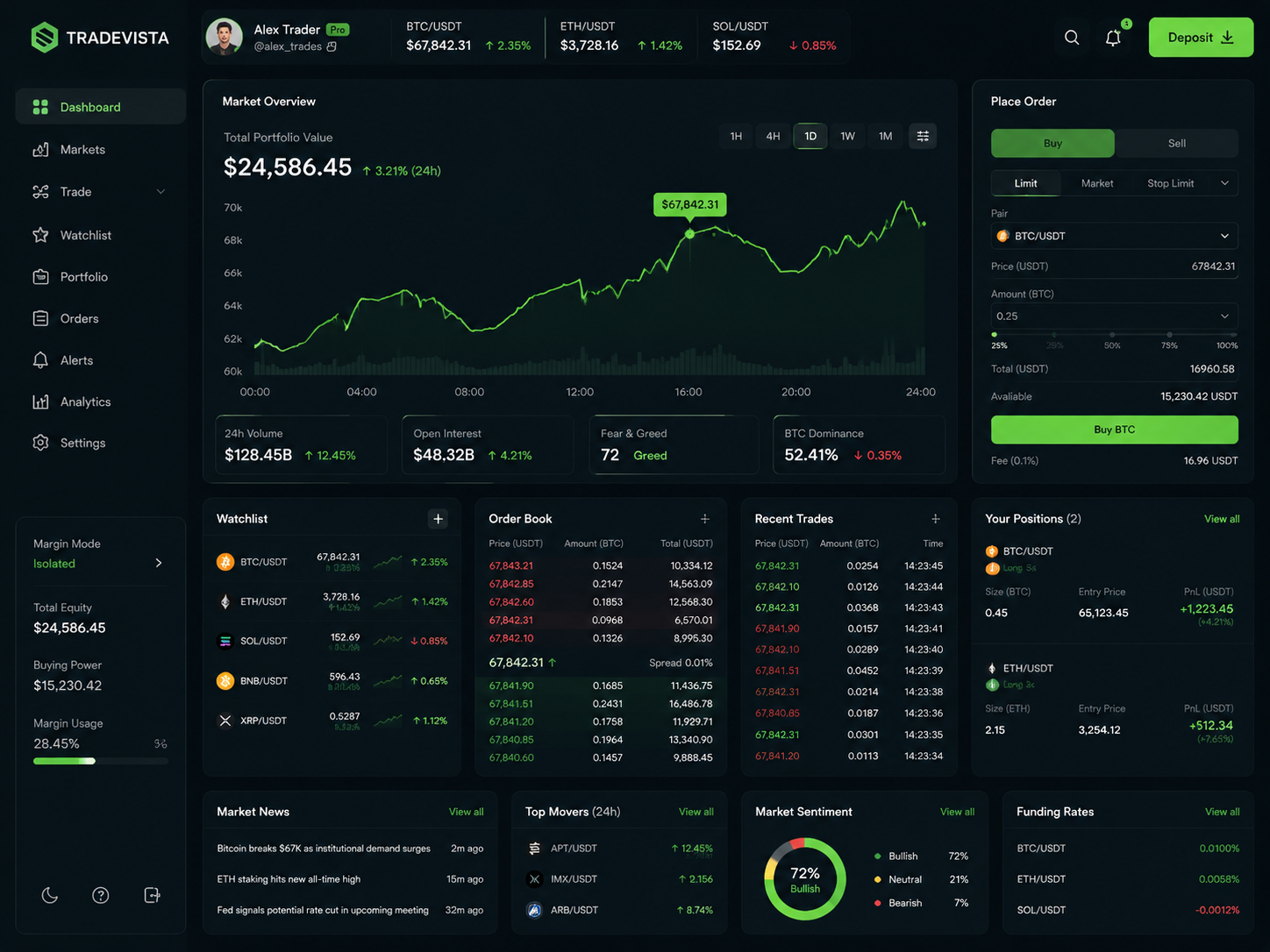
Problem, approach, and the outcome
The client is a UK logistics operator running a fast-moving network from control rooms where decisions are made minute by minute. In that environment, the freshness of operational data has a direct line to cost and service quality.
Control-room staff had been working from manually refreshed spreadsheets, which left them acting on a picture that was always a few minutes behind reality.
Control-room staff ran on spreadsheets refreshed by hand, so fleet and depot status was always minutes stale on a network where minutes cost money. Decisions were being made on information that had already moved on.
Stale data meant operators were always reacting slightly late, and small delays compounded across a busy network into real cost and disruption. The lag was a persistent tax on operational performance.
The operator needed a genuinely real-time view that stayed responsive even at the busiest hours, when it mattered most. A dashboard that stuttered under peak load would fail exactly when it was needed.
We built a streaming dashboard with a low-latency data path, using a Rust service to push updates and virtualised grids to keep the UI fluid with thousands of rows. The architecture was chosen specifically to stay fast under real operational volume.
The rendering was tuned so the interface never blocks under peak-hour load, when older dashboards typically stutter. Sustained responsiveness at peak was treated as the core requirement, not an afterthought.
We rolled it out across the control desks in stages, tuning against real operational load, so status now reflects reality within a fraction of a second. Operators finally act on live data rather than a minutes-old snapshot.
- Sub-120ms status updates
- Rolled out across 40 control desks
- Smooth under peak-hour load
- Decisions made on live data, not minutes-old spreadsheets
More Software Development case studies
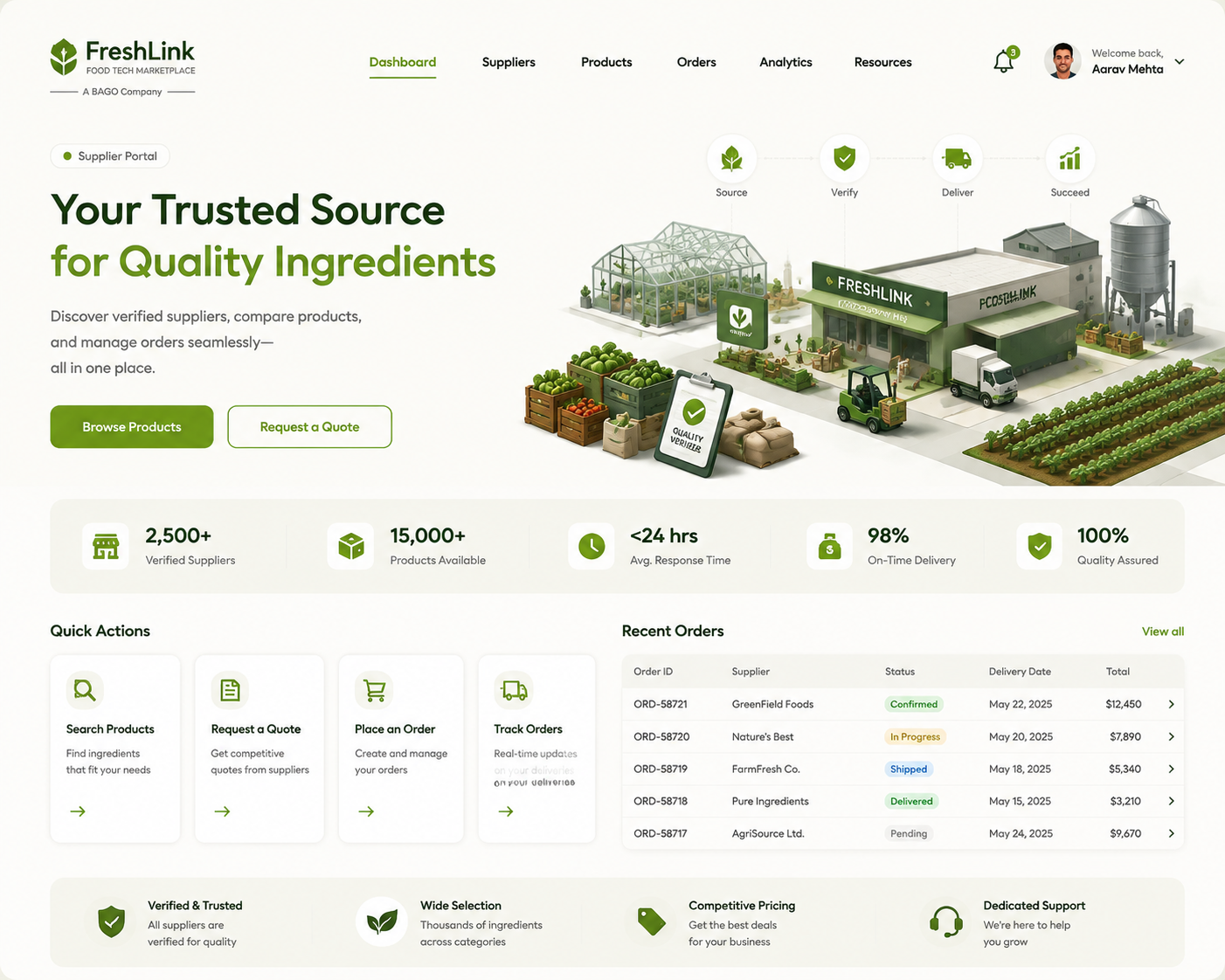
Supplier portal for a foodtech marketplace
Self-service supplier portal lifted supplier adoption to 62% in one quarter for a foodtech marketplace.
Read the full case study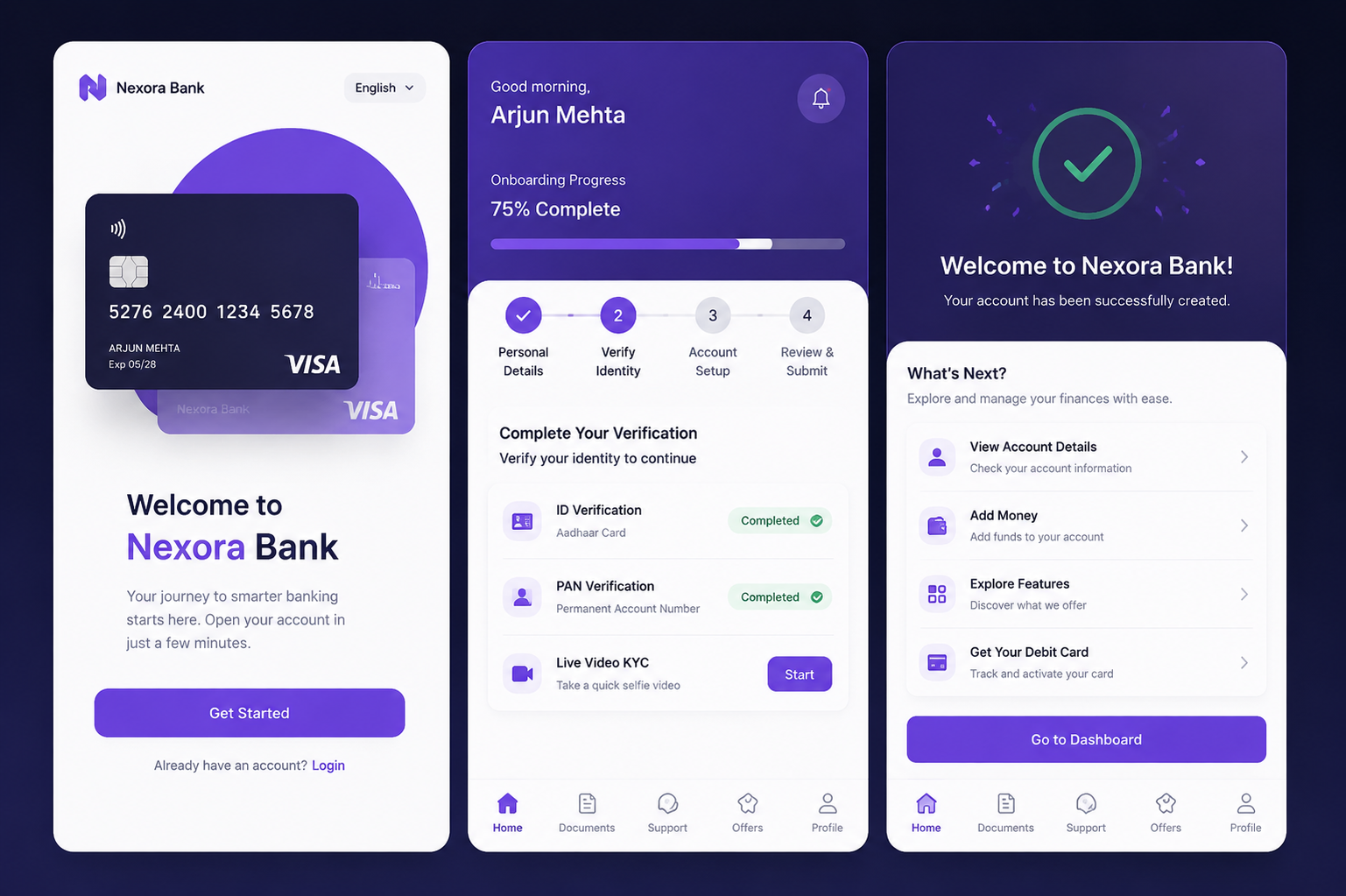
Onboarding web app for a digital bank
Straight-through KYC onboarding raised completion to 78%.
Read the full case study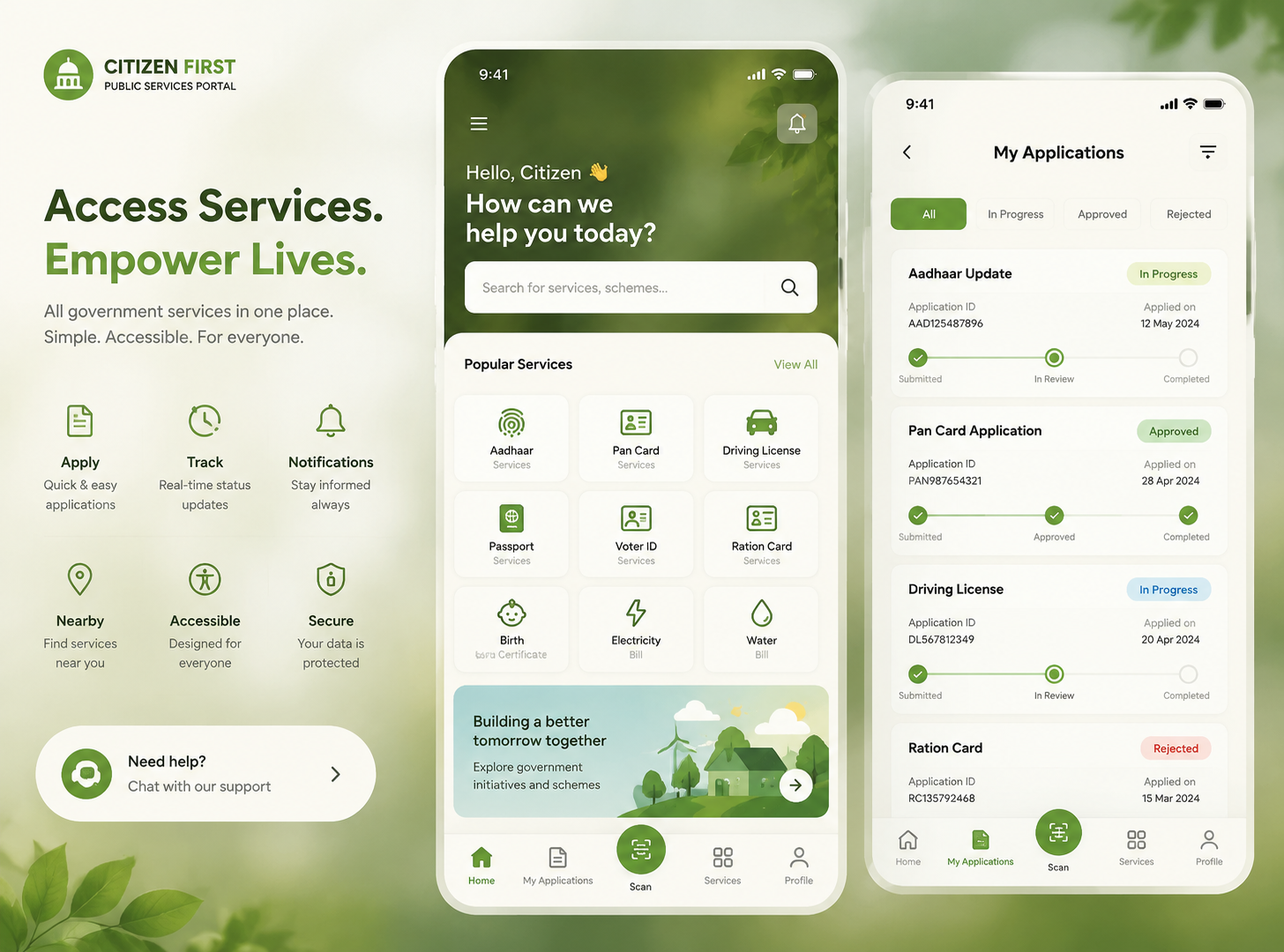
Accessible public-services portal rebuild
Rebuilt a citizen portal to WCAG 2.2 AA, cleared external audit first pass.
Read the full case studyGet a senior architect on the call, first time, every time.
No SDR gauntlet. 30 minutes with an engineer who can scope the problem, name the risks, and give you an honest feasibility call.