
Editorial marketing site for a UK commercial flooring contractor
A 12-page static-exported brochure site with a PHP-based lead pipeline, shipped end to end in 9 days.
9 days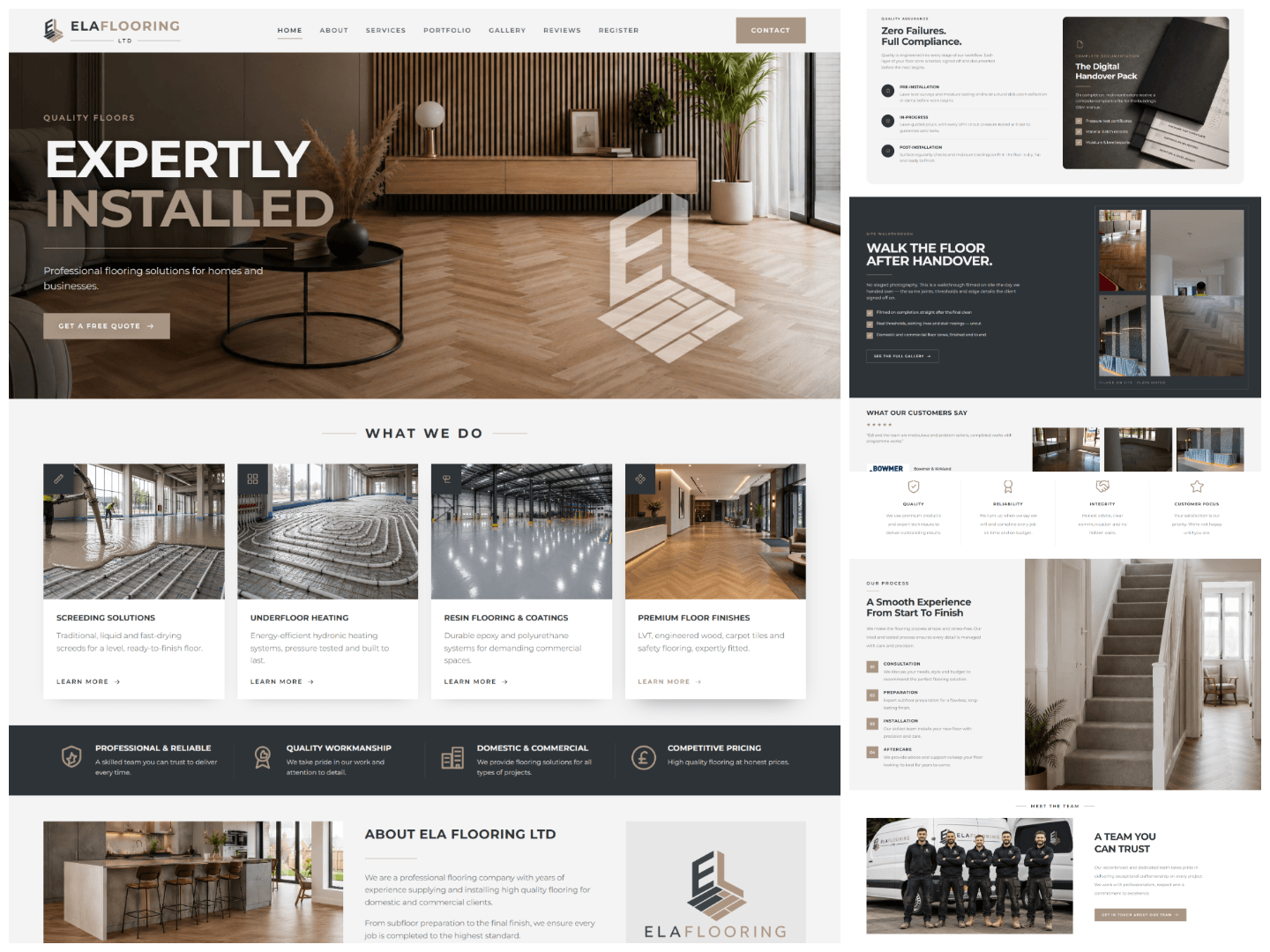
Problem, approach, and the outcome
The client is a UK commercial flooring contractor covering screeding, underfloor heating, resin systems, and floor finishes for developers and main contractors. Their pitch to the market is being a single point of responsibility across floor-zone trades that are normally split between separate subcontractors, so the site had to read as credible to a commercial, not consumer, buyer.
They were hosted on shared infrastructure with no Node runtime available for the live site, which meant the brochure site and its lead capture had to work within that constraint rather than assuming a typical Node deployment.
A flooring contractor selling on being a single point of responsibility needed a site that looked like it belonged to a company coordinating multiple trades under one warranty, not a one-page contractor listing. A generic template would have undersold the position.
The approved design mockup specified an exact colour palette, container width, and section rhythm that had to hold consistently as more pages were added (home, services, portfolio, gallery, reviews) without each new page reinventing its own spacing.
Because the production host only offered PHP, not a Node server, the contact and registration forms could not rely on the usual serverless API route pattern. Lead capture still had to land reliably in the client's inbox and a spreadsheet without a Node backend to run it.
We built the site as a statically-exported Next.js app and centralised every colour, container width, and spacing value as CSS custom properties in one token file, so re-skinning or adjusting rhythm never meant hunting through components. A single Section primitive owns the container and padding for every page, so no page hand-rolls its own spacing.
For lead capture, we wrote a small PHP API (SMTP mail plus a Google Sheets writer) that the statically-exported frontend posts to, giving the client a working enquiry pipeline on hosting with no Node runtime at all.
Client-supplied photography and installation video were optimised and wired in through a typed content file, so swapping an image or testimonial is a one-line change with no layout risk.
- 12-page site (home, services, portfolio, gallery, reviews, legal) shipped in 9 days
- Every colour, spacing, and container-width value centralised in one token file
- Lead pipeline (SMTP email plus Google Sheets) runs on plain PHP, no Node server required
- Photography and installation video wired in via a typed content file, zero layout risk on swaps
More case studies
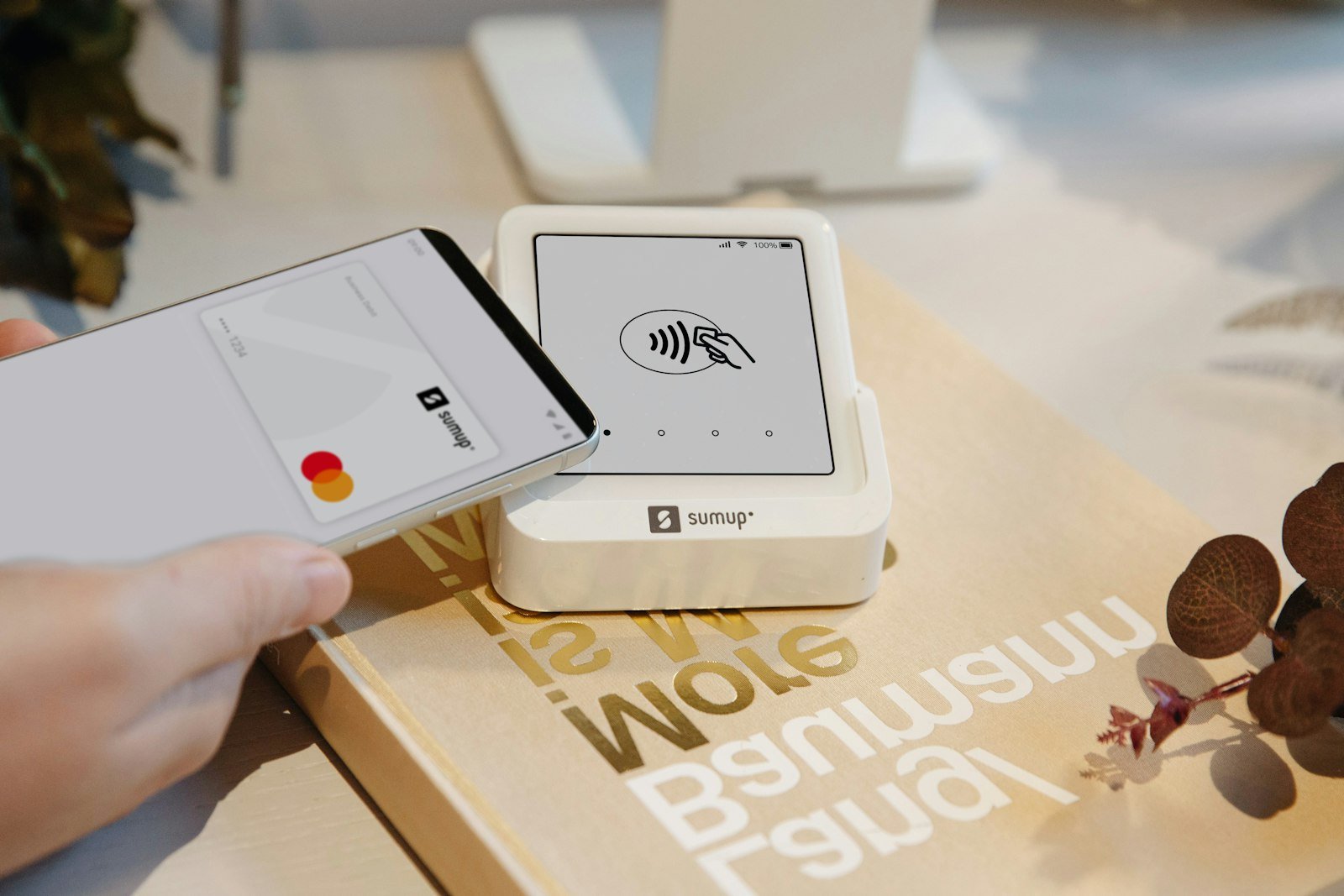
FCA-licensed challenger bank, MVP to launch in 9 months
Mobile app, KYC, core integration, payment rails: all delivered to regulatory milestone.
Read the full case study
Straight-through onboarding for a top-10 UK wealth platform
Lifted suitability-engine completion to 78%, halved drop-off across MiFID II flows.
Read the full case study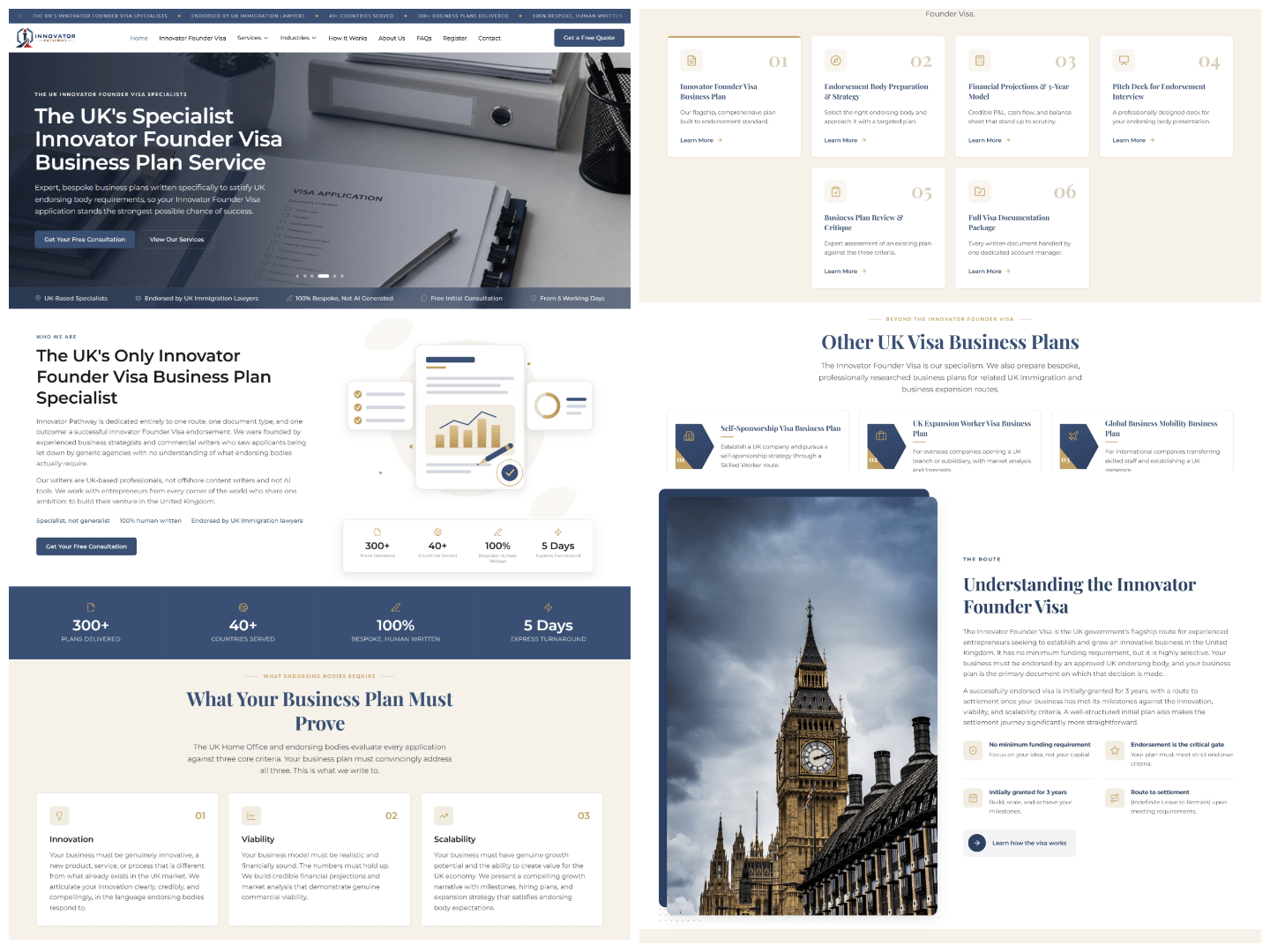
Advisory platform for a UK visa business-plan consultancy
A taxonomy-driven services-and-industries catalogue with a Sheets-backed lead pipeline, shipped in 19 days.
Read the full case studyGet a senior architect on the call, first time, every time.
No SDR gauntlet. 30 minutes with an engineer who can scope the problem, name the risks, and give you an honest feasibility call.