
Symptom-check and triage app for a telemedicine provider
Photo-and-symptom-first triage app cut consultation prep time 54% for a telemedicine provider.
54%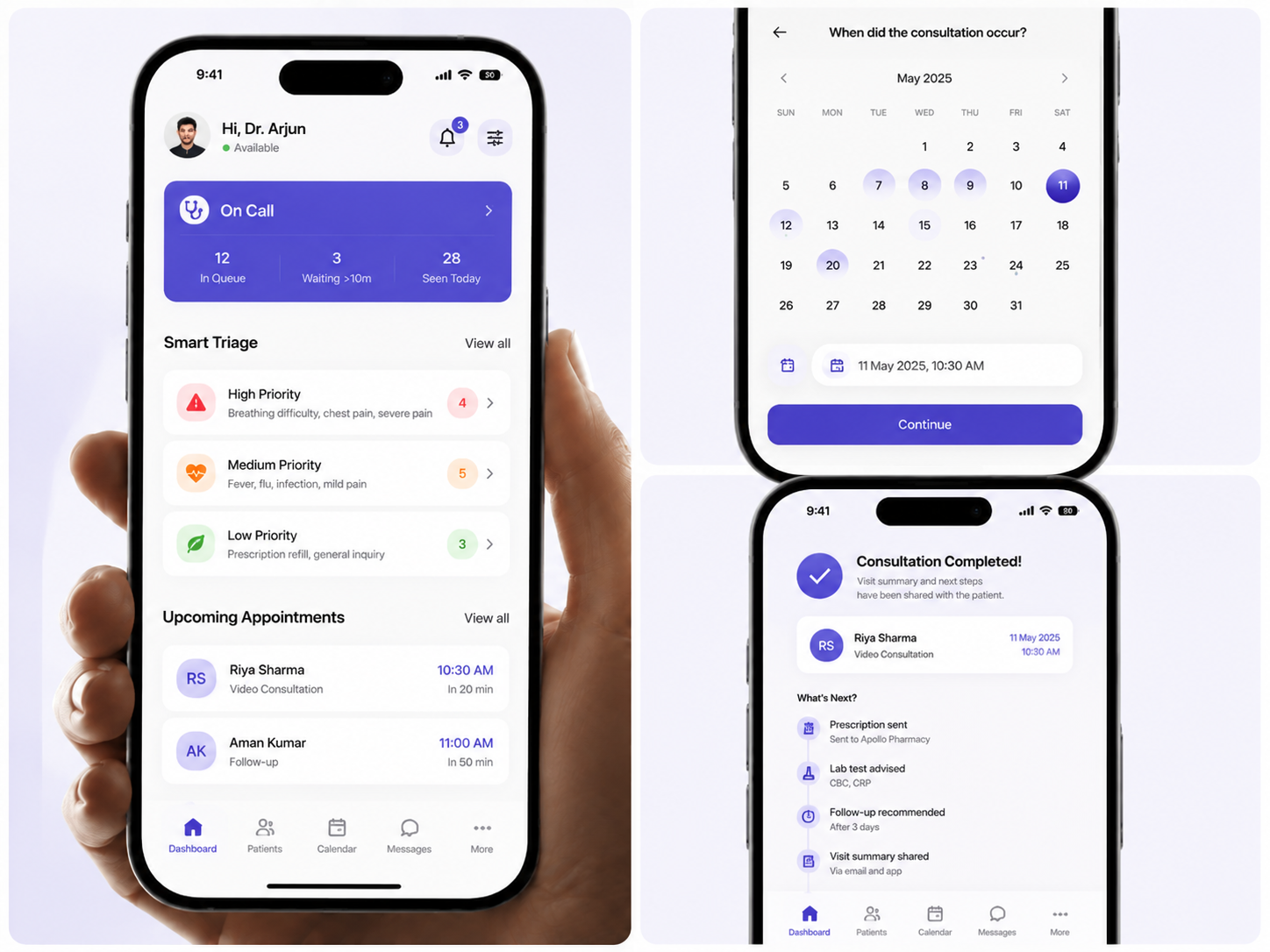
Problem, approach, and the outcome
The client is a UK telemedicine provider whose clinicians' time is the scarcest and most valuable resource in the model. Anything that lets clinicians spend more of a consult on care rather than admin has an outsized effect on capacity.
Patients were completing long, generic intake forms that often left clinicians with incomplete information by the time a consult began.
Booking a consult meant a long, generic form, and the detail it captured was often incomplete by the time a clinician picked it up. The intake process asked a lot of patients and still delivered too little to clinicians.
That forced clinicians to spend consult time gathering basics or chasing callbacks, eroding the very capacity the model depends on. Time that should have gone to care went to admin instead.
The provider needed richer, more reliable pre-consult information without making the patient's job harder. Better data and a better patient experience had to come together, not at each other's expense.
We built a guided symptom-and-photo capture flow that adapts to what the patient reports, asking the right follow-ups rather than one flat form. Tailoring the questions to the patient's answers is what produces richer information with less effort.
Completeness is validated on-device before submission, so clinicians receive a clean, structured summary every time rather than a half-filled form. That front-loads the information-gathering into a smooth patient experience.
We tuned the flow with clinicians so the captured data matched what they actually need at the start of a consult. Designing around their real needs is why the summaries genuinely saved prep time.
- 54% cut in consultation prep time
- Cleaner pre-consult summaries, fewer callbacks
- On-device validation before submit
- Capture flow shaped with clinicians' real needs
More Software Development case studies
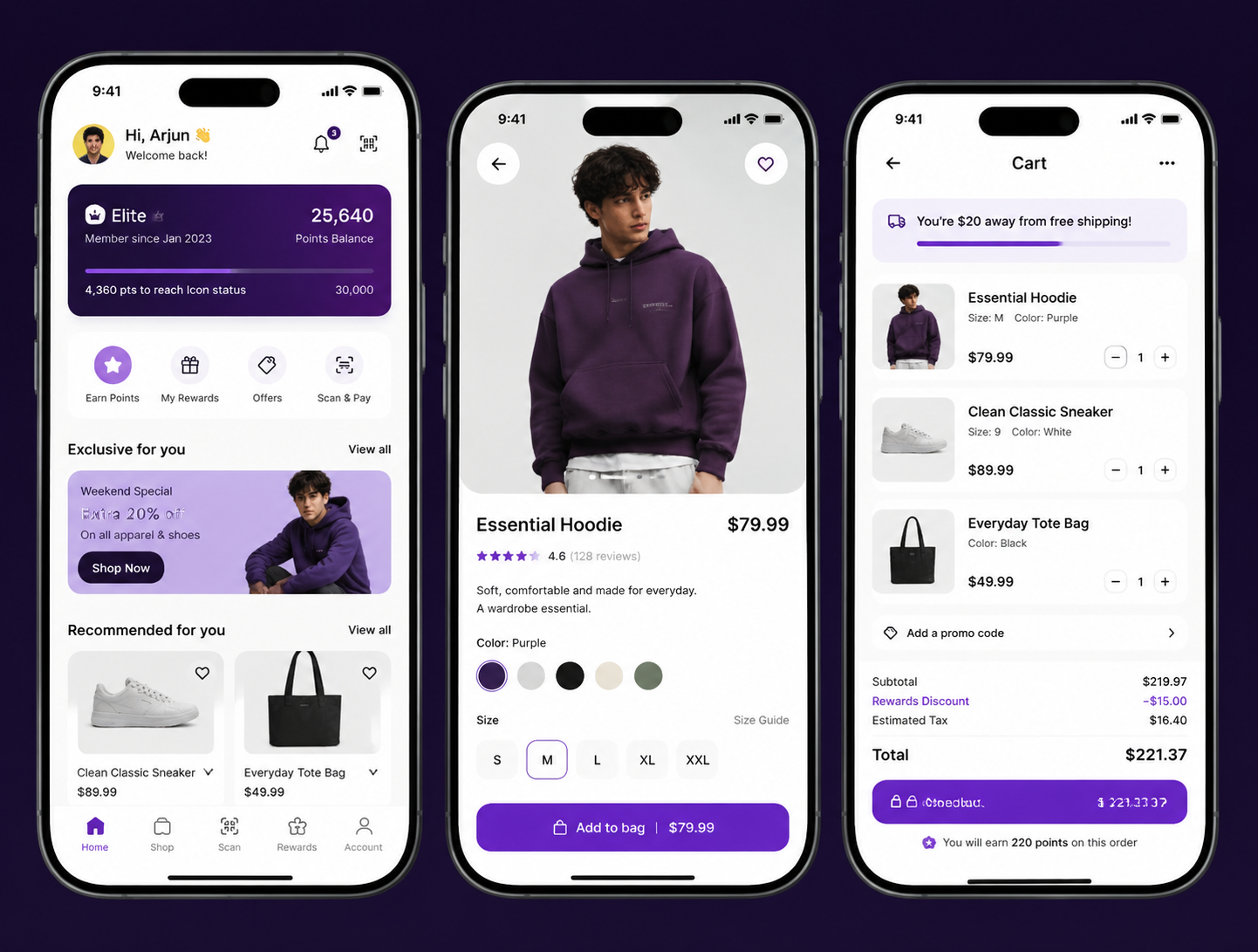
Loyalty and shopping app for a retailer
Launched a retail loyalty app to a 4.8-star rating and 200k users in 90 days.
Read the full case study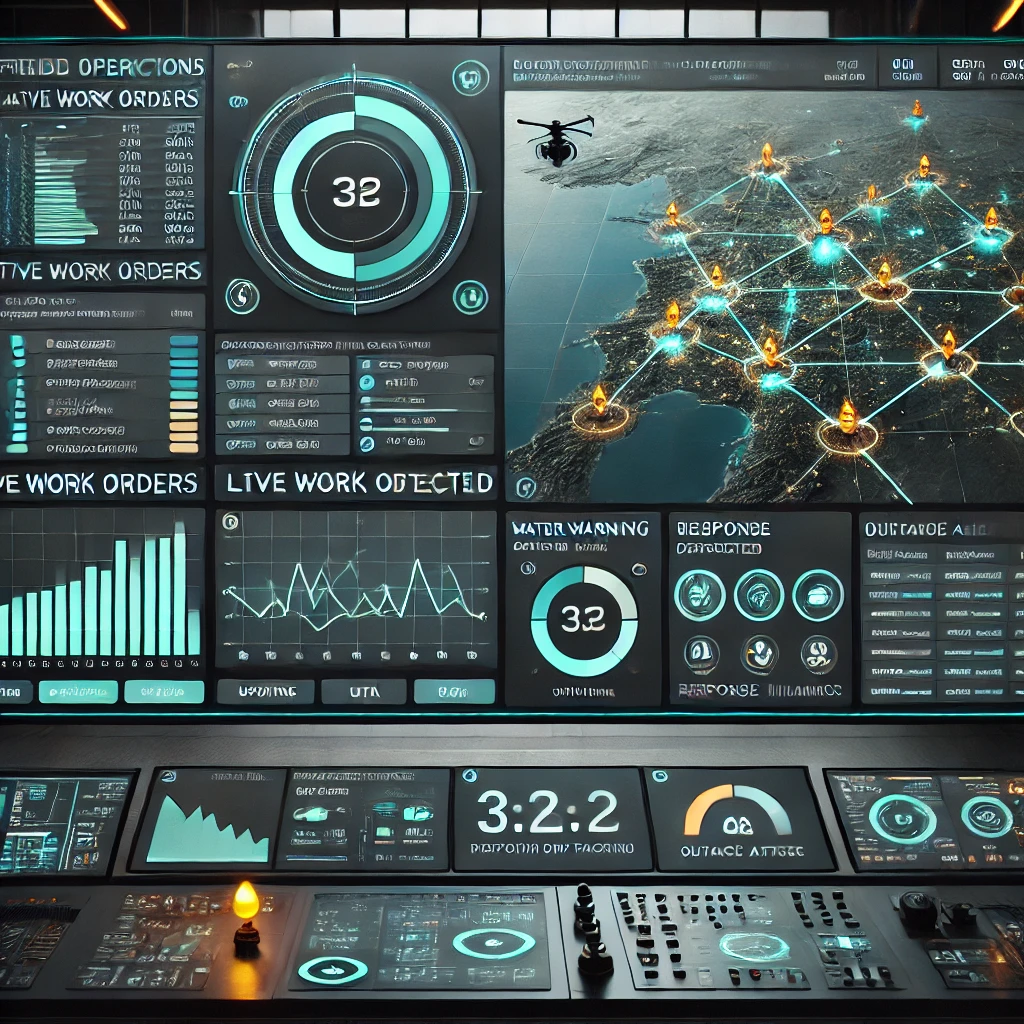
Field-service app for a manufacturer's engineers
Offline-first engineer app cut job-completion admin 31% for a manufacturer's field team.
Read the full case study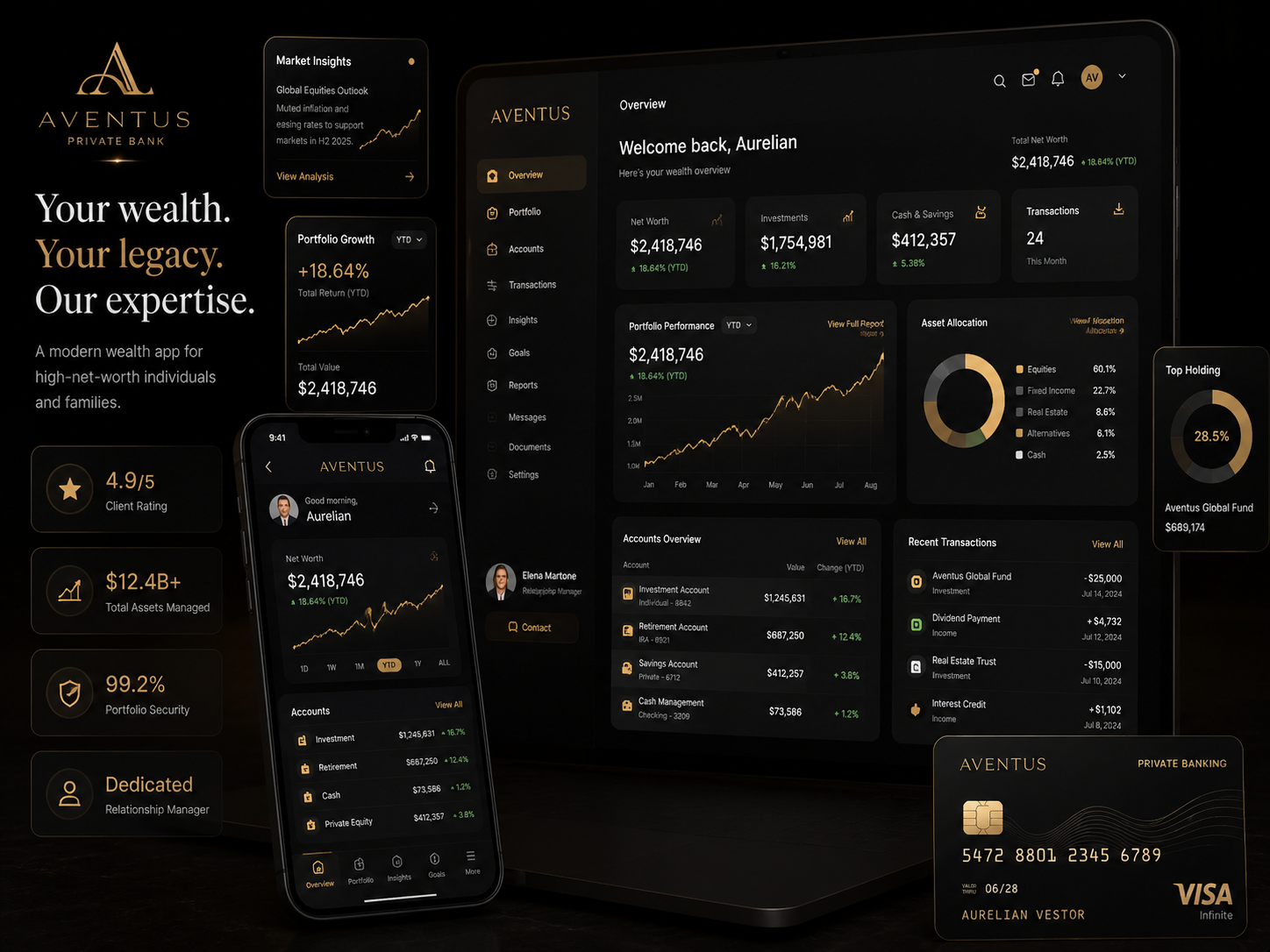
Wealth app for a private bank
MiFID-compliant investing app doubled monthly active clients.
Read the full case studyGet a senior architect on the call, first time, every time.
No SDR gauntlet. 30 minutes with an engineer who can scope the problem, name the risks, and give you an honest feasibility call.