
Advisory platform for a UK visa business-plan consultancy
A taxonomy-driven services-and-industries catalogue with a Sheets-backed lead pipeline, shipped in 19 days.
19 days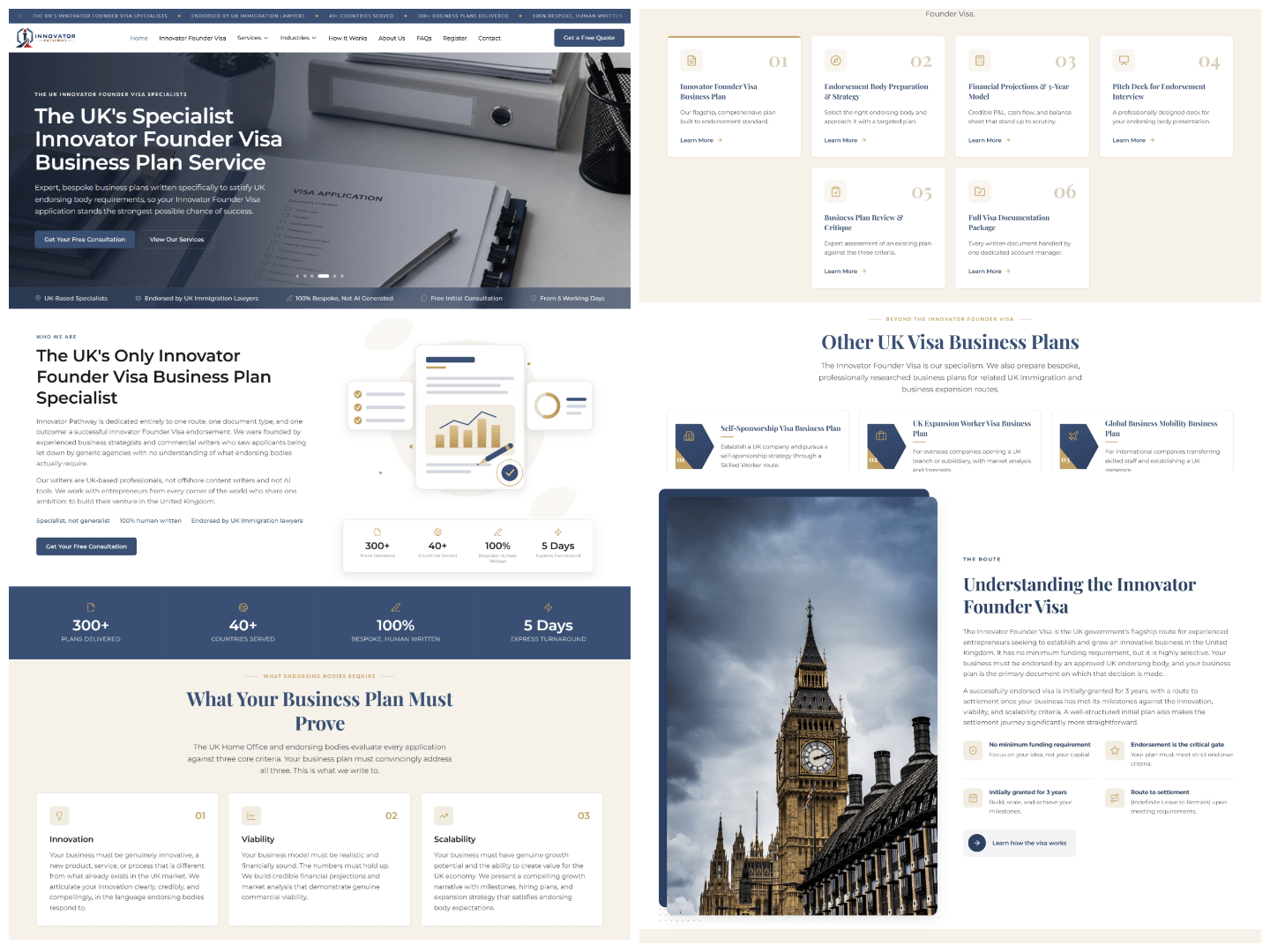
Problem, approach, and the outcome
The client is a UK consultancy that writes business plans for a single, high-stakes visa route, aimed at entrepreneurs who need an endorsing body's sign-off to qualify. Their edge is narrow expertise in one scheme rather than broad, generic immigration advice, so the site had to read as a specialist practice, not a general agency with a visa page bolted on.
Prospective clients apply from dozens of countries and industries, each needing to see how the same core service maps onto their specific sector before they will pick up the phone or start a registration.
The consultancy's whole pitch rests on depth in one visa route, so the site had to explain a genuinely technical process (endorsement criteria, business-plan requirements, financial projections) clearly enough for a non-specialist founder to trust it, without drowning them in immigration jargon.
Every prospective client arrives from a different country and industry, so a single generic services page would have undersold the fit. The site needed a real services-by-industry catalogue, not a handful of hardcoded landing pages that would need a developer every time a new sector or route was added.
With no CRM in place, enquiries and registrations had to land somewhere the team would actually use daily, reliably and without a manual export step, or leads from the free-consultation funnel would simply go unanswered.
We modelled services and industries as typed data catalogues rather than static pages, so each one resolves through a dynamic route and new entries are a data change, not a new template. The same pattern extends to future visa routes without new page code.
Registration and contact forms post to a small API layer that writes straight into a Google Sheet and emails the team immediately, so a lead lands somewhere the consultancy already works from within seconds of submission, no CRM integration required.
We kept the copy structure consistent across every services and industries page (criteria, process, FAQs) so the specialist positioning holds however a prospect enters the site, whether from a search for their own industry or the core visa-route page.
- Two dynamic catalogues (services, industries) resolve entirely from typed data, no per-entry template
- Registrations and enquiries land in Google Sheets and by email within seconds, no CRM needed
- 11-route site, taxonomy included, shipped end to end in 19 days
- Data model designed to add new visa routes without new page templates
More Software Development case studies
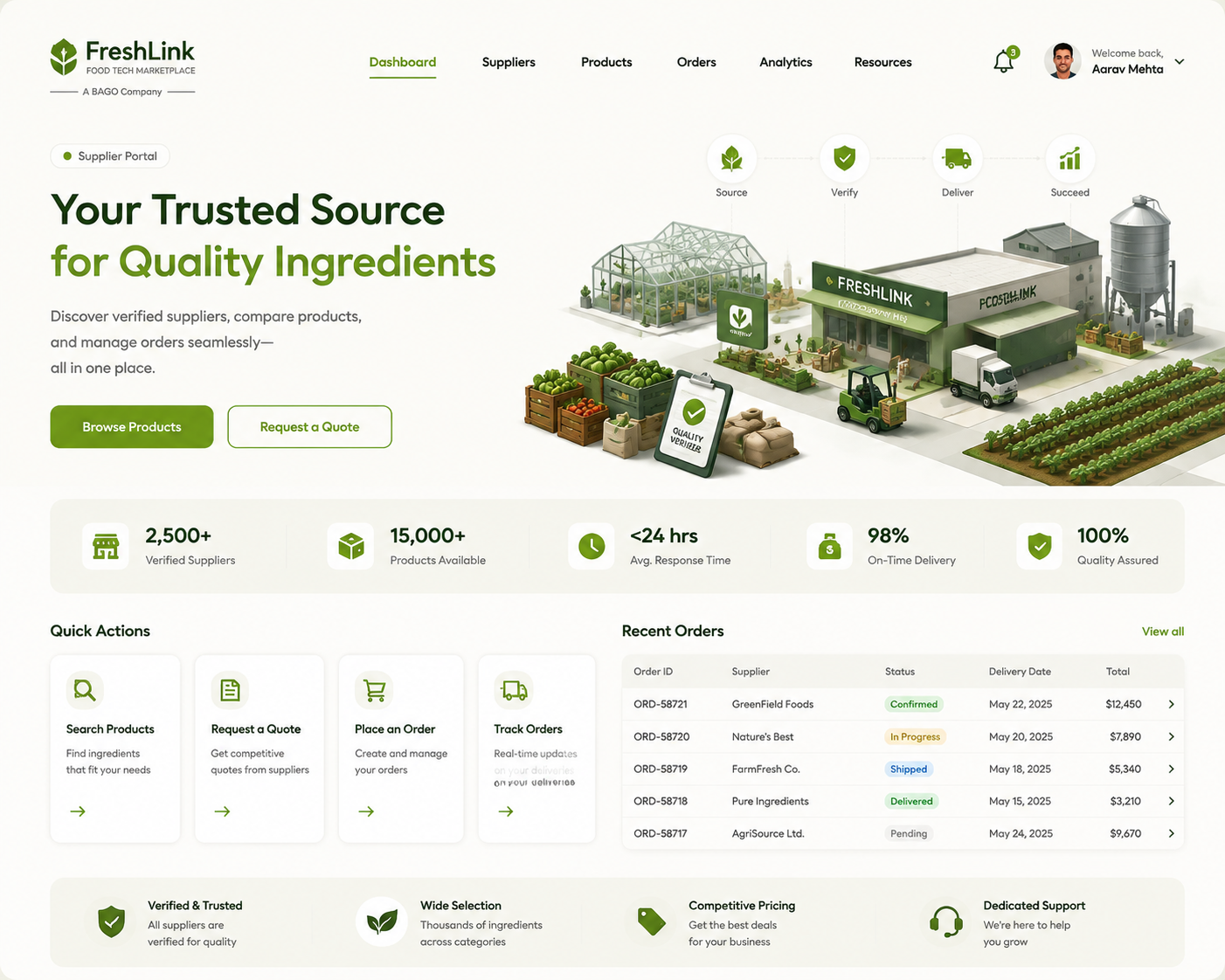
Supplier portal for a foodtech marketplace
Self-service supplier portal lifted supplier adoption to 62% in one quarter for a foodtech marketplace.
Read the full case study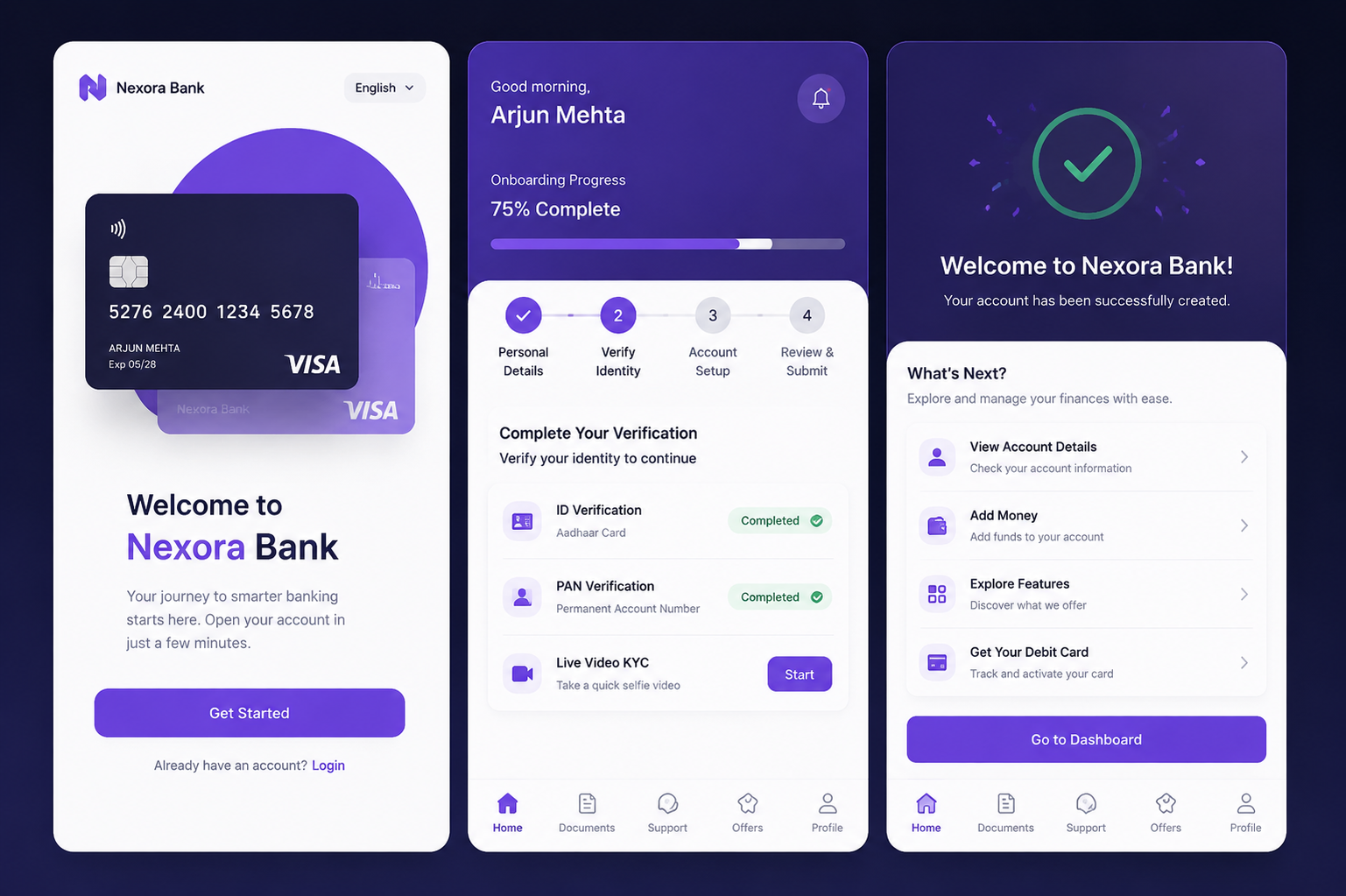
Onboarding web app for a digital bank
Straight-through KYC onboarding raised completion to 78%.
Read the full case study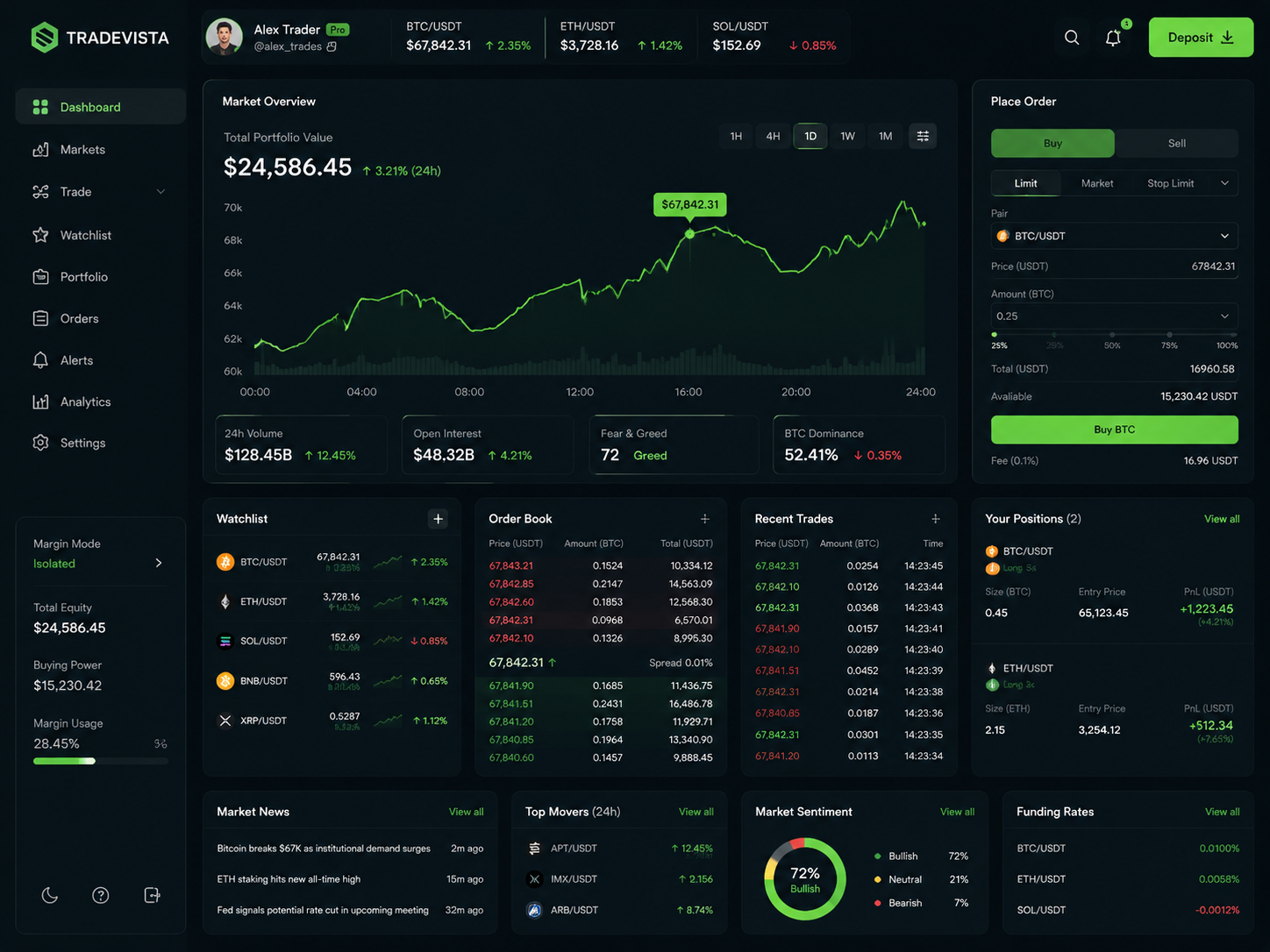
Real-time operations dashboard for a logistics operator
Sub-120ms streaming operations dashboard across 40 control desks for a logistics operator.
Read the full case studyGet a senior architect on the call, first time, every time.
No SDR gauntlet. 30 minutes with an engineer who can scope the problem, name the risks, and give you an honest feasibility call.